
Have you ever wondered if your smartphone can do more than just make calls and send texts? Today, mobile health and medical informatics are making care more personal and immediate.
Simple gadgets now let you check important health signs at home and even chat with your doctor. This real-time sharing of data helps care teams spot problems early on, almost like having a doctor visit right in your living room.
As these mobile devices connect us, the future of care is becoming clearer, faster, and more secure than ever before.
How Mobile Health and Medical Informatics Improve Patient Outcomes
Mobile health and medical informatics use everyday gadgets like smartphones and tablets with wireless connections to help doctors and public health teams. These tools let patients check their health from home, chat with doctors online, and even use apps to keep track of their wellness. For example, someone might check their blood sugar using an app and then quickly send that data to their care team.
Real-time data now means doctors can spot problems early and make smart treatment choices faster. Telemedicine lets doctors talk to patients no matter how far apart they are, kind of like having a doctor visit from afar. One provider shared, “With these mobile tools, I can look over lab results and adjust medications almost as fast as if the patient were in my office.”
A report from the World Health Organization mentioned that more than 300 mobile health projects were recorded worldwide back in 2011. This shows how fast the healthcare field is embracing these innovations. Today, the mHealth market is worth over $60 billion, thanks to the many mobile devices in use. In fact, app usage in mHealth grew by over 65% in the last five years, a trend that really took off during the pandemic.
This rapid growth is part of the larger digital health transformation. By securely and efficiently monitoring patient data, these systems, like electronic health records and patient engagement tools, bring together information from remote monitoring and telemedicine. The result is a smoother process that helps patients follow their treatment plans better and can even cut down on extra tests and hospital visits.
Thanks to these advances, more people, even those in far-off places, now have a clearer and more proactive route to better health.
Core Systems in mHealth and Health Informatics
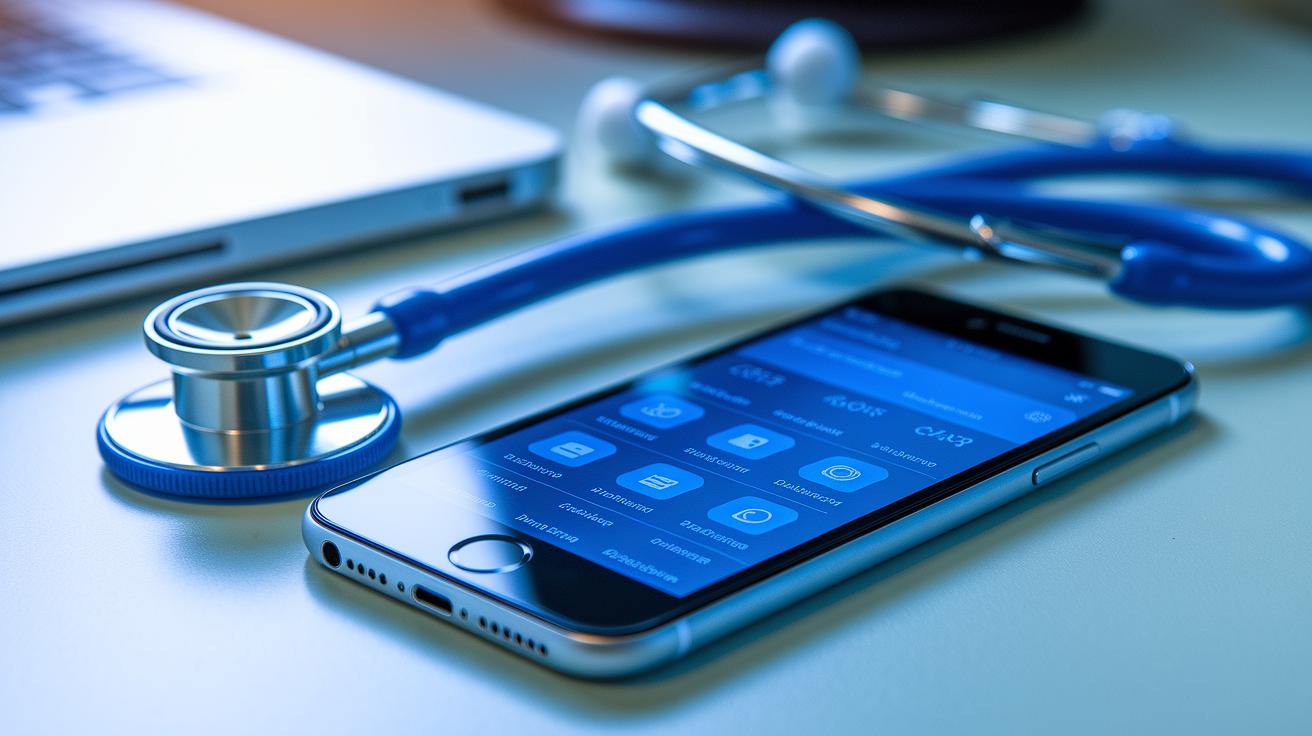
mHealth platforms bring together patient portals, telemedicine tools, and wearable devices to share health information in real time. Imagine your health data arriving like a secure message that gives you the calm assurance of quick review by a doctor. Smartphones, tablets, and activity trackers work side by side to collect both clinical details and everyday health data, helping guide care decisions.
Over 600 custom software solutions for more than 200 healthcare clients show just how much these systems can grow with your needs. They support many tools, like patient portals (think MyChart from EPIC), video visits using apps like Doximity, Zoom, or FaceTime, and even mobile fitness apps.
Cloud health services play a big role by giving teams quick access to data and safe, scalable storage. They turn incoming information into clear, actionable insights that doctors can use right away to make care choices.
Here's a quick look at what they do:
| What They Do | How They Help |
|---|---|
| mHealth platforms | Connect patient portals with telemedicine services |
| Health informatics systems | Collect and organize health data |
| Mobile device integration | Gathers real-time data from wearables |
| Cloud health services | Provide scalable storage and immediate access |
Together, these systems form a close-knit network that keeps patient care smooth and supports efficient workflows in clinics.
Integrating Mobile Health Platforms with Electronic Health Records
Mobile health tools work hand-in-hand with electronic health records to make care simpler for everyone. When your mobile health data flows directly into your health record, your doctor gets a clear, up-to-date picture of your well-being. Imagine checking your appointments, lab results, and secure messages all in one neat view, it feels like a friendly reminder that you’re always in the loop.
This connected system handles appointment scheduling, safe messaging, lab result viewing, medication refills, and even uploads data from wearables. For instance, you might see a note saying, "Your latest blood pressure reading has been uploaded from your wearable and reviewed by your doctor." Such details help doctors spot trends early and avoid repeating tests, so they can quickly decide on the best treatment.
Standards like HL7 FHIR (a set of rules that guide how health data is shared between systems) keep the information flowing smoothly between devices and records. By using these guidelines, mobile health platforms and health records work together with fewer delays and always meet important health rules.
In a nutshell, this smart integration means steady data flow, fewer repeated tests, and faster, better decisions. Overall, linking mobile health with electronic records creates a safer way to exchange information that helps both care teams and their patients.
Securing Patient Data in Mobile Health and Medical Informatics
Keeping your health information private is a top priority in mobile health and medical informatics. Mobile tools often handle details that need extra care. Laws like HIPAA (rules that protect your health information) and GDPR set clear rules on storing, sending, and viewing data. Data is scrambled with encryption to keep it safe, and multi-factor authentication makes sure only the right person can log in. Secure messaging also helps by ensuring that conversations between patients and providers stay private.
Recent security breaches have taught us the importance of strong cybersecurity plans and regular risk checks. By reviewing safety measures often, healthcare teams can quickly fix any weak spots. As more people use mobile health apps, these safeguards become crucial to keep your personal data secure. This careful approach builds trust among patients and healthcare providers, letting everyone use new health tools confidently while maintaining top standards for protecting your information.
Emerging AI and Wearable Technologies in mHealth Informatics
AI and machine learning are making mobile health tools smarter and more helpful. They quickly scan data from your smartphone and wearable devices to spot any potential issues. Imagine an app gently telling you, "Your heart rate just spiked unexpectedly; maybe it's time to relax or check in with your provider." It’s like having a caring friend remind you to take care of yourself.
Wearable sensors work like little health guardians, keeping an eye on your heart rate, activity, and sleep. They collect real-time data and let you know if something seems off. For more details, you might want to look into wearable tech for health. And don’t forget about smartphone-based tests , using your phone’s camera for quick vision checks or its microphone to listen to your breathing can sometimes replace a trip to the clinic.
Predictive analytics models add an extra layer of safety by watching for trends in your everyday data. They can spot early signs that something might be wrong and alert healthcare providers to take action. Think of an app that warns you with a message like, "Your sleep pattern changes could suggest stress or other underlying issues." This blend of AI and wearable sensors makes healthcare proactive, keeping you safe by anticipating your needs before problems grow.
Overcoming Implementation Challenges in Mobile Health and Informatics
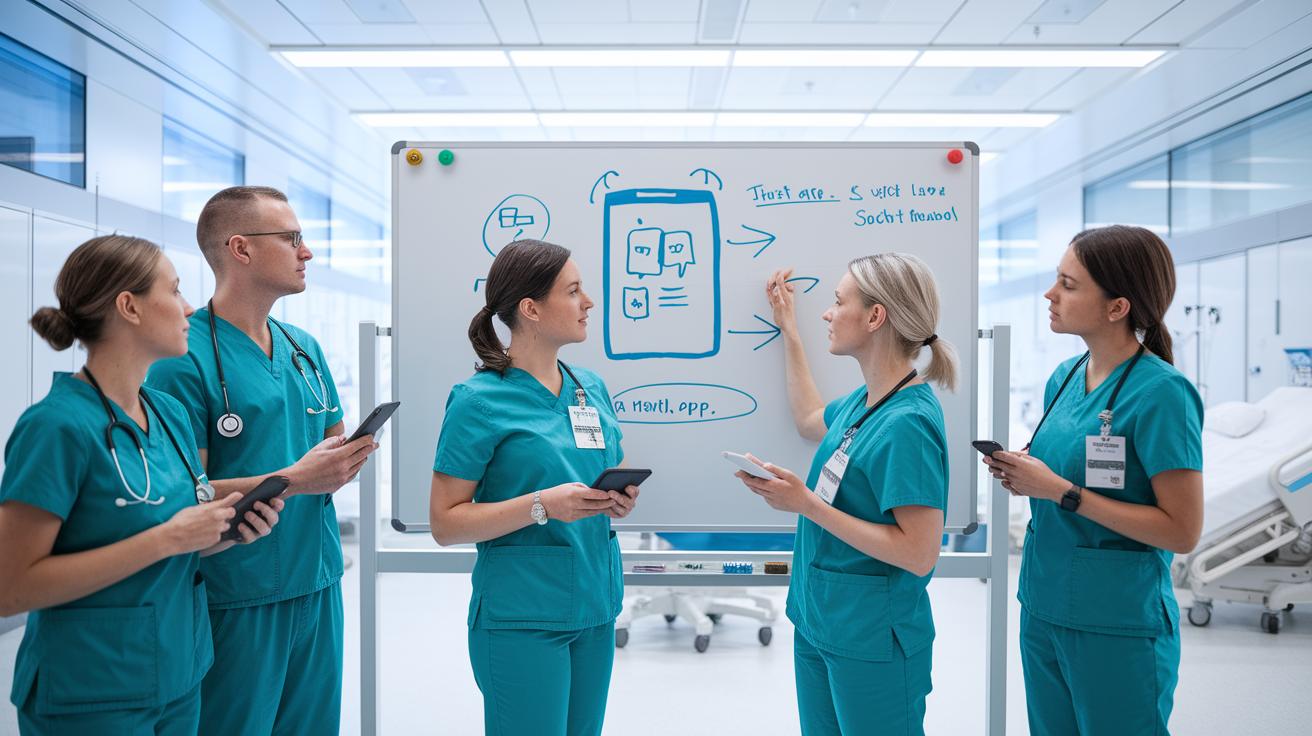
Many mobile health projects run into tough technical issues, challenges with staff training, and problems mixing new systems with older technology. Imagine a hospital that wants to add an app for care management; it might feel a bit overwhelming for the team.
Some programs, like the BHIS 522 course, show us how a careful, step-by-step approach can work wonders. First, you identify the problem. Then, you create a simple model, gather feedback, and finally roll out the solution. This clear process helps ease the tech hurdles.
Key strategies include:
| Strategy | Description |
|---|---|
| Standardized protocols | Clear, repeatable steps that everyone can follow |
| Stakeholder engagement | Listening to every team member to make sure all voices are heard |
| Phased rollouts | Introducing changes gradually so everyone has time to adjust |
Ongoing training and regular support help make these transitions smoother. As someone might say, "Embedding mobile clinical workflows into daily practice takes both understanding and practice." Using these methods can help streamline healthcare processes and improve remote care for chronic conditions.
Future Directions for Mobile Health and Medical Informatics
Mobile health is growing fast, reaching more people, including those in rural and hard-to-reach areas. Virtual consultations are becoming a trusted way for patients to talk with their doctors, and many care teams now use video calls for follow-ups and routine check-ins. By using insights from big data medicine, basically smart numbers that help guide care, teams can offer quick, personalized advice right when it’s needed.
Digital health is also bringing together everyday health apps, clinical platforms, and research networks into one smooth system. This mix helps create a full picture of a person’s health, making it easier for doctors to come up with the best treatment plans. Virtual visits can catch problems early, saving patients from extra trips to the doctor’s office. Plus, new tools like digital biomarkers (which are signs from your body), smart monitoring, and even virtual support for surgeries are making diagnostics more accurate and care more efficient.
All these changes are paving the way for smarter AI use, where data and technology work together to offer care that feels both empowering and caring. With these innovations, mobile health is set to change how we get care, making it quicker, more personal, and really focused on what patients need. Virtual consultations aren’t just a stopgap; they’re a glimpse into a future where care is interactive, informed by data, and built around you.
Final Words
In the action of improving patient outcomes, mobile health and medical informatics play a key role. We explored how smartphones, wearables, and secure data systems together help doctors provide better care. The blog stressed how these solutions streamline clinical workflows, boost patient engagement, and protect health information through strong cybersecurity practices. We also touched on the exciting potential of AI and integrated platforms to drive future care. Every step taken helps create a safe, connected, and efficient healthcare experience. Keep moving forward with confidence and optimism.
FAQ
Frequently Asked Questions
Is a health informatics degree worth IT?
The health informatics degree is valuable because it blends technology with healthcare to improve patient outcomes and protect sensitive data, opening up diverse career opportunities in IT-focused medical fields.
What is medical informatics in healthcare?
Medical informatics in healthcare is the use of digital tools to manage patient data and support clinical decisions, creating systems like telemedicine apps and electronic health records for secure information sharing.
Is mHealth the same as telehealth?
mHealth and telehealth share remote healthcare goals but differ in scope; mHealth focuses on mobile devices and apps, while telehealth covers all types of remote medical services, including video consults and online appointments.
What degree do you need for health informatics?
The degree needed for health informatics varies by role; many positions require a bachelor’s in health informatics, computer science, or a similar field, while advanced roles often prefer a master’s degree.

