
Have you ever noticed how jaw pain can make even small tasks difficult? TMJ syndrome can bring a lot of discomfort and even change your daily routine. You might hear clicking sounds, your jaw could feel like it’s locking, or you might have a steady ache. These signs are more common than you might think.
In this post, we share some simple ways to ease the pain quickly. We start with friendly check-ups and gentle exercises that can help you find relief. Soon, you can get back to enjoying the small moments in everyday life.
TMJ Syndrome Treatment Options: Feel Better Now
TMJ syndrome touches roughly 5% to 12% of adults. It can bring on jaw pain, stiffness, clicking sounds, earaches, headaches, neck pain, trouble chewing, and even moments when your jaw locks up. These issues might start in the joint itself or come from the muscles around your jaw. Some people experience a shifted disc or bone damage, while others just feel muscle pain in a specific area.
Getting a quick and complete check-up is very important for the right treatment. A doctor will often do a physical exam along with an MRI to see if your problem is coming from the joint or the muscles. Many times, they can look at everything in one visit, which means you can start treatment sooner. Early care can help keep your joint healthy and may lower chances of future flare-ups.
Here's a simple table that shows the differences between the two main types:
| Type of Disorder | Signs and Symptoms |
|---|---|
| Joint Problems | Shifted disc, bone damage, clicking sounds, jaw locking |
| Muscle Problems | Localized pain, muscle tightness, difficulty chewing |
Using well-tested methods for diagnosis sets the stage for a treatment plan made just for you. Options can range from gentle, noninvasive therapies to more advanced care. This approach helps you start feeling better now while working to stop further TMJ issues.
Targeted Exercises and Physical Therapy for Jaw Relief

Targeted exercises can help build strength and ease tension in your jaw, neck, and shoulders. Try adding nine simple moves to your daily routine. For instance, try the partial goldfish exercise: imagine slowly opening your mouth like a gentle goldfish, letting each muscle relax as you reach a soft limit. This controlled movement can ease discomfort and boost mobility.
In your routine, mix in both partial and full goldfish exercises. They mimic the smooth, easy opening of a goldfish’s mouth. The relaxed jaw exercise means you slowly open and close your mouth, keeping your teeth apart and your tongue gently pressed against the roof of your mouth. Picture it like this: slowly slide your tongue upward as you close your lips, and feel the tension melt away. It’s a simple way to ease muscle strain and help with TMJ symptoms.
Other useful techniques include chin tucks, resisted opening and closing, side-to-side movements, and holding your jaw forward for about 10 seconds. Each move is designed to stretch and strengthen the muscles around your jaw and neck. Always try to keep your jaw relaxed, imagine your tongue resting calmly on the top of your mouth as a reminder to stay loose.
Physical therapy sessions often focus on good posture and using biofeedback training to control muscle activity. Your therapist might even suggest online exercise programs to support your practice remotely. Also, try to take regular breaks from habits that tighten your jaw, and pair these techniques with gentle stretching throughout the day. With consistent practice, these exercises can lower pain levels and help you open your mouth wider, offering you more relief from TMJ discomfort.
Medications and Pain Relief Strategies for TMJ Discomfort
When TMJ pain flares up, the right medications can help reduce swelling, calm irritated nerves, and relax tensed muscles. For example, common pain relievers like ibuprofen lower inflammation and ease pain quickly. Muscle relaxants, like cyclobenzaprine, work fast so your jaw moves more comfortably. There are also some drugs that adjust nerve signals to control pain, though they are not a long-term cure.
Topical pain relief creams work right where you need them. They cool down the painful area, making everyday jaw movements a bit easier and smoother. Even though these treatments can help improve how your jaw moves and lessen pain, they don’t fix the root of TMJ problems.
It’s important to note that you might experience side effects such as feeling sleepy, stomach issues, or, if used too long, a chance of developing a dependency. Your doctor might suggest a short course of these medications to help your body heal, carefully adjusting the dose while watching for any side effects. Doctors design these treatment plans based on your unique health needs to keep your care both safe and effective.
Oral Appliances and Splint Therapy for Joint Stabilization
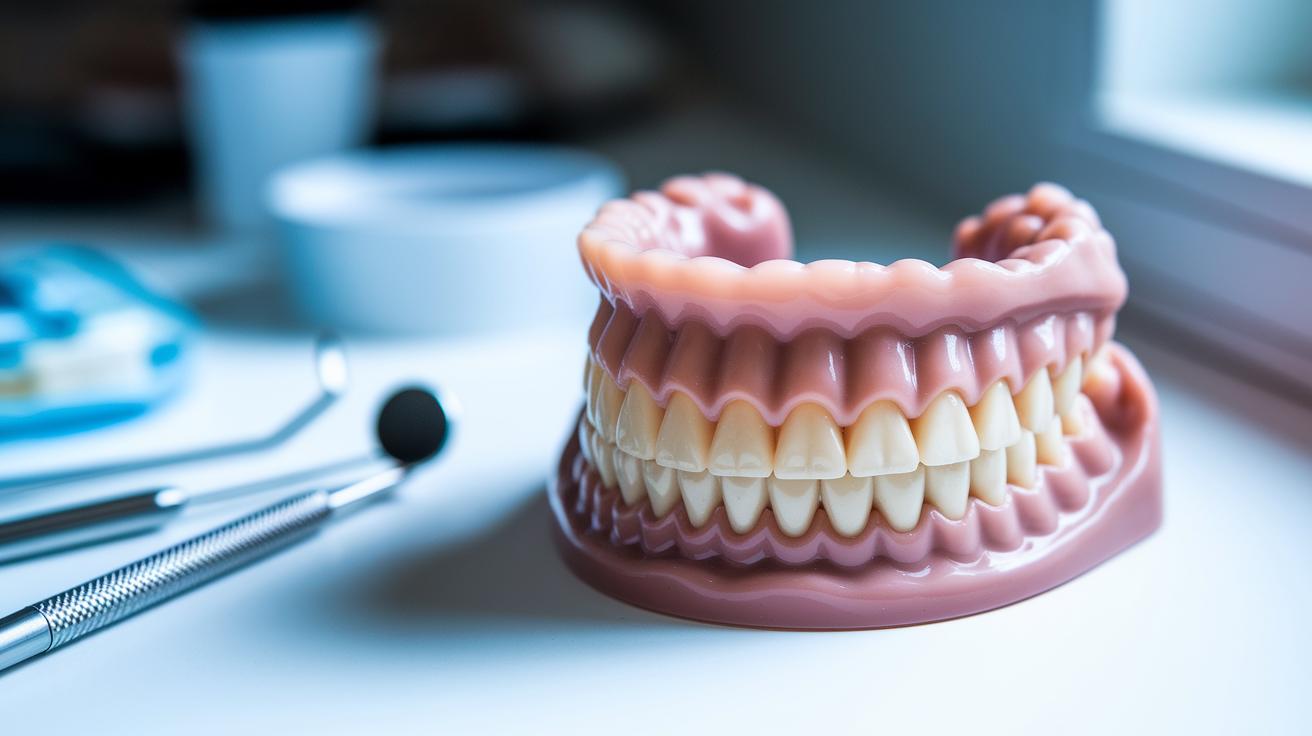
Oral appliances like custom bite guards and specially made splints work to ease the strain on your jaw joint and help with nighttime clenching. They’re shaped to snugly fit your mouth and gently cushion every bite, kind of like a soft barrier that tells your muscles to relax while you sleep. These bite guards spread out the chewing pressure evenly so no single area gets overloaded.
Often, these dental tools are used alongside orthodontic methods to adjust misaligned bites. When your teeth are in the right position, the pressure spreads out just like weights balanced on a scale. This helps reduce jaw tension and can lessen the chance of flare-ups. There are two main types of splints: stabilization splints and repositioning splints, both designed to support your jaw’s alignment and ease nighttime stress.
Using these devices at night can prevent habits like teeth grinding (bruxism) that strain your joint. Many oral pain specialists add them into your treatment plan, giving your jaw the rest it needs so you can start each day feeling a bit more comfortable.
Injection and Regenerative Therapies for TMJ Repair
Outpatient treatments now offer bright options to ease TMJ discomfort without the need for major surgery. For instance, a steroid injection with methylprednisolone helps lower swelling and makes it easier to open your mouth for about three weeks. Think of it as smoothing a wrinkle on a piece of paper, a small tweak that can really help.
Platelet-rich plasma (PRP) therapy is another method that uses a boost from your own blood. In this process, platelets are gathered to help mend hurt tissues, almost like sending tiny helpers to fix your joint. Research shows that PRP can help your joint work better and reduce pain.
AMPP® is another breakthrough treatment. It mixes regenerative cells taken from fat tissue with your PRP treatment. This combo works like a mini crew that rejuvenates your joint with fresh, active cells, kicking off the natural healing process.
Similarly, bone marrow aspirate concentrate (BMAC) uses stem cells from your bone marrow. These cells are then reintroduced into the joint to help it repair itself. All these treatments are done on an outpatient basis, so you can go home the same day and enjoy a less invasive experience.
Clinical reviews back these innovative therapies, offering a promising way to improve joint movement and lessen discomfort, all while steering clear of major surgery.
Surgical Interventions for Severe TMJ Dysfunction
Arthroscopy is a gentle procedure that lets doctors look inside and treat your joint using a tiny camera while you’re under general anesthesia. Imagine a small, precise tool acting like a little explorer, carefully checking and fixing any problem areas. This method is used to smooth out the joint surface and clear away any bits that block smooth movement.
Meniscoplasty is another option. In this procedure, the surgeon uses tiny sutures to reposition the joint disc. Think of it like carefully adjusting a door that isn’t hanging right. If the disc is too damaged, a procedure called meniscectomy or discectomy might be done. This means the problematic disc is taken out and, sometimes, replaced with a small fat graft from the abdomen, similar to swapping out a worn part in a machine to help everything run smoothly.
For more complex issues, especially when there are tumors or very unhealthy tissues, doctors may choose to perform tumor resection and reconstructive grafting. With this approach, they remove harmful tissue and rebuild the joint with grafts to restore correct alignment and function. This surgery is more extensive and is specially designed to fix major structural problems in the joint.
Total TMJ replacement is typically used when there’s severe wear or serious injury. In this surgery, the entire joint is replaced to help relieve pain and improve movement over the long term. Recovery and costs vary with each procedure. Procedures like arthroscopy usually lead to shorter recovery times and lower costs. In contrast, more involved surgeries might need longer healing periods and a higher investment. It’s important to talk with your healthcare team to consider these factors and decide on the best treatment for your unique needs.
Complementary and Alternative Therapies for TMJ Syndrome
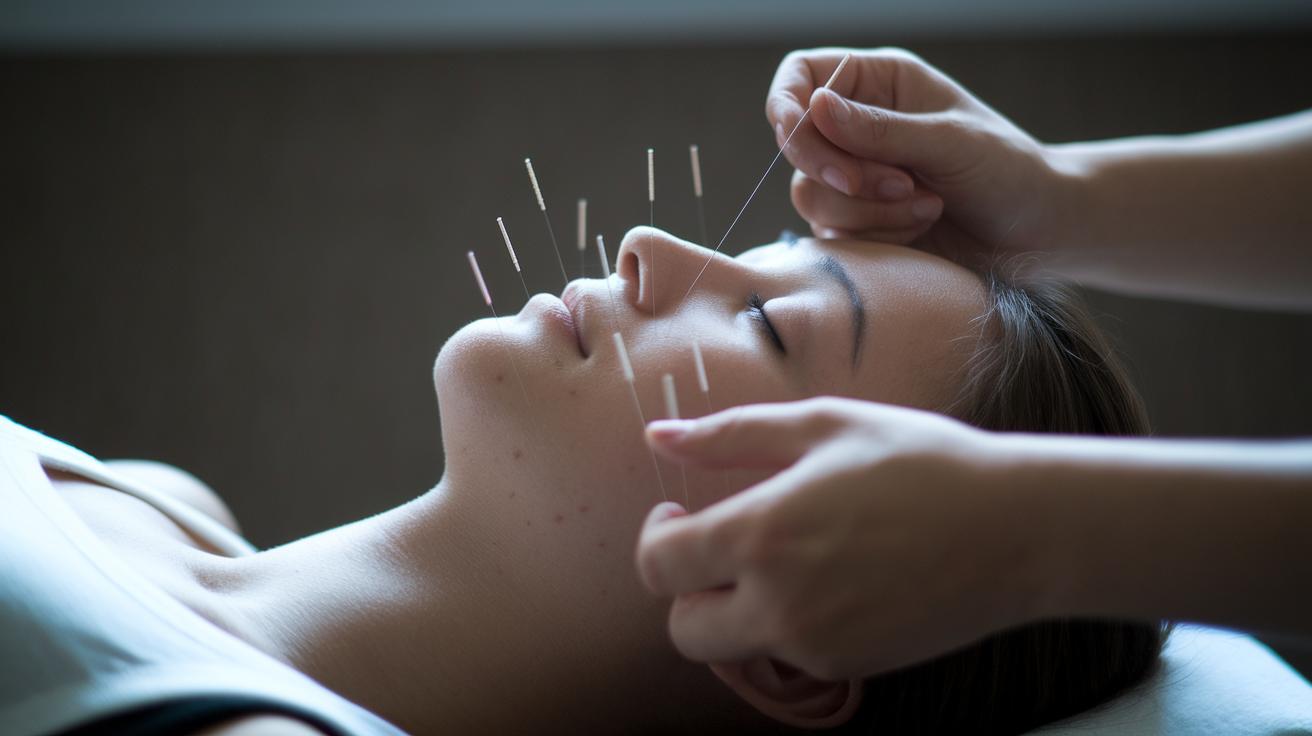
Acupuncture is a gentle way to ease tight muscles and lower pain. Imagine sitting quietly as a skilled acupuncturist uses tiny needles to help calm the tension in your jaw. It’s a subtle but effective method, almost like a quiet moment of relief for your body.
Chiropractic care works by adjusting the alignment of your spine and jaw. This can bring a natural balance to your body and lessen pressure on sensitive areas. It’s like giving your body the nudge it needs to feel more at ease.
Biofeedback training is another helpful option. It shows you how your muscles are working so you can learn to relax and avoid habits like clenching your jaw. Many people find that a few guided sessions lead to a more relaxed state during stressful times.
Stress-reduction techniques also make a big difference. Simple practices like meditation and gentle relaxation exercises can soothe your mind. Even small home remedies such as heat or cold packs, self-massage, or slight changes in your diet can reduce inflammation and support overall comfort.
- Acupuncture for easing muscle tension
- Chiropractic care for aligning the jaw
- Biofeedback sessions to reduce clenching
- Natural remedies to lower swelling
Each of these therapies brings a unique benefit to managing TMJ discomfort, creating a balanced approach to better health and more relaxed days.
Designing a Personalized TMJ Syndrome Treatment Plan
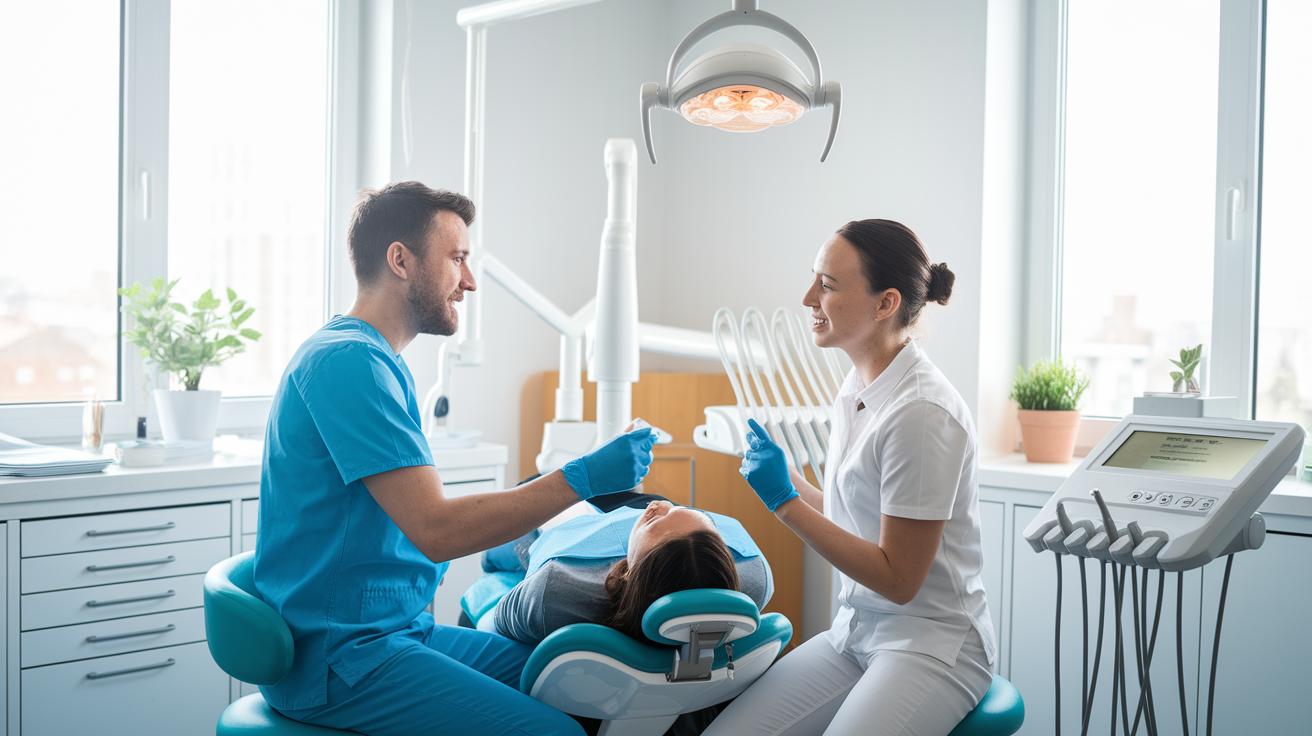
When it comes to TMJ, designing a treatment plan means working with caring experts like dentists, physiotherapists, and pain specialists. These professionals use a patient-first approach to make sure every step, from figuring out your condition to ongoing care, fits perfectly into your life.
Telemedicine offers a handy way to check in with your care team without leaving home. Imagine having a quick, online chat that adjusts your treatment just when you need it. Digital tools like apps and wearable sensors track your pain and progress in real time, letting your team tweak your therapy as you go.
Insurance-covered treatments also play a big role. Taking a close look at the cost and benefits of each option makes it easier to choose what works best for you. You might even get some face-to-face help from local specialists, and online support groups provide a space to share experiences and find comfort.
- A caring, multidisciplinary team boosts your chances of success.
- Telemedicine makes follow-ups super convenient.
- Digital tracking helps keep your treatment on the right path.
Starting your journey with an early, personalized plan and joining in on ongoing patient education can be a real game-changer for long-term TMJ relief.
Final Words
In the action of exploring comprehensive treatment methods, we showcased everything from diagnostic evaluations to personalized exercise plans, targeted medications, and advanced interventions. Each section provided clear insights into tmj syndrome treatment options, explaining how different approaches help manage symptoms and guide recovery.
The article broke down noninvasive therapies, dental devices, and surgical techniques in friendly, easy-to-understand terms. This balanced mix of evidence-based practices and flexible care plans serves as a solid guide for improving patient outcomes and securing better joint health.

