
Have you ever wondered if taking charge of ulcerative colitis could bring better days? Living with this condition can feel scary, but there are treatments that offer real relief. Medicines help by easing inflammation, small lifestyle changes can calm your gut, and sometimes surgery brings longer-lasting comfort.
In this article, we share simple tips for keeping flare-ups under control and helping you feel better every day. We talk about proven methods and maintain a hopeful outlook. By understanding these options, many people have learned to feel more secure and enjoy a steadier, happier life.
Understanding Treatment Options for Ulcerative Colitis
When you have ulcerative colitis, a type of inflammatory bowel disease that causes ongoing swelling in your digestive tract, there are several ways to help control symptoms and reduce flare-ups. The first step is usually medication. Medicines work to lower inflammation in your gut and ease discomfort. For example, aminosalicylates help keep your bowels working well for milder cases, while corticosteroids can quickly calm down more severe flare-ups.
Alongside your medicines, changes in diet and lifestyle play an important role. You might try a meal plan that avoids foods you know cause problems and instead focuses on nutrient-rich choices that help your gut heal. Keeping a food diary or adding probiotics can be really helpful. Many patients have noticed that small shifts in their eating habits brought about a sense of calm and fewer flare-ups.
If these treatments don't quite do the trick, surgery can sometimes be the answer for long-term relief. Although there isn’t a cure for ulcerative colitis, combining these different approaches helps many people live active and meaningful lives. Regular check-ups and tweaking your treatment plan as needed can make all the difference in how comfortable you feel day-to-day.
Anti-Inflammatory Medication Protocols in Ulcerative Colitis
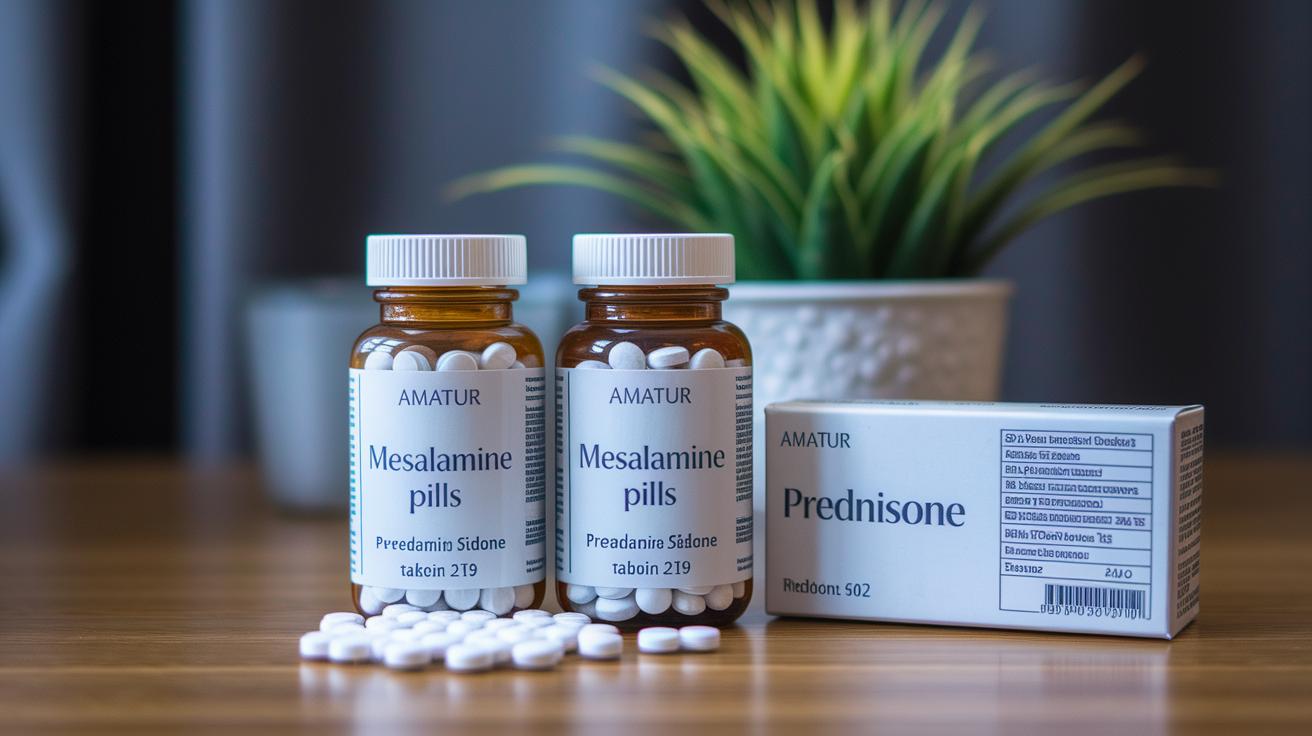
Aminosalicylates are usually the first step to help ease inflammation in the gut. Medicines like sulfasalazine and mesalamine come in both pills and rectal forms, making them perfect for calming swelling when the problem is mostly in the lower digestive system. Think of it like slowly untangling a tight knot until it loosens up and feels just a bit better.
When things get more serious, corticosteroids such as prednisone and budesonide step in. They work by reducing enzyme activity that can spark inflammation, helping to quiet the immune system during tougher flare-ups. Doctors also run routine tests, like checking your kidneys and liver enzymes every few months, much like how a trusted car gets regular check-ups to keep everything running smoothly.
| Drug Class | Examples | Indications | Monitoring |
|---|---|---|---|
| Aminosalicylates | Sulfasalazine, Mesalamine | Mild UC, distal disease | Renal panels every 2–3 months |
| Corticosteroids | Prednisone, Budesonide | Moderate–severe flares | Blood pressure, glucose checks |
Immunosuppressant Therapy Plans for Ulcerative Colitis
When ulcerative colitis becomes moderate or severe, or when patients rely too much on corticosteroids, doctors may add immunosuppressant drugs. These medicines, like azathioprine, 6-mercaptopurine, and cyclosporine, help ease an immune system that is mistakenly attacking the colon. You can think of them as a gentle way to slow down an overactive defense, helping your body regain balance.
Your doctor usually turns to these treatments when simpler ones don’t stop flare-ups. Before starting, they carefully review your medical history and current health to pick the right plan for you. Regular tests, such as complete blood counts and liver function checks every 8 to 12 weeks, are done to keep an eye on your progress. It’s a bit like getting routine maintenance for your car, ensuring everything runs smoothly and safely.
At the same time, your doctor weighs the benefits along with possible risks like bone marrow suppression or liver issues. This thorough check of pros and cons makes sure that the treatment not only eases symptoms and keeps the condition in remission but does so in a way that is safe for you.
Biologic Therapy Methods for Ulcerative Colitis
Biologics are modern medicines made from living cells that help your body manage inflammation gently. They work by adjusting the way your immune system reacts, almost like tuning a delicate instrument to keep things in balance.
For instance, anti-TNF agents such as infliximab and adalimumab block a protein called tumor necrosis factor-alpha, which fuels inflammation. Imagine a bustling city where a nonstop alarm keeps everyone on edge; infliximab acts like a calm manager who quietly switches off the alarm so that peace can return.
Then there are anti-integrin therapies like vedolizumab. These medicines act like a friendly traffic director, limiting the number of white blood cells that head to the gut and ensuring that fewer of them cause unwanted trouble.
Interleukin inhibitors, like ustekinumab, target the IL-12/23 pathways that play a big role in ongoing inflammation. Think of it as fine-tuning your radio so you only catch the music you love, leaving out the static that disrupts your day.
Biosimilars offer a cost-friendly option while still working just as well as the original biologics. It's similar to choosing a trusted version of your favorite meal without paying more just because of the brand name.
Continuous clinical trials keep updating our understanding, ensuring these therapies get even more reliable over time. It’s reassuring to have treatments that not only focus on reducing inflammation but also grow more dependable with every study.
Tailored Dietary and Lifestyle Management for Ulcerative Colitis
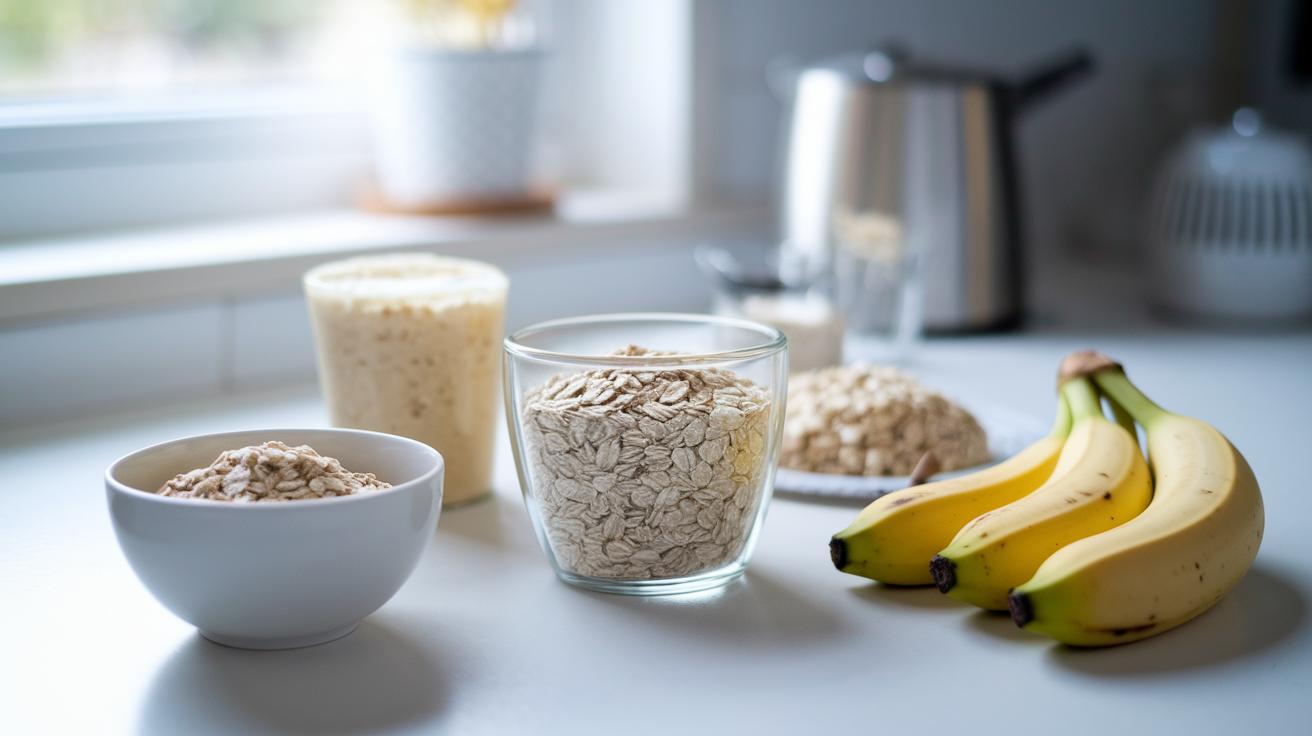
Good food choices and stress management, along with your medications, work together to ease ulcerative colitis symptoms and support healing. When your gut feels better, life can feel a little smoother. For example, during a flare-up, a low-FODMAP diet helps you dodge foods that may cause more discomfort, like choosing a calmer route when the weather turns rough. And when you're in remission, eating foods high in soluble fiber, such as oats and bananas, can gently help your colon recover. Keeping track of how you feel after meals gives you useful clues to tailor your diet to your needs.
Think of your diet as a handy toolbox, where every food has its own role. A food-trigger diary is like a personal journal that shows you which meals might spark a flare. Friendly probiotics work like little helpers in your gut, naturally rebalancing your system. Omega-3 fatty acids and vitamin D supplements act like a soothing balm, easing inflammation much like a cool drink on a hot day. Meanwhile, managing stress is key. Even spending 10 minutes on deep breathing or mindfulness can bring back a sense of calm, helping your mind and body settle down. And don’t forget, getting enough rest is important because steady sleep allows your body to repair and rejuvenate.
Below is a clear list to guide your dietary and lifestyle adjustments:
- Stick to a low-FODMAP plan during flare-ups
- Add more high-fiber foods like oats and bananas during remission
- Keep a diary to note any food triggers
- Take targeted probiotics daily
- Consider omega-3 and vitamin D supplements when needed
- Spend 10 minutes each day on mindfulness or deep breathing
- Maintain a regular sleep schedule
Surgical Interventions and Post-Operative Recovery in Ulcerative Colitis

When medicines no longer ease the discomfort or problems start to appear, surgery becomes a thoughtful next step for those living with ulcerative colitis. One trusted option is total proctocolectomy with ileal pouch-anal anastomosis, known as IPAA. This technique brings a long-term remission rate of over 90%, offering many a clear pathway back to feeling well. Many patients now choose a minimally invasive, laparoscopic approach which means smaller cuts, less pain, and a quicker return home, imagine a surgery that not only removes the problematic colon but also helps you get back to your life faster.
After the surgery, recovery is all about a steady, gradual healing process paired with a clear care plan. Most people take between 6 to 12 weeks to recover, carefully moving through stages with their diet and learning how to care for their new pouch. During this time, you’ll receive guidance on stoma care, learn how to track your hydration, and engage in gentle pelvic floor exercises. Every step in the process is designed to lessen discomfort while steadily guiding you back to your everyday rhythms.
| Attribute | Open Surgery | Laparoscopic Surgery |
|---|---|---|
| Incision Size | Large incision | Small incisions |
| Pain Level | Higher pain | Lower pain |
| Hospital Stay | Longer stay | Shorter stay |
| Recovery Time | Typically longer | 6–12 weeks |
Emerging Therapies and Personalized Care Strategies in Ulcerative Colitis
New developments are reshaping how we treat ulcerative colitis. Researchers are exploring ways to restore balance in the gut by using fecal microbiota transplantation, a process that introduces healthy bacteria to help calm the inflammation. Precision medicine is also on the rise, using tools like genomic biomarkers (biological clues within your DNA) to craft treatments that fit your unique needs, much like a tailor-made outfit. And there’s promise from small molecules such as JAK inhibitors (like tofacitinib) that work by gently targeting the immune system to lower inflammation.
Digital tools are joining the team too. With remote symptom tracking offered by digital health technology, patients and doctors can now watch over health status in real time. Plus, wearable devices are making it easier to keep an eye on vital signs, catching early hints of flare-ups so that care can be adjusted promptly.
Everyday health data from patient registries is lighting the way forward by showing us which treatments work best over the long term. This steady stream of real-world information makes it easier to balance safety with effectiveness and to tailor care more personally. With such promising advances, from boosting gut health with microbiome therapies to using precision medicine and digital monitoring, ulcerative colitis care is becoming more flexible and responsive, offering hope for better outcomes and a brighter future managing this condition.
Final Words
In the action of exploring treatment options for ulcerative colitis, we’ve covered a range of approaches, from anti-inflammatory and immunosuppressant drugs to biologics, tailored dietary plans, surgical interventions, and emerging therapies. This discussion highlights how each pathway supports a secure and well-rounded care plan that boosts patient quality of life. The steps detailed here guide both symptom management and long-term wellness. Each treatment option for ulcerative colitis reflects our commitment to clear, accessible healthcare communication, leaving us with a sense of progress and hope.
FAQ
Is there a permanent cure for ulcerative colitis?
Ulcerative colitis is a lifelong condition with no cure. Current treatments focus on reducing inflammation, controlling symptoms, and helping patients achieve lasting remission.
What is the latest treatment for ulcerative colitis?
Recent treatments use advanced biologics, JAK inhibitors, and precision medicine techniques that target inflammation while aiming to enhance quality of life.
What is the best medicine or remedy for ulcerative colitis?
The best treatment differs for each person and may include aminosalicylates, immunosuppressants, or biologics, with doctors tailoring therapy based on your specific needs.
What dietary strategies help manage ulcerative colitis?
A balanced diet, such as low-FODMAP meals during flares and high-fiber foods in remission, can ease symptoms. Keeping a food diary often helps identify personal trigger foods.
Are antibiotics used for colitis treatment?
Antibiotics might be considered if an infection is present, but they are not the main treatment for ulcerative colitis. Therapy generally centers on anti-inflammatory and immunosuppressant medications.
How is ulcerative colitis surgery performed and when is it needed?
Surgery is an option for cases not responding to medication or when complications develop. It usually involves removing the colon and restructuring the system to restore function.
What are the primary treatments for ulcerative colitis?
Primary treatments include anti-inflammatory drugs, immunosuppressants, biologic therapies, and sometimes surgery, with each approach selected based on disease severity and response.

