
Imagine if one simple click could help doctors care for you even better. It might sound surprising, but using everyday numbers to improve medical care is really making a difference. Think of smart digital tools that carefully sort through patient records and lab tests, highlighting the clues that matter most for treatment. With secure digital folders and safe links for remote care, doctors get clear hints that can help save lives. In short, turning ordinary data into useful insights brings a real promise for better care and healthier lives.
Core Components of Healthcare Analytics in Medical Informatics
Healthcare analytics blends two important areas: data science models and informatics systems. Data science models act like smart aides. They use techniques such as neural networks, logistic regression, and decision trees to sort through many numbers and notes. Imagine them as friendly helpers, pointing out clues that help doctors decide the best care. For instance, logistic regression can gently hint at the likelihood of a patient needing extra care – a prompt toward the right treatment.
Medical informatics builds the solid base for managing and collecting data. It sets up tools like electronic health records (EHR), telemedicine platforms, and health information exchanges (HIE). Think of an EHR as a secure, digital folder for each patient, and telemedicine as a trusted link that connects patients and providers. In short, digital health tech ensures that this vital information moves easily and securely from one system to another.
Next, take a look at this simple table to see how it all fits together:
| Data Source | Description |
|---|---|
| EHR | A digital place where patient records like labs, medications, and notes are stored securely. |
| Telemedicine | Remote consultations and health monitoring that bring care closer and faster. |
| HIE | Secure ways for hospitals, clinics, and insurers to share important health data. |
All these systems come together like a friendly neighborhood network, supporting healthcare partners and turning raw data into insights that can save lives. It’s truly a well-oiled machine where the trust and clarity of information pave the way for better patient care.
healthcare analytics in medical informatics sparks hope
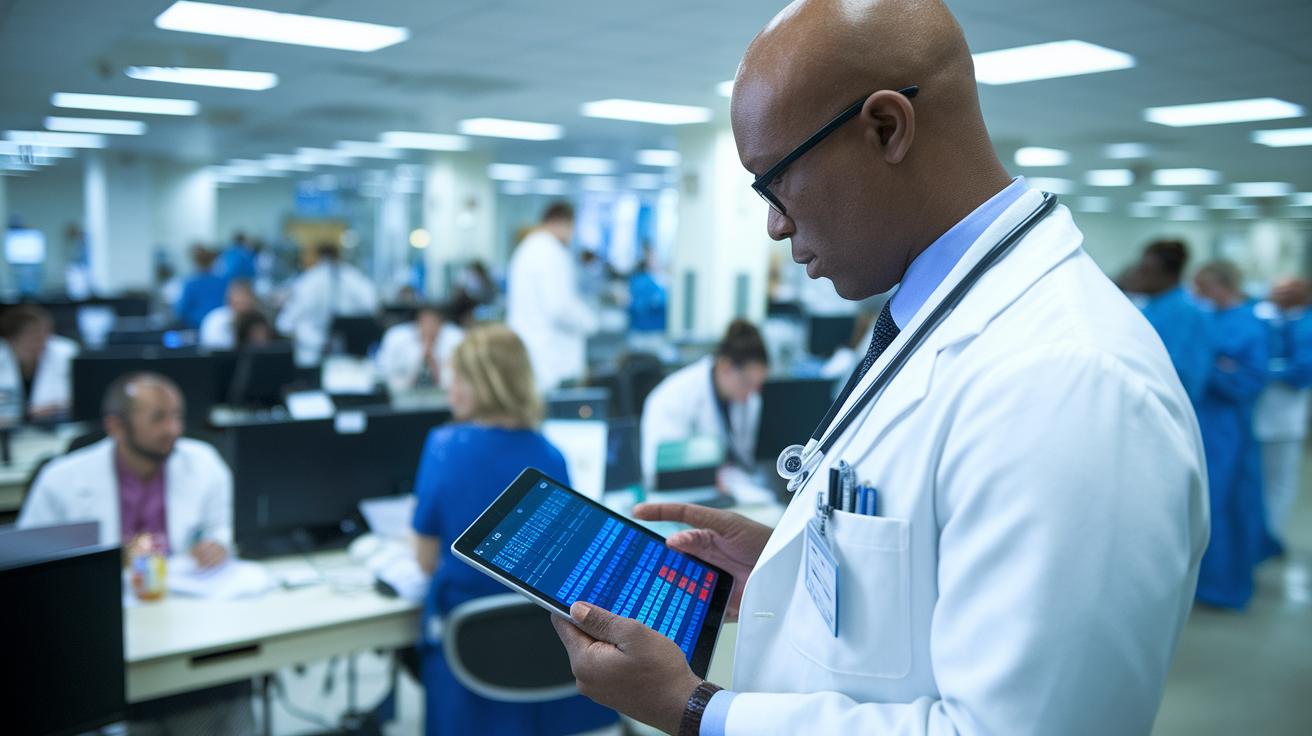
Electronic health records are like digital notebooks that keep track of patient labs, vitals, medications, and progress notes. Some details are neatly organized in tables, while others, like a doctor's observations or a patient's comments, come as everyday language. Tools like natural language processing help turn these casual notes into clear, useful data. For example, if a doctor writes, "The patient's symptoms evolved gradually over time," this tool can turn that free text into information that helps with care.
Telemedicine brings live updates from real-time consultations, and health information exchanges connect hospitals, clinics, and insurers so that data flows smoothly. This easy sharing of information helps doctors and nurses communicate better and make well-informed decisions about patient care.
Still, matching up all these details can be tricky. Hospitals sometimes record similar info in different ways, and even vital sign units may vary. Teams work hard to put these pieces together like a puzzle, ensuring each record fits just right.
| Data Type | Attributes |
|---|---|
| Structured Data | Information like labs, vitals, and medications recorded in organized formats |
| Unstructured Data | Free form details such as clinical notes and observations, turned into insights by natural language processing |
| Telemedicine Data | Live consultation records including video and chat, adding a dynamic aspect to patient care |
| Health Information Exchange Data | Data linking hospitals, clinics, and insurers, though sometimes challenged by varying standards |
Healthcare analytics in medical informatics sparks hope
Predictive Modeling for Patient Care
Predictive modeling turns everyday patient information into clear next steps. Techniques, like logistic regression and risk grouping, help teams plan resources and predict outcomes easily. For example, logistic regression might show that a patient has a 70% chance of needing extra care after surgery, much like a weather forecast tells you to carry an umbrella on a cloudy day. Cost-effectiveness models work with risk scores to ensure that care is both smart and secure. By organizing clinical details into risk levels, healthcare teams know who needs more help and when, converting raw data into life-saving care plans.
Machine Learning Applications in Care
Neural networks and deep learning are making diagnoses more accurate. When looking at X-ray images, a deep learning model can spot tiny changes that hint at early stages of a condition, similar to noticing a small shift in a familiar pattern. Natural language processing, or NLP, helps by changing free-form doctor notes into clear data. For instance, if a doctor writes, "Patient has been feeling unusually tired lately," an NLP tool can pick up on that and suggest a closer look. This smart approach finds hidden trends that might be missed, guiding better treatment choices.
Together, these advanced analytics methods work side by side. Predictive modeling narrows down patient risks and fine-tunes care plans, while machine learning and NLP reveal deeper insights in images and text. Their teamwork boosts diagnostic accuracy and makes everyday care more efficient, ensuring healthcare teams feel secure and ready to deliver hope-inspiring, targeted care.
Clinical Decision Support Enabled by Healthcare Analytics in Medical Informatics
Interactive Dashboards and Alert Systems
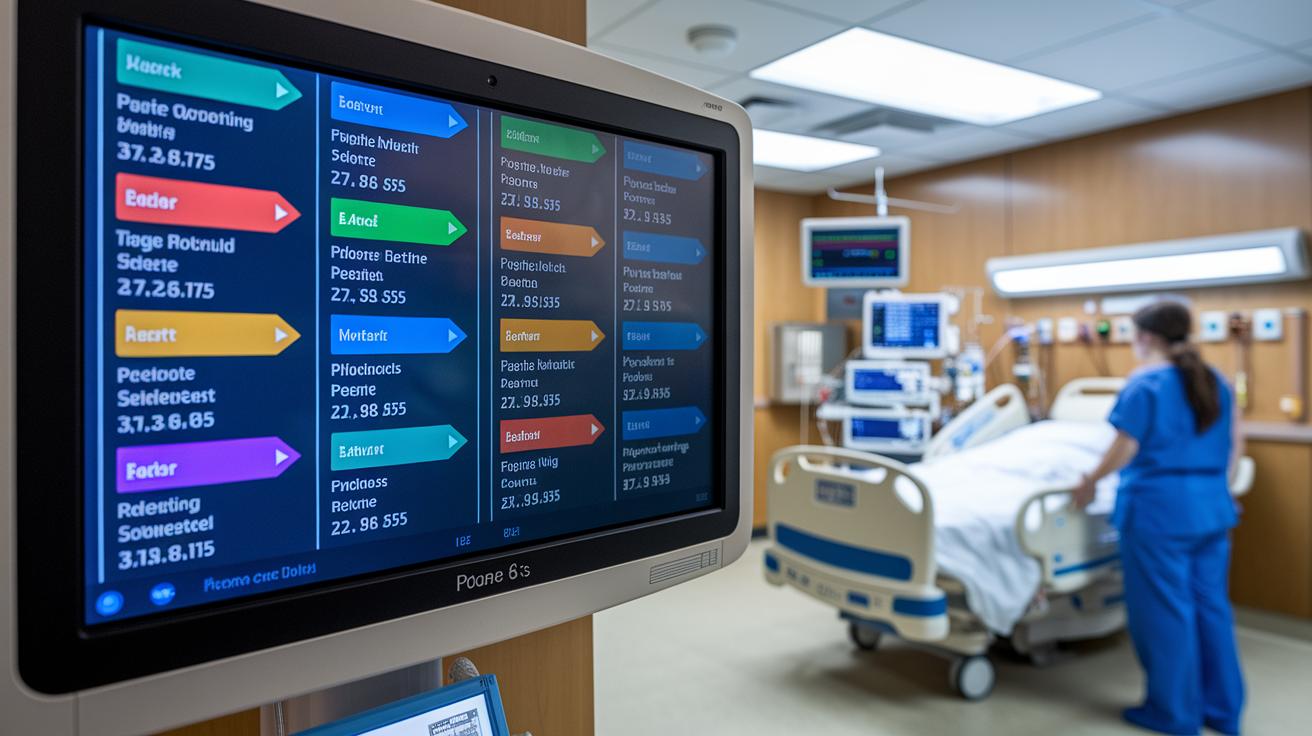
Imagine a clear, easy-to-read dashboard that keeps an eye on patient information in real time. These dashboards blend simple design with live data to help clinicians quickly see how a patient is doing. They use color signals to show different health statuses, blue means things are calm, yellow hints at a small change, and red signals that immediate help might be needed. This system checks incoming lab results and vital signs based on clear rules, alerting the care team when something seems off. Believe it or not, one dashboard alert once warned a nurse about dropping oxygen levels, which led to a quick intervention that stopped a serious problem.
Case Study: EHR-Driven Clinical Decision Support
One hospital decided to mix an alert system into its electronic health records. They used a smart dashboard that showed patient data with easy-to-understand color alerts. When a patient's condition started to subtly change, a clear alert popped up, prompting the team to take a closer look right away. This simple, yet effective method helped the team catch issues sooner, even noticing small shifts in heart rate and blood pressure before things grew worse. By pairing real data insights with timely alerts, care providers found themselves better equipped to focus on what matters the most, patient well-being.
Population Health and Surveillance via Healthcare Analytics in Medical Informatics
Every day, wearables, remote monitoring gadgets, and mobile health apps add a new layer to our public health puzzle. These devices send real-time data, letting experts quickly see trends and spot potential health issues. Imagine your smartwatch quietly suggesting, "I noticed an unusual heart rate, maybe it's time to check in with your doctor." It's a small moment that contributes to a much bigger picture.
When data from many devices is combined, public health specialists can predict possible outbreaks and see if new health programs are working well in communities. Clear, steady data from lots of users helps build a detailed view of overall health trends. This means we can catch early signs of a problem or celebrate small wins from new health efforts.
| Highlights |
|---|
| Wearables and mobile apps continually share patient information. |
| Remote monitoring tracks changes over time to guide community health strategies. |
| Analytics tools compare data across areas, showing where help is needed most. |
This blend of technology and traditional health information gives public health leaders the confidence they need to act smartly. Turning vast amounts of device data into clear insights means we can better predict trends, protect our communities, and improve everyday health for everyone.
System Integration and Interoperability in Healthcare Analytics within Medical Informatics

One vital part of smooth healthcare insights is linking many different systems. Hospitals, clinics, and insurers use common formats like HL7 and FHIR (standards that help data move safely) to share important details such as lab results and medicine lists without any snags.
We also rely on middleware and APIs as bridges between separate electronic health records. These tools connect different databases to smart analytics engines, so updates can be seen right away. Picture a busy clinic where any change in a patient’s record is sent straight to a main system that quickly flags urgent issues. This kind of connection helps teams make faster choices and keeps everyday work running smoothly.
Data harmonization tools play a big role too. They turn various data formats into one simple language that every application understands. Even when information comes from many sources, it all fits together to build a clear view of patient care.
These interoperability solutions make it possible for different technologies to work hand in hand. By connecting systems that used to work on their own, healthcare providers enjoy a steady flow of information. This teamwork not only boosts accurate analytics but also lays the groundwork for safe and coordinated care among all partners.
Governance, Privacy, and Regulatory Aspects of Healthcare Analytics in Medical Informatics
Patient privacy always comes first in healthcare analytics. Every bit of data used in research or care must follow privacy rules like HIPAA (healthcare privacy rules) and GDPR (European rules that protect personal data). One key method is data anonymization, where we remove names and other identifying details. Imagine a patient record that’s been carefully scrubbed of personal info, just like a puzzle piece that only shows trends. That’s how data anonymization works.
Securely sending information is just as important. Think of modern technology as a trusted courier delivering a sealed envelope. Using secure channels means healthcare providers share sensitive records without exposing personal details.
Good governance helps keep data handling safe and clear. With structured guidelines and audit trails, everyone knows who can see the data and how it's used. Regular training makes sure the whole team understands their role in protecting patient information. Plus, patient consent management lets individuals decide how their data is shared, making sure everyone’s rights are respected.
Policy makers remind us that protecting privacy while improving research isn’t optional, it’s a responsibility. Combining ethical standards with modern technology builds a system where both patients and providers feel safe.
Emerging Trends and Future Directions in Healthcare Analytics within Medical Informatics

Healthcare analytics in medical informatics is opening new doors with a focus on precision care using genomic sequencing to tailor treatments just for you. With precision medicine, doctors can study your genetic details to choose the best therapy possible. Imagine a tool that reads your genes like a personal map, guiding you toward better health. Not only does this method boost treatment success, it also builds your confidence in using technology for care.
Artificial intelligence is moving forward at an impressive pace, too. Smart surgical robots and intelligent models are becoming stars in the field. At the Hamlyn Symposium on Medical Robotics in June 2025, experts showed how these clever robots support surgeons by learning from ongoing data. It’s reassuring to see AI work side by side with healthcare professionals, offering careful, data-based help during challenging procedures.
Research into deep learning is driving a fresh wave of innovation in informatics. Experts from computer science, medicine, and engineering are teaming up to better understand patient data. This friendly collaboration mixes tried-and-true clinical wisdom with the latest tech breakthroughs. Picture an AI algorithm that catches even the tiniest change in a medical scan, just like a watchful friend who alerts your care team early. These smart, forward-thinking steps promise a future where data and sensitive technology come together to create a safer, more caring healthcare environment.
Final Words
In the action, this post walked through the core components of healthcare analytics in medical informatics. It explored data collection methods, advanced analytics techniques, clinical decision tools, population health insights, system integration, and governance. Each section showed how modern tools help streamline patient management and guide informed healthcare decisions. We see how even challenging regulatory requirements can be met while driving better clinical outcomes. Together, these insights build a strong foundation for secure and forward-thinking digital health practices centered on healthcare analytics in medical informatics.
FAQ
What is healthcare informatics and analytics?
The field of healthcare informatics and analytics combines data science methods with centralized systems like electronic health records and telemedicine, helping professionals extract insights that boost patient care and operational efficiency.
What are the salary prospects and job roles in health informatics and data analytics?
The healthcare informatics and data analytics field offers competitive salaries that vary with experience and skills, with roles ranging from data analysts to health IT specialists who improve patient outcomes.
What is data analytics in healthcare and why is it important?
Data analytics in healthcare uses statistical and machine learning techniques to extract insights from clinical data, directly supporting improved decision-making, targeted treatments, and overall better health management.
What is data analytics in Nursing Informatics?
Data analytics in Nursing Informatics applies techniques to clinical data collected by nurses, helping uncover trends in patient care that lead to smarter decision-making and enhanced nursing practices.
What are the current trends in health informatics and modern healthcare engagement?
Current trends in health informatics include enhancing electronic health records, integrating telehealth, and using real-time dashboards, all designed to streamline processes and improve the overall quality of care in healthcare units.
What does a health informatics analyst do?
A health informatics analyst examines data from multiple healthcare sources, uses statistical tools to detect trends, and creates dashboards that aid in timely decisions and better patient treatment planning.
What is healthcare data analytics?
Healthcare data analytics is the process of using statistical models and machine learning to study patient and clinical data, providing key insights that support evidence-based decisions and improved health outcomes.
What are the four types of data analytics used in healthcare?
The four types of data analytics in healthcare include descriptive analytics (what happened), diagnostic analytics (why it happened), predictive analytics (what might happen), and prescriptive analytics (how to act), all working together to guide care strategies.

