
Have you ever wondered if a short survey could change your healthcare experience? Patient reported outcomes measures, or PROMs (which are simple surveys that let you share how you really feel), help your doctor see the whole picture. They do more than just show basic test results by adding your personal touch to treatment. In this post, we chat about how sharing your own words can give your doctor the insight needed to create care that truly makes a difference.
Patient Reported Outcomes Measures: Elevate Care Impact
Patient Reported Outcomes Measures, or PROMs, are easy-to-use surveys that let patients share how they really feel about their health, quality of life, and specific symptoms. In plain terms, these tools give you a simple way to tell your doctor about your physical, mental, and social well-being.
They can be used at different times during your care. You might fill one out while you're being treated or before and after a procedure. For example, sharing how much pain you feel before surgery and then again afterward helps your doctor see how well your treatment is working.
PROMs connect the dots between regular medical tests and your personal story. They add a human touch to your health records, so care isn’t only about test results. Imagine finishing a visit and getting a quick survey that asks, “How do you feel today compared to last week?” It’s a friendly check-in that tracks your progress in your own words.
By mixing everyday health details with what you tell them, doctors can create better care plans and policies. This approach keeps the focus on what really matters, helping you feel better and making healthcare decisions clearer for everyone.
Common Patient Reported Outcomes Measures and Instruments

PROM instruments come in different types, each helping us learn more about how patients feel. They are grouped into three main types: generic measures that look at overall health, disease-specific tools for particular conditions, and adaptive formats that adjust questions on the fly.
Generic measures give us a broad picture of someone's health and quality of life. For example, the SF-36 survey looks at both physical and mental health, making it useful in many clinical settings. The EQ-5D checks important areas like mobility and pain so that a wide range of patients can benefit from it.
Disease-specific tools zoom in on symptoms tied to specific conditions. Take WOMAC, which focuses on pain, stiffness, and everyday movement for those getting hip or knee surgery. Another tool, KOOS, targets knee issues and quality of life, giving valuable details that help doctors plan better care.
Adaptive formats bring a modern twist to care reporting. Tools like PROMIS CATs change their questions based on a patient’s answers. This approach makes the evaluation of physical, mental, and social health both quick and complete. They even come in different versions for adults, children, and proxy reports, and are available in several languages, so everyone can share their health story in a way that feels right.
| Instrument | What It Measures | Who It’s For | How It’s Given |
|---|---|---|---|
| SF-36 | Overall physical and mental health | Adults | Self-reported questionnaire |
| EQ-5D | Mobility, self-care, usual activities, pain/discomfort, anxiety/depression | General population | Paper or electronic survey |
| WOMAC | Pain, stiffness, physical function | Patients undergoing hip or knee procedures | Self-report tool |
| KOOS | Knee symptoms and quality of life | Individuals with knee concerns | Questionnaire |
| PROMIS CATs | Physical, mental, and social health | All ages, including proxy reports | Computer adaptive testing on digital platforms |
Methodology and Validation of Patient Reported Outcomes Measures
PROM tools are created with clear steps so that the data you share truly reflects your health experience. One trusted system, PROMIS, uses modern methods like item response theory for smart tests that adjust with each answer and T-score mapping so findings are easy to understand. This means each question changes based on how you answered before, making the survey both quick and very accurate.
The design begins with item generation, where experts work with patients to find questions that really matter. For example, when asking about pain, they choose words that feel natural, like asking, "How much does a headache affect your day?" to get real insight.
Next, cognitive testing makes sure every question is clear and feels right. Sometimes you’ll see a question reworded so it sounds natural and simple to understand. Then, pilot testing checks that the survey works in real life and that the questions give useful answers. Finally, psychometric analysis confirms the tool truly reflects patient experiences by checking its accuracy and its ability to catch changes over time.
| Step | Purpose |
|---|---|
| Item generation | Find patient-focused questions |
| Cognitive testing | Make questions clear and relatable |
| Pilot testing | Ensure the survey works well |
| Psychometric analysis | Check accuracy and sensitivity |
These careful steps, backed by national standards and guidelines, build trust and consistency in how patients report their health. With this thoughtful design, every survey reliably mirrors your true health experience.
Clinical Applications of Patient Reported Outcomes Measures
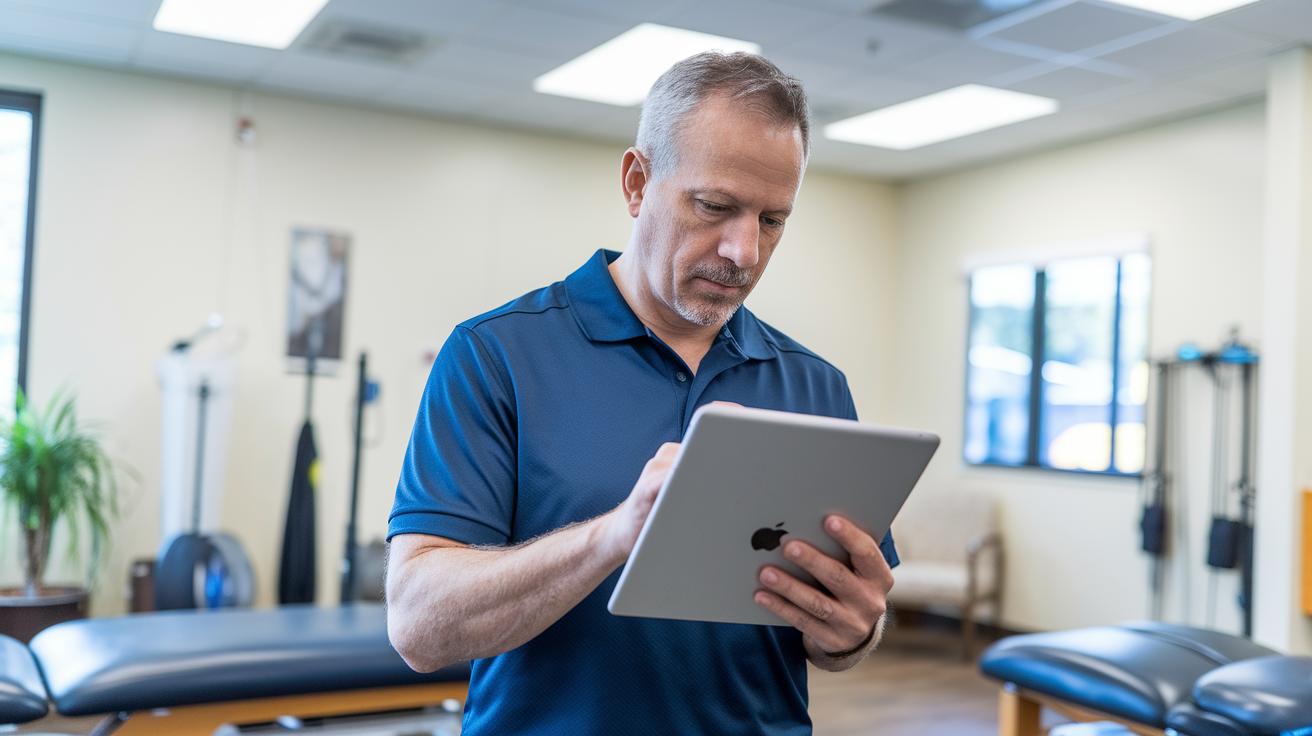
Patient reported outcomes measures (PROMs) are very important in many parts of care. They aren’t just a set of survey questions, they’re practical tools that show how patients really feel during recovery or routine check-ups. With digital methods like the NIH Toolbox iPad App and the Assessment Center API, doctors can get real-time updates. Imagine finishing a physical therapy session and quickly answering a few questions on an iPad, letting your therapist know if your movement is getting better compared to your last visit.
PROMs are especially helpful after surgeries. When you have a hip or knee surgery, these surveys are given before and after the operation. This means your doctor can easily see how much pain you’re in and track how well you’re moving as you recover. It’s much like checking a progress report that highlights what you’re feeling, which helps guide treatment choices.
In clinical trials, PROMs are vital because they capture how a treatment works from your own point of view. By adding details about patient satisfaction and overall health, they give a fuller picture than lab tests or imaging alone. For example, a study might use a PROM survey to see how a new medication affects your daily life, showing benefits that blood tests might not reveal.
PROMs also support physiotherapy by regularly checking how well you perform everyday activities. With your feedback, therapists can fine-tune exercise programs to fit your needs better. This smart, digital integration means treatment decisions are made quickly and accurately.
| Changes in recovery before and after surgery |
| Progress in rehabilitation programs |
| Clear outcomes in clinical trials |
These real-life examples show how PROMs bridge the gap between standard medical data and what you truly experience. This approach makes treatments more flexible and centered on real, personal well-being.
Benefits and Challenges of Patient Reported Outcomes Measures
PROMs really help boost care by giving us a clear look at how patients feel and how their symptoms show up in everyday life. They capture details that go far beyond what lab tests or imaging can show. For example, one patient might say, "I can now enjoy playing outside with my grandkids with much less discomfort." This kind of honest feedback helps doctors tailor care plans that truly meet patients’ needs.
PROMs also play a big role in shaping health policies. They spotlight areas where care can improve so that health programs are designed based on what people really need. This patient-focused information makes tracking progress easier and decisions more grounded in real-life experiences, leading to:
| Benefit | Description |
|---|---|
| Better Care Planning | Tailoring care plans using real patient experiences |
| Progress Tracking | Keeping an eye on treatment improvements from daily feedback |
| Informed Decision-Making | Guiding health programs and policy adjustments with solid data |
There are a few bumps along the road, too. We need standardized guidelines to keep surveys consistent in different settings. It's also a real effort to adapt these tools for various languages and cultures. Sometimes the extra work of administering the surveys can slow down processes, and merging them with existing health IT systems demands careful planning to ensure data stays accurate. In truth, making sure digital tools work smoothly with current systems is key for sustaining reliable data in both daily care and research.
Digital Platforms and Future Trends for Patient Reported Outcomes Measures

Digital tools are making it easier to collect and use patient information every day. Tools like the PROMIS Assessment Center API and the NIH Toolbox iPad App help gather data quickly and securely. Imagine filling out a survey on your smartphone at home, with your answers sent safely to your health provider in real time. This means doctors can see your progress more clearly and respond faster.
Mobile survey apps are also becoming a favorite for people reporting their daily health from home. For example, you might answer a few check-in questions about how you feel compared to yesterday. Meanwhile, remote tracking tools work with patient portals that let you review your own data or share it with family and care teams. These smart digital solutions are often supported by handy checklists and data sets found in the Tools and Data Resources sections on many websites.
Reports like Mirror, Mirror 2024 show how policies from different countries are shaping patient care, which reminds us of the importance of working together around the world in research. For more insights into new survey apps and data integrations, check out Health Informatics Trends. This steady digital progress is paving the way for patient care that is more connected, responsive, and secure.
Final Words
In the action of examining patient reported outcomes measures, we explored feedback tools that capture health status, quality of life, and functional abilities. Our article walked through key instruments, the steps to validate these tools, and their use in clinical workflows to boost clear data sharing. We also looked at digital platforms that simplify the integration of patient data while upholding security. Positive gains in healthcare communication feel within reach as these measures continue to refine care and empower informed decision-making.
FAQ
Q: What are patient-reported outcomes measures?
A: The patient-reported outcomes measures are survey tools that capture patients’ views on their health, including quality of life, symptoms, and daily functioning to support clinical decision-making.
Q: What are some examples and lists of PROM questionnaires?
A: The PROM questionnaires include examples like SF-36, EQ-5D, WOMAC, and KOOS, available in pdf or digital formats, that measure various aspects of health and patient quality of life.
Q: What are the types of patient-reported outcome measures?
A: The types of patient-reported outcome measures include generic tools, disease-specific questionnaires, and computerized adaptive tests that tailor questions to individual responses for better accuracy.
Q: What are patient-reported outcome measures tools?
A: The patient-reported outcome measures tools are standardized questionnaires used in paper or electronic formats to collect patient feedback on health status, treatment impact, and overall well-being.
Q: What is a patient recorded outcome measure?
A: The patient recorded outcome measure refers to information provided by patients about their symptoms, functional status, and treatment effects, captured through structured surveys during clinical care.
Q: What are the PT outcome measures and their role in physiotherapy?
A: The PT outcome measures assess pain, mobility, and functional improvement in physiotherapy, guiding treatment plans and tracking progress through standardized patient feedback tools.
Q: What are measurable patient outcomes?
A: The measurable patient outcomes are quantifiable health changes, like reduced pain or improved mobility, tracked by PROM tools to evaluate the effectiveness of treatments and interventions.

