
Ever thought about how the right foods might brighten your day? Imagine starting your morning with a bowl of fresh fruits, a lean protein for fuel, and a cool glass of water that wakes up your body from the inside out. When you choose whole foods instead of processed snacks, you give your cells a chance to repair themselves and keep your muscles strong. In this post, we share simple nutrition tips that boost your wellness and help you feel vibrant with every bite. Ready to see how little changes on your plate can bring big boosts in energy, mood, and overall well-being?
Key Nutrition Guidelines for Boosting Wellness
Eating a balanced diet full of whole foods like fruits, veggies, lean proteins, and extra virgin olive oil builds a solid base for your energy, mood, and overall well-being. When you choose nutrient-packed foods instead of processed ones, your body gets the help it needs to repair cells and keep your muscles strong. Picture starting your morning with whole eggs or a bowl of fresh berries and yogurt, each bite fills you with proteins, antioxidants, and vitamins to keep you feeling lively all day.
Choosing whole foods is also about making smart, tasty choices that give you steady energy and help your tummy work well. Foods with prebiotic fibers from veggies and whole grains can boost your immune system and make your gut smile. Focusing on balanced meals helps set a natural rhythm in your day that builds long-lasting energy and a positive outlook.
Here are some easy tips to avoid common nutrition pitfalls:
- Avoid sugary drinks like sodas, fruit juices, and sweetened teas, since they add extra sugar and empty calories.
- Skip ultra-processed foods that bring extra sugars, refined oils, salt, and preservatives, which can take away from the benefits of whole foods.
- Check in on your food choices sometimes by tracking calories, proteins, fibers, and key nutrients to fine-tune your diet over time.
For everyday changes, try swapping a can of soda for a glass of water with a squeeze of lemon or a few cucumber slices. Using smaller plates or portioning out snacks can also help keep servings in check. Little, thoughtful steps like these make it easier to stick with a balanced, whole-food diet that shines health from the inside out.
Hydration Enhancement Tips for Optimal Wellness

Water is key to keeping your body happy and healthy. It helps with digestion, moves nutrients to your cells, and keeps your body at the right temperature. Imagine that refreshing splash of water on your face after a long day, it’s a gentle way to feel reset and calm.
Most experts say you should drink about 8 to 10 cups of water each day. Of course, this can change if you're active or if the weather is hot. Drinking water slowly throughout the day can boost your energy, help you think clearly, and leave you with a healthy glow. It's like giving your body a steady stream of support.
You might enjoy adding a slice of lemon or cucumber to your water for a twist of flavor. Keeping a reusable bottle with you can serve as a handy reminder to drink more often. And by swapping out sugary drinks for water, you help keep your blood sugar steady while taking good care of your body.
Nutrient-Rich Meal Planning Strategies for Lasting Energy
Planning your meals ahead of time means you can enjoy steady energy all day. It helps balance your nutrients while you savor fresh, whole foods. With a little planning, like the ideas in Balanced Diet Meal Prep Ideas, you’re set to create meals packed with protein, fiber, and healthy fats, and you even get to enjoy seasonal produce at its best. This simple method makes your day easier and helps you stick with recipes that keep your energy up.
| Meal | Key Nutrients | Wellness Benefits |
|---|---|---|
| Breakfast | Protein, Probiotics, Antioxidants, Fiber, Complex Carbs | Kicks off your metabolism and boosts your morning energy |
| Lunch | Omega-3, Vitamins, Minerals | Nourishes your cells and supports heart health |
| Dinner | Lean Protein, Fiber, Phytonutrients | Helps repair muscles and keeps energy steady |
| Snack | Protein, Fiber, Healthy Fats, Vitamins | Keeps energy levels steady and curbs hunger |
Customizing these meal ideas is really easy. Try different ingredients to match your taste and nutrition needs. For example, you might switch mixed greens for a fresh, seasonal vegetable mix or choose a dairy-free yogurt alternative if that suits you better. Embracing a flexible approach not only keeps your meals exciting but also builds a lasting habit for staying healthy. A well-planned day of meals can be your secret tool for keeping energy high, supporting digestion, and nurturing your overall well-being.
Leveraging Antioxidant and Anti-Inflammatory Foods in Nutrition
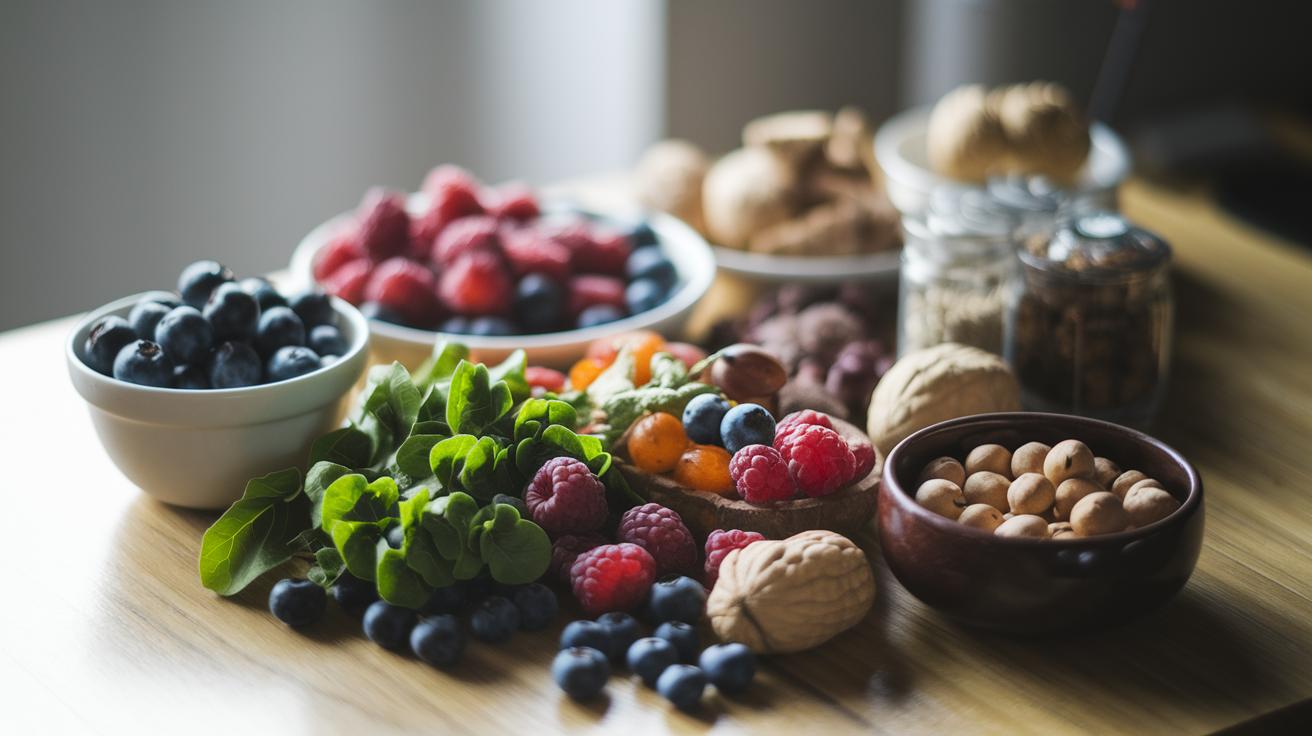
Free radicals are tricky little molecules that can damage your cells, and your body often responds with inflammation when it tries to fight back. When there are too many free radicals, inflammation can start to pile up and affect your health over time. The good news is that nature offers plenty of foods that act like a natural shield for your body. Choosing meals rich in antioxidants and anti-inflammatory elements can help keep your cells strong and your body balanced.
Berries, like blueberries and strawberries, are full of antioxidants that help clear out free radicals. Leafy greens, such as spinach and kale, bring vitamins and natural plant nutrients that ease inflammation. Nuts, including almonds and walnuts, provide healthy fats that can reduce inflammation markers in your body. Seeds like chia and flaxseeds offer omega-3 fatty acids and fiber to support your cell health.
Extra virgin olive oil is another great choice. Its natural healthy fats help fight inflammation, and using it on your salad can really brighten up your meal. Fatty fish like salmon and mackerel are rich in omega-3s, which are known to soothe inflammatory responses. Spices like turmeric, which contains curcumin, pack a powerful anti-inflammatory punch, and ginger adds bioactive compounds that help protect your cells while soothing the body.
Why not try adding these tasty options to your daily routine? You can sprinkle berries on your breakfast cereal, drizzle olive oil over a fresh salad, or flavor your favorite dish with a pinch of turmeric and ginger. Little changes like these can add up to a nutritious diet that not only tastes great but also helps keep your body feeling balanced and healthy.
Probiotic and Fiber Boost Pointers to Support Gut Health and Immunity
Prebiotics and probiotics make a great team when it comes to keeping your belly feeling good. Prebiotics are special fibers found in foods like onions, garlic, bananas, and whole grains that help feed the good bacteria in your gut. Probiotics, found in tasty fermented foods such as yogurt, kefir, sauerkraut, and kimchi, add more of those friendly bacteria to keep your system balanced. Fun fact: the friendly bacteria in yogurt can feel as refreshing for your gut as a cool breeze on a hot day.
These fermented foods do more than add flavor, they also boost your immune system by helping maintain a strong gut lining. This lining plays a big role in your body's defense, working to keep inflammation low and protect you from unwanted invaders.
Every day, try to get 25 to 30 grams of fiber to keep your digestion smooth. You might mix up a salad with raw onions or garlic for a prebiotic punch and enjoy it with a side of probiotic yogurt. Or, treat yourself to a warm bowl of whole grain oatmeal with banana slices paired with a chilled glass of kefir. These simple, delicious choices not only nurture your gut but also support your overall health.
Mindful Dining and Portion Control Methods for Better Nutrition

Mindful eating helps you manage your calorie intake and feel healthier. When you eat with care, you notice your hunger and really enjoy each bite. This simple practice not only makes meals more satisfying but also helps keep your weight stable. It supports better energy levels by focusing on quality foods and proper portion sizes.
- Use small plates so your meal looks fuller and tricks your mind into feeling satisfied.
- Measure your serving sizes with a kitchen tool to know exactly how much you're eating.
- Check the nutrition labels to see the number of calories and sugars in your food.
- Switch out refined carbohydrates with whole foods to keep your blood sugar steady.
- Opt for natural snacks rather than processed sweets to lower your sugar intake.
Listening to your body is the heart of intuitive eating. Enjoy your meal slowly and stop when you feel full. Over time, these habits can transform dining into a comforting, positive routine. Isn’t it great to feel in control of what you eat?
Smart Supplementation Do’s and Don’ts for Complete Nutrient Coverage
If your body is low on vitamin D, you might want to consider a supplement. Vitamin D helps keep your bones strong, lifts your mood, and supports your immune system. Plus, it could even lower your risk for some types of cancer. It’s like giving your body a little extra help when you aren’t getting enough sunshine or nutritious food.
Remember, most vitamins and minerals work best when you get them from real food. Eating foods like leafy greens, fruits, lean proteins, and whole grains offers a mix of nutrients and other natural benefits that simple supplements just can’t match. This approach helps create a well-rounded, healthy diet.
Before you start any new supplement, especially those vitamins that sink into fat (like vitamins A, D, E, and K), it’s a good idea to check with your healthcare provider. They can review your needs, measure your levels, and guide you to make sure your supplement routine truly enhances your overall diet without upsetting your body’s balance.
Final Words
In the action, we covered practical nutrition tips for boosting wellness by focusing on a balanced diet, hydration, and meal planning. We shared ideas for cutting back on sugary drinks and ultra‐processed foods while embracing whole, nutrient-packed ingredients. Daily actions like mindful dining and safe supplementation add a personal touch to these guidelines. Every step counts toward better health and positive outcomes. Enjoy making small changes that build toward a healthier, happier life.
FAQ
What are some nutrition tips for improving your health?
The nutrition tips for improving your health involve choosing whole foods, limiting sugary drinks, tracking portions, and planning balanced meals to support steady energy, a strong immune system, and overall wellness.
How does good nutrition support wellness?
The good nutrition supports wellness by providing essential vitamins, minerals, and antioxidants that fuel energy, strengthen immunity, and boost mood. A balanced diet lays the foundation for lasting health.
What is the 10-10-5 rule for nutrition?
The 10-10-5 rule for nutrition usually means including 10 servings of fruits/vegetables, 10 servings of grains or proteins, and 5 servings of healthy fats daily. Interpretations can vary among experts.
What is the 5-2-1-0 rule?
The 5-2-1-0 rule outlines daily habits: 5 servings of fruits and vegetables, no more than 2 hours of recreational screen time, at least 1 hour of physical activity, and 0 sugary drinks to promote healthy living.

