
Do you feel like jaw pain is stopping you from enjoying your day? TMJ issues can make everyday tasks like chewing or talking feel tough.
Many people face this problem every day, especially women in their 30s and 40s. In this article, we’ll talk about treatment options that might really help.
We’ll look at simple changes you can try at home and special therapies that aim to ease your discomfort. Get ready to explore ways to manage your TMJ pain so you can enjoy your daily activities without worry.
Comprehensive Treatment Options for Temporomandibular Joint Disorders
TMJ problems can cause pain on one or both sides of your face, making everyday activities like talking and chewing a bit challenging. The discomfort might be a short burst of pain or it could become a long-lasting issue. This is especially common in adults between 20 and 40, with many women experiencing it more often in their 30s and 40s.
Treatment options vary depending on whether the problem is with the joint itself, like when the disc slips out of place or there’s bone damage, or if the pain comes from the muscles around the joint. Taking care of yourself at home is usually the first step. Imagine enjoying your meal without the worry of sudden jaw pain.
Simple changes can help a lot. Eating softer foods and cutting meals into smaller pieces can reduce the stress on your jaw. Physical therapy also plays an important role. Gentle exercises for your jaw help relax tight muscles and keep the joint steady.
If self-care isn’t enough, your doctor might suggest other treatments. Sometimes, injection therapies using steroids or platelet-rich plasma are recommended to lower pain and improve how your jaw moves. And for more serious cases, surgical options might be needed. These can range from minimally invasive procedures, like arthroscopy, to more extensive joint surgeries aimed at fixing the problem and getting you moving comfortably again.
All these treatment plans work together to ease ongoing discomfort and help you enjoy a smoother day-to-day life.
Diagnostic Evaluation and Imaging in TMJ Treatment Planning

When dealing with TMJ disorders, your doctor starts by looking closely at your health history and doing a friendly physical exam. This careful check helps rule out other issues, like tooth decay, sinus infections, arthritis, or gum problems, that might seem like TMJ symptoms. One patient noted, "My doctor carefully examined my jaw after I mentioned frequent clicking noises," which shows how that first look builds a solid treatment plan.
Then, imaging steps in to confirm what’s going on. Common options are:
| Type | What It Shows |
|---|---|
| X-ray | Your bone structure |
| CT Scan | Detailed views of your jaw’s bones |
| MRI | Soft tissues, like the disc, and its condition |
These imaging tools help your doctor clearly see the problem. This way, they can decide if a gentle, non-invasive treatment is best, or if surgery might be needed. For example, if an MRI shows a displaced disc, your doctor can suggest targeted therapies to reduce pain and improve how your jaw functions. It’s a precise, thoughtful approach designed just for you.
Self-Care and At-Home Techniques for Reducing TMJ Discomfort
If you’re dealing with TMJ discomfort, a few simple changes can really help soothe your jaw. One helpful idea is to adjust what you eat. Try switching to soft foods like yogurt, mashed potatoes, or scrambled eggs. For instance, someone once mentioned that cutting their sandwich into tiny pieces made chewing a lot easier. Smaller, easier-to-chew bites, like soft-cooked vegetables or chunks of fish, can make mealtimes more comfortable.
Another easy trick is to use temperature therapy at home. Placing an ice pack on your jaw for about 10 to 15 minutes can help lessen any swelling. Alternatively, a warm, moist heat pack for roughly 15 to 20 minutes can relax tight muscles. Imagine the cool relief from an ice pack calming a sudden pain or the soothing warmth easing your tension after a long day.
It also helps to ease up on any activities that make your jaw work too hard. Try to avoid wide yawning, singing loudly, or chewing gum too much. One person shared that skipping gum on difficult days helped their jaw relax significantly.
These simple tips can fit easily into your daily life to help manage TMJ discomfort right from home. With a few adjustments here and there, you can enjoy smoother jaw movement and less pain, returning to your everyday activities with more ease and comfort.
Physical Therapy and Dental Interventions for TMJ Disorder Management

Physical therapy helps ease TMJ pain and boosts jaw movement. Therapists show you simple jaw stretches, exercises where you tighten your muscles without moving (isometric exercises), and gentle joint treatments. For example, imagine slowly opening and closing your mouth, like a gentle morning stretch, so your jaw can move smoothly throughout the day. All these activities work together to steady the joint and ease muscle tightness.
These exercises help your muscles relax while teaching your jaw to move better. A specialist creates a plan just for you, checking your progress and adjusting the routine to keep you comfortable. This caring, hands-on approach makes it a warm and effective way to manage your TMJ discomfort.
Physical Therapy Techniques
Skilled therapists guide you through basic exercises that strengthen your jaw while reducing extra pressure on the joint. They may also use gentle, hands-on motions to ease any stiffness. Picture your therapist showing you how to do isometric exercises, where your jaw muscles work without moving, to help you build controlled strength.
Splint Therapy and Bite Guard Usage
Dental tools like oral splints and bite guards add another layer of relief. These devices help balance the pressure on your teeth, easing muscle strain and protecting the joint. Depending on your needs, a dentist can create a hard or soft splint using results from your imaging tests. For instance, wearing a custom bite guard at night can lessen teeth grinding and offer steady support, making a real difference in how comfortable you feel.
Injection Therapies and Minimally Invasive Procedures for TMJ Disorders
When everyday remedies just aren’t enough to ease your jaw pain, targeted treatments like injection therapies and needle procedures can be a real help. Steroid injections with methylprednisolone work by calming down swelling and making it easier to open your mouth, often for about three weeks. One patient even said, "A single injection made my jaw feel noticeably looser, almost like it hit a reset button."
Platelet-Rich Plasma therapy is another option. In this process, a small sample of your blood is taken to collect your platelets. These platelets give your joint a natural boost, helping it repair itself. It’s like giving your body a little nudge toward healing.
Taking it a step further, Activated Mesenchymal Pericyte Plasma mixes cells from your fat tissue with the platelet-rich plasma. This blend works together to promote healing faster. Imagine a carefully tuned mix that helps your recovery feel even smoother.
Bone Marrow Aspirate Concentrate uses potent stem cells taken right from your bone marrow. Think of these cells as tiny repair agents that jumpstart your body's natural healing process, working to rebuild your joint from within.
Arthrocentesis is a gentle, minimally invasive procedure where needles are carefully placed into the joint under anesthesia. This approach washes away irritants and breaks up any tissues that might be sticking together. One patient described it as, "It felt like cleaning out an old, clogged engine, bringing back smooth movement."
Each of these focused therapies offers a clear, personalized way to target TMJ symptoms when ordinary treatments just don’t cut it. They’re designed to work with your body’s own healing abilities, bringing you one step closer to comfort and ease.
Surgical Options and Criteria for Jaw Surgery
When regular treatments aren’t easing your jaw pain, surgery might be the next step. Usually, doctors only suggest surgery when other options haven’t helped and your daily life is suffering. It’s always a good idea to get a second opinion before any procedure since these surgeries can’t be undone. One patient even said, "My doctor advised me to try different treatments first, which made me feel more at ease before choosing surgery."
A common option is a minimally invasive arthroscopy. In this treatment, small tools are used to reposition a slipped disc or to free up parts stuck together, kind of like gently clearing a small blockage in a busy pathway.
If your condition is more complex, you might need an open joint surgery. Possible procedures include:
- Disc reduction and fixation, where a misaligned disc is gently put back into place
- Disc removal with grafting, which rebuilds the joint’s structure
- Excision of problematic tissue to ease ongoing pain
- Complete TMJ replacement for serious joint wear and tear
Your doctor will help decide the best method by looking at scans, your symptoms, and your overall health, making sure that each step is planned with your long-term well-being in mind.
Complementary and Alternative Therapies in TMJ Disorder Care
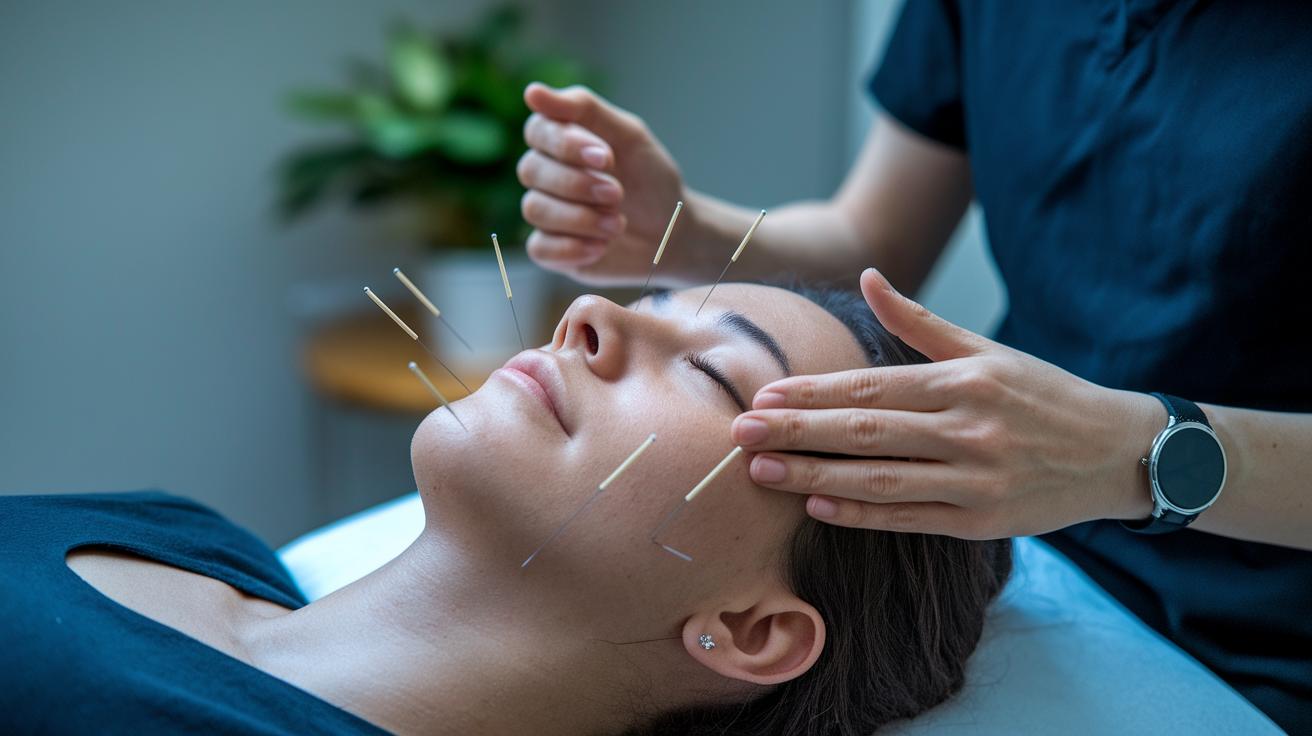
Acupuncture is one treatment option that may help ease facial pain by applying gentle pressure with thin needles. Imagine a session where these fine needles work like a soft touch that helps release tight muscles.
Manual massage methods, such as trigger-point massage and cranial osteopathy, can free up stubborn muscle knots. Picture a caring therapist's hands smoothing out the tension in your jaw, much like flattening the wrinkles in a piece of cloth.
Biofeedback is another tool that helps you manage muscle tension by letting you see real-time changes in your body. One patient shared, "Seeing my tension drop on the monitor felt like I was gaining new control over my body."
Guided relaxation exercises and stress-reduction routines can also ease muscle stiffness. Think of it as quieting a noisy marketplace in your head so your jaw can finally rest. Traditional remedies and gentle stretching add even more relief, making these therapies a great partner to conventional treatments in the search for lasting comfort.
Final Words
In the action, we explored a full range of treatment options for temporomandibular joint disorders, from accurate diagnosis with imaging and self-care techniques to targeted physical therapy, dental interventions, injection therapies, and even surgical options. We also touched on complementary methods that ease discomfort while empowering patients. This clear, step-by-step approach supports informed decisions and stronger care, helping everyone feel more at ease. Stay positive, take charge of your health, and remember that each small step makes a big difference.
FAQ
Q: How to cure TMJ permanently
A: The approach to curing TMJ permanently means managing symptoms effectively rather than achieving a complete cure. Combining self-care, physical therapy, dental devices, and advanced therapies can bring long‐lasting relief.
Q: What is the newest treatment for TMJ?
A: The newest treatment for TMJ often involves regenerative injection therapies like PRP or AMPP®, which help reduce inflammation and promote tissue repair when used alongside traditional methods.
Q: What are TMJ nerve damage symptoms?
A: TMJ nerve damage symptoms usually include tingling, numbness, or radiating pain around the jaw and ear areas, which should be evaluated by a professional.
Q: What TMJ exercises can help relieve discomfort?
A: TMJ exercises such as gentle jaw stretches and isometric movements help relieve pain and improve mobility; a physical therapist can guide you in performing them safely.
Q: What things tend to make TMJ worse?
A: TMJ symptoms often worsen with hard or chewy foods and excessive, forced jaw movements, like wide yawning or loud singing, which can strain the joint and muscles.
Q: How can I find a TMJ specialist near me?
A: Finding a TMJ specialist near you involves searching for dental or maxillofacial experts experienced in jaw disorders through local clinics or referrals from your primary doctor.
Q: What is the best medicine for a TMJ flare-up?
A: The best medicine for a TMJ flare-up typically includes anti-inflammatory drugs or muscle relaxants as recommended by your doctor to help reduce pain and muscle tension during acute episodes.
Q: How do I find TMJ treatment near me?
A: You can find TMJ treatment near you at specialized dental clinics, physical therapy centers, or dedicated TMJ care facilities by asking for referrals or doing a local search.
Q: What is the most effective treatment for TMJ and how do you treat it?
A: The most effective treatment for TMJ uses a customized plan combining self-care, physical therapy, dental appliances, and sometimes advanced injections or surgery to reduce pain and improve jaw function.
Q: Is TMJ a lifelong condition and is it okay to live with it?
A: TMJ can be a long‐term condition for some, but with proper management through lifestyle adjustments and professional care, many individuals lead comfortable, active lives despite having TMJ.

