
Have you ever wondered if a little adjustment could improve your healthcare experience? New ways of caring, like simpler steps and online visits, are changing how we look after our health. Imagine every part of your treatment working together smoothly, like parts of a well-tuned engine. These smart ideas cut wait times and help doctors respond faster, giving you clearer and quicker care. Even one online session can save you hours. This friendly teamwork between doctors and digital tools is showing great results in patient care and proving that new ideas really can make a big difference.
Driving Enhanced Patient Outcomes via Emerging Care Strategies
We improve patient care with methods like Lean, Six Sigma, and Plan-Do-Study-Act cycles. Think of these methods as parts of a well-oiled machine that help cut delays and make care run smoothly. Imagine each step of the process tuned just right, kind of like fine-tuning a car engine for top performance.
During COVID-19, telemedicine became a real game-changer by letting patients consult with doctors from home, cutting down long waits. AI tools also jump in to spot potential risks and sharpen diagnostics so that care plans match individual needs. Fun fact: In the pandemic, one telemedicine session saved you from a two-hour in-person wait. These digital tools work together to offer quicker responses, clearer diagnoses, and steady monitoring.
Teamwork is at the heart of this approach. Clinicians, care coordinators, and patients all work side-by-side to keep every part of the care process on track. When everyone collaborates, each step of your health journey gets the attention it deserves. This close, unified approach shows how fresh care ideas can truly boost patient outcomes.
Integrating Digital Transformation in Health to Elevate Patient Outcomes

Today, healthcare is evolving with new digital tools that change how care gets delivered. These innovations let doctors see patient information with a clear look, making decisions quickly and confidently. Picture gadgets that offer lifelike virtual experiences or smart devices that keep an eye on your health 24/7, they all work together to speed up treatments and boost safety.
The table below shows some important technologies, explains what they do, and highlights the benefits they bring:
| Technology | Application | Outcome Impact |
|---|---|---|
| Extended Reality (XR) | Helps in physical therapy and keeps patients engaged using VR, AR, and MR | Boosts motivation and speeds up recovery |
| AI and Machine Learning | Turns large amounts of data into clear insights for better diagnosis and treatment decisions | Improves decision-making and personalizes care |
| Digital Twins | Creates virtual models to test treatments before applying them in real life | Reduces patient risk and sharpens treatment plans |
| Internet of Medical Things (IoMT) | Connects various devices for continuous health monitoring | Supports real-time tracking and proactive care |
| 3D Printing | Makes patient-specific models to help plan surgeries precisely | Enhances surgical accuracy and planning |
Rolling out these new technologies takes careful planning and a spirit of teamwork. Hospitals and clinics work hand in hand with clinical staff and IT experts to build secure, cloud-based electronic health records and integration platforms. With good training and clear communication, every team member learns how to use these tools effectively. In the end, this collaboration leads to care that is more accurate, timely, and tailored to each patient’s needs. Isn't it reassuring to know that every step is taken to keep our health information safe and our care top-notch?
Customized Treatment Frameworks for Personalized Patient Outcomes
Multidisciplinary Care Teams
Multidisciplinary care teams bring together doctors, nurses, and care coordinators to create care plans that fit each patient perfectly. Everyone shares their special skills to set treatment goals, schedule appointments, and plan follow-ups. They use easy-to-understand communication tools that let them send updates instantly, making sure each patient gets well-coordinated and caring support. Think of it like a relay race, where every team member passes the baton with care.
AI-Driven Therapy Adjustments
Smart computer programs check patient information and adjust treatments quickly. They listen to your feedback all the time and help doctors fine-tune your care as needed. This means your treatment plan changes in real time to fit your condition better. Imagine a helpful assistant that tweaks your medications as smoothly as you adjust the volume on your favorite song.
Genomic Data Integration
Genomic data integration takes breakthrough gene research and uses it to pick the best drugs and doses for you. By looking at your unique genetic information, doctors can choose medicines that work best for specific conditions like some cancers or rare diseases. When this genetic insight is combined with modern imaging techniques, it leads to treatments that are as unique as you are. This personalized approach shows the promise of precision medicine, making sure every patient feels truly understood and cared for.
Leveraging Predictive Medical Analytics in Clinical Oversight for Patient Outcomes
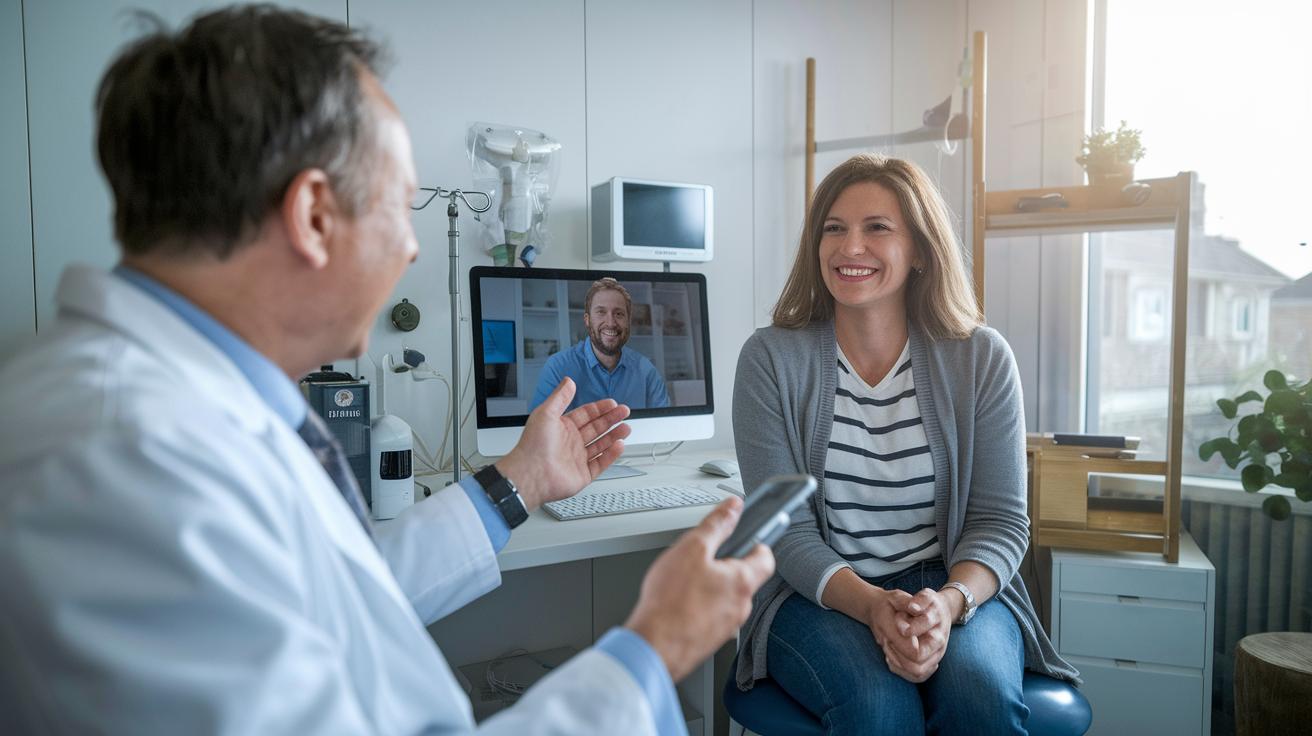
AI and machine learning help sift through tons of patient data, from health records to sensor feeds, to spot potential problems before they happen. Think of it like your car’s warning light giving you an early hint that something needs attention. Models can flag risks such as hospital readmissions, the onset of sepsis, or even treatment complications.
New monitoring tools mix regular check-ups like vital signs and lab results with info from wearable devices that track daily health changes. This approach lets doctors catch tiny shifts that might have gone unnoticed. Sometimes, an alert might happen because a lab test shows a slight fever or a wearable sensor picks up a quick change in heart rate.
A great example is Virginia Mason’s Patient Safety Alert System. In this system, everyday observations go into detailed checks that trigger quick actions, and then those actions are reviewed to get even better. Using methods like Plan-Do-Study-Act cycles, they adjust treatments almost in real time. It’s a constant, caring loop that fine-tunes patient care every step of the way.
Expanding Telehealth and Distant Monitoring Innovations for Improved Patient Outcomes
Telehealth has truly changed the way we get care by offering video calls and message-based check-ins instead of always having to visit a clinic in person. Now you can speak with your doctor from the comfort of your own home. This helps reduce missed appointments and gives you easier access to specialist advice. It also cuts down wait times and makes care smoother, especially when travel or busy schedules make clinic visits hard.
Remote monitoring takes care even further. Wearable gadgets like glucose monitors or home spirometers keep track of your health all day long. This means your doctor can spot problems early and respond quickly. At the same time, connected care networks let different parts of your care team work together seamlessly, even if they're miles apart. During the pandemic, many clinics saw fewer readmissions and happier patients because these tools made it simple to stay on track.
| Benefit | Description |
|---|---|
| Fewer hospital readmissions | Patients are less likely to return to the hospital or visit the emergency room. |
| Better treatment adherence | Patients stick to their treatment plans more consistently. |
| Lower healthcare costs | Early intervention helps reduce overall medical expenses. |
| More specialist access | Even people in under-served areas can connect with experts. |
| Higher patient satisfaction | Patients feel happier and more engaged with their care. |
| Improved team coordination | Different care providers work closely even from different locations. |
Implementing Advanced Informatics Solutions to Streamline Patient Outcomes
Workflow Optimization Techniques
Lean and Six Sigma help health teams clear out waste and keep patient care running smoothly. With simple steps and routine checks, it’s easy to spot and fix problems quickly. Using methods like the PDSA cycle turns everyday challenges into little wins that improve care day by day.
Safety-II Proactive Practices
Safety-II isn’t just about stopping mistakes; it’s about learning from the good things that happen every day. By paying attention to what works, teams can copy these successful habits across the board. This approach builds a safer, more reliable care system that feels like a strong safety net.
Simulation & E-Learning Modules
Interactive tools such as simulation exercises and online learning boost staff confidence and consistency. These training methods create real-life practice scenarios where everyone can learn and follow great guidelines. It’s a hands-on way to make sure team members are ready to offer the best care possible.
Coordinated Collaborative Care Models for Sustained Patient Outcomes
Team-based care models bring together doctors, community health workers, and peer supporters to create one clear care plan. They mix medical expertise with local insights, making every part of a patient’s journey simple and well-organized.
Digital tools like mobile wellness apps and patient portals help keep you informed with easy-to-understand education, handy reminders, and the chance to share your thoughts. This friendly technology lets you work closely with your care team, imagine getting a reminder that leads to a quick follow-up call with your provider.
Research shows that community support can cut hospital visits by 20-30% for those managing long-term illnesses. When care teams and local peers join forces, treatment plans become more personal, steady, and effective.
Final Words
In the action of modern clinical techniques, our discussion covered quality improvement, telehealth advances, AI applications, and team-based care models. We looked at methods that simplify patient management and support sound health decisions. Digital health tools and integrated workflows build a more secure, reassuring system for both providers and patients. These innovative approaches to patient outcomes drive better care, smoother clinical processes, and a brighter future for healthcare communication. The collective strides in digital transformation inspire confidence across every step of the patient journey.
FAQ
What are innovative approaches in healthcare?
The innovative approaches in healthcare include using telemedicine for remote consultations, leveraging artificial intelligence for tailored care, and forming coordinated care teams, all designed to improve access, streamline treatment, and enhance patient outcomes.
What are examples of sustaining and disruptive innovations in healthcare?
The examples of sustaining and disruptive innovations in healthcare include process improvements like Lean and PDSA cycles, as well as digital solutions such as AI diagnostics, remote monitoring with wearables, and digital twin technology that reshapes treatment planning.
What innovative ideas could health systems use to boost cost efficiency, quality, and access?
The innovative ideas involve expanding telehealth services, applying predictive analytics for personalized care, forming interdisciplinary teams, and utilizing advanced digital tools that safely test and improve interventions, ultimately reducing costs and enhancing quality.
What are two strategies to improve outcomes of patient care in practice?
The two strategies involve integrating continuous quality improvement cycles with coordinated care teams and expanding telemedicine services, each enabling faster decision-making while reducing wait times and enhancing overall patient care.
What innovative care models exist in healthcare, including in nursing?
The innovative care models encompass patient-centered, team-based approaches where nurses and other clinicians work together, utilize telehealth, and rely on real-time analytics to offer personalized care and secure, seamless communication for improved outcomes.

