
Ever wonder if switching up your meals could brighten your health and help the planet? Imagine a plate filled with crunchy vegetables, whole grains, and filling beans that give you energy all day long. This guide explains how eating more plants can keep your heart safe, lower the chance of getting sick, and steady your energy. With simple tips and friendly advice, you'll see that feeling great might be just one meal away.
Overview of Plant-Based Nutritional Wellness
A whole-foods, plant-based diet is all about choosing fresh fruits, vegetables, whole grains, legumes, nuts, and seeds, while cutting down on processed items and animal products. It isn’t about strict rules but about enjoying a flexible, balanced lifestyle. Picture a plate filled with crisp veggies, hearty grains, and protein-rich beans that not only fill you up but also give your body the boost it needs.
Studies tell us that this type of eating can help lower the risk of diabetes, heart disease, cancer, memory loss, and obesity. By opting for nature's best instead of heavily processed foods, you feed your body with fiber, vitamins, and minerals to keep your energy steady. Before you dig into that colorful salad, remember how each bite can be a small celebration of health.
Plus, eating plant-based is gentle on the earth. When you use fewer animal products, there are fewer greenhouse gases, and you help support eco-friendly practices. In simple terms, choosing this lifestyle means you care for yourself while also caring for the planet.
Key Nutrients in a Plant-Based Nutrition Regimen
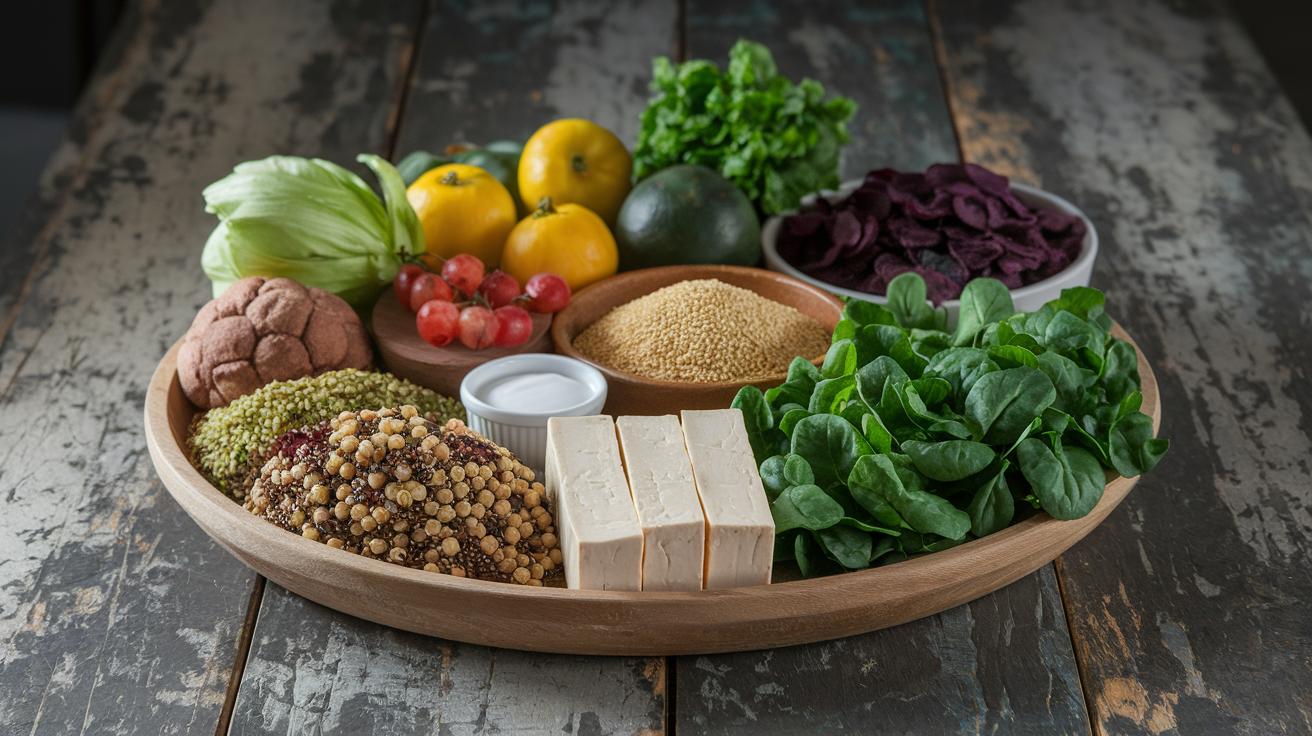
Plant-based eating is all about getting the right mix of big nutrients like proteins and smaller ones like vitamins from fresh, natural sources. Proteins are built from 20 amino acids, and your body needs nine of these from food. Many plant proteins don’t naturally have all nine, so it helps to enjoy different protein foods throughout the day. This mix can even help lower risks for heart problems, diabetes, and some cancers.
Some plant foods provide all the essential amino acids. For example, soy items like tofu and tempeh, quinoa, and TVP give you complete proteins. Other options such as grains, beans, nuts, and seeds are called incomplete proteins because they may miss one or more amino acids. But when you combine them well, they support your health with fiber, antioxidants, vitamins, and minerals. A great example is the Sweet Potato Black Bean Burgers recipe, which shows how a tasty meal can be full of nourishing protein.
| Source | Protein per serving (g) | Complete protein? |
|---|---|---|
| Tofu | 8 | Yes |
| Tempeh | 15 | Yes |
| Lentils | 9 | No |
| Chickpeas | 7 | No |
| Quinoa | 8 | Yes |
| TVP | 12 | Yes |
Swapping and mixing these protein sources in your daily meals can boost muscle repair and keep your overall health balanced. Enjoy creating a range of dishes that keep you satisfied and support your body every day.
Whole Foods Meal Planning for Nutritional Wellness
Imagine starting your day with a warm bowl of rolled oats topped with crunchy walnuts, sweet banana slices, and a light dusting of cinnamon. For lunch, picture a cool Greek salad served with a whole-wheat pita and a side of freshly cut, juicy melon. At dinner, enjoy a plate of grilled veggie kabobs paired with a tofu and quinoa-spinach salad. This mix of textures and flavors not only delights your senses but also fills your body with fiber and essential nutrients.
Here are eight simple tips to help you create a balanced plant-based feast:
- Batch cooking: Set aside a day to prepare big batches of food. You can even check out Balanced diet meal prep ideas for extra inspiration.
- Staple-based shopping lists: Organize your grocery trips around basic, whole ingredients that build the foundation of your meals.
- One-pot meals: Look for recipes that let you cook an entire dish in one pot. This cuts down on cleanup while keeping the flavors intact.
- Theme nights: Try assigning a fun theme to each night to keep your meals creative and exciting.
- Weekly menus: Spend a little time each week planning your meals so your nutritional goals always stay in view.
- Grain-batch prep: Cook grains like brown rice or quinoa in advance to make it easy to put together a meal quickly.
- Legume swaps: Change up your beans and lentils to boost your protein variety and add a new twist to your dishes.
- Meatless Monday starts: Kick off your week by exploring delicious plant-based alternatives.
Using these ideas, you can build a meal routine that's both enjoyable and supportive of your health goals.
Incorporating Green Superfoods and Antioxidant-Rich Ingredients
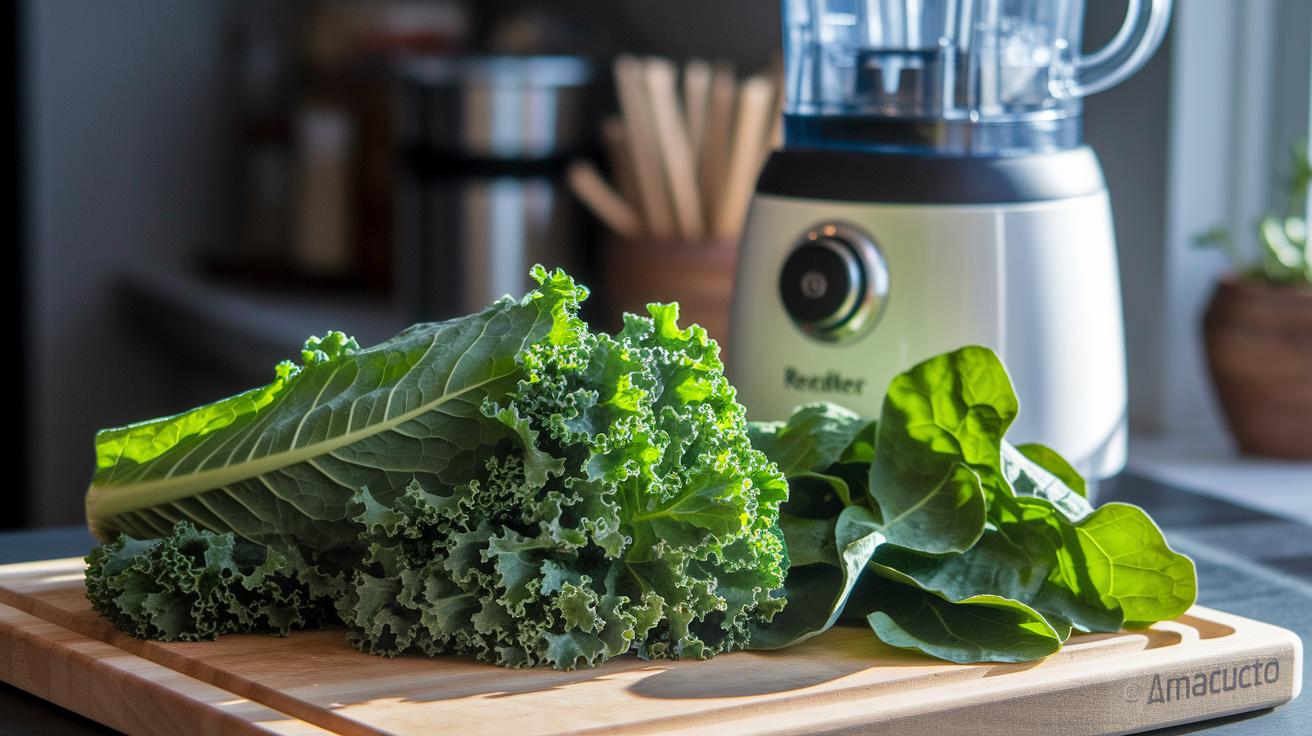
Green superfoods give your meals an extra burst of goodness. They’re packed with antioxidants like carotenoids, polyphenols, and vitamin C, which help protect your cells and keep your immune system strong. Eating these foods, such as berries, dark leafy greens, and seeds, adds essential vitamins and minerals while also being easier on our planet than many animal products.
It’s fun and simple to mix these greens into your daily routine. You might toss some microgreens on your salad or blend wheatgrass into a cool, refreshing juice. Both are easy ways to boost your nutrient intake without much fuss.
Here’s a quick look at some top green superfoods and what they offer:
| Green Superfood | Nutrient Highlight |
|---|---|
| Kale | Full of carotenoids to brighten your skin and support clear vision |
| Spinach | Rich in vitamin C to help build a strong defense against colds |
| Spirulina | Loaded with polyphenols that act like natural protectors for your cells |
| Chlorella | Packed with chlorophyll, it cleanses and energizes your body naturally |
| Wheatgrass | A concentrated source of vitamins to lift your overall vitality |
| Matcha | Offers strong antioxidants that refresh both mind and body |
| Microgreens | Tiny but mighty, these greens deliver a punch of vitamins |
Creative Plant-Based Recipe Ideas for Every Meal
Dive into a world of delicious plant-based meals that bring healthy, tasty ingredients straight to your table. Imagine biting into a savory Sweet Potato Black Bean Burger bursting with flavor, or treating yourself to a bright Mediterranean quinoa salad mixed with tangy olives and fresh parsley. Picture a chickpea-avocado sandwich on sprouted grain that not only satisfies your hunger but also makes you feel nourished and energized. You might even start your day with a smoothie that blends spinach, banana, berries, and plant milk, or snack on crunchy seed-based energy balls packed with goodness.
Legume dishes are a comforting and hearty way to enjoy plant-based meals. Try a warming lentil curry that feels like a cozy hug, or a robust three-bean chili that fills you up and keeps you going. And for a rich, filling dish, imagine a creamy barley risotto with mushrooms that offers both great texture and taste. Don’t forget the fun of raw snacks, like carrot-ginger rolls, zucchini hummus boats, or whole-grain crackers crowned with a delicious seed spread for those in-between moments.
Breakfast Recipe Ideas
- Green spinach smoothie: Fresh spinach, ripe banana, and a splash of plant milk come together for a nutritious start.
- Apple-oat pancakes: Fluffy pancakes with sweet apple chunks and hearty rolled oats, giving you fiber and natural sweetness.
- Chia-seed pudding: A creamy treat made with chia seeds and plant milk, topped with your favorite fruits.
Lunch Recipe Ideas
- Quinoa taco bowls: A mix of quinoa, black beans, corn, and a tangy lime dressing to brighten your day.
- Roasted veggie wrap: Crisp, roasted vegetables wrapped in a whole-grain tortilla spread with smooth hummus.
- Lentil salad: A lively salad that pairs cool lettuce, juicy tomatoes, and protein-rich lentils in a light vinaigrette.
Dinner Recipe Ideas
- Cauliflower steak with chimichurri: Thick slices of roasted cauliflower topped with a savory, herb-packed sauce.
- Tempeh stir-fry: Tempeh quickly cooked with colorful veggies, served over a warm bed of brown rice.
- Stuffed bell peppers: Bell peppers filled with a hearty mix of quinoa, beans, and fresh herbs for a satisfying meal.
Supplementation and Boosting Nutrient Absorption in a Plant-Based Guide
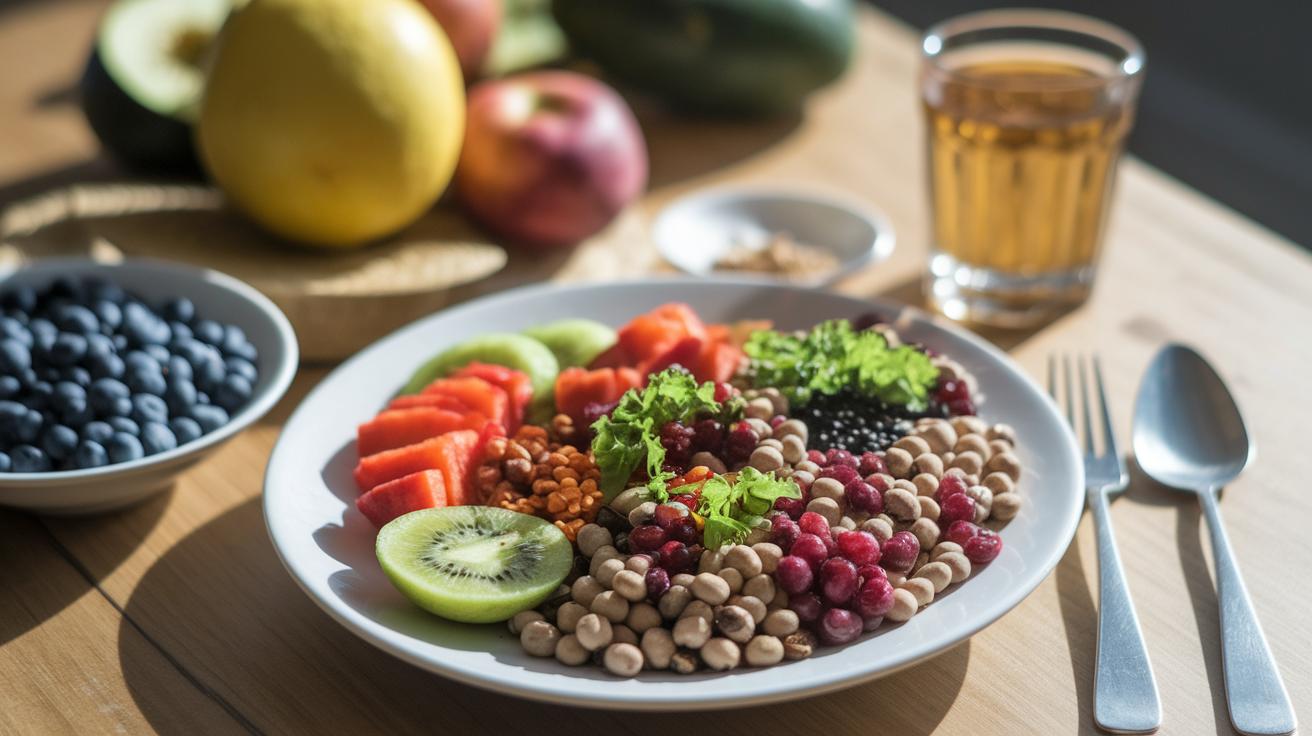
Eating a plant-based diet is a great way to support your health, but sometimes you need a little extra help with certain nutrients. For example, vitamin B12, vitamin D, omega-3 (from ALA and algae-based EPA/DHA), iron, and iodine are key supplements for those following a plant-based lifestyle. Vitamin B12 helps keep your nerves in good shape and boosts your energy, while vitamin D works to keep your bones strong and supports your immune system. Omega-3, often found in algae oil capsules, is great for heart health. Iron is essential for carrying oxygen through your body, and you can absorb it better by pairing foods like spinach and lentils with vitamin C-rich options like citrus fruits or bell peppers.
There are also smart food innovations available now. Fortified plant milks and nutritional yeast pack these important nutrients into an easy, tasty form. They blend flavor with nutrition, making it simple to enjoy meals that are as appealing as they are nourishing.
It’s also a good idea to get your blood checked regularly. Keeping an eye on your nutrient levels lets you and your healthcare provider adjust your supplements as needed. This way, your plant-based diet not only tastes great, it also boosts your body’s ability to absorb nutrients, leading to balanced nutrition and long-term wellness.
Transitioning to a Plant-Based Nutritional Wellness Lifestyle
Start by swapping out one animal product each week. For example, make Monday a Meatless Monday and try a new plant protein that fits right into your meals. In week one, load up your plate with fresh fruits and vegetables. Then, in the next week, add a variety of legumes, and by week three, include whole grains. Finally, in the last week, switch up your snacks and treats so they match your new eating style. This easy, step-by-step method turns the change into a fun and natural process.
Taking small steps helps you feel more confident and opens up new flavor experiences you might not have tried before. It’s a great chance to learn fresh recipes and enjoy all the benefits of a plant-based diet. You could even be surprised at how quickly your taste buds adapt to bright, new ingredients that boost your energy and keep you feeling full all day.
Here are eight simple tips to help you get started:
| Tip | Description |
|---|---|
| Shopping List | Create a plant-focused list to make healthy choices easy. |
| Batch Cooking | Cook meals ahead of time so weekday cooking is a breeze. |
| Recipe Apps | Find new dishes and learn fresh techniques with your favorite apps. |
| Cooking Classes | Join community classes to share ideas and get support. |
| Meal Tracking | Keep a record of your meals to spot how your energy and mood improve. |
| SMART Goals | Set goals that are specific, measurable, achievable, relevant, and time-bound. |
| Ingredient Swaps | Change one ingredient at a time to naturally ease into your new diet. |
| Celebrate Milestones | Acknowledge each success to keep your journey fun and rewarding. |
For extra help along the way, check out Nutritional Weight Wellness at https://medsfax.com?p=1626.
Final Words
In the action, this article walked through the essential steps of a plant-based nutritional wellness guide, from exploring whole foods and botanical protein sources to offering creative recipe ideas for every meal. It shared practical meal planning techniques, green superfood tips, and simple transition advice for embracing a plant-powered lifestyle.
The content ties together health benefits with straightforward strategies for efficient patient care and secure information sharing. This guide leaves you feeling empowered and ready to try new, plant-focused meals for better wellness.
FAQ
Where can I find a free plant-based nutritional wellness guide that includes recipes and meal plans?
A free plant-based nutritional wellness guide in PDF format delivers recipes and meal plans while outlining a whole-food approach, making healthy meal planning both simple and accessible.
How can I get a plant-based diet food list and follow a 30-day plant-based diet plan?
A plant-based diet food list coupled with a 30-day plan offers a clear outline of essential foods and structured meal ideas, empowering you with a gradual, practical path to healthier eating.
Which plant-based foods should be avoided?
Plant-based foods to avoid include overly processed items, refined grains, and sugary snacks. Steering clear of these helps you focus on whole, nutrient-rich foods for sustained wellness.
What is the 30 30 30 rule for vegans?
The 30 30 30 rule for vegans represents a framework some use to balance food groups or transition the diet, though it isn’t a standardized guideline and may vary with individual needs.
Why did Lizzo quit being vegan?
Lizzo quit veganism due to her personal health experiences and nutritional needs, underscoring that diet choices should ultimately support one’s unique lifestyle and wellness.
Are eggs acceptable on a plant-based diet?
Eggs are not considered part of a plant-based diet because the focus is on whole plant foods, which generally excludes any animal-derived products for a healthier overall approach.
What are the guidelines for a plant-based diet?
The guidelines for a plant-based diet encourage consuming plenty of fruits, vegetables, whole grains, legumes, and nuts while reducing intake of processed and animal products for better health and reduced disease risk.

