
Have you ever wondered how your health info stays safe when you send a message? Think of secure messaging like sending a sealed package that only the right person can open.
It scrambles your details so that only the person you intend can read them. Your text is turned into a secret code and kept safe on secure servers.
In short, secure messaging works quietly in the background to protect your personal data every step of the way. Isn't it comforting to know your information is guarded like a little promise of privacy?
Core Encryption Mechanisms in Secure Messaging for Patient Data
When you send a secure message, it gets scrambled from the start, before it even leaves your device. In simple terms, your message turns into a code that only the right person can unlock. Think of it like handing over a locked box where only the recipient has the key. This way, your private details are protected from the moment they're created until they arrive safely.
Your stored messages aren’t left unguarded either. They sit on servers or devices with a kind of lock called in-rest encryption. Even if someone sneaks into the server, they can’t read your data without the proper key. Imagine your digital files being stored in a vault that only opens for you, this keeps your health details safe even if the storage gets compromised.
Also, when your data is on its way, it’s protected by something called transport layer security, or TLS. This system makes sure your information stays secure as it travels, much like a secure courier service replacing ordinary SMS. To add extra trust, digital signatures and hashing work behind the scenes. Think of a digital signature like a personal seal or a trusted handshake that confirms the sender is genuine and the message hasn’t been changed.
By using end-to-end encryption, in-rest encryption, secure transmission standards, and trusted verification tools, secure messaging platforms safeguard patient information based on HIPAA (healthcare privacy rules) guidelines. This layered security builds a safe space where sensitive health details remain confidential and are only seen by those who are allowed, keeping the trust alive in digital healthcare communications.
Authentication and Access Control Safeguards in Secure Messaging
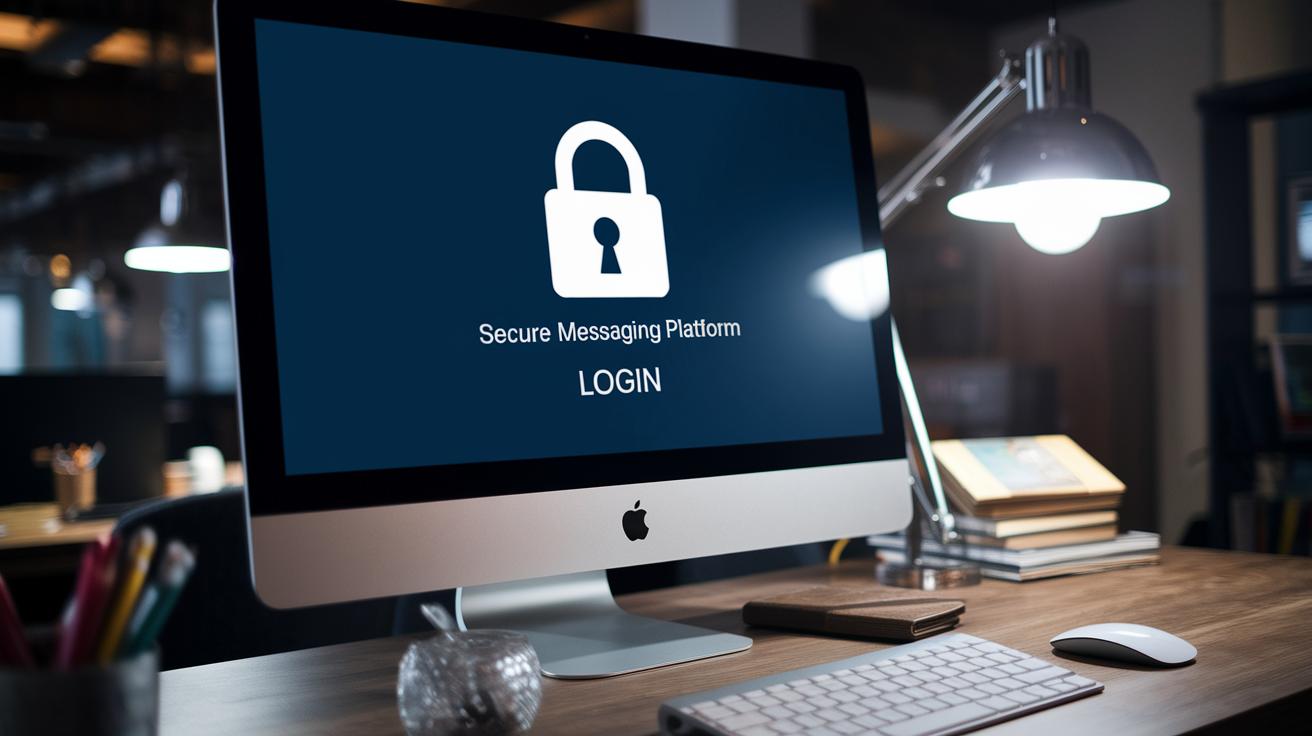
When sensitive health information is at stake, the first step is to check who is asking for it. Think of it like showing your ID at the door. Each user must prove they are who they say they are before any health details are shared, which helps make sure that only the right people can see this private data.
The system also uses multi-factor authentication (MFA). This means you need more than just a password to log in. For example, you might enter your password and then a temporary code sent to your phone. It sounds like a two-step process, and that extra step makes it much harder for someone else to sneak in.
Role-based access controls make it even safer. This means what you see depends on your job. A nurse might have access to different details than a billing coordinator. In simple terms, everyone sees only what they need to do their job.
Another layer of security comes from the devices themselves. Each device can be protected with a password, a fingerprint scan, or even a remote wipe feature if needed. They even lock automatically when you’re not using them. All these checks work together to make sure every session is secure, keeping patient information safe every step of the way.
Regulatory Compliance and Audit Trails in Secure Healthcare Messaging
Compliance frameworks act like a safety net, making sure everyone stays accountable while keeping patient information safe. By following HIPAA messaging standards, which are the rules that protect private health data, secure messaging systems handle every message with care. Each data move is recorded like a digital diary. It logs timestamps, sender and receiver details, and even sends a quick alert if something unusual happens. This clear record lets teams review every step and address any issues right away. Plus, messages are encrypted (which means they’re locked so only the right people can read them) and role-based controls are in place to ensure that only authorized users can access sensitive information.
Business Associate Agreements
When vendors offer these systems, they sign Business Associate Agreements. These are promises that bind all partners to follow HIPAA rules, ensuring that every provider meets strict regulatory standards. Even third-party systems are held to the same high bar, which strengthens the security across the entire network.
Audit Logging and Monitoring
Think of audit logs like a security camera that never sleeps. They capture every detail, from the exact moment a message is sent to who accessed it later. Automated alerts quickly flag any unusual activity so that any issues can be nipped in the bud. These detailed records create a transparent system that supports investigations and helps maintain trust.
Patient Consent Requirements
Before any messaging happens, clear patient consent is obtained and recorded. This step makes sure that patients understand and agree to how their information will be managed. It not only safeguards their rights but also meets essential compliance requirements.
Secure Messaging Platforms and Network Architectures

Secure messaging systems work smoothly with your current IT setup. They use single-sign-on, which means you log in once to access everything, and open APIs, which let different software talk to each other. This setup ensures that providers can get to the important tools they need without any hiccups, while keeping the network safe from the very start.
Platforms like Hypercare are designed to help teams stay connected. They offer real-time messaging, secure file sharing, calendar integration for scheduling, message status checks, group chats, and even flags to mark urgent tasks. Picture it like a digital handshake that keeps every conversation secure and every file protected, so you can work quickly without worrying about unauthorized access.
Digital paging has now replaced those old physical pagers. It sends pages safely and routes voicemails directly to on-call staff, cutting down on mistakes and keeping clinical work flowing smoothly. Files are moved across the network using secure methods, too. Whether data is being sent between devices or stored on a server, encryption is there to make sure everything stays private.
Automated alerts are another smart feature. If a message isn’t answered in time, more providers automatically get notified. This means no critical request gets lost in the shuffle. And thanks to interfaces that work with many different vendors, tools like integrated portals and thoughtful escalation workflows work together seamlessly to keep patient data secure in today’s digital health world.
Best Practices and Risk Mitigation for Secure Patient Messaging
Policies help set the groundwork for safe messaging. Earlier sections explained how to protect devices, log activities, get patient permission, and limit access based on roles. Now, we share some clear examples and risk scenarios to make these ideas even easier to understand.
- Train your team regularly. For instance, remind everyone to double-check that messages go to the right person, as a mistake could lead to sensitive data ending up in the wrong hands.
- Always get clear permission from your patients before sending any data. This extra step helps avoid any accidental sharing of private information.
- Protect your devices with features like remote-wipe and lockout. If a device is lost, you can quickly erase any sensitive data to keep it safe.
- Set up access based on each person’s job. For example, a nurse doesn’t normally need access to administrative files. This limits the risk of internal mistakes.
- Keep clear records of who accesses data. Detailed audit logs help you notice any unusual activity as quickly as possible.
- Check your security measures at regular intervals. A quick review might show outdated software or other vulnerabilities that need attention.
- Listen carefully when a patient chooses not to be contacted. Respecting their wishes builds trust and follows privacy standards.
Final Words
In the action, we explored end-to-end encryption and in-rest safeguards that make messages private. We then looked at secure login methods and role-based controls that stop unwanted access. Next, we reviewed how clear audit trails and legal agreements protect patient rights. We also saw secure network setups and smart best practices that keep data safe. It all shows how does secure messaging protect patient data by combining strong encryption, solid authentication, and careful risk checks to support efficient, trusted care.
FAQ
How does secure messaging protect patient data?
Secure messaging protects patient data by using end-to-end encryption that ensures only the intended recipient can read the message. It also uses digital signatures and strict access controls for added safety.
What are the benefits of secure messaging?
Secure messaging offers benefits such as the safe exchange of patient data, improved care coordination, and adherence to privacy rules, which helps build trust between patients and providers.
How do you secure patient data in healthcare messaging?
Securing patient data in healthcare messaging involves encrypting information during transit and storage, verifying user identities with secure logins, and controlling access based on user roles to prevent unauthorized access.
What is the advantage of secure messaging within the electronic health record?
Secure messaging within electronic health records keeps treatment information private by encrypting messages and logging access. This allows providers to quickly share safe, confidential updates about a patient’s health.
How does encryption safeguard patient data?
Encryption safeguards patient data by transforming messages into a code that only authorized users can decode. This process keeps information secure from unauthorized eyes whether it’s moving through a network or stored on a device.
How are telephone answering systems and government platforms like IRS or VA protected by secure messaging?
Secure messaging protects telephone systems and government platforms by using strong encryption and layered security measures. This ensures that both voice messages and patient data remain private and secure.

