
Have you ever thought that a simple checkup might change your life? It might seem surprising, but a quick visit can catch tiny health concerns before they become bigger problems.
Routine tests and vaccines are like little guards that help you avoid unexpected surprises later. In this article, we explore how taking these small steps today can save you money and help keep your worries at bay.
So, why wait? Taking care of yourself early means you enjoy a healthier, happier life for longer.
Foundations of Preventive Medical Care
Preventive medical care means taking simple steps now to stay healthy later. It covers routine health tests, vaccines, and checkups that catch issues early, often at no extra cost. If you’d like to learn more about how staying ahead of health issues can benefit you, check out what is preventive care.
These practices help spot problems when they’re small and easier to treat. Regular tests and checkups support a balanced lifestyle and can even lower your healthcare costs. Have you ever noticed how a quick visit to your doctor can offer peace of mind?
- Health screenings
- Immunizations
- Wellness visits
- Dental and eye exams
- Behavioral assessments
Insurance companies are required by law to pay for these preventive services, so most eligible tests and vaccines come at no extra charge. Depending on your age, your checkup schedule might vary, a person in their 20s may only need an exam every three years, while those in their 50s usually benefit from yearly visits. Regular assessments help track your health progress and address any early signs, keeping you on a steady path to well-being.
Recommended Health Screenings in Preventive Medical Care
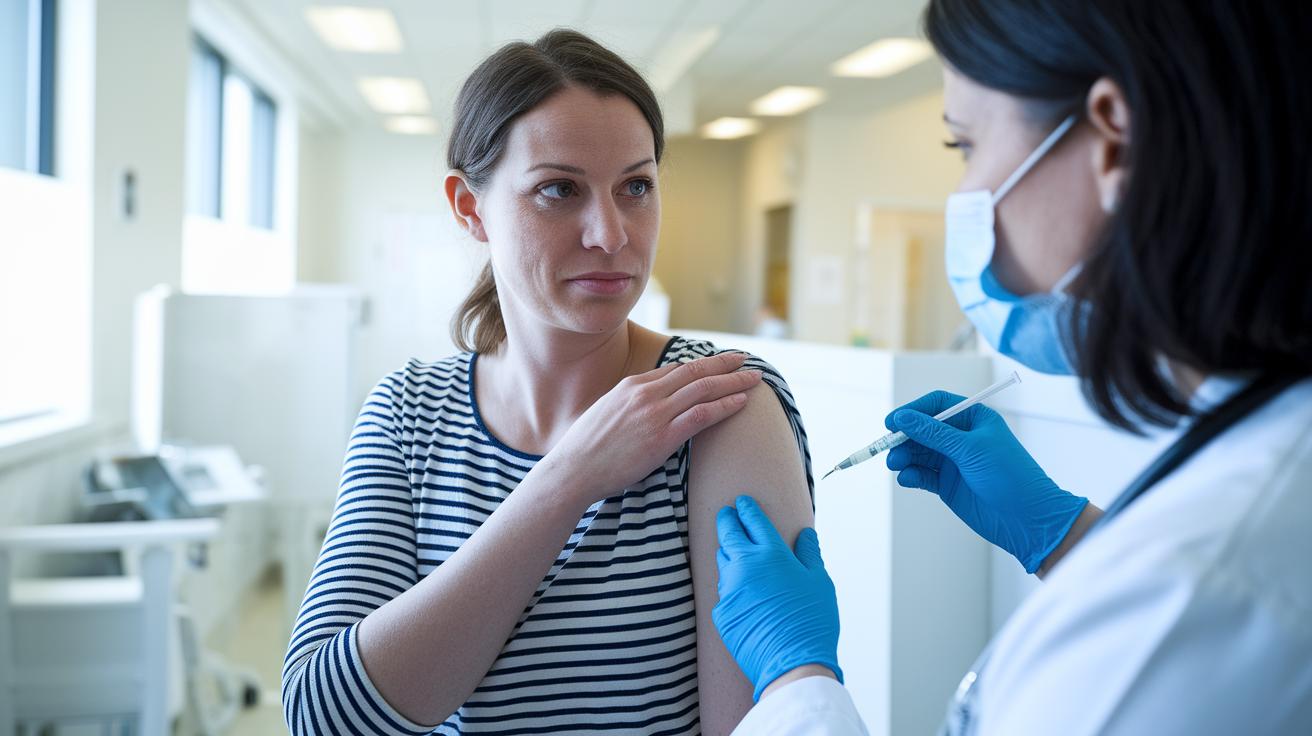
Regular screenings help us catch changes in our health early on. They’re like little check-ins that can reveal things such as high blood pressure or cholesterol issues, before they grow into bigger challenges. Trusted organizations give us clear guidelines, for instance, the CDC recommends tests like mammograms and Pap tests for women, while the USPSTF suggests that adults check their blood pressure and cholesterol. This proactive step makes it easier to manage your health, almost like keeping a regular tune-up on your body.
| Screening Test | Recommended Age | Frequency |
|---|---|---|
| Blood Pressure | Adults 18+ | Every 2 years if normal |
| Cholesterol | Adults 35+ | Every 4–6 years |
| Colorectal Cancer | 45–75 | Colonoscopy every 10 years |
| Mammogram | 50–74 (women) | Every 2 years |
| Diabetes | 35–70 overweight/obese | Every 3 years |
It’s a good idea to keep up with regular follow-up visits. These appointments help ensure that your screenings match your changing health needs. By sticking to these schedules, you get the comforting assurance that any new health concerns are caught early, when treatment works best. This steady check not only keeps you informed but also builds your confidence in taking care of yourself.
Immunizations and Vaccination Planning in Preventive Medical Care
Vaccines play a crucial role in keeping you healthy by stopping infections before they start. They help protect you without extra costs because most insurance plans, including Medicare Part B, cover them. In fact, the law makes sure that if vaccines are recommended by experts, your insurance will pay for them. This means whether you're a child, teen, or adult, you can get these life-saving shots without any extra charge. Isn't it a relief to know a simple vaccine can act like a friendly shield for your health?
Your vaccination needs change as you grow. From the early shots kids need to boosters for adults, staying up-to-date with your vaccines is key to feeling your best. Some of the important vaccines include:
- DTaP for young children
- HPV for adolescents
- The annual flu shot
- Tdap, an adult booster every 10 years
- The shingles vaccine for folks aged 50 and older
- The pneumonia vaccine for older adults and people at risk
It’s also important to plan for regular vaccines like the flu shot and the COVID-19 vaccine each year. By chatting with your doctor about your vaccine schedule, you can be sure you're taking the right steps toward a healthy, secure future.
Integrating Preventive Medical Care into Your Wellness Routine

Small, everyday changes can really boost your overall well-being. Preventive medical care focuses on simple habits that help keep you balanced and fit, lowering your risk of getting sick. It’s all about setting easy, manageable goals to protect your health for the future.
| Healthy Habit |
|---|
| Balanced nutrition |
| 150 minutes of exercise per week |
| 7–8 hours of sleep |
| Stress-reduction techniques |
| Quit smoking |
| Moderate alcohol consumption |
Digital tools and telehealth services are great helpers on this journey. They can send you friendly reminders for checkups and track your daily activities. Whether you log your meals on an app or schedule a virtual visit with your healthcare team, these tools add a sense of control and convenience. Have you ever felt that simple tech can make looking after yourself easier? It really does help you take small, proactive steps to build a healthier future.
Insurance Coverage and Cost‐Effectiveness of Preventive Medical Care
Most private insurance, Marketplace, and Medicare plans cover preventive care completely, so you don’t have to worry about copays. This means that important health screenings, vaccines, and check-ups are available at no extra cost, giving you a clear path to catching issues early.
Everyday cost comparisons show how smart prevention can be. For example, a preventive colonoscopy might cost between $500 and $3,000. That’s much less than treating advanced colorectal cancer, which can easily cost over $40,000. By spotting problems early, you protect your health and avoid much higher expenses later on.
The law now requires that recommended screenings and vaccines be covered at no charge. Medicare Part B supports this as well by paying for annual wellness visits and specific immunizations. In this way, taking preventive care helps you save money while looking after your long-term well-being.
Preventive Medical Care for Different Life Stages

Pediatric Preventive Care Guidelines
When it comes to caring for young children, starting early is key. Babies usually get their immunizations and have behavior checks at 2, 4, 6, 9, and 12 months. After that, annual visits help make sure your little one is growing well and meeting all their milestones. These check-ups can spot things like delays in talking or moving early on, so you can get help quickly and set the stage for a healthy future.
Adult Periodic Health Exams
Regular health checks are a great way to catch problems before they become serious. In your 20s, a health exam might happen every three years. As you get older, especially in your 50s, yearly visits become important. During these appointments, doctors check your blood pressure, cholesterol, and sometimes even screen for diabetes. Women should start with Pap tests at 21 every three years and often begin getting mammograms at 50. Men might look into prostate screenings based on their health history and risks. These visits give you a clear picture of your overall health and help guide you in making healthy choices.
Geriatric Preventive Assessments
For seniors, care means having the right tests that suit changing needs. Bone density exams help check for osteoporosis, while vision and hearing tests keep daily life comfortable. Evaluations for fall risks are also common to help prevent injuries. For extra protection, vaccine boosters for illnesses like shingles and pneumonia are recommended. This personalized approach to check-ups is all about keeping you safe and healthy in your golden years.
Preventive Medical Care: Embrace Health Today
Today’s technology is making it easier than ever to look after your health. You now have wearable gadgets and mobile apps that keep track of your heart rate, sleep, and daily activity. These devices send alerts to your phone, almost like a friendly tap on the shoulder, if something doesn’t seem right. Tools like these help simplify the way you monitor your health.
Telehealth is another great tool that lets you check in with your doctor without leaving home. Virtual appointments mean you can talk to a healthcare professional from the comfort of your living room. This digital care option gives you quick check-ups and early guidance to keep small issues from turning into bigger problems.
New methods are also using information from your electronic health records to create care plans that are just right for you. They can pick up on small changes in your health, even ones you might not notice, and suggest ways to stay on track. Plus, mobile screening units now offer important services like mammograms, blood pressure tests, and lab work right in your community.
All these advances work together to help catch issues early and keep you engaged with your health. It’s all part of a future where taking care of yourself is simpler and more accessible than ever before.
Community and Public Health Initiatives in Preventive Medical Care

Community programs are committed to making preventive care easy to reach. Local wellness events often include free screenings for blood pressure, cholesterol, and diabetes risk. These screenings help you spot potential health issues early. Health fairs and vaccination drives add a friendly touch, ensuring that you can get these important services without any cost.
These efforts stretch even further. Mobile clinics travel to rural and underserved areas, offering essential tests and practical advice so everyone has a chance to stay healthy. Early intervention programs focus on high-risk groups by providing lifestyle counseling and referrals to specialists when needed. Health departments work closely with CDC guidelines to make sure every outreach meets quality care standards.
In the end, these community projects create a strong network of preventive care. Early detection and ongoing support help keep you informed and reduce the chance of serious health problems later on. Together, the hard work of public health professionals and local programs builds a caring environment where everyone can look forward to a healthier future.
Patient Engagement and Compliance in Preventive Medical Care
When patients receive a clear, custom-made plan for keeping healthy, along with friendly digital reminders for appointments and vaccines, they feel more in control of their health journey. Providers break down complex advice into simple, everyday language so that it feels like a helpful conversation with a friend. Plus, secure messaging and easy-to-use telehealth platforms make it a breeze to book appointments and follow up on screenings.
Here are some important ways we keep you engaged:
Working with a team of experts, like dietitians, counselors, and pharmacists, really makes a difference. These caring professionals work together to help you stick to your medications and make healthy lifestyle changes. By following regular screening routines, you might catch health issues early, which can lower costs and build lasting trust with your providers. And by using simple behavior-change tips and digital tools, the bond between you and your healthcare team becomes a strong, supportive partnership for a healthier future.
Measuring Success: Metrics and Outcomes of Preventive Medical Care

When we look at how well preventive care is working, clear data is key. We start by checking simple numbers like how many people get regular screenings, the percent who get vaccinated, and if fewer people are getting sick. Tracking these numbers over time is like following a clear map that shows us when to adjust our plan.
We can also see success in wellness programs when we note improvements in blood pressure, cholesterol, and BMI. Studies show that for every $1 spent on shots, about $7 is saved later in treatment costs. This means that taking steps early can keep you healthier, reduce hospital visits, and help you enjoy a longer, better life.
Modern tools, like the analytics platforms from healthtech (https://healthyfax.com?p=607), work continuously in the background. They collect and review the data so healthcare providers know exactly what changes are needed. This ongoing, data-driven process makes sure preventive care stays strong and truly meets community needs.
Final Words
In the action, we explored the building blocks of preventive medical care, from routine screenings and immunizations to digital tools and community outreach. The article shared how early detection and regular wellness checks can help improve patient care while streamlining clinical workflows.
We also discussed how patient engagement and smart scheduling make care both effective and secure. Every step, from understanding easy health tips to using secure digital platforms, steers us closer to a healthier, more connected future.
FAQ
What is preventive medical care?
Preventive medical care means taking steps to avoid illness. It includes screenings, immunizations, and routine check-ups that help catch problems early and support long-term health.
What are some examples of preventive care?
Preventive care examples include routine health screenings, immunizations, dental and eye exams, wellness check-ups, and behavioral assessments, all designed to detect issues before they become serious.
What are the preventive care guidelines for adults?
Preventive care guidelines for adults call for periodic exams and screenings tailored to age. They help spot potential health issues early, keeping you healthier as you get older.
What labs are covered under preventive care?
Labs covered under preventive care support early disease detection. Many insurance plans include tests like cholesterol or blood sugar screenings at no additional cost to you.
What is considered preventive care by Blue Cross Blue Shield?
Blue Cross Blue Shield views preventive care as services such as screenings, vaccines, and well visits offered without extra charges, encouraging early detection and a healthier lifestyle.
What does 100% preventive care mean?
The term 100% preventive care means that certain essential services are fully covered by insurance. You pay nothing out of pocket for these screenings and vaccinations.
What is preventive maintenance in healthcare?
Preventive maintenance in healthcare is about regularly scheduled checks on systems, equipment, and your health. It ensures that both operations and well-being are kept in good working order.
Why is preventive health care important?
Preventive health care is important because it helps catch health issues early, reduces treatment costs over time, and boosts your overall quality of life through regular screenings and check-ups.

