
Have you ever thought about managing PCOS in a brighter, more personal way? Many women deal with irregular cycles and extra hair. New treatment plans mix simple lifestyle changes, trusted medicines, natural remedies, and fertility care to create a plan just for you.
These options bring hope and a clear way to feel better. With a focus on your unique needs, they help ease your symptoms and improve your quality of life. Isn’t it comforting to turn challenges into chances for change and comfort?
Comprehensive PCOS Management Strategies
Polycystic ovarian syndrome, or PCOS, affects many women, about 6 to 12% of them. It plays a role in roughly 25% of infertility cases and is seen in 80% of women who struggle with ovulation issues. PCOS can show up in many ways, from irregular periods to acne and weight changes. That’s why every care plan is made with a woman’s unique goals, age, and how bad her symptoms are in mind.
There are four main parts to managing PCOS. First, lifestyle changes like eating a balanced diet, getting regular exercise, and taking steps to manage stress can really help lower insulin resistance. Second, doctors may use medications, both hormonal (like birth control pills) and non-hormonal, to help bring regularity to periods and ease symptoms like unwanted hair growth. Third, many women try natural remedies such as adjusting their diets and adding supplements to help balance their metabolism. Fourth, for those hoping to start a family, fertility treatments like ovulation induction and assisted reproduction can make a big difference.
Before modern methods, women struggled silently with unmanaged symptoms, finding little hope until personalized treatments emerged.
When these strategies work together, lifestyle changes, medications, natural remedies, and fertility care, they build a personalized plan that not only eases symptoms but also boosts overall well-being and quality of life.
Medical Therapies for PCOS Management

When it comes to PCOS, certain medicines work to set your menstrual cycle in order, ease extra hair growth, and help your body use insulin more smoothly. These treatments balance your hormones and relieve everyday symptoms so you can feel calm and in control. For example, when your cycle is regulated, it not only supports your reproductive health but can also ease other related body concerns.
Doctors choose the right medicine by looking at your overall health, your plans about having children, and how strong your symptoms are. Often, they start with treatments like birth control pills and metformin because these are good at keeping your cycle steady and boosting insulin sensitivity. If these don’t bring the relief you need, they may try other medicines like anti-androgens or drugs that help trigger ovulation. Clomiphene and letrozole help many women, working well for 60 to 80 out of 100 people, while medicines called gonadotropins are used when the first options don’t work.
| Medication | Type | How It Works | Common Side Effects |
|---|---|---|---|
| Birth control pills | Hormonal | Help balance cycles and lower male hormone levels | Nausea, sore breasts |
| Metformin | Insulin booster | Makes your body use insulin better | Stomach upset |
| Spironolactone | Anti-androgen | Blocks male hormones from acting | Dizziness, headache |
| Clomiphene | Helps with ovulation | Encourages the release of eggs | Hot flashes, changes in vision |
| Letrozole | Helps with ovulation | Reduces estrogen to help trigger ovulation | Nausea, tiredness |
It’s important to keep an eye on how treatment is working. Regular check-ups let your doctor see if your hormones are in balance and if you’re responding well to medications. They will also talk with you about possible side effects like headaches, stomach pain, or even a higher chance of twins or triplets with some treatments. Keeping a watchful eye on these factors helps make your treatment safer and supports both quick relief and long-term well-being.
Lifestyle Modifications in Polycystic Ovarian Syndrome Treatment
Losing just 5–10% of your body weight can help your body start ovulating again. Regular movement, like brisk walking or cycling, helps your body use insulin better and keeps your hormones steady. Aim for about 150 minutes of moderate exercise each week. Think of it as keeping a car engine tuned up, steady movement makes everything run more smoothly. Maybe set a daily timer to remind you to take a short walk around lunchtime.
Managing stress matters too. Simple activities like yoga or mindfulness can lower stress hormones, which helps keep your hormones in balance. Also, getting 7 to 9 hours of sleep each night gives your body time to fix and balance itself. Try a calming bedtime routine, like reading or gentle stretching, to help your mind and body settle down for a good night’s sleep.
Start with small, realistic changes. Pick a set time for your exercise and slowly add in some stress-relief activities. Over time, these little habits can turn into a comforting routine that helps manage PCOS symptoms every day.
Dietary and Nutritional Plans for Ovarian Health in PCOS

Eating a balanced diet is very important when managing PCOS. Choosing whole foods can help keep your insulin levels steady and balance your hormones. Think of your meal as a rainbow of natural colors: every fruit and vegetable adds a burst of nourishment that helps your body work well.
It also helps to keep your meals balanced with the right mix of carbohydrates, lean proteins, and healthy fats. Pairing these together not only gives you steady energy but also makes your whole system feel calm. Try to include foods that reduce inflammation, such as a variety of fruits, vegetables, legumes, and whole grains like quinoa or brown rice. Adding fiber-rich foods like lentils and broccoli can even help your menstrual cycle feel more regular. Simple changes, like opting for steamed vegetables instead of refined carbs, can be as refreshing as a cool breeze on a hot day.
Sometimes, diet alone isn’t enough. If your vitamin D levels are low, a supplement with vitamin D and calcium may help your body keep its cycle on track. This extra support can act like a bridge to fill in nutritional gaps, all while helping your ovaries stay healthy.
Polycystic ovarian syndrome treatment options: Bright Outlook
Managing PCOS can be a real challenge, but mixing natural supplements with a healthy lifestyle might help ease your symptoms. Many women find that simple changes like eating better, exercising regularly, and taking time to relax work hand in hand with these supplements. Sometimes, adding the right supplement is like stirring in that key ingredient to your treasured recipe.
Here are a few options to consider:
- Inositol (2-4 grams a day): It helps your body handle insulin better and supports regular periods.
- Berberine (500 mg 2-3 times a day): This keeps your blood sugar levels steady.
- Chromium (200 mcg daily): It assists in keeping your blood sugar and insulin on track.
- Cinnamon extract (1-2 grams daily): This natural spice can help boost insulin sensitivity.
- Zinc with vitamin D (20 mg zinc and 2000 IU vitamin D daily): This combo supports hormone balance and a strong immune system.
- Maca root (1500-3000 mg daily): Known as an adaptogen, it may help lower stress hormones and support ovulation.
- Probiotics (one billion CFU daily): They work to reduce inflammation and improve how your gut and hormones interact.
Safety is key when adding supplements to your routine. It’s important to remember that natural options shine best when paired with a balanced lifestyle. Always chat with your healthcare provider before you start any new supplement. They can guide you based on your unique needs, other medications you might be taking, and your overall health. Keeping track of your progress can help you feel more confident in your choices and guide you toward better hormonal balance and overall well-being.
Fertility-Focused PCOS Treatment Options
Finding the right way to boost ovulation depends on your age, weight, and how you react to treatments. For many women, letrozole is the go-to option because studies show that it kick-starts ovulation in about 60 to 80% of cases. If letrozole doesn’t work as well for you, clomiphene is another common medicine that might help. And if neither of these does the trick, doctors might turn to gonadotropins, medications that directly encourage your ovaries to respond.
Sometimes, medicines alone might not lead to a pregnancy. That’s when methods like intrauterine insemination (IUI) or in vitro fertilization (IVF) come into play. With IUI, sperm are placed directly inside your uterus during a cycle closely watched with ultrasound, so the timing is just right. IVF is a bit more involved. It starts with controlled stimulation of your ovaries, retrieving eggs, fertilizing them in a lab, and then carefully placing the embryos back into your uterus. Each step is monitored with blood tests and ultrasounds to see how your ovaries are doing. This method works well, especially when several factors are making it hard to conceive.
Along the way, your doctor will talk with you about what to expect. They’ll go over things like success rates and possible risks, including the chance of carrying multiples. These honest conversations help set clear expectations so that every decision feels safe and tailored to your own fertility goals.
Emerging and Alternative PCOS Treatment Methods
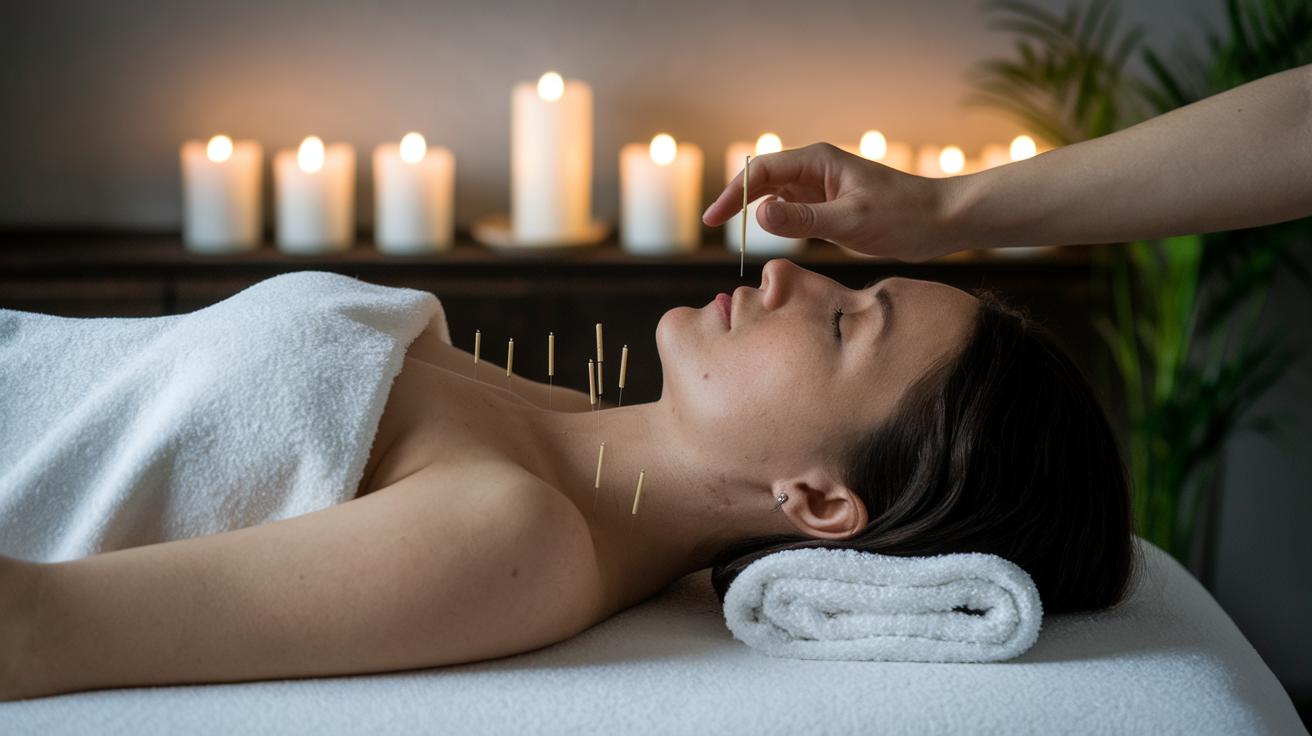
Acupuncture has shown promise for some women; small studies found that a series of sessions helped regularize their periods. Today, researchers are also exploring medications like liraglutide, a type of GLP-1 agonist that helps control weight and insulin levels, to see if they can offer benefits. Other innovative methods, including non-invasive techniques like in vitro maturation (a gentle lab process to help eggs mature) and personalized treatment plans, are being tested to better meet individual needs.
These fresh ideas are exciting, but most of the evidence is still early. Larger studies that use clear, randomized tests are needed before we can be sure these treatments work well and are safe. It’s always a good idea to discuss any new treatment options with your healthcare provider so you can understand both the benefits and the risks. As research continues, we hope to see these alternative methods offer safe, effective support for those managing ovarian syndrome.
Long-Term PCOS Management and Support Strategies

Living with PCOS means taking care of your health over the long haul. This condition affects your hormones and may require input from different experts such as doctors, nutritionists, and mental health counselors. Checking in with your care team regularly helps you tweak your treatment plan as needed. You might use an app or a simple journal to track your symptoms. For example, you could write, "After my yoga session, my stress went down a lot." Notes like these build confidence and help fine-tune your care.
Building a strong support network is a big part of managing PCOS. Many people find that learning about their condition and talking with others makes them feel less alone. Tools like symptom tracking and routine check-ups keep you actively involved in your health journey. Chatting with a mental health professional can also ease worries like anxiety or depression, which many experience with PCOS. Creating a daily routine that includes self-care, honest conversations, and trusted advice gives you a solid foundation to manage your condition day by day.
Final Words
In the action, we explored diverse ways to manage PCOS through tailored lifestyle changes, medical therapies, natural remedies, dietary plans, and fertility options. The post broke down each treatment method into clear, understandable steps.
We wrapped up by showing how combining these strategies can guide you toward better outcomes. With polycystic ovarian syndrome treatment options thoughtfully explained, there's a clear path toward improved care and a hopeful, healthier future.
FAQ
How can PCOS be permanently cured?
The idea behind permanently curing PCOS is managing symptoms over time. Long-term care with lifestyle changes, medications, and individualized plans can help control the condition, though a complete cure isn’t currently available.
How can unmarried women manage PCOS symptoms and treatment?
The approach for unmarried women with PCOS involves balancing hormones and reducing symptoms through lifestyle adjustments, dietary changes, and personalized medical care, all while focusing on overall well-being rather than fertility.
What is the most effective, gold standard, or first-line treatment for PCOS?
The most common treatment starts with combined oral contraceptives and lifestyle modifications to regulate menstrual cycles and hormone levels. Medical decisions are personalized based on symptoms, age, and personal health goals.
How does a PCOS treatment diet help manage symptoms?
A PCOS treatment diet emphasizes low-glycemic, whole foods, lean proteins, and healthy fats that work together to stabilize insulin and hormone levels, which can help reduce symptoms and support overall health.
What are the recommended PCOS treatment options for women seeking pregnancy?
For those focusing on pregnancy, treatment often includes fertility medications to help induce ovulation along with lifestyle changes, ensuring a safe conception process while managing PCOS symptoms.
Is PCOS dangerous in terms of long-term health?
PCOS can lead to complications like infertility, metabolic issues, and heart risks if left unmanaged. However, with early diagnosis and a tailored treatment plan, many women enjoy a healthy, active life.

