
Can one treatment change the outlook for melanoma? Today, many therapies give patients a real chance to fight back stronger. For example, early-stage surgery works like a precise cleanup, while more advanced treatments help boost your body’s natural defenses.
Imagine each treatment not only striking the cancer but also lighting up a path to a brighter future. In this article, we explore the different options available, showing you how every step in treatment can renew hope and offer a fresh start.
Melanoma Treatment Options: A Comprehensive Overview
When melanoma is caught early (Stages 0–II), the main treatment is surgery. Doctors usually remove the cancer along with a border of healthy skin to help stop it from coming back. In some cases, if the lesion is very small, a simple biopsy might be all that’s needed. Picture a surgeon carefully removing a tiny spot, ensuring every bit of suspicious tissue is cleared.
For melanomas that have a higher risk, extra treatments before or after surgery can be added. These include methods like radiation or medicines that boost the immune system (immunotherapy, which are drugs that help your body fight cancer). When the melanoma is more advanced (Stages III–IV), treatment shifts to focus on the whole body. Medications such as ipilimumab or PD-1 inhibitors like nivolumab and pembrolizumab work by ramping up the body’s natural defenses. Sometimes, using two immunotherapy drugs together can improve outcomes, even though they might come with more side effects.
If a patient’s melanoma has a genetic change, like a BRAF mutation, targeted treatments become key. Early drugs like vemurafenib opened the door for using combinations, such as dabrafenib with trametinib, to attack the cancer more precisely. Today, chemotherapy is usually saved for cases that don’t respond to other treatments, while radiation is often used to help ease symptoms in more widespread disease.
| Treatment Stage | Modalities |
|---|---|
| Early (0–II) | Surgery, excisional biopsy |
| High-risk | Adjuvant or neoadjuvant therapy (extra treatment before or after surgery) |
| Advanced (III–IV) | Immunotherapy, targeted agents, chemotherapy, radiation |
Surgical Treatment Options for Melanoma
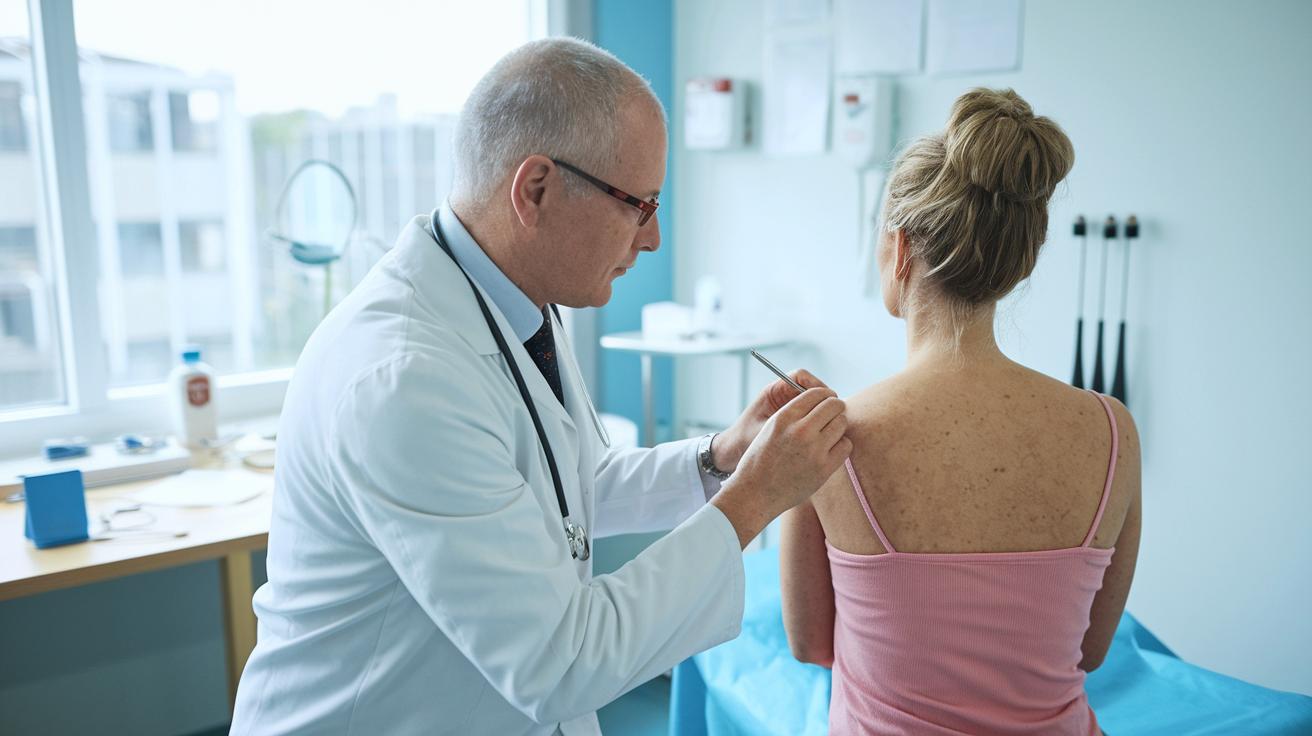
When melanoma is found early, surgery is a reliable way to treat it. For stages 0–II, doctors remove the cancer with a wide local excision, which means they take out not just the tumor but also some extra tissue around it. Sometimes, if the lesion is very thin (less than 1 mm), an excisional biopsy is done and can even serve as the full treatment. Think of it like a watchmaker fixing a delicate clock, every cut is important.
For patients with Stage II melanoma or more, doctors often recommend a sentinel lymph node biopsy to check if the cancer has moved beyond the original spot. This extra check helps guide the decision for any additional treatment, ensuring the plan is just right for you.
When melanoma shows up in areas where appearance matters or in a form called lentigo maligna, Mohs micrographic surgery is a gentle, minimally invasive option. It works by removing cancerous tissue little by little, layer by layer, until every bad cell is gone. Many patients experience a quick recovery with minimal scarring and excellent cosmetic results.
For melanoma in the eye, known as ocular melanoma, treatment depends on the tumor’s size. Small tumors can often be treated with plaque brachytherapy, while larger ones might require removing the eye (enucleation). Every surgical choice is carefully made to keep you safe and help maintain a good quality of life.
Targeted Therapy Options for Melanoma
About half of melanomas have changes in the BRAF gene. This opens up treatment options that focus precisely on the genetic tweaks causing the cancer. Think of it like using a magnifying glass to spot the tiny problem area so the treatment knows exactly where to strike.
Some patients may get extra help when doctors use a mix of drugs. For example, using dabrafenib with trametinib (sold together as Tafinlar®-Mekinist®) often shows better results and slows down the cancer. Sometimes, trametinib alone works well for certain patients with BRAF changes. This process, called precision oncology, means that by checking your tumor’s genes, doctors can plan a treatment that fits your unique situation.
While these therapies can fight cancer effectively, they might also cause side effects like rashes, fevers, joint aches, and tiredness. The idea is to strike a balance between attacking the cancer and keeping these symptoms manageable. Here’s a quick overview of the main targeted therapy choices:
| Drug/Regimen | Target | Key Information |
|---|---|---|
| Vemurafenib | BRAF mutation | Approved in 2011; attacks the altered BRAF gene |
| Dabrafenib-Trametinib | BRAF and MEK | Combo treatment that boosts response and slows cancer growth |
| Trametinib Monotherapy | MEK inhibitor | Used alone for certain patients with BRAF mutations |
Precision medicine continues to change care by carefully matching the right drug to the unique characteristics of each tumor.
Immunotherapy Options for Melanoma
Checkpoint Inhibitor Therapies
Immunotherapy has changed how we treat melanoma by helping the body fight cancer. One way it works is by using a CTLA-4 inhibitor called ipilimumab (Yervoy®). It basically takes the brakes off your T cells so they can better spot and attack cancer cells. Since 2014, PD-1 blockers like pembrolizumab and nivolumab have also joined the fight by stopping signals that hold T cells back from attacking tumors, which often leads to improved patient responses. Doctors sometimes mix these treatments, such as pairing nivolumab with ipilimumab since 2016. This combo can boost the cancer-fighting power even more but may also bring side effects like colitis and dermatitis. Recently, a new mix using nivolumab with relatlimab (approved in 2022) has offered another way to push the immune system while keeping side effects under close watch. Imagine it like taking the speed limit off a car; you may get a big boost, but you need to watch out for a bumpy ride.
Cellular and Viral Immunotherapies
Cell-based therapies are another source of hope. Take Lifileucel (Amtagvi®), for example. This treatment uses immune cells taken from a patient’s tumor, boosts their strength, and then returns them to help fight cancer. It got fast-track approval in February 2024 for patients with metastatic melanoma that hasn’t responded to other treatments.
Oncolytic viral therapy is also showing promise. T-VEC (Imlygic®), approved in 2015, uses a modified virus to directly break apart tumor cells. At the same time, it sends out signals that wake up the rest of the immune system to hunt down any remaining cancer. Of course, watching for potential side effects is important, and doctors carefully monitor patients to balance a strong treatment response with safe, manageable side effects.
Chemotherapy and Radiation Treatment Options for Melanoma
Sometimes, when treatments like immunotherapy or targeted therapies don't work as well as hoped, doctors may try chemotherapy. They use drugs such as dacarbazine and temozolomide only when the cancer shows clear signs of growing. Think of it like reaching for a backup tool when your go-to one isn’t cutting it anymore.
Radiation therapy is another important option, especially when melanoma spreads to the brain, bones, or soft tissues. This treatment can shrink tumors and ease pain, much like a focused beam that soothes a long-lasting ache. In some cases, doctors also use radiation after surgery on larger or spreading nodes to help reduce the chances of the cancer coming back.
- It helps ease symptoms in parts of the body where treatment is tough.
- Researchers are even exploring how radiation paired with immunotherapy can boost overall results.
Even though chemotherapy and radiation might not always be the first choice, they play a vital role in managing tougher cases. This approach can bring renewed hope when other treatments don’t lead to lasting control.
Emerging and Experimental Treatment Options for Melanoma

Recent research is opening up new ways to fight melanoma. Doctors are testing ideas that may soon change how we treat this type of skin cancer. One of these new methods is Lifileucel TIL therapy. This treatment takes a patient’s own immune cells found in the tumor, boosts them in a lab, and then puts them back into the body. Early studies show that about 30–40% of patients who did not do well with standard treatments saw improvements. It’s a hopeful sign for many.
Another exciting area is neoantigen vaccines. These vaccines, which use small pieces of proteins (peptides) or messenger RNA (mRNA), are now in early trials. They work by training the body’s immune system to recognize and attack melanoma cells. In early trials, patients receiving neoantigen vaccines experienced immune responses that felt like a personalized alarm system against cancer.
Researchers are also testing new medicines that help the immune system. For example, treatments that block proteins called LAG-3 and TIM-3, as well as bispecific antibodies (which target two different markers at once), are in the trial stage. These methods aim to give T cells the freedom to fight more effectively. In addition, studies on adoptive T-cell and CAR-T therapies, where immune cells are modified to better fight cancer, offer a glimpse into future possibilities. Finally, research is exploring combinations of oncolytic viruses (viruses that infect and kill cancer cells) with PD-1 blockers (drugs that remove brakes from the immune system). The mix of these treatments shows promise in working together to fight melanoma.
- Lifileucel TIL therapy
- Neoantigen vaccines (peptide and mRNA)
- New medicines targeting LAG-3, TIM-3, and bispecific antibodies
- Adoptive T-cell and CAR-T therapies
- Combinations of oncolytic viruses with PD-1 blockers
Final Words
In the action, we explored various treatment options for melanoma, from surgery to targeted therapy, and even immunotherapy. The blog post broke down each method in clear, simple terms to help readers grasp complex ideas like personalized care and the role of innovative drugs. We also touched on adjuvant therapy approaches and emerging clinical trials. With effective treatment options for melanoma, the future looks bright as medical advances continue making patient care more secure and personalized.
FAQ
What does Stage 4 melanoma treatment involve?
Stage 4 melanoma treatment involves combining advanced immunotherapy, targeted therapy, and sometimes clinical trial options. This approach aims to control spread while tailoring treatment to the patient’s overall health and tumor characteristics.
What do melanoma treatment guidelines recommend?
Melanoma treatment guidelines recommend a stage-based approach. They suggest surgical removal for early stages and incorporate immunotherapy or targeted treatments for more advanced cases based on tumor depth and mutation status.
What does Stage 1 melanoma treatment include?
Stage 1 melanoma treatment includes surgical removal, typically wide local excision, to minimize the risk of recurrence. In some cases, a sentinel lymph node biopsy may be recommended to further check for spread.
How quickly should melanoma be removed?
Melanoma should be removed promptly after diagnosis. Early surgical removal reduces the chance of further spread and improves outcomes, making timely follow-up care essential.
What is known about a melanoma cure?
While no single cure has been found for melanoma, modern therapies offer improved outcomes. Early detection, combined with surgery and new treatment methods, has enhanced survival rates significantly.
What role does immunotherapy have in treating melanoma?
Immunotherapy for melanoma boosts the immune system by blocking inhibitory signals that let cancer grow. This treatment is especially useful in advanced stages, helping the body attack cancer cells effectively.
How do melanoma pictures help with diagnosis?
Melanoma pictures help by showing visual clues like irregular borders or mixed colors. They assist both patients and doctors in identifying suspicious moles and prompt further medical evaluation.
What are common melanoma symptoms?
Common melanoma symptoms include moles that change in size, color, or shape, and may itch or bleed. These signs can indicate potential melanoma, and professional assessment is recommended for any changes.
What is the most effective treatment for malignant melanoma?
The most effective treatment for malignant melanoma is a stage-adapted approach. Early stages typically rely on surgical removal, while later stages often need a mix of immunotherapy, targeted therapy, and supportive treatments.
Can melanoma be treated without chemotherapy?
Melanoma is often treated successfully without chemotherapy. Many patients benefit from surgery, immunotherapy, and targeted therapies, which are used to control the disease before considering chemotherapy options.
Can melanoma be removed completely?
In early stages, melanoma can often be completely removed through surgery. In advanced cases, additional treatments are needed to manage any residual disease and provide the best chance for recovery.

