
Have you ever felt a little cramp or extra tired and wondered if it might mean something more? A simple symptom check can give you early clues and even a bit of hope. You might notice signs like sore breasts, a period that's a bit late, or mild cramps. This quick checklist helps you see what to watch for so you can feel more in control of your health. In just a few steps, you can decide if it's a good time to try a home pregnancy test and find the answers you need.
Pregnancy Symptom Test Sparks Early Hope
Have you noticed little signs that might hint at early pregnancy? This simple checklist is here to help you catch those common early signals. It talks about things like having unprotected sex, which means having vaginal intercourse without a condom or other barrier method, and a period that comes later than usual. When you spot these clues, it might be time to consider a home pregnancy test.
Pay close attention to even the small details. For example, you might see a bit of spotting when the embryo attaches, usually 6 to 10 days after ovulation. Some women also feel mild cramps, similar to normal period discomfort. Remember, home tests look for the hormone hCG (a hormone made when you are pregnant), and it can take a couple of days for it to build up enough to be detected.
Here are some signs to watch for:
- Having sex without a condom, diaphragm, or spermicide.
- A period that is late, which could be a sign your cycle is off.
- Breasts feeling tender or noticeably changing in size.
- Nausea or vomiting, which happens for many women.
- Fatigue that is more than just your usual tiredness.
- Unusual cravings or changes in your appetite.
- More trips to the bathroom than usual.
- Bloating and gas that make your belly feel uncomfortable.
- Light spotting about 6 to 10 days after ovulation.
If several of these points sound familiar, you might want to take a home pregnancy test on the first day your period doesn’t show up or a couple of days later. Testing at this time gives the hCG hormone enough time to reach a level that the test can detect. Even if you used birth control before, remember that there is still a small chance of pregnancy, so keeping an eye on these early signs can be very helpful in understanding your reproductive health.
Pregnancy vs PMS: How to Distinguish Key Signs
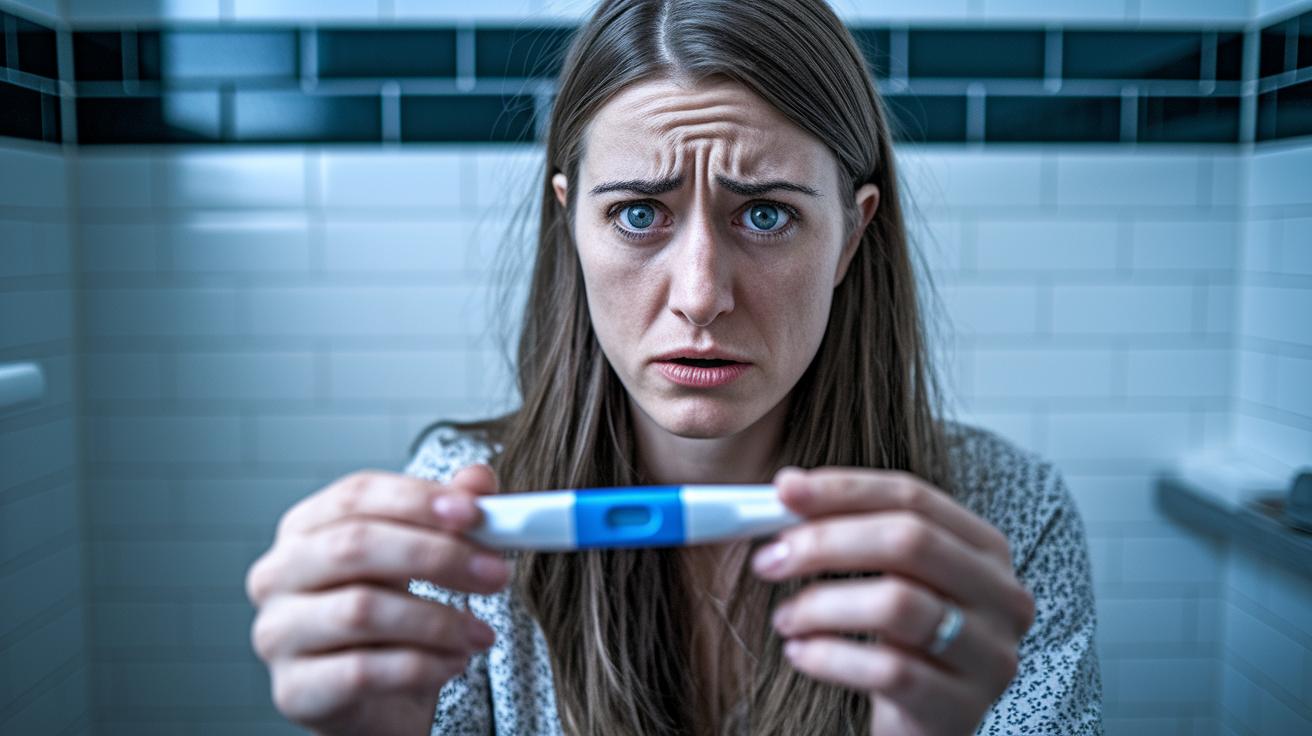
Figuring out whether you’re experiencing pregnancy or just PMS can be confusing because both bring on similar changes. You might notice bloating, gas, or a little cramp feeling, each can be a signal from your body’s natural hormone shifts.
But there are key differences that can help you tell them apart. For instance, while PMS might make your breasts feel tender, early pregnancy often comes with darker nipples and a more frequent need to visit the restroom. Even if you’re using contraception, which isn’t 100% foolproof, these particular signs might call for a closer look.
Pay special attention to persistent bathroom trips combined with noticeable nipple darkening. These signs lean more toward pregnancy than PMS. When in doubt, considering a home pregnancy test could be a helpful next step, offering a little extra clarity in understanding what’s happening with your body.
Timing Your Pregnancy Symptom Test: Optimal Window
When you use a home pregnancy test, it looks for a hormone called hCG. This hormone shows up in your pee after a fertilized egg attaches itself in your uterus, usually about 6 to 10 days after ovulation. Waiting until your period is missed, or just a day or two later, gives hCG enough time to build up and make the test more reliable.
Mark the day your period is expected on a calendar and plan to take your test then, or a couple of days after. This little wait lets the hCG reach a level that most tests can pick up easily, giving you a clear and confident insight into those early signs of pregnancy.
Understanding Test Accuracy and Next Steps
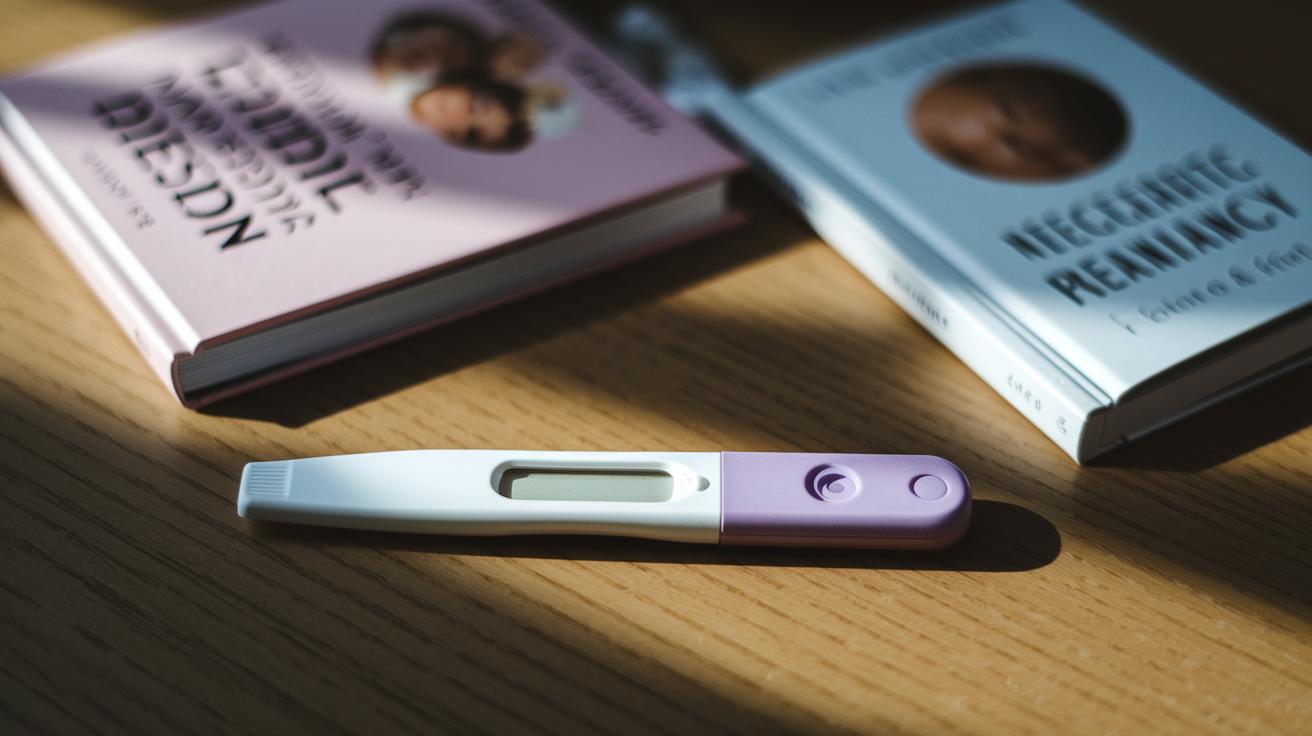
Home pregnancy tests work best if you take them after you miss your period. This is when there is enough hCG in your body for the test to be accurate. For more details, check out the Timing Your Pregnancy Symptom Test: Optimal Window.
If your test comes back positive, give your healthcare provider a call to confirm your pregnancy and chat about what comes next. If the test shows negative but you still feel signs like nausea or breast tenderness, consider testing again or talking with your doctor. If your symptoms keep coming back, it might be a good idea to schedule a visit for a closer look.
Interactive Pregnancy Symptom Test Tools and Resources
Discover a set of online tools designed to help you easily track and understand early pregnancy signs. These tools offer a simple way to check symptoms like missed periods, breast soreness, nausea, tiredness, changes in appetite, bloating, and frequent trips to the bathroom. They let you keep an eye on your health in a relaxed and secure way.
Interactive Pregnancy Quiz
This quiz asks clear, straightforward questions to help you figure out if your symptoms might be linked to pregnancy. It guides you through details like when your period happened, if you’ve had unprotected sex, and what changes you’ve noticed in your body. Imagine getting instant feedback that points out, for example, that feeling breast tenderness along with unusual cravings might be worth a closer look.
Ovulation Calendar and Due Date Calculator
This handy tool helps you keep track of your menstrual cycle by marking your fertile days and estimating when you might have conceived. All you need to do is enter basic information like your cycle length and start date, and the calendar gives you a clear picture of when you might spot implantation signs. Then, the due date calculator turns these details into a simple estimate that’s easy to follow.
Community Forums and Expert Newsletters
Connecting with others is made easy through community forums where you can share your journey, whether you’re just starting out or dealing with other challenges like twin or early deliveries. In addition, week-by-week newsletters deliver expert advice and reassuring updates to help you feel informed and supported every step of the way.
Final Words
In the action, this article broke down what to watch for with early signs after unprotected sex, explained the clues that set pregnancy apart from PMS, and showed the best time for testing.
It offered a clear checklist, guidance on hCG detection, and simple digital tools to help you move forward confidently.
Using a reliable pregnancy symptom test can empower you to take the next steps with clarity and optimism.
FAQ
What is a 100 percent accurate online pregnancy test?
The 100 percent accurate online pregnancy test inquiry means there is no test that guarantees complete certainty. Online tests provide helpful symptom assessments but should be followed by home tests and professional medical advice.
How does the most accurate Am I pregnant quiz work?
The most accurate Am I pregnant quiz questions use symptom checklists and personal data to estimate pregnancy likelihood. It offers a preliminary insight, encouraging users to perform a home test or consult a healthcare provider.
How do online pregnancy test scans and fingerprint pregnancy tests work?
The online pregnancy test scan and fingerprint pregnancy test online combine secure data entry with symptom prompts. They simulate an in-person screening by assessing signs of early pregnancy but do not replace lab-confirmed testing.
What does the 50 question pregnancy quiz cover?
The 50 question pregnancy quiz covers various early pregnancy symptoms in a detailed format. It guides users through common indicators and helps decide if further testing or a healthcare consultation is needed.
Can I use a free online pregnancy test, and is it reliable?
The free online pregnancy test offers an accessible preliminary check by reviewing common symptoms. While it gives an initial insight into potential pregnancy, it should not replace a home test or professional evaluation.
How does the online pregnancy test calculator assist users?
The online pregnancy test calculator uses menstrual dates and symptom timing to estimate conception periods. It helps users understand their cycle better and decide the optimal time for a home pregnancy test.

