
Ever wonder if keeping a daily diary could improve your health? Tracking how you feel, whether it’s your mood, sleep, or stress, on a simple scale can give you clear insights. Noticing even the small changes helps you understand when you’re doing well and when you need a bit of extra care. In our talk, we’ll show you how these simple steps can highlight patterns in your health and give you the power to take control.
Mastering Self-Monitored Symptom Assessment for Accurate Personal Health Tracking
Tracking your own symptoms is a key part of managing your health, especially if you live with a chronic condition or are undergoing Cognitive Behavioral Therapy (a type of talk therapy that helps manage thoughts and feelings). It lets you keep a simple, reliable diary at home where you can log daily changes like mood shifts or sleep quality. You might use a basic questionnaire to note feelings of anxiety, depression, trauma, or even OCD. Imagine an app that gently asks, "How are you feeling today on a scale from 0 to 10?" This friendly reminder helps you keep a clear mobile health diary which can guide treatment decisions with real, objective data.
Staying consistent with your symptom tracking is really important. Whether you jot down notes every day or update a weekly checklist, regular entries help you notice patterns over time. This habit fills in the gaps between the days you feel well and the ones when you feel a bit off. In fact, many telehealth services are now using patient-recorded data to help doctors make better decisions, a practice that grew during the COVID-19 pandemic. By logging your symptoms carefully, you not only empower yourself with a deeper understanding of your health but also create a solid base of information that your healthcare provider can use to spot changes early and guide your care.
Essential Techniques for Effective Self-Monitored Symptom Assessment
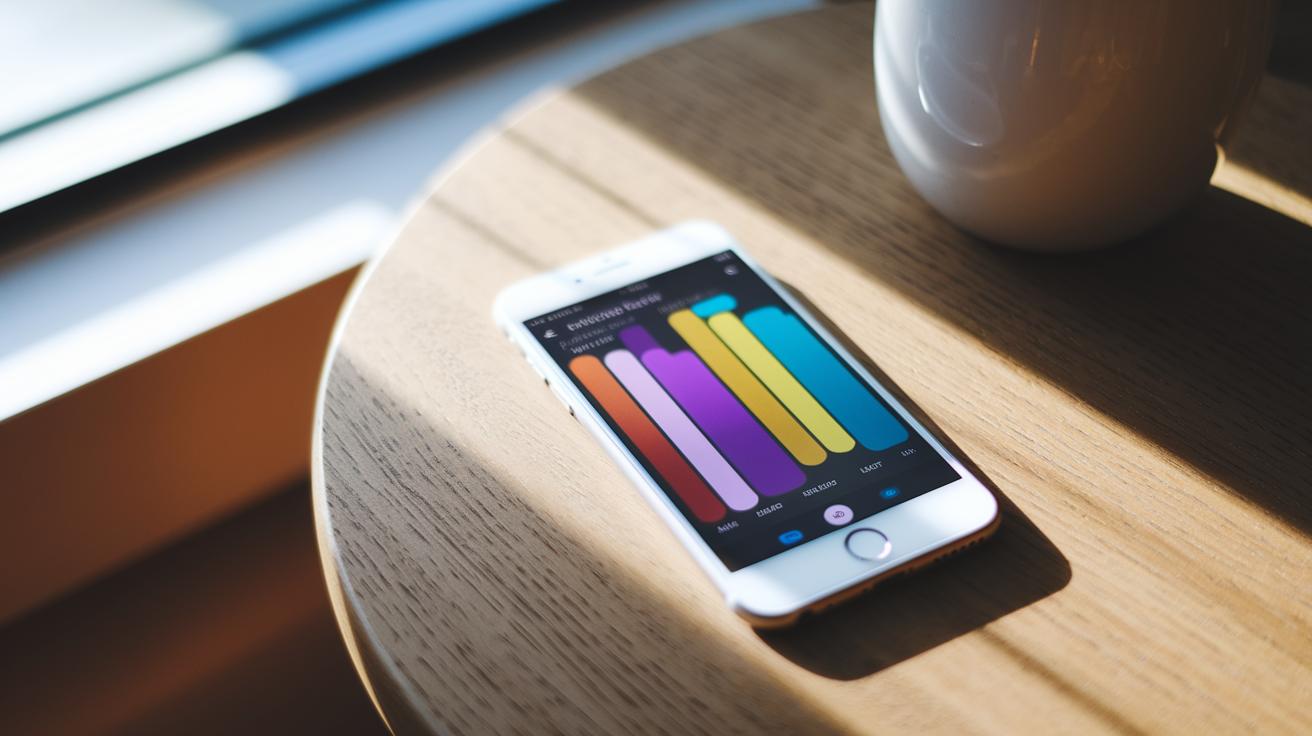
Start by adding self-report questionnaires to your daily routine. These simple tools let you track your feelings about things like anxiety, depression, trauma, or OCD. For example, each morning you could rate your mood on a scale from 0 to 10, saying something like, "This morning, my anxiety was about a 6." Pairing this with a daily log and a checklist helps you catch small details you might miss otherwise.
Clinician-rated scales use a set list of questions to ensure your answers are trustworthy. They often use a clear scoring system that shows when a score crosses a health threshold. Over time, watching these scores go up or down can help you see how you're doing and guide changes in your routine.
Diagnostic appraisal techniques are also very useful. They include tests like neuropsychological screenings for conditions such as ADHD or autism. These tests can help spot any challenges you might face in your treatment. When you regularly use these tools, you build a solid foundation for meaningful talks with your healthcare provider. Using all these methods together makes your self-monitoring both clear and supportive.
Digital Tools and Technologies for Self-Monitored Symptom Assessment
Smartphone apps let you quickly note down how you're feeling each day. They send gentle reminders to check in with yourself, like asking, "How many hours did you sleep last night?" This little nudge helps you keep track of your sleep and gives you a sense of calm.
Wearable devices are another friendly option. They measure key signs like your heart rate and temperature, and they keep track of your sleep and activity too. Imagine wearing a device that quietly counts your steps and notices if your heart rate jumps during a busy day, it’s like a personal health journal on your wrist.
Remote monitoring platforms, using IoT technology, take things even further. They offer real-time updates and can alert you if something seems off. These platforms combine the data you record with the information from your telehealth visits, making it easier for your doctor to see how you're doing.
Some advanced trackers even sync with your electronic health records. That means all the details you log on your app or wearable are safely stored and can be quickly reviewed by your healthcare provider.
Together, these digital tools create a network of support that connects you to the care you need while keeping your personal health details secure and organized.
Analyzing Symptom Trends in Your Self-Monitored Symptom Assessment

When you spend a few weeks noting your health, you begin to see clear trends emerge. By jotting down details like pain levels, mood, sleep, and daily activities, you can spot shifts that hint at what might be triggering or easing your symptoms. Imagine a simple dashboard where severity scores, frequency counts, and how long your symptoms last all come together. This visual snapshot makes it easier to see how your condition changes over time.
Using simple numbers to score your pain, log symptom frequency, track how long symptoms last, and add little notes about your day builds a full picture of how you’re doing. For example, record the moments when your pain suddenly jumps or when you feel noticeably better after a change in your routine. Pair these observations with everyday notes, and you get a clear insight into your well-being.
A practical way to keep track of all this is by setting up a table where you can compare the key details easily. This approach lets you adjust your self-care plan or share meaningful observations at your next health check. Here’s a simple example of how you might organize your data:
| Metric | Definition | How to Track |
|---|---|---|
| Pain Severity | Score from 0 to 10 | Daily diary entry |
| Mood Level | Scale from very low to high | Morning and evening log |
| Sleep Quality | Hours slept plus restfulness | Morning sleep tracker |
| Activity Impact | How symptoms affect daily tasks | Short notes |
Tracking these patterns not only helps you feel more confident about your health choices but also guides you toward a routine that really works for you.
Limitations and Professional Guidance in Self-Monitored Symptom Assessment
Tools like digital logs, checklists, and rating scales are great for keeping track of your daily symptoms. They give you insights into how you're feeling between doctor visits, but they can't replace a professional evaluation. If you notice a sudden spike in your mood or any other change, it’s best to reach out to a doctor instead of trying to figure it out on your own.
In telehealth, your accurate, self-reported information is really important. Your own notes help build a clear picture of your health, but if your symptoms hit a level that worries you, a health professional should review them. Think of self-monitoring as the first step in a team effort with your clinician. Some remote services, like those at https://healthyfax.com?p=2228, might even suggest a follow-up with a doctor to ensure you get the expert care you need.
Staying in touch with your healthcare provider means your self-tracked data is used the right way to guide your care.
Self-monitored symptom assessment: Empower Your Health

Keeping a daily record of how you feel can give you a better picture of your overall health. You might write your symptoms down using a simple number scale. For example, you could say, "Today, I felt a 4 out of 10 in energy levels."
Using tools like the PHQ-9 for mood or the GAD-7 for anxiety helps you notice even small changes. You might note, "I used the PHQ-9 scale to track my mood and saw improvement."
It can be really helpful to set a daily reminder on your phone or computer. A note like, "My reminder at 8 a.m. helped me log my sleep and stress levels," makes it easier to stick to your routine.
And don’t forget, you can work with your therapist to adjust your tracker. Combining regular check-ins with professional advice makes your self-assessment both useful and secure.
| Action | Example |
|---|---|
| Daily Tracking | “Today, I felt a 4 out of 10 in energy levels.” |
| Standard Rating | “I used the PHQ-9 scale to track my mood and saw improvement.” |
| Digital Reminder | “My reminder at 8 a.m. helped me log my sleep.” |
| Customized Tracker | “My therapist helped tailor my self-assessment tool.” |
Final Words
In the action of self-monitored symptom assessment, you step into a clear method of personal health tracking. We covered key ways to use daily logs, self-report questionnaires, and modern digital tools. These steps help you catch trends and adjust care timely. Regularly tracking your symptoms not only keeps you informed but also supports smoother virtual consultations with clinicians. Embrace this process as a simple, empowering tool for better care and peace of mind.

