
Have you ever thought about how physical therapy can give someone with cerebral palsy a new sense of independence? It does more than just build muscle, it helps improve movement and balance, much like a favorite song playing perfectly. In this post, we look at seven clear benefits that not only boost strength and coordination but also open the door to a more active life. These targeted exercises can turn everyday challenges into smoother steps and build lasting confidence.
How Physical Therapy Treatment Improves Function in Cerebral Palsy
Physical therapy helps people with cerebral palsy move easier, feel stronger, and gain independence. It uses hands-on methods that are safe and designed just for you, kind of like tuning up a car to keep it running smoothly each day.
Therapy blends exercises that build motor skills with tools like therapy balls, resistance bands, and gentle stretching routines. These activities tackle muscle tightness and weak joints and are tailored to each person’s abilities. Imagine how a warm bath soothes your muscles, that’s the kind of calming effect a gentle stretch can have. The main goals include:
| Goal | Description |
|---|---|
| Better Joint Movement | Improved range of motion |
| Increased Muscle Strength | Building up muscles for daily tasks |
| Enhanced Coordination & Balance | Helps with steadiness |
| Boosted Independence | Makes everyday activities easier |
Research shows that regular therapy sessions boost strength and mobility while lowering the chance of contractures, which are tight, shortened muscles. Adults benefit as well; mixing activities that keep your heart healthy with muscle-building exercises leads to better fitness and mobility over time. The body is amazing at adapting, and early therapy takes advantage of this by tapping into the brain’s ability to rewire itself (a process called neuroplasticity). Later sessions help maintain smooth and effective movement, making daily activities simpler and life a bit more confident.
Neurodevelopmental Treatment Techniques for Spastic Cerebral Palsy

Neurodevelopmental treatment (NDT) is a hands-on therapy that helps people with spastic cerebral palsy manage their daily challenges. Often, muscle tightness and balance issues can make simple tasks harder. NDT works with the brain’s natural ability to form new connections, especially in early childhood, by guiding controlled movements that help retrain the way muscles work.
This method aims to ease muscle stiffness and boost range of motion. For example, keeping muscles stretched for a long time can relax them, while gentle, daily movements keep joints flexible and ward off contractures. Sometimes, splints are used to support a limb, reducing tightness and keeping it in the right position. Therapists guide patients through exercises that encourage smoother, more comfortable movement, making everyday actions feel more natural.
Proprioceptive Neuromuscular Facilitation (PNF)
PNF uses specific movement patterns and rhythmic stabilization exercises to improve dynamic stability. By gently guiding patients through coordinated exercises, therapists help enhance balance and coordination, so movements flow more smoothly. It’s like practicing everyday activities in a caring, structured way.
Splinting and Passive Movements
Splinting involves using devices that hold a limb steady in a helpful position to relieve muscle tightness. Regular sessions of passive range-of-motion exercises also keep joints flexible, which helps delay stiffness over time.
Research shows that when these NDT techniques are applied, they can improve sitting balance, standing stability, and overall smoothness of movement, leading to more independence in daily life.
Strengthening and Flexibility Exercises for Cerebral Palsy
Combined exercises that boost strength and flexibility are key to improving muscle power and how far joints can move. They work like the gears in a smooth-running machine, helping your legs support standing and walking while keeping your core steady. This means you can manage everyday activities more easily with the help of gentle resistance work mixed with simple stretches.
| Exercise | Targeted Outcome | Frequency |
|---|---|---|
| Resistance band leg lifts | Improves hip and knee extension | 3 sets of 10 reps, 3 times a week |
| Seated trunk stabilization | Enhances core control | Hold for 2 minutes, daily |
| Passive hamstring stretch | Boosts hamstring flexibility | Hold for 30 seconds, twice a day |
| Single-leg stands | Improves balance and body awareness | 5 times for 30 seconds, daily |
It’s important to adjust these exercises as each person’s needs change with age and the severity of cerebral palsy. Therapists often tweak the exercise intensity or the length of a stretch to match someone’s current strength and flexibility. Some might begin with shorter holds or fewer repetitions, gradually increasing as they build confidence and resilience. Trying out different speeds or levels of resistance can help find the right challenge without causing strain. By paying close attention to how things feel and giving feedback, health professionals can fine-tune your routine so that every session moves you closer to better mobility and an improved quality of life.
Gait and Balance Training in Cerebral Palsy Rehabilitation
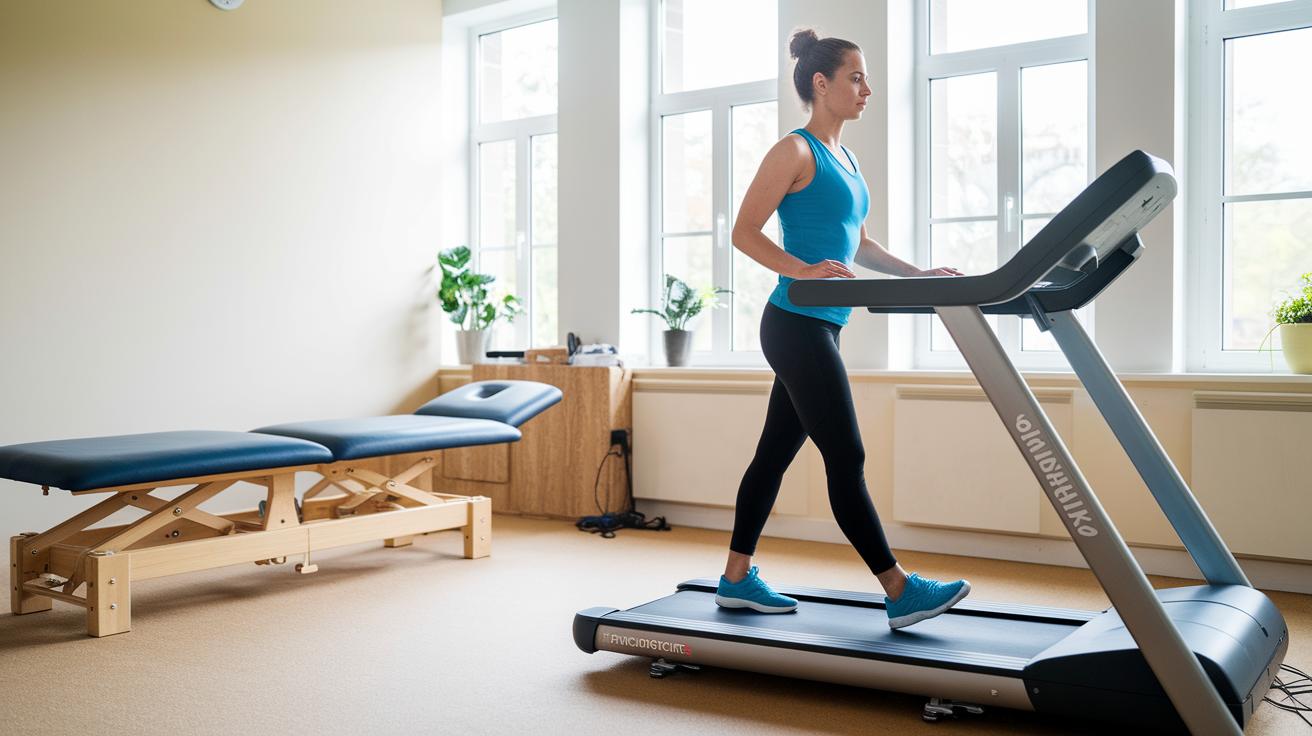
Walking on a treadmill with some body-weight support is a proven way to help restore your natural walking pattern. Overground exercises also play a big part by letting patients practice moving just like they would at home or work. Think of it like this: imagine being on a treadmill that holds you up a bit so you can focus on moving your legs correctly without fretting about your balance.
Simple balance routines make a big difference too. For instance, doing exercises on wobbly surfaces, using therapy balls, or reaching out in a controlled way can really challenge your balance in a fun and engaging manner. In programs for kids, these routines turn into playful games and interactive activities that mix exercise with fun. This playful approach not only boosts motor skills but also builds confidence and strength with every session.
Clinical studies tell us that after 6 to 12 weeks of targeted gait and balance training, many patients see improvements like faster walking speeds, steadier strides, and better overall posture. These gains help make everyday movements smoother and more reliable.
Aquatic and Innovative Therapies in Cerebral Palsy Care
Aquatic therapy helps ease the strain on the body by reducing the effects of gravity, which makes it easier for someone with cerebral palsy to move and stretch. When you’re in water that comes up to your chest, movements feel smoother and the muscles don’t work as hard. It’s like drifting gently where every stretch is kinder on your joints. This safe and supportive setting lets you practice moves similar to those on land, but with extra help to keep you secure.
New technology is also making a big difference. Robotic devices, like exoskeletons, lend a hand with walking by giving real-time tips to guide your steps correctly. Virtual reality turns therapy into an engaging experience that feels a bit like playing a game, which can help boost balance and coordination. Then there’s hippotherapy, where therapeutic horseback riding gently works on strengthening your core and control. Through these creative approaches, many find that they gain better posture, improved balance, and overall more confidence with their movements.
Collaborative and Family-Centric Management Strategies in Cerebral Palsy Therapy

Working together is key to effective therapy for cerebral palsy. Physical therapists, occupational therapists, speech therapists, and bone specialists all join forces, talking clearly and openly to make plans that fit each patient’s needs. They meet regularly so everyone knows the goals and can adjust quickly when progress is made. Think of it like a friendly band where each instrument plays its part, making sure the patient gets all the care they deserve.
Family involvement is just as important. When caregivers learn simple home exercise programs, they become true partners in helping with motor skill development. They discover easy ways to track progress, tweak routines when needed, and create a loving, supportive environment. This team approach, where experts and families work side by side, lays a strong foundation for better movement and lasting independence.
Monitoring Progress and Adjusting Physical Therapy Plans in Cerebral Palsy
Therapists use helpful tools to check how well a patient is moving. They often rely on devices like goniometers (which measure how much a joint can move), the Functional Mobility Scale (FMS), and the Gross Motor Function Measure (GMFM). These tools are used at the beginning of treatment and then every few months to see changes in joint movement and overall motor skills.
Using the data from these checks, therapists adjust the plan to fit what the patient needs. They might see that a joint moves better than before and decide to add a bit more resistance to a stretching or strength exercise at home. If the progress seems to stall, they will change the exercises to focus on areas that still need help.
Every bit of feedback from each session guides these adjustments. This means that whether patients are doing exercises in the clinic or at home, their routines are always fine-tuned to help them get better. In this caring, step-by-step approach, measurable improvements help set new goals and keep each therapy plan safe and effective.
Final Words
In the action, this article highlighted techniques and approaches to boost function in cerebral palsy. It shared simple steps to improve mobility, strength, flexibility, gait, and balance. We also saw how innovative methods and teamwork shape successful outcomes.
Weaving together practical exercises and collaborative strategies, physical therapy treatment cerebral palsy emerges as a trusted path to better health. With focused, everyday solutions, promising progress feels possible, sparking hope for a brighter, more active future.
FAQ
What do physiotherapy treatment PDFs, PPTs, and guidelines for cerebral palsy include?
These resources outline detailed treatment plans, exercise routines, and management protocols tailored to boost mobility, strength, coordination, and overall function in individuals with cerebral palsy.
What are some common physiotherapy exercises for cerebral palsy?
Common exercises include a mix of 17 routines involving balance, strength, and flexibility drills aimed at enhancing motor skills in both children and adults with cerebral palsy.
How do physical therapists treat cerebral palsy?
Physical therapists create personalized programs combining motor skill training, stretching, resistance exercises, and balance strategies to improve strength, coordination, and functional independence.
What is the most common therapy to help cerebral palsy?
A widely used approach is a combination of targeted movement exercises, stretching to prevent contractures, and resistance training—all designed to enhance mobility and overall quality of life.
What is the best exercise for someone with cerebral palsy?
The best exercise varies by individual, but many benefit from routines focusing on flexibility and strength to improve posture, gait, and coordination.
How does someone with cerebral palsy walk?
Targeted gait training—including treadmill support, overground walking, and balance exercises—helps individuals with cerebral palsy build improved stride symmetry, stability, and overall walking ability.
Where can I find cerebral palsy physical therapy services for children and adults?
Local specialized clinics offer tailored programs designed for both pediatric and adult patients, ensuring interventions that boost motor skills and promote greater independence.
What are the recommended treatments for spastic cerebral palsy?
Treatment for spastic cerebral palsy focuses on reducing muscle stiffness with sustained stretching, passive movements, and splinting techniques, often combined with neurodevelopmental methods to enhance range of motion.

