
Have you ever wondered if a small change in your skin might be hiding your true glow? Tinea versicolor is a type of fungus that can seem harmless at first but may leave your skin looking patchy and dull. Think of it like an uninvited guest that slowly alters your skin’s natural tone.
In this article, we share easy, step-by-step tips to help you fight back against the fungus. Our goal is to guide you toward keeping your skin clear and radiant. Ready to bring back the vibrant look that truly shows who you are?
Effective Versicolor Treatment Overview
Tinea versicolor is a common skin condition caused by a fungus called Malassezia. You might notice small, flaky patches that come in shades like coppery brown, pale, or pink. These marks usually show up on your chest, back, neck, or arms. Even though young adults, particularly men, tend to get it a bit more often, anyone can experience these changes. Think of it like a quiet intruder on your skin, at first, it might seem harmless, but soon you start to notice its effects.
For milder cases, doctors often suggest using creams or medicated shampoos that fight fungus. Over-the-counter products with ingredients like selenium sulfide or ketoconazole help reduce the yeast on your skin if used over a period of 7 to 14 days. A typical routine might be to apply the product, let it sit for the time indicated, and then rinse it off thoroughly. This approach really targets the active areas, keeping the fungus from spreading further.
If the infection is more widespread or doesn't get better with creams, your doctor might recommend an oral treatment. Medications like itraconazole and fluconazole work inside your body to tackle the tougher cases. Once your skin clears up, using a selenium sulfide shampoo once a month can help prevent the fungus from coming back. This step-by-step approach gives you several ways to beat the condition and enjoy healthier, clearer skin.
Topical Antifungal Solutions in Versicolor Treatment

When your skin shows mild tinea versicolor, simple topical treatments can do the trick by targeting the fungus right at the source. For example, using a 2% ketoconazole shampoo every day for 7 to 14 days works like a gentle cleansing bath that washes away unwanted spots.
Another dependable choice is a 2.5% selenium sulfide shampoo. You use it regularly until the rash clears, then follow up with a monthly rinse to keep the fungus from coming back. Think of it as locking your skin’s door after you’ve tidied everything up.
Many find that a 1% clotrimazole cream works just as well. You simply apply a thin layer to the affected areas for about 7 to 14 days. Imagine smoothing on a protective layer that quietly shields your skin from further fungal growth.
Below is a comparison table that breaks down these options:
| Agent | Formulation | Typical Duration | Maintenance Notes |
|---|---|---|---|
| Ketoconazole shampoo | 2% shampoo | 7-14 days | Use as directed; no monthly upkeep needed |
| Selenium sulfide shampoo | 2.5% shampoo | 7-14 days | Monthly rinse recommended after clearance |
| Clotrimazole cream | 1% cream | 7-14 days | Apply consistently to affected areas |
Remember, following the instructions carefully for each treatment will help your skin get back to its clear, healthy self.
Oral Antifungal Therapies for Versicolor Treatment
Sometimes creams and shampoos just aren’t enough to clear up tinea versicolor. When the spots spread or stubborn fungus remains, doctors may suggest taking oral antifungal pills. It’s a bit like tuning up a musical instrument so each note comes out perfectly.
One common choice is itraconazole, usually taken as 200 mg every day for 7 days. This pill works deep in your skin to fight the infection completely. Another option is fluconazole, which can be given as a single 300 mg dose or 150 mg once a week. This flexibility helps when the fungus seems to linger despite earlier treatments.
Your personal health factors, like how well your liver works or whether you’re taking other medicines, play a big part in choosing the right treatment. Think of it as having a caring guide who makes sure every detail of your health is attended to, so you feel safe and secure through your treatment journey.
Preventing Recurrence and At-Home Versicolor Management
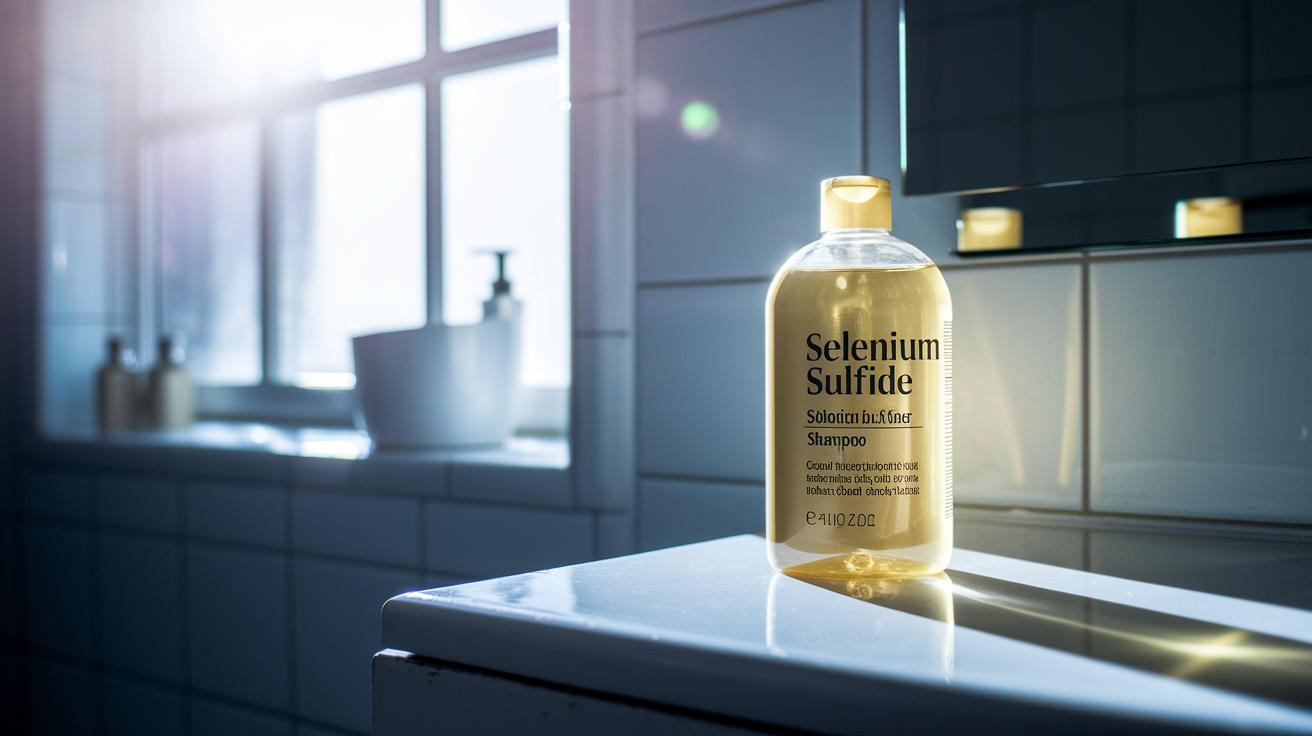
After finishing your active treatment, keep up a daily routine that helps your skin stay clear and bright. A good tip is to use selenium sulfide shampoo once a month, even after your rash clears. This simple step slows down the fungus on your skin and stops new spots from forming.
Wearing loose and breathable clothes and taking a shower right after you sweat really helps. When you cool and dry your skin quickly, it becomes much harder for the fungus to grow. Think of it like a garden, if you water it too much, unwanted weeds can pop up. A little regular care keeps your skin looking its best.
It’s also important to protect your skin from the sun. Using sunscreen and avoiding tanning can help blend your skin tone by reducing the contrast of lighter patches. Keep in mind that lighter areas may stick around for a few weeks or even months after treatment. That’s normal and doesn’t mean the treatment didn’t work.
- Use selenium sulfide shampoo once a month
- Wear loose, breathable clothing
- Shower right after you sweat
- Apply sun protection to help even out your skin tone
Diagnostic Methods and Professional Consultation for Versicolor
When you see unusual skin patches, a dermatologist starts by taking a close look at your skin. They carefully note changes like the shape and scale of the patches and any differences in skin tone. They might also ask you about any past skin issues. This simple chat helps them understand your skin history and draw a clear picture of what might be happening.
Next, the doctor might use a special tool called a Wood’s lamp. This lamp shines a light that makes the affected areas glow in a soft yellow-green hue. Think of it like a flashlight that highlights tiny details you wouldn’t normally see. This gentle glow helps point to a type of yeast that could be causing the patches.
If more proof is needed, they may perform a KOH test. Here, a small sample is gently taken from the skin and mixed with a potassium hydroxide solution, a chemical that helps reveal details when you look at it under a microscope. The doctor looks for a pattern sometimes called “spaghetti-and-meatballs.” This term describes the way the fungal elements, like clusters of spores and short strands (hyphae), appear in the sample. This special look confirms the diagnosis.
If the skin patches are widespread or don’t clear up with initial care, it’s a good idea to talk with a specialist for further advice and a care plan that fits your needs.
Healing Timeline and Expected Outcomes in Versicolor Treatment
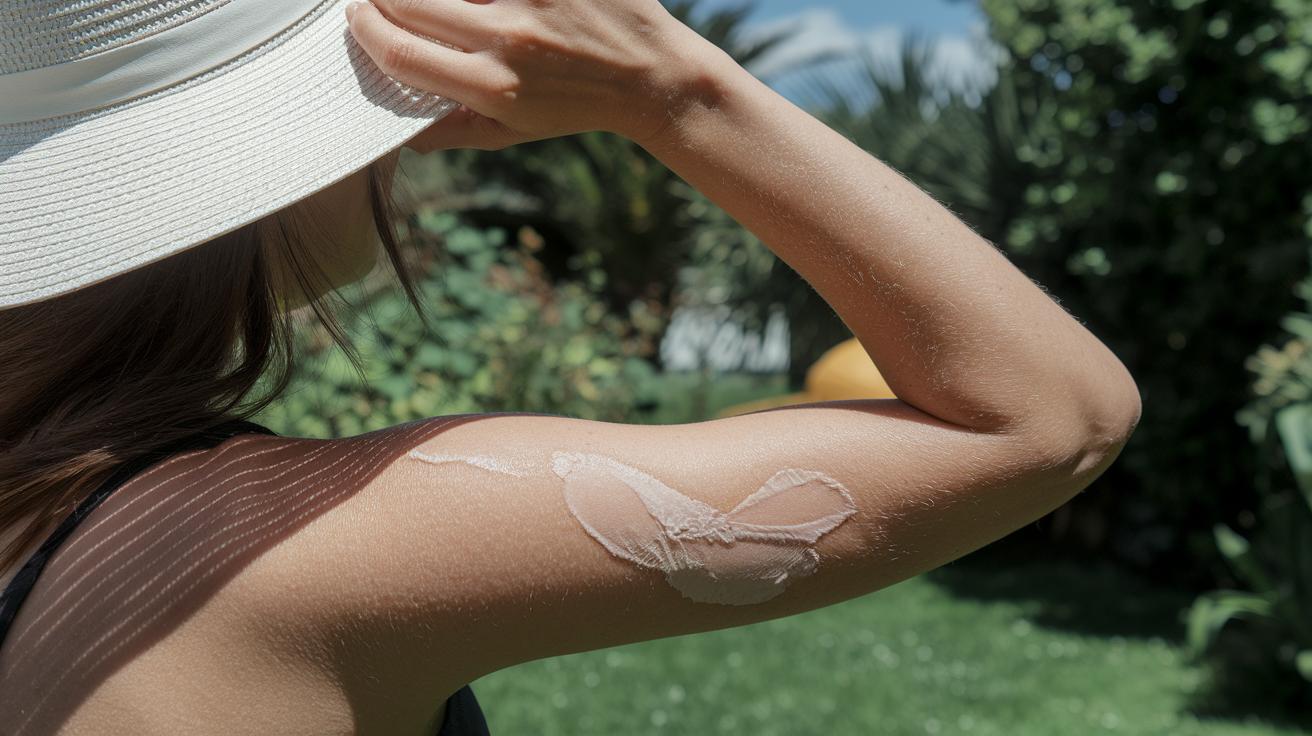
After treatment, the fungus clears up fast, but it takes a bit more time for your skin tone to come back to normal. In the active phase, the yeast is gone for good, and then you’ll see your skin gradually regain its color over the next 4–8 weeks, sometimes even longer.
Think of your skin like an old painting that has been cleaned carefully. Even after cleaning, some faded spots might linger until a restorer brings back its full glory, just as lighter patches stick around until your natural pigment returns.
Picture your skin as a delicate garden needing gentle care. Using sun protection like hats and sunscreen works just like a soft shield, protecting new growth as your skin slowly blends back to its healthy tone.
This step-by-step approach, combining the right treatment with thoughtful care, shows that lingering light spots, which can occur with conditions like pityriasis versicolor alba, are completely normal. It’s all part of the journey to a healthier, more even skin tone.
Final Words
In the action, the blog explored effective versicolor treatment options, from topical antifungal solutions and oral therapies to simple at-home routines for long-lasting clear skin. It clarified how diagnosing tinea versicolor works and the need for a professional evaluation when skin changes persist. We discussed what to expect during healing and realistic timelines for returning to an even skin tone. This guide leaves you feeling empowered, with steps to embrace a comprehensive versicolor treatment strategy and a positive outlook on managing skin health.
FAQ
What is the fastest way to cure versicolor?
The fastest way to cure versicolor uses topical antifungal treatments for 7–14 days, sometimes combined with oral medication if needed, and strict hygiene practices to reduce fungus overgrowth.
How do you treat tinea versicolor in pregnancy and babies?
The treatment for tinea versicolor during pregnancy and in babies usually involves gentle topical antifungals. It is best to consult a healthcare provider to choose safe options for these sensitive groups.
What is the drug of choice for versicolor?
The drug of choice for versicolor is often a topical antifungal agent. In more extensive cases, physicians may prescribe oral therapies like itraconazole or fluconazole under close supervision.
What is pityriasis versicolor?
Pityriasis versicolor is a common yeast infection that causes discolored, flaky patches on the skin. It is typically managed with topical antifungal treatments and proper skin care.
How is tinea versicolor treated at home?
Tinea versicolor can be treated at home by using over-the-counter antifungal shampoos or creams along with preventive practices such as routine cleansing and avoiding prolonged heat and moisture.
What do the healing stages of tinea versicolor look like?
The healing stages begin with reduced fungal growth after treatment, but skin tone normalization can take 4–8 weeks, with some light patches possibly lingering for months despite successful treatment.
Can tinea versicolor affect the face?
Tinea versicolor can occur on the face, although it more commonly affects areas like the chest and back. Facial treatment should use gentle, non-irritating antifungals, often under guidance from a specialist.
How can pictures of tinea versicolor assist in recognizing the condition?
Pictures of tinea versicolor reveal flaky, discolored patches that help patients and clinicians identify the infection, making it easier to confirm a diagnosis and decide on treatment options.

