
Have you ever wondered if hospitals truly know how well they care for you? They use simple figures, like how long a treatment takes and how often patients return, to see where their care shines and where it could use a boost.
These numbers are like clear signs that tell hospitals what they do well and what might need a little extra attention. When hospitals keep track of these clues, they can make sure that care stays focused and safe.
In short, watching these important measures helps lead to smarter, safer healthcare for everyone.
Overview of Patient Outcomes Metrics and Benchmarks
CMS built these helpful tools to measure different parts of healthcare. They look at how treatments are delivered, how patients are doing, and how well hospitals are set up. By keeping an eye on numbers like treatment length, readmission rates, patient survey scores, and even death rates, hospitals can see if they’re meeting care standards and learn where to make improvements.
Tracking these numbers helps guide better patient care. It lets healthcare teams compare what they do with common standards and spot areas that could use a little extra attention. The main goals for checking patient outcomes include:
- Raising care quality and keeping patients safe.
- Finding ways to lower hospital readmissions.
- Making hospital operations run more smoothly.
- Encouraging honest, clear reporting.
- Focusing on specific improvements in clinical practice.
Key Patient Outcomes Metrics Explained
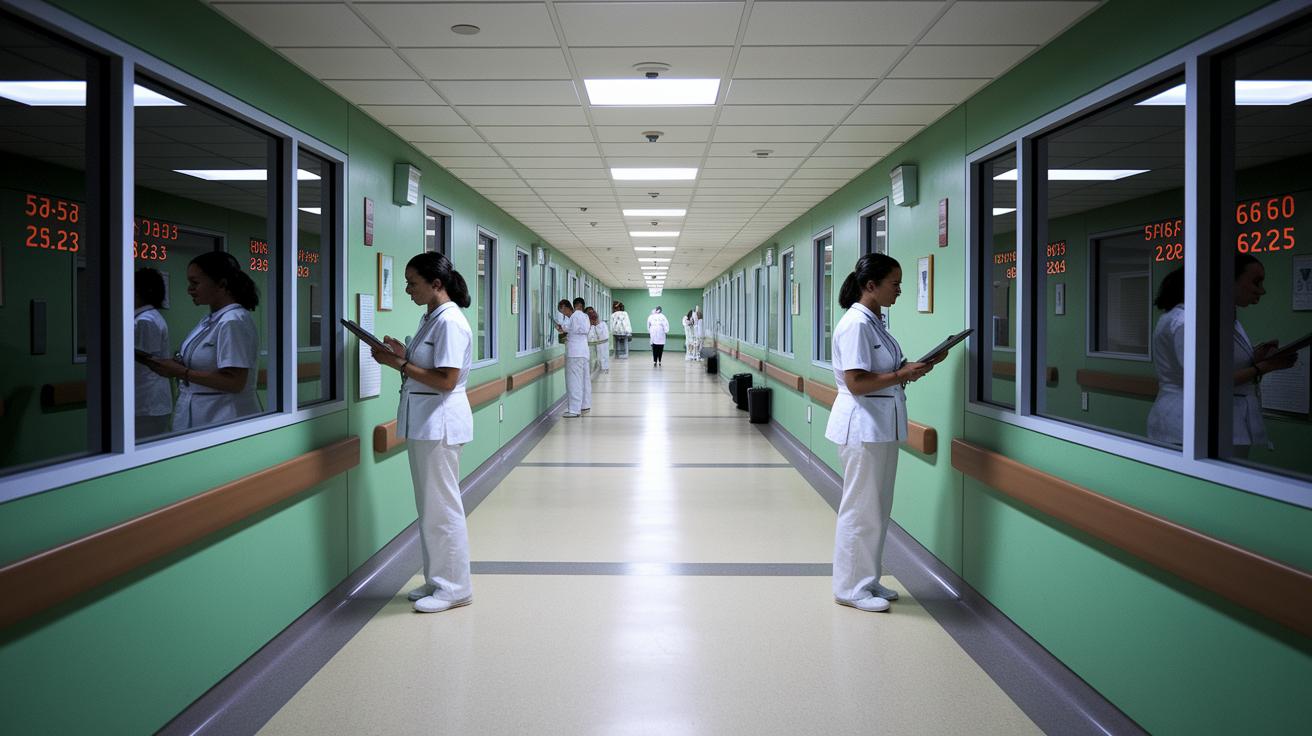
Hospitals keep track of quality using clear and simple numbers. These metrics help care teams see how well patients are treated and find ways to improve. Numbers like length of stay, readmission rates, patient satisfaction, and mortality tell the story of patient safety and overall care. This clear picture makes it easier to take focused steps toward better everyday care.
Length of Stay
Length of stay tells us how long a patient stays in the hospital, from the moment they are admitted until they leave. Hospitals look at this measure every week, month, or quarter. For example, checking how long patients with a heart attack remain in care helps spot both quick recoveries and any delays. This keeps the focus on giving timely and effective treatment.
Readmission Rates
Readmission rates show what percentage of patients come back within 30 days for the same problem or related issues. This number helps us understand if discharge planning and follow-up care are working well. When hospitals have lower readmission rates, it means patients are recovering nicely and don’t need to return for more care.
HCAHPS Patient Satisfaction Survey
The HCAHPS survey gathers patients’ thoughts on 64 aspects of their hospital experience using a star rating system from 1 to 5. It gives a clear peek into how patients feel about the care they received. Scores that fall between 4.5 and 5 stars are a great sign of quality care. This survey is a key tool for measuring patient happiness in healthcare.
Mortality Rates
Mortality rates measure the percentage of patients who pass away before they leave the hospital. This number is a critical check on how well hospitals manage care after treatments. Lower mortality rates point to strong safety practices and careful patient management.
| Metric | Definition | Benchmark |
|---|---|---|
| Length of Stay | Time from hospital admission to discharge, measured regularly | Varies across different treatment types |
| Readmission Rates | Percentage of patients returning within 30 days for related issues | Lower rates indicate better recovery and care |
| HCAHPS Patient Satisfaction Survey | Survey on 64 care aspects rated from 1 to 5 stars | Top performers score between 4.5 and 5 stars |
| Mortality Rates | Percentage of patients who pass away before leaving the hospital | Typically less than 2% for common procedures |
Benchmarking Patient Outcomes: Industry Standards and Reference Points
Patient outcome benchmarking is all about using basic numbers to see how well a hospital is doing. It helps administrators figure out how many beds are in use right now, which tells them about the current demand. In 2023, the average bed usage was 50.97%. This number shows how busy city hospitals can be compared to those in rural areas. Also, looking at readmission rates, usually between 10 and 15 percent, gives a clear picture of how well patients are being cared for after leaving the hospital.
Patient satisfaction is another important area. Hospitals use a survey called HCAHPS to learn what patients think about their care. When a hospital earns a score between 4.5 and 5 stars, it usually means that patients feel they are getting safe and quality care. Knowing these scores helps healthcare teams check how they are doing compared to their peers and keeps patient experience front and center.
Mortality rates are also a key part of the picture. For many common surgeries, a benchmark mortality rate under 2 percent is considered very good. This low rate gives hospitals confidence that their safety practices are working well. By comparing their own results with these benchmarks, hospitals can spot areas that need a little tweaking to further improve patient care.
Data Collection and Analytics for Patient Outcomes Measurement

Healthcare groups use real-time records to care for patients better. They capture information from electronic health records, which serve as secure notes on treatment progress, safety, and how well patients are recovering. This steady flow of data lets clinicians see care quality and make timely changes.
Advanced tools help turn this raw data into clear insights. You can think of it like a dashboard that shows trends in patient care, making the numbers easy to understand. With reporting frameworks from CMS programs, these visuals help staff spot important trends quickly.
Many organizations add extra tools to simplify reporting. Clear charts and metrics allow teams to review both current and past data easily, ensuring decisions are evidence-based. In this way, healthcare providers can continually improve their practices while keeping sensitive information safe.
Case Studies and Comparative Patient Outcomes Analysis
One hospital dropped its 30-day readmission rate from 14% to 11% by starting a simple follow-up program. They scheduled checkups right after discharge and kept in touch with patients and care teams. This friendly approach not only helped patients recover better but also meant fewer trips back to the hospital. A follow-up call, for instance, can feel like a warm check-in that shows patients their care continues even after they leave.
The numbers also tell a story about bed use in different places. Urban hospitals used 20% more beds than rural ones. By studying these trends, healthcare teams can get a clear picture of what each community needs. This insight helps them plan staff and resources more effectively for each local setting.
Another example from a CMS pilot program was pretty eye-opening. Using standard care paths led to a 5% drop in deaths for patients with heart attacks. This shows that when hospitals follow the same proven steps, patient safety really improves. These lessons remind us how important it is to keep an eye on data so that patient care and hospital operations keep getting better.
Challenges and Best Practices for Patient Outcome Metrics Implementation

When hospitals see high readmission rates, it often means that something in the transition from one care setting to another might be missing a step. One friendly tip is to use smart quality improvement strategies to review each case. Regular check-ups on patient follow-up routines can help teams quickly find areas that need extra care.
Another challenge is making fair comparisons between similar patient groups by using risk adjustment. Hospitals can use clear metric evaluation methods to even out the differences among patients. In truth, using these practical improvement indicators helps create a much clearer picture of outcomes.
Sometimes, data from electronic health records can be a bit all over the place. A simple fix is for healthcare teams to perform regular data checks and periodic audits. This proactive method not only feels like taking a small step toward excellence but also helps keep outcome measurements solid and trustworthy.
Lastly, ensuring that all staff are well-trained is very important for clear and consistent data collection. Consistent training along with a focus on best practices not only makes it easier to track patient outcomes but also helps transform how care is improved overall.
Future Trends in Patient Outcomes Benchmarking with Predictive Analytics
Predictive models are changing how we understand patient results. They use both past and current data to help hospitals see who might be at risk of coming back soon after treatment. Imagine a tool that gives clinicians a heads-up before a missed check-up could lead to bigger issues. This proactive method not only keeps care on track but also helps doctors make decisions quickly, ensuring patients feel safe and well cared for.
AI is also playing a big role in improving patient monitoring. New systems can alert care teams to high-risk patients even before they leave the hospital. Think of it like a safety net that catches potential problems early on. By learning from more and more data, these smart systems get better over time, letting medical staff adjust care before any serious issues start.
Next-generation monitoring tools are evolving to give an even clearer picture of patient health. Modern dashboards now include social factors that might affect wellness, going beyond traditional measures. With real-time updates, healthcare teams can change treatments right away based on the latest information. This approach keeps everyone informed and makes sure that every decision is made with care and security in mind.
Final Words
In the action, we explored how patient outcomes metrics and benchmarks help drive quality and secure healthcare. We reviewed key elements like measuring length of stay, readmission rates, patient satisfaction, and mortality, then compared industry benchmarks for a clear view of safe care. We also looked at how data collection and real-life examples shape informed decisions. Each section shows the benefits of using clear measurements to improve both patient care and clinical strategies. Moving forward, a careful focus on these metrics naturally leads to safer, more efficient healthcare delivery.
FAQ
Q: What are patient-reported outcome measures questionnaires pdf?
A: The patient-reported outcome measures questionnaires pdf refers to PDF documents containing surveys that capture a patient’s view on health and treatment responses.
Q: What are some patient reported outcome measures examples?
A: The patient reported outcome measures examples include surveys and assessments that capture feedback on symptoms, quality of life, and treatment satisfaction.
Q: What are some benchmarking in healthcare examples?
A: The benchmarking in healthcare examples include comparing metrics like readmission rates, patient satisfaction scores, and length of stay against national averages and best practices.
Q: What are patient outcomes examples?
A: The patient outcomes examples include data points such as hospital readmission rates, hospital stay durations, patient satisfaction levels, and mortality percentages to gauge care quality.
Q: What is a patient-reported outcome measures list?
A: The patient-reported outcome measures list refers to a collection of surveys and questionnaires used to capture a patient’s personal experience of their health and treatment outcomes.
Q: What are some examples of outcome measures in healthcare?
A: The examples of outcome measures in healthcare include metrics like readmission and mortality rates, length of hospital stay, patient satisfaction scores, and quality of life indicators.
Q: What are examples of benchmarking in healthcare scholarly articles?
A: The examples of benchmarking in healthcare scholarly articles include studies that compare hospital performance metrics such as length of stay, readmission rates, and patient satisfaction scores to industry norms.
Q: What is clinical benchmarking in nursing?
A: The clinical benchmarking in nursing involves comparing practices and outcomes, like patient safety and care quality, across similar institutions to highlight effective nursing practices.
Q: What are the outcome metrics in healthcare?
A: The outcome metrics in healthcare include measures like hospital readmission rates, length of stay, patient satisfaction survey scores, and mortality rates to assess care performance.
Q: What are patient reported outcome metrics?
A: The patient reported outcome metrics capture a patient’s own view on their health and treatment through surveys measuring symptom severity, well-being, and overall satisfaction.
Q: How do you evaluate patient outcomes?
A: The evaluation of patient outcomes involves analyzing data from readmission rates, length of stay, satisfaction surveys, and mortality rates to understand and improve care quality.
Q: What is an example of a benchmark in healthcare?
A: The example of a benchmark in healthcare is comparing a hospital’s readmission rate with national averages, helping institutions identify performance gaps and drive improvement.

