
Ever wonder if the little feelings you notice each day might be clues to a healthier you? It can be hard to keep track of everything on your own.
With a digital symptom tracker, even small notes add up over time. You can quickly record how strong a symptom is, when it happens, and even details from your connected devices. This steady log helps reveal patterns that can guide your everyday choices and make conversations with your doctor clearer. In truth, this simple tool turns daily details into helpful trends for better health.
Core Symptom Tracker Features and Benefits
Digital symptom trackers make it easy to jot down and review your health details. They keep track of important factors like the date, time, and how severe you feel a symptom, using a simple scale from 1 to 10. Imagine you mark a symptom at 3:00 PM and rate it a 6. That small note can help you see patterns over time.
The tool lets you add entries by hand or let it record automatically. This mix of features means every moment is captured right away, so you or your doctor can spot changes early. For example, if your tracker shows a steady rise in symptom strength, you have real data to discuss with your healthcare provider.
It also connects with wearable devices, like heart rate or blood pressure monitors, which helps you keep an eye on more details automatically. With built-in reminders and notifications, you'll never miss a day of logging your condition.
Your information is stored safely in the cloud with strict privacy rules (HIPAA: the set of guidelines that keeps your health info secure). This secure record supports data-driven decisions about your treatment, which might lessen the need for frequent office visits.
Imagine your tracker shows a week of calmer days. When you notice less pain or anxiety, it helps you see which habits bring you comfort. That insight can encourage you to keep doing the things that make you feel better.
Choosing the Right Symptom Tracker for Your Needs
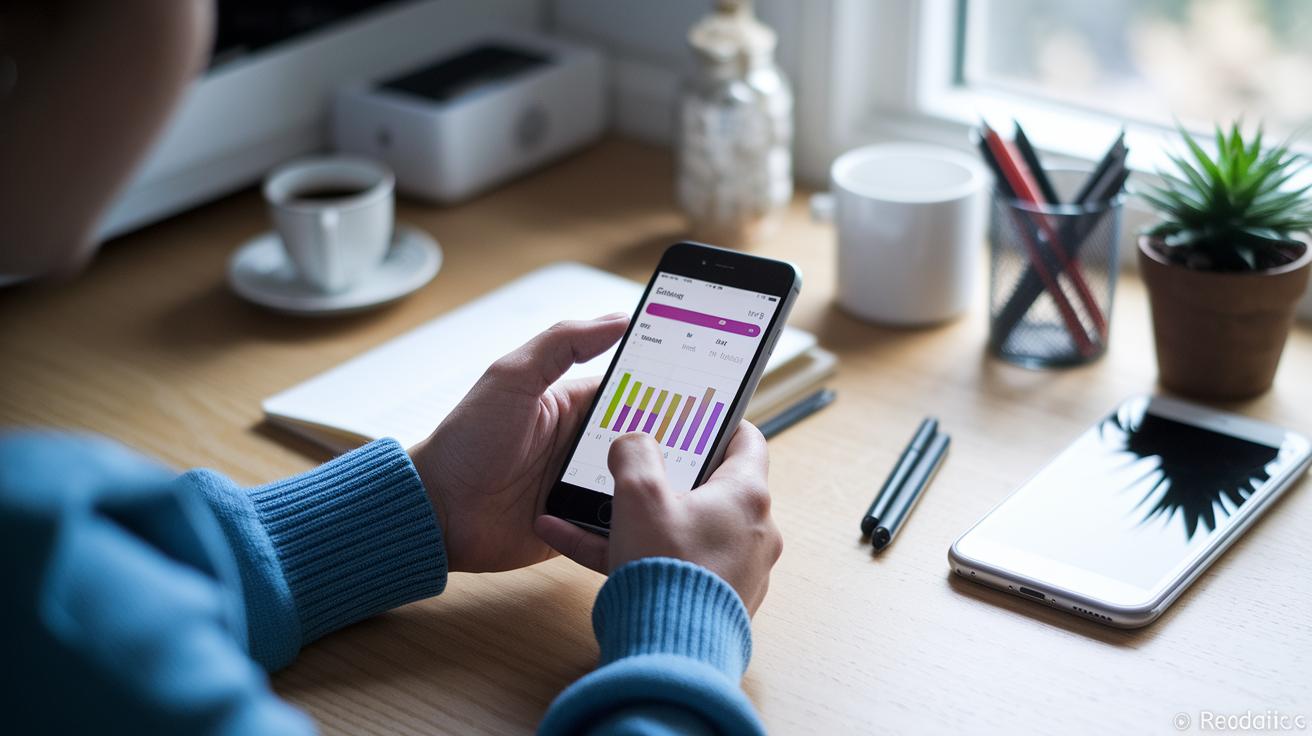
Choosing a symptom tracker that fits your lifestyle can really help you keep an eye on your health. There are many choices, from old-school paper journals to handy digital mobile diaries. Digital tools, for example, offer clear reminders and easy menus that help you log how you feel every day.
A simple design makes it easy to get started. When an app shows clear buttons and friendly icons, noting your symptoms feels as simple as scribbling a quick note. Some trackers even let you see reports in real time or work with wearables, so you get feedback right when you need it. They can also sync across your phone, tablet, and computer so your updates are always in one safe place.
Apps that let you monitor your own health often encourage you to start by tracking one or two symptoms. This way, you slowly build a clear picture of how you’re doing without feeling swamped by data.
New apps with smart features can be found on sites like Digital Health Tech (https://healthyfax.com?p=694), where simple technology meets clear health insights. The right symptom tracker not only keeps your data organized but also motivates you every day to look after your wellbeing.
Data Visualization & Health Trend Analysis in Symptom Trackers
When you use a symptom tracker, your health data turns into clear, easy-to-read visuals that help you spot patterns quickly. You can review your weekly entries to see if certain triggers repeatedly show up and notice how your activities, moods, and physical feelings are connected. Interactive charts let you see your symptoms over time, while a timeline view gives you a straightforward look at how your condition changes. It’s like watching a story of your health, helping you understand when symptoms begin to group or grow stronger.
Using these visual tools, you can easily notice trends that reveal clusters of flare-ups or periods when symptoms worsen. For example, a simple, color-coded scale shows you which days felt tougher than others. Checking this data on a regular basis not only lets you see what habits make things better but also points out the times when you might need extra care.
Plus, advanced reporting features allow you to export your data into PDF or CSV files, making it simple to share your details with a healthcare provider. By looking at these clear trends during your consultations, your doctor can understand your condition better and adjust treatment plans as needed. This data-backed approach helps make your discussions more precise and helpful.
Key visual tools often include:
- Interactive line graphs of symptom intensity over time
- Heat maps that show how often flare-ups occur
- Color-coded indicators of severity
- Custom dashboard filters by date range or symptom
- Options to export reports in PDF or CSV formats
Real-Time & Remote Monitoring Benefits of Symptom Trackers

Patients can now use apps that let them log their symptoms as they happen, either by typing them in or through automatic alerts. It’s like having a real-time snapshot that catches early signs of trouble, such as a sudden shortness of breath with asthma or heart issues that might worsen. This immediate update means doctors can see any change as soon as it occurs.
Remote monitoring makes it easy for care teams to safely check on patient records anytime. This constant connection helps doctors coordinate quick care when needed. For example, digital tracking during chemotherapy has been shown to boost quality of life, ease anxiety, and keep patients more engaged in their treatment. Even in menstrual health, these apps can alert users to important changes that might point to conditions like PCOS or endometriosis.
Real-time data also shows how well a treatment is working by keeping track of daily symptom fluctuations. When changes happen fast, health providers can quickly adjust medication or care plans to better suit the patient’s needs. This proactive approach means that instead of waiting for a problem to grow, both patients and doctors work together every step of the way.
Ultimately, this timely recording and secure, always-on monitoring system empowers patients to take charge of their well-being. It bridges the gap between patient and provider, ensuring follow-ups happen promptly and offering a steady sense of reassurance throughout the journey.
Tips for Selecting Your Ideal Symptom Tracker
Start by picking one or two key symptoms you want to monitor. For instance, you might choose to note your anxiety levels every morning. Keeping it simple helps you build a clear daily or weekly log without feeling overwhelmed.
Look for a tool that sends friendly reminders when it's time to record your mood or physical condition. These alerts act like gentle nudges, and a dashboard that turns your data into easy-to-read visuals can help you spot patterns over time.
Make sure the tracker protects your personal information. Tools that follow HIPAA (healthcare privacy rules) and use strong data encryption are best. Some trackers even offer features like care planning tips, so you can adjust your habits as you learn more about your health. It’s also helpful if you can export your logs easily to share with your doctor.
Finally, keep a balanced view of your health. It’s important to track your symptoms, but try not to focus too much on the negatives. Stay informed and mindful about your wellbeing.
Final Words
In the action, symptom tracker features and benefits play a key role in streamlining patient care. The post walks through easy-to-use recording, digital log functionality, data visualization, and remote monitoring, all to keep health information secure and updated. Everyday digital tools help with daily condition logging and simplify complex data into clear visuals. With practical tips on choosing the right tracker, this guide shows how these tools can boost treatment outcomes and support informed health decisions. Embrace a smarter, more secure way to manage health every day.
FAQ
Q: What is a symptom diary and how can it be used?
A: A symptom diary is a tool for recording daily health details in formats like a PDF or template. It helps you track symptoms clearly and share organized information with your healthcare team.
Q: What is a symptom tracker app and how does it differ from a traditional diary?
A: A symptom tracker app logs your health details digitally, offering features like reminders and charts. It simplifies monitoring trends over time compared to paper-based diaries or journals.
Q: What makes the best symptom tracker app stand out?
A: The best symptom tracker app features an easy-to-use interface, customizable alerts, integration with wearable devices, and secure, cloud-based storage. It enables real-time updates and helps guide your care decisions.
Q: What should be included in a symptom tracker?
A: A symptom tracker should record the date, time, and intensity of symptoms, along with notes on potential triggers. This detailed record supports clear communication with your healthcare provider.
Q: What is the main purpose of digital symptom tracking in mental health?
A: Digital symptom tracking in mental health captures mood changes and stress levels. This logged information guides treatment adjustments, promoting improved mental well-being and timely care.
Q: What insights do symptom tracker reviews offer?
A: Symptom tracker reviews provide real-life feedback on ease-of-use, feature effectiveness, and overall benefit. They help users choose a tool that fits their health management needs.
Q: What are the features of the Bearable app?
A: The Bearable app offers customizable tracking for physical and mental health, sleep, and daily activities, along with secure data storage. These features support comprehensive health insights and treatment monitoring.
Q: How is the Human Health tracker app reviewed by users?
A: Reviews of the Human Health tracker app praise its intuitive design, reliable record-keeping, and effective integration with wearable devices, making it a helpful tool for comprehensive health monitoring.

