
Have you ever wondered why someone might skip a simple health check? It might be because of how they feel about their own health. A basic health model tells us that our thoughts and worries really shape our choices. It shows that when we mix feelings of being at risk with a strong belief in staying healthy, we decide to act, or not. This idea helps us see how everyday decisions are connected to larger health insights. Let's take a closer look at how these simple thoughts affect real-life health choices.
Key Definitions and Foundations of Health Behaviour Models
Back in the 1950s, social psychologists Hochbaum, Rosenstock, and Kegeles came up with the Health Belief Model (HBM) to help explain why many people skip preventive care screenings. They were curious about why some folks might avoid early checks for illnesses. They believed that our personal views and how risky we think things are play a big role in our health decisions. In simple terms, HBM gave researchers a clear way to study health choices by focusing on what we think about our own risks and illnesses. This work laid the groundwork for a method of studying health decisions that is still used today.
The model tells us that our decision to take certain health actions depends on four main ideas: feeling at risk, understanding how serious an illness is, seeing the benefits of taking action, and noticing the challenges that might stop us. Then, in 1988, experts added two more ideas: self-efficacy (a fancy word for believing in yourself) and cues to action (little reminders that help us take steps). These parts now guide many health studies and real-world programs that encourage us to live healthier lives.
Core Components and Theoretical Basis of the Health Belief Model

The Health Belief Model started in the 1950s as an effort to understand why people take steps to avoid getting sick. Over the years, researchers have compared this model to others, showing that how we see our risk and trust in our own abilities can really shape our health choices.
The model has grown by mixing old ideas with new research. Today, it helps us see not only how individuals decide on healthy actions but also how these ideas can shape community health programs.
- Perceived Susceptibility – This is about how likely a person thinks they are to get a health problem. Data on risk trends back this idea.
- Perceived Severity – This refers to how serious someone believes a health issue might be. Looking at past cases helps us understand this better.
- Perceived Benefits – This is the belief that taking action can result in better health. Studies keep on showing that positive results come from preventive measures.
- Perceived Barriers – This involves weighing the challenges of taking preventive steps. Recent research has started to measure these difficulties more clearly.
- Cues to Action – These are the signals or reminders that prompt healthy behaviors. Many community health projects have found these cues to be very effective.
- Self-Efficacy – This is the confidence in one’s ability to make healthy changes. New studies in psychology continue to support this idea.
These key parts help shape strategies in preventive care. For instance, a health professional might say, "Research shows that people who believe in their own ability to change are three times more likely to stick with healthy habits." This kind of sharing boosts trust and gives real reasons to take action.
Updates and Integrations of the Health Belief Model with Other Frameworks
Back in 1988, experts added self-efficacy to the Health Belief Model. This change meant putting a spotlight on how confident we feel when making decisions about our health. In plain terms, when you believe in yourself, you're more likely to take steps toward a healthier life. It was a small shift that opened up a whole new way to understand why people choose healthy habits.
Next, the model teamed up with ideas from Social Cognitive Theory. This theory explains how our friends, family, and community shape the choices we make. By mixing these insights, we now see that both your inner confidence and the support of those around you matter in guiding health decisions. It’s a blend that makes the model even more practical in real life.
Today, digital tools have taken the next step. Mobile apps and online platforms have started using these ideas to reach more people. Look at how some health tech companies send friendly reminders and personalized messages on your phone. It’s like having a caring coach in your pocket, gently encouraging you to stay on track. This digital upgrade shows that old, trusted ideas can easily fit into new technology, helping more people make positive health choices.
Applying the Health Belief Model: Practical Examples and Interventions

When we look at real-life examples, the Health Belief Model comes to life. Programs that help people quit smoking, get cancer screenings, or overcome worries about vaccines show us how to turn ideas into practical steps. These programs use simple tools like worksheets to weigh pros and cons and set clear, honest goals. They remind us that when people believe in themselves, small changes can lead to big improvements.
| Program Type | Sample Size | Key Findings |
|---|---|---|
| Smoking Cessation | Over 5,000 | Smokers cut back by looking at risks and benefits |
| Cancer Screening | Approximately 10,000 | More people followed early detection advice after personal tips |
| Vaccination Hesitancy | More than 30,000 | Clear talks about risks and benefits led to more vaccinations |
These insights help us build programs that feel personal. Health workers are encouraged to create plans that get people thinking about their own risks while boosting their confidence to take charge of their health. With easy-to-use tools that show what works and what might need a little tweak, we can help each person feel safer and more in control, all while building better habits for everyone.
Advantages and Criticisms of the Health Belief Model
The Health Belief Model is a favorite among health experts because it lays out clear ideas that can be measured and used when planning health programs. Many researchers and professionals appreciate how it breaks health decisions into smaller parts. This approach makes it easy to see how individuals feel about their own risks and the benefits of taking action. In many public health campaigns, these simple ideas about risks and rewards have helped inspire healthier habits.
Some critics, however, point out that the model leaves out important social and community factors. They believe that focusing only on personal thoughts and feelings might miss deeper clues found in everyday life. In truth, while the model is a useful tool, it might be even better when combined with other ideas to handle the many challenges of changing behavior.
Translating Health Belief Model Insights into Public Health and Nursing Practice
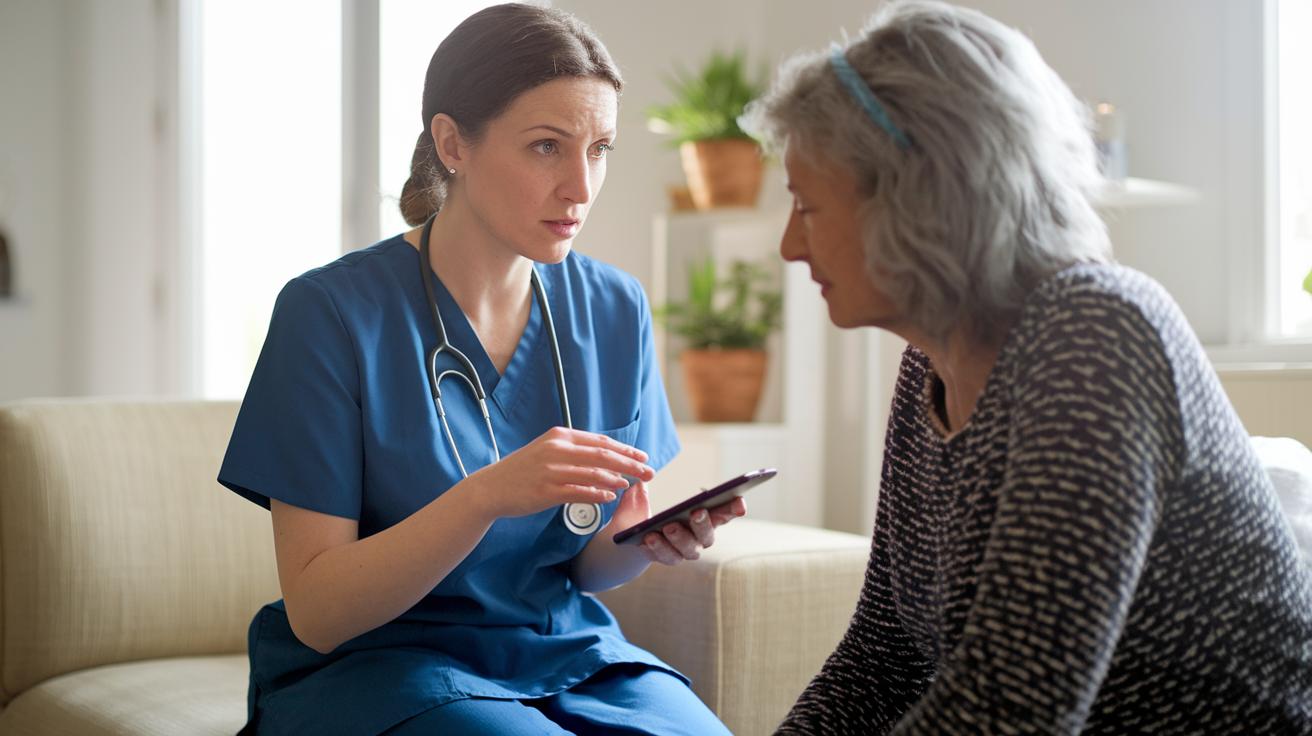
Health professionals often turn to the Health Belief Model to create public health campaigns that really connect with community needs. They focus on ideas like how risky people think a disease is and how much they believe in their ability to make healthy choices. This helps them craft messages that cut through obstacles and inspire action. Experts also use ideas from public influence theory to tweak educational materials so everyone feels motivated to join in community care projects. In simple terms, they design campaigns with clear goals and team-driven steps that bring the message to life. Tools like assessment worksheets and goal-setting guides make sure every plan fits the community perfectly and sparks real change.
When it comes to nursing, these HBM tools are a helping hand in talking with patients. Nurses use practical methods like worksheets and SMART goal plans that show patients the clear benefits of managing their own health. These easy, step-by-step guides support discussions about preventing illness and embracing healthier lifestyles. In doing so, nurses help build a patient’s confidence and make each conversation a building block for better personal and community health.
Final Words
In the action, we traced the origin and evolution of the health behaviour model, explored its core components, and examined real-life applications. We saw how these models shape preventive care by addressing risk perception and motivating change.
This article highlighted both the model’s strengths and its criticisms, showing how it guides effective patient management and secure communications. The insights shared pave the way for improved healthcare outcomes and a brighter future in patient care.
FAQ
What is the Health Belief Model?
The Health Belief Model explains that personal health actions depend on how one sees potential risks, benefits, and obstacles to change. It also boosts understanding of why people may or may not partake in preventive care screenings.
What are the core components of the Health Belief Model?
The Health Belief Model relies on factors like perceived susceptibility, severity, benefits, barriers, and cues to action. Later, self-efficacy was also added to help people feel confident in their ability to act.
What is a Health Belief Model example?
A Health Belief Model example is using the model to design campaigns encouraging preventive care, where individuals evaluate personal risks and benefits when deciding to undergo screenings.
What is the Health Belief Model theory?
The Health Belief Model theory posits that personal beliefs about health risks and the advantages of taking action guide behavior changes and the decision to adopt healthier practices.
What are the 5 concepts of the Health Belief Model and what is the 5 A’s model for health behavior change?
The five concepts originally are perceived susceptibility, severity, benefits, barriers, and cues to action. Later, self-efficacy was added to support behavior change. The 5 A’s model—assess, advise, agree, assist, arrange—also guides health behavior change.
Who developed the Health Belief Model?
The Health Belief Model was developed by scholars like Becker and Rosenstock starting in the 1950s to explain why many people were reluctant to participate in preventive care screenings.
How is the Health Belief Model used in nursing?
In nursing, the Health Belief Model guides patient counseling, risk assessment, and intervention planning by helping nurses understand and address patients’ personal beliefs about health and wellness.
Where can I find a Health Belief Model PDF and practical application examples?
You can find a Health Belief Model PDF along with detailed application examples through online educational resources, providing valuable insights for both public health professionals and nursing practice.

