
Ever notice how fixing one part of your health doesn’t always fix the whole picture? True wellness is about taking care of your body, mind, and feelings all at once. When you care for all these parts, you build a strong, balanced life that helps you manage daily stress. In this guide, we explain how good food, regular exercise, and moments of calm work together to improve your overall well-being. Let’s take a look at how putting all the pieces together can lead to a healthier and happier you.
Holistic Wellness Foundations: An Integrated Health Perspective
Holistic wellness means taking care of the whole you, your body, mind, emotions, relationships, and even your spirit. It doesn’t focus on just one symptom but sees you as a complete person where every part matters. Think of it like the warm reassurance of a secure message; when your body and mind work together, you feel truly cared for. By nurturing every part of your health, you build a strong and balanced life.
There are many benefits to this kind of whole-person care. You develop the strength to bounce back when challenges arise, and you learn simple ways to manage stress every day. Mindful practices like deep breathing or jotting down your thoughts can turn stress into stepping stones toward growth. These habits help improve your overall health while giving everyday life a comforting sense of balance and satisfaction.
Combining traditional care with mindful activities inspires self-care and lasting lifestyle changes. A daily routine that mixes a healthy diet, regular exercise, and quiet moments for reflection can make a big difference. For instance, spending a few peaceful minutes meditating each day can kick-start other positive habits. When you care for your body, mind, and spirit all at once, you set the stage for a life filled with wellness and true contentment.
Nutritional Therapy in a Holistic Approach to Wellness

When it comes to nutritional therapy, balanced meals are key. The USDA MyPlate guidelines recommend including 3 to 5 food groups in every meal, like fruits, vegetables, whole grains, lean proteins, and dairy, to give your body the energy it needs. For snacks, try to mix in 2 to 3 of these groups. Think of your plate as a colorful mosaic where every group adds its own vital piece to the overall picture of health. For example, a bright salad with grilled chicken and a side of fruit is a simple, effective way to follow these tips.
Food has a big impact on how we feel, too. A balanced diet supports the gut-brain connection, which means it can help lift your mood and boost your energy. Eating well not only helps prevent common health issues but also eases stress and brightens your outlook on life. Little changes, like adding an extra serving of veggies with each meal or choosing a handful of nuts over a sugary treat, can make a big difference over time. These mindful habits set the stage for long-term wellness and keep you feeling energized throughout your day.
Movement and Exercise in Holistic Wellness Strategies
For busy adults, fitting in about 150 minutes of moderate aerobic exercise each week, or 75 minutes if you prefer something more intense, can do wonders for your heart and overall health. And remember to add two days of strength exercises like bodyweight squats to build muscle. Even a brisk 60 minutes of movement weekly can boost your heart, balance your hormones, and lift your mood. Little, steady steps really add up, making it easier to stay active every day.
Exercising outdoors without any fancy equipment is a refreshing way to move. Imagine running through your local park or doing a simple bodyweight circuit in your backyard, it's like taking a breath of fresh air that clears your mind. There’s a joyful energy in feeling that crisp air and the natural world around you, similar to the secure, calm feeling of a trusted message. For more ideas, check out "Outdoor Workouts Without Equipment" for easy routines that mix exercise with nature’s own gym.
Regular movement does more than just boost your mood. It helps keep your stress hormones in check, improves your sleep, and even builds your body’s natural defenses against everyday aches. This flexible approach to fitness lets you fine-tune your health in a way that feels both sustainable and liberating. Have you ever noticed how a little extra movement can brighten your whole day?
Mindfulness and Stress Management in a Holistic Wellness Model
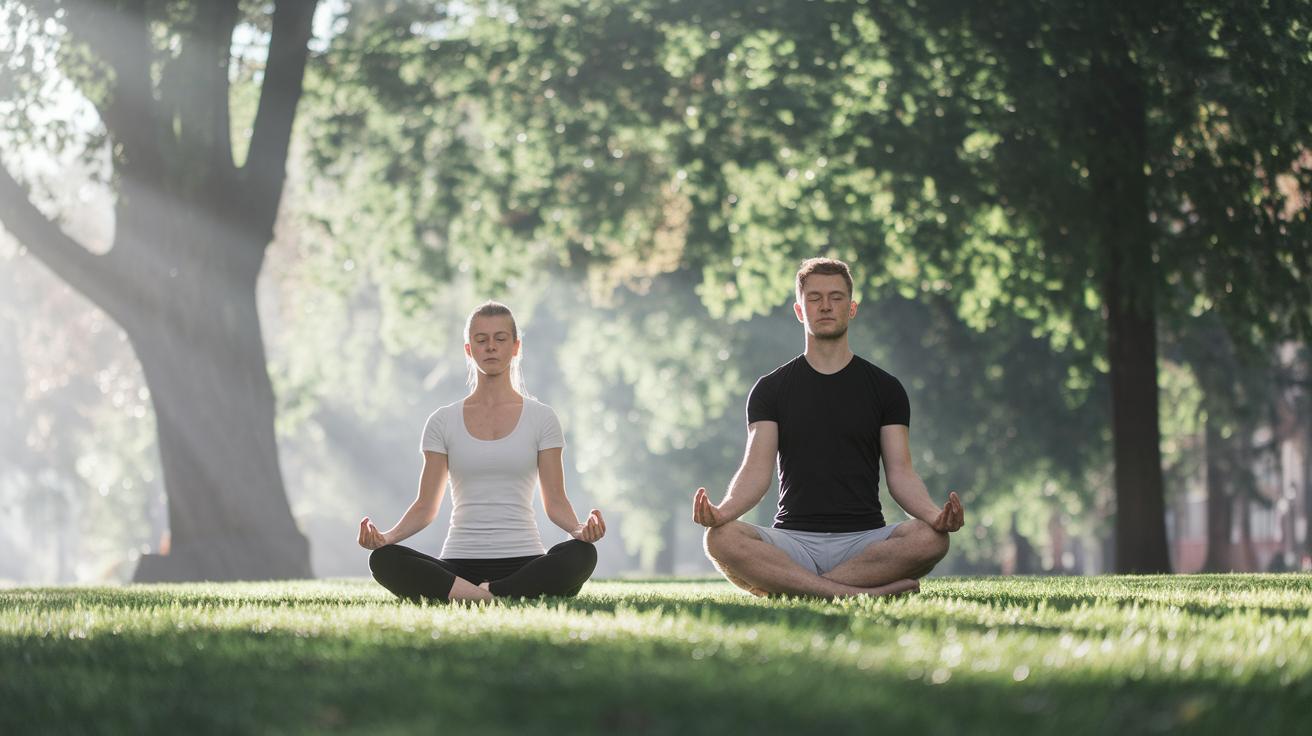
Every day, pressures from work, home, and our social circles can build up fast. Tight deadlines and family duties may bring along tension and mixed feelings. When stress isn’t managed, it can interrupt your sleep and make it hard to enjoy daily moments, showing that every part of your well-being needs some care.
Mindful practices like meditation, journaling, and deep breathing can help ease that stress. A simple trick is to write down three things you're grateful for every day. Taking a few slow, deep breaths can help calm your body, making you feel more grounded. These easy self-care activities are all about keeping you centered. For extra insight, check out What Is Mindful Meditation and Tips for Mental Wellness.
Keeping an eye on your screen time is important for both mind and heart health. Taking short breaks from your phone or computer can give your mind a good reset. Simple self-care habits, like regular breaks, spending time outdoors, and quiet reflection, help stop digital overload from taking control. By mixing mindful activities with limited screen time, you'll nurture a calm and focused spirit.
Complementary Therapies and Natural Healing Methods
Complementary therapies add a special boost to a full care plan. Many people enjoy practices like yoga, acupuncture, and creative arts along with their regular treatment. These options gently help your body and mind feel balanced and bring a sense of calm. Simple practices such as Tai Chi or aromatherapy can turn everyday routines into moments of peace that help you relax. Even if you’re already working with techniques like counseling, these alternative methods can add extra ease and comfort.
Bringing together these modern practices with regular care creates a more personal health plan. When natural healing works alongside standard treatments, patients often feel more in charge of their well-being. Group sessions and community support also offer safe spaces to share experiences, adding to the healing journey. This blended approach not only supports recovery but also builds a strong base for long-term wellness.
| Therapy | Description | Benefit |
|---|---|---|
| Yoga | A series of gentle body poses and breathing exercises | Helps improve flexibility and lower stress |
| Acupuncture | Needle-based stimulation on specific points | Offers pain relief and relaxation |
| Tai Chi | A slow, flowing martial art | Boosts balance and mental clarity |
| Aromatherapy | Using essential oils for soothing scent therapy | Promotes calm and emotional balance |
| Expressive Arts | Creative activities with art, music, or movement | Encourages emotional expression and healing |
| Group Therapy | Support sessions with peers and a guide | Fosters community and shared understanding |
Social Support and Community in Holistic Well-Being

Interpersonal support matters when we face everyday stress or try new, healthy habits. When family, friends, or a trusted group shows up, it feels like receiving a secure, comforting note that makes your day a little brighter. Whether you're sharing thoughts over a casual chat or taking a brisk walk with a buddy, such connections help break the grip of isolation and inspire you to move forward.
Community programs, meet-ups, and supportive care create a real safety net for everyone. Regular gatherings, group exercise classes, or local workshops offer friendly spaces where open conversations and shared advice feel natural and encouraging. When we come together, we not only ease feelings of loneliness but also build a sense of responsibility and warmth that helps us feel stronger and more connected.
Restorative Sleep and Recovery in a Holistic Plan
When you get 7 to 8 hours of sleep each night, your body works better. It helps balance hormones, repair cells, fight off germs, and keep your heart healthy. Good sleep lets your body fix itself and get ready for the day ahead. It refreshes your body, clears your mind, and makes you stronger when stress comes knocking.
A regular sleep routine can really change things. Try to go to bed and wake up at the same time every day, even on weekends. Before bed, set up a simple ritual like dimming the lights and curling up with a favorite book. It can feel as soothing as hearing a beloved song easing you into rest. Also, cut back on screen time and keep your room cool and quiet. These simple habits help you sleep better, so your body can recover and your mind stays clear.
Final Words
in the action, we've seen how nutrition, movement, mindfulness, complementary therapies, social support, and restorative sleep all play a role in creating a well-rounded life. We looked at balancing meals with steady activity and good sleep practices while also taking care of our mind and body. This discussion highlights that a holistic approach to wellness can boost resilience, reduce stress, and foster a sense of purpose. Let’s move forward with a positive spirit and a balanced view of health every day.
FAQ
What is holistic health and a holistic approach to wellbeing?
The holistic health approach means caring for the whole person by supporting physical, mental, emotional, social, and spiritual areas, which builds overall wellness and resilience.
What are examples and components of holistic health?
The holistic health plan includes balanced nutrition, regular exercise, quality sleep, mindfulness practices, and complementary therapies. These examples cover the key components that support well-rounded, everyday wellness.
What are the 8 pillars of holistic wellness?
The eight pillars of holistic wellness can include physical, mental, emotional, social, spiritual, nutritional, movement, and restorative practices. Each pillar works together to build strong everyday health.
Why is holistic medicine considered better?
The holistic medicine approach is seen as better because it goes beyond treating symptoms. It addresses the root causes of health issues by combining conventional care with lifestyle practices for overall well-being.
What is a holistic approach in medicine?
The holistic approach in medicine blends conventional treatments with alternative therapies. It treats the whole person—body, mind, and spirit—to support a secure, balanced, and sustained recovery.
What are the 5 steps of a holistic approach?
The five steps commonly include assessment, planning, intervention, evaluation, and ongoing support. These steps help guide individuals toward effective self-care and long-lasting lifestyle changes.

