
Have you ever thought about how a quick text could improve patient care? When playing phone tag slows things down, secure messaging makes sure important updates get through fast. Patients receive appointment reminders, lab results, and prescription confirmations just when they need them.
These secure messages not only cut down wait times but also build trust between patients and their care teams. In truth, a simple, secure note can really make a difference in getting patients the help they need.
Secure Messaging’s Impact on Patient Outcomes
Secure messaging makes a real difference by cutting delays and stopping mix-ups. Imagine a time when playing phone tag meant missing important updates. Today, patients enjoy quick appointment reminders, virtual visits, easy prescription refills, and instant health updates. With virtual care, there’s less driving, more after-hours care, and a closer connection between patients and their care teams.
Using encrypted messages helps boost recovery by giving a clear, safe way to share health information. Think of it as getting a secure note at just the right moment, it makes urgent care responses faster. Whether it’s a lab result or instructions for medication, quick and safe messages can really help. For instance, a patient might receive a secure confirmation for a prescription update on a calm morning, giving both the patient and the care team peace of mind.
A HIPAA-compliant text service takes care quality to the next level by making sure every message is secure. It uses strong measures like encryption, multifactor authentication (a way to check your identity twice), and role-based access controls. It’s a bit like trusting your most private documents to a reliable friend who keeps them safe.
Secure messaging also makes everyday tasks simpler and cuts down the waiting time for important care. Patients can easily book appointments, pay bills, or get refill confirmations, which lets doctors and nurses focus on patient care.
- Simplified scheduling and teleconsultations
- Secure prescription refills and easy access to health records
- Fast processing of payments and appointment confirmations
By using technology that includes secure messaging, healthcare providers deliver care quickly and confidently. Quick, encrypted messages help patients recover faster, and a HIPAA-compliant text service boosts care quality every day.
Streamlining Care Coordination Through Encrypted Messaging
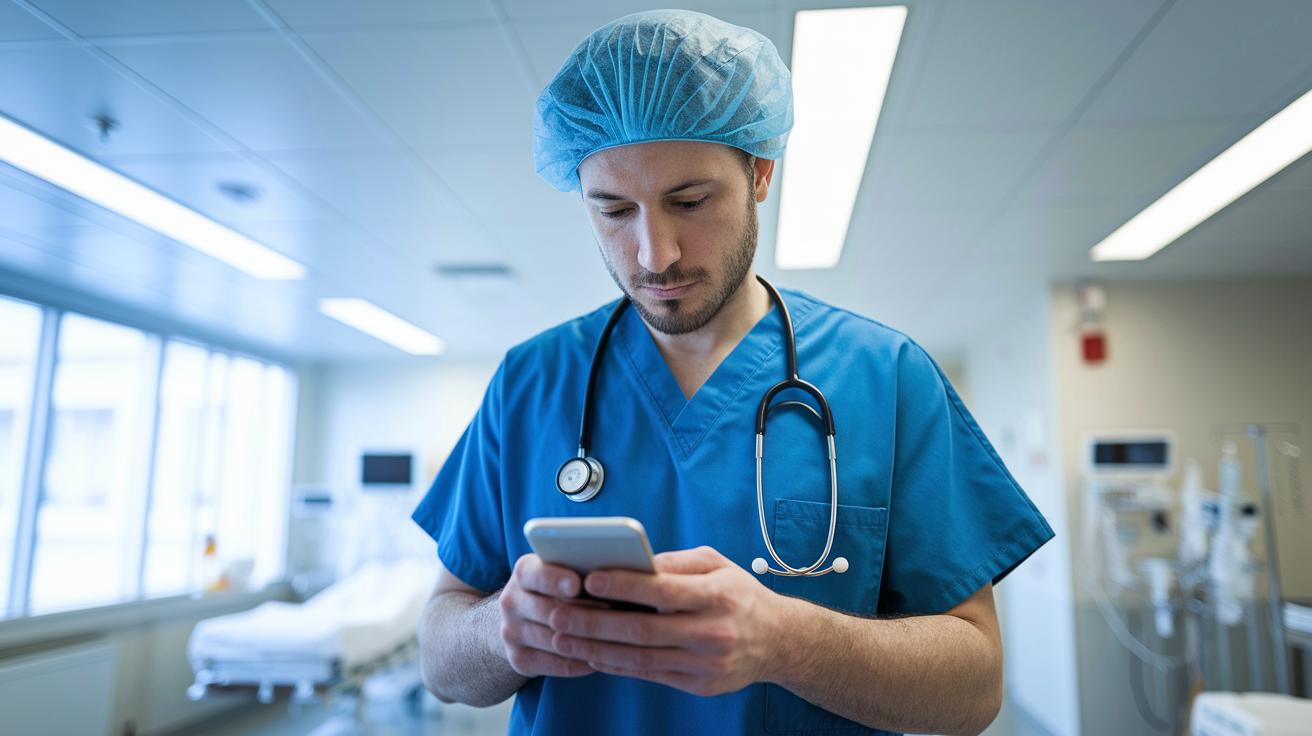
Encrypted messaging is truly changing the way our care teams connect. With Hypercare’s platform, clinicians can send secure updates in real time, which means no more waiting around like we used to with older methods. It’s a bit like having a direct, safe line to your colleagues, one where you can share files, join group chats, and check clear status updates that show the progress of every message.
Automated escalation policies and an integrated scheduling system have replaced clunky, manual workflows and outdated pagers. There’s even a simple one-tap code activation that kicks off an immediate, coordinated response during emergencies. So, when a critical alert comes in, clinicians can act quickly without any mixed signals or delays.
Key features include:
- Real-time messaging for instant updates
- Secure file sharing to keep documents safe
- Group chats that make working together easy
- Priority flags to mark urgent messages
- Clear status indicators that show message progress
This system builds a closed-loop care process where every secure message helps ensure fast and reliable action. It cuts down on missed alerts and even lowers the risk of readmissions. With tools like an on-call finder that clearly shows who’s next to respond, the platform not only boosts communication but also strengthens patient monitoring. Every message sent is a small step towards better, safer care.
Ensuring Privacy and Compliance in Patient Messaging
Secure messaging helps keep your health details safe using smart, strong tools. Think of end-to-end encryption as a secret code that only you and your doctor can crack. Imagine getting a secure note about your prescription, it’s like your information is locked in a safe that only you two can open.
We also use multifactor authentication, which is a fancy way of saying we check who you are more than once before letting you in. Plus, role-based access means that each member of your care team only sees the information they need to help you. This approach not only keeps things private but also follows the rules like HIPAA (healthcare privacy rules).
By updating old pagers and manual answering systems with these modern tools, we reduce mistakes and keep everything running smoothly. Features like single sign-on and systems that work hand in hand with electronic health records make sure your sensitive data stays protected every time it moves from one place to another.
| Key Benefit | How It Works |
|---|---|
| Secure Transfers | Your message is protected by a digital lock. |
| Extra Verification | Checks your identity twice for added safety. |
| Controlled Access | Only the right staff see the information needed. |
This thoughtful setup means every message you send supports better, continuous care. Encrypted messages and careful access controls help your doctors stay connected with you, knowing that every detail is safe and in line with strict privacy rules.
Case Studies Demonstronstrating Improved Recovery Rates

In several community health centers, using secure messaging has truly changed patient care. One local clinic, for example, experienced a big difference when staff used a one-tap button to alert emergency teams. After switching to digital alerts, emergency response times dropped nearly by half. It’s like having a digital lifeline that makes sure urgent messages get to the right people at the right moment.
Another example comes from clinics that started sending private mobile updates for people recovering from surgery. These clinics used automated reminders to help patients remember to take their medication, care for their wounds, and go to follow-up visits. With these discreet messages, patients could stick to their recovery plans better, which led to fewer complications and hospital readmissions. Both patients and providers found that these timely messages helped everyone stay on track without the usual delays seen with manual alerts.
Key interventions highlighted in these studies include:
- A simple one-tap button for quick emergency alerts
- Automated digital messages for medications and follow-up care
- Confidential mobile notifications that keep patients focused on recovery
| Intervention | Result |
|---|---|
| One-tap button | Faster emergency action |
| Digital notifications | Improved treatment outcomes and higher patient satisfaction |
These real-life examples show us how secure messaging can speed up care and support smooth recovery. With this simple technology, care teams can be more responsive, and patients can feel safer and more involved in their healing process.
Best Practices for Implementing Secure Messaging in Healthcare
This section offers clear steps to help IT teams handle challenges when setting up secure messaging. We provide a simple checklist focused on solving integration issues, training staff effectively, and monitoring performance.
Think of it this way: Start by checking if your systems work well together. For example, make sure that when an appointment is set, a message like "Your follow-up visit is confirmed for 2:00 PM" appears perfectly in a secure message.
Next, organize training sessions where staff can practice with real-life scenarios. Try out how to reply when a patient asks to change their appointment through a secure message. This helps everyone feel more confident.
Then, establish easy-to-follow steps for emergencies. Test your system so that it can send out messages such as "Immediate review: urgent condition detected." This helps the care team act quickly.
Also, keep an eye on how well the system works by regularly running tests and checking how fast automated messages are sent out.
Finally, review new trends by looking at examples from other healthcare facilities. Many have upgraded old systems to virtual messaging using open APIs, making communication smoother and more reliable.
| Step | Action |
|---|---|
| Integration Testing | Check that scheduling and EHR systems work together; ensure messages like appointment updates display correctly. |
| Staff Training | Run practical messaging simulations and polish the steps for handling issues. |
| Escalation Protocols | Set up automated alerts for urgent cases and practice the response process. |
| Performance Monitoring | Use test cases to monitor system speed and ensure reliable message delivery. |
| Review Emerging Trends | Investigate case studies like switching from old systems to modern secure virtual messaging. |
Final Words
In the action, this blog showed how secure messaging improves patient outcomes through faster appointment scheduling, quicker emergency responses, and safe data sharing. It talked about encrypted messaging that keeps patient info private while easing care coordination. Real case studies shared how quick digital alerts boost recovery and cut delays. Best practices offered practical steps for smoother workflows and stronger compliance. Every example supports a brighter future in healthcare, making each step count toward better patient care and peace of mind.
FAQ
What is the importance of secure messaging platforms in healthcare communication?
The importance of secure messaging in healthcare communication is that it creates a safe way for clinicians to share sensitive patient data while improving workflow efficiency and keeping information private.
How can effective communication improve patient outcomes?
Effective communication improves patient outcomes by speeding up care coordination, reducing delays in treatments, and ensuring that clinicians have quick access to accurate health information.
Why is secure messaging important?
Secure messaging is important because it provides an encrypted, HIPAA-compliant method for sharing patient details, which protects personal health information while supporting timely, coordinated care.
What is the advantage of secure messaging within the electronic health record?
The advantage of secure messaging integrated with electronic health records is that it offers seamless access to patient data, simplifies scheduling and consultations, and keeps health records updated securely.

