
Do social media sites help our minds grow, or can they make us feel weighed down? Millions of people log on every day, and the time we spend online might change how we feel. Some find comfort and connection, while others worry about stress and anxiety.
When we share a post or read a friend's story, it can feel like a warm chat that lifts our spirits. Yet, sometimes scrolling through too much information can leave us feeling overwhelmed. It's a bit like a seesaw: one side can brighten our day, and the other might pull us down.
Have you ever noticed how a kind message online can make your heart feel lighter? Our everyday habits on these platforms shape our inner world. Next, we'll explore how simple clicks and connections can build mental strength, even as they sometimes add a little extra worry.
How Social Media Shapes Mental Wellness: An Overview
Around the world, social media connects about 4.9 billion people in 2023, with most users spending roughly 145 minutes a day on these platforms. In the United States, people typically spend about 2 hours and 23 minutes daily online. Imagine this: almost 7 out of 10 people use at least one social network, making digital connection a nearly universal part of everyday life. These figures show just how important digital platforms have become and hint at their big role in influencing our mental health.
In the U.S., the numbers tell an interesting story. About 68% of Americans use at least one social network, 90% of teens are active on social media, and 74% of adults under 30 use five or more apps. A 2023 survey by the Pew Research Center even found that 1 in 5 teens spends almost all day on YouTube or TikTok. U.S. Surgeon General Dr. Vivek Murthy pointed out in 2023 that too much time on these platforms might be linked to more anxiety and depression. This has many experts taking a closer look at our online habits.
Experts, including those from the American Psychological Association, say social media has its ups and downs when it comes to mental wellness. These platforms help people connect, share information, and build communities, which is great. But on the flip side, spending too much time online can also increase feelings of anxiety and stress. As we continue this discussion, we’ll look at both the positive and the negative sides of social media. Both how it helps us connect and how it might put our mental health at risk play a big role in our lives today.
Positive Influences of Social Media on Mental Wellness
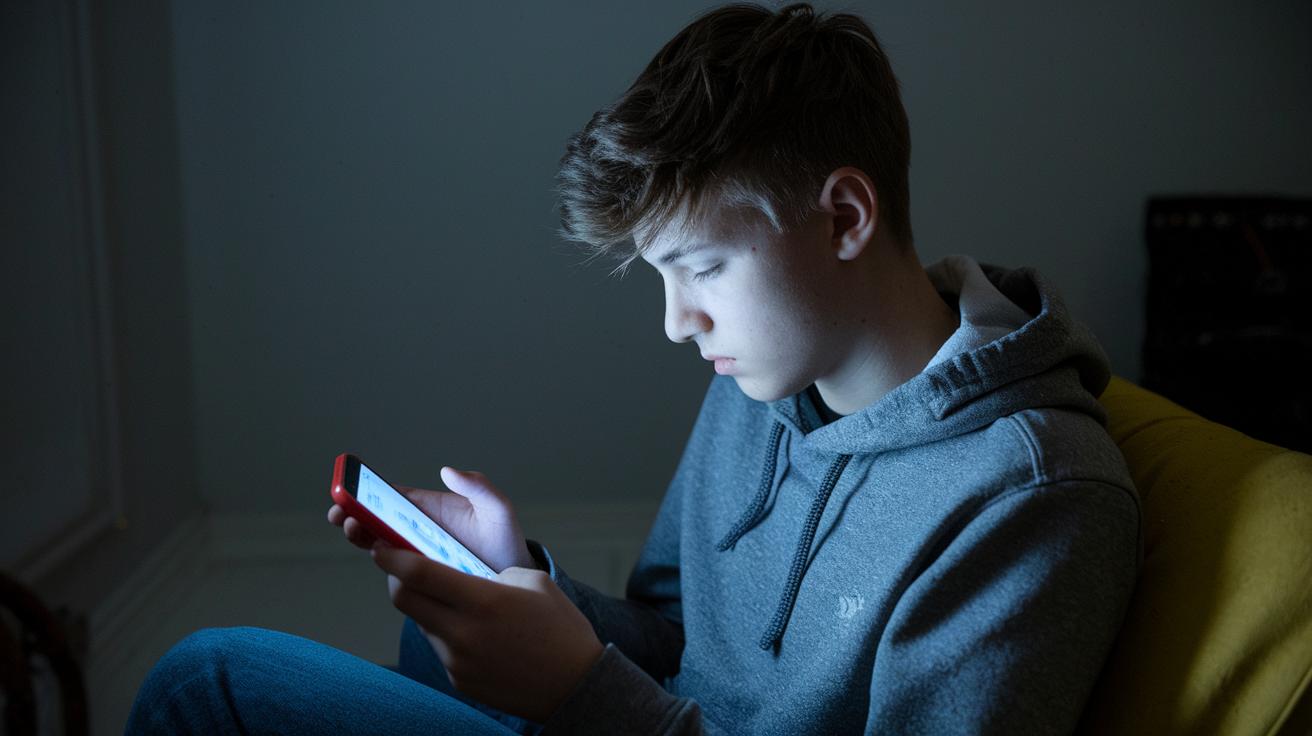
Social media helps bring people closer by building strong connections, sharing useful tips, and making us feel like we belong. It makes it easy to stay in touch with friends, family, and even people far away, all with just a few clicks. For example, you might join a group of parents who swap ideas on child care, much like chatting with neighbors at the park. This online space also offers friendly advice and clear information about health topics, so you can learn something new and feel supported.
Online platforms also open the door to mental health resources that might seem hard to reach. They offer safe support groups, links to online counseling, and places where people can talk about mental health openly. Imagine signing in and finding a peer-led guide or joining a chat that shares smart ways to handle stress, it’s like having a caring counselor with you all the time. Groups with similar interests and experts share ideas and help each other, creating a welcoming space that nurtures well-being through understanding and support.
Negative Consequences of Social Media on Mental Wellness
Using social media too much can make you feel anxious and even sad. Young teens, like those between 12 and 15, who spend over three hours a day online are twice as likely to feel these negative emotions. U.S. Surgeon General Dr. Vivek Murthy has pointed out that constantly being online might worsen how we feel over time. Did you know that spending just one extra hour scrolling can change your stress level, almost as if your mood is being reset with every swipe?
Scrolling through perfectly crafted photos and fun posts can sometimes hurt your self-esteem. When you see these shiny images of ideal lives, it’s easy to start doubting yourself. Imagine opening your social media and feeling like you just don’t measure up. That small moment can slowly chip away at your confidence, making you feel not quite enough.
Constant notifications and too much information can add even more stress. Day after day, all these alerts and online updates can keep your body on high alert. And when cyberbullying happens, it can make you feel even more isolated and in pain. All in all, the nonstop pressure to stay connected might leave you feeling distracted, vulnerable, and plain worn out.
Demographic Variations in Social Media’s Impact on Mental Wellness
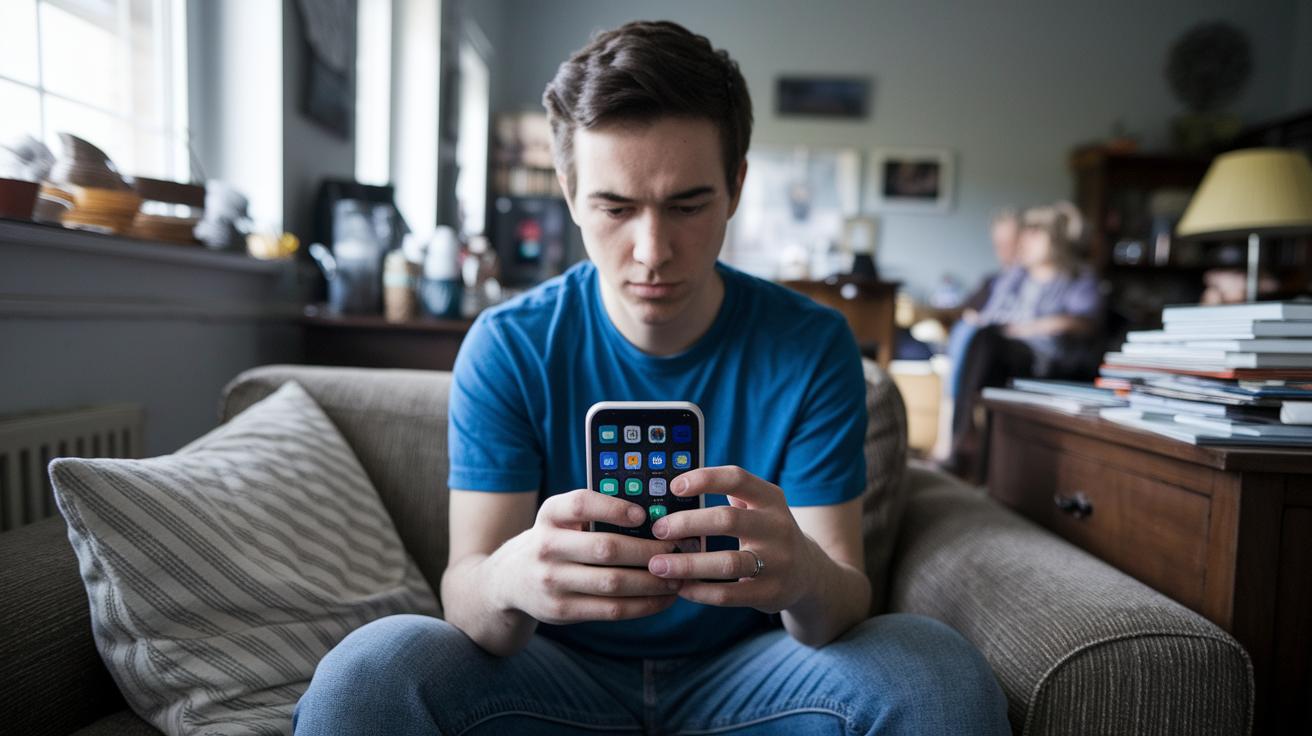
Teenagers and young adults are some of the most active social media users around. Almost 90% of U.S. teens are on platforms like YouTube and TikTok, and about 1 in 5 spends nearly every moment online. Also, 74% of adults under 30 use five or more apps, which shows just how connected they are. Picture a young person switching from one app to another all day, drawn in by constant updates and trends. This nonstop activity can spark exciting ideas, but it can also lead to stress from comparisons and the pressure of being always online.
Adults over 30 usually spend fewer hours on the internet, but they face their own challenges. They juggle work, family, and staying connected online, which creates its own kind of stress. Even with lighter usage, issues like privacy worries, too much information, and balancing work with personal time still impact their mental wellness in our digital age.
Psychological Mechanisms Behind Social Media’s Impact on Mental Wellness
When you get a like or a share, your brain releases a burst of dopamine, a feel-good chemical that keeps you coming back. Think about it: a simple notification can lift your mood in an instant, but it also makes you want more. This quick cycle of digital rewards leaves little time for real emotional balance, and soon enough, it becomes harder to focus on daily tasks and manage your feelings.
Scrolling through perfectly curated profiles only shows you the best parts of people’s lives. This can spark comparisons that make you feel like you’re not measuring up. Constant updates and a flood of notifications can overwhelm your mind, leaving little space to reflect or feel truly secure. In the end, this constant digital feedback can slowly chip away at your self-esteem and shape how you view yourself.
Strategies to Protect Mental Wellness Amid Social Media Use

When your screen lights up, it can feel a little overwhelming. Mixing time on your device with moments in the real world can help ease stress and lift your mood. Spending less time online might quiet that constant buzz of alerts. And a mindful pause, like a slow walk on a sunny day, can really help clear your mind. These simple daily habits can lead to a more peaceful outlook. You might also like to look at tips for mental wellness or learn about what is mindful meditation for a gentle start.
- Set clear daily time limits. Decide on a special time to unplug, like closing a favorite book at bedtime.
- Plan moments during meals and before sleep when you leave your tech aside so you can enjoy quiet time.
- Tidy up your social media feed by muting accounts that bring more stress than happiness.
- Take short breaks for mindfulness or meditation, even a few deep breaths can help you reset.
- Change your notification settings so you aren’t pulled away from the moment every time an alert comes in.
- Make time for activities that do not involve screens, such as talking with a friend or enjoying a hobby.
Guidelines for Balanced Social Media Engagement and Mental Wellness
Keeping an eye on your online habits can bring a sense of calm into your day. Think of scheduling breaks like planning a family dinner, simple moments that help keep your online and offline life balanced and safe.
Many gadgets come with handy tools built in. They might show you how long you've been on your device, schedule downtime, or give you a usage report. Imagine a gentle reminder pop-up saying, "Time for a quick reset," nudging you to take a break. These little signals work like a kind note, helping you manage screen time and keep your mood steady.
You might set easy rules too, like no screens during meals or when chatting face-to-face. Checking in with yourself often can help you notice mood changes early. Simple routines like these boost your mental wellness and make your digital time more intentional.
| Tool | Where to Find It | Why It’s Useful |
|---|---|---|
| Screen Time Limits | iOS/Android Settings | Helps you limit daily use |
| Notification Controls | Facebook, Instagram | Stops too many interruptions |
| Content Filters | Twitter, Reddit | Prevents harmful keywords from showing |
Final Words
In the action, we explored how social media shapes mental wellness by looking at its widespread use and mixed effects. We examined the benefits of connection and access to support, as well as challenges like stress and self-image struggles.
We touched on simple strategies to reduce digital stress and shared practical guidelines for balanced online habits. Each measure brings us closer to maintaining secure communication and a steady mindset.
The impact of social media on mental wellness reminds us to balance our digital worlds with moments of calm.
FAQ
What are the impacts of social media on mental health?
The impacts of social media on mental health include both benefits and concerns. It can boost connection and access to support, while also raising stress from comparisons, constant notifications, and potential cyberbullying.
How does social media affect wellness?
The effect of social media on wellness shows up in improved connections and resource sharing. At the same time, overuse may lead to heightened stress and reduced attention to face-to-face interactions, influencing overall well-being.
How does social media positively influence mental health?
The positive influence of social media on mental health comes from fostering supportive communities, providing access to helpful information, and offering self-help networks. These tools can uplift mood and encourage health awareness.
What are some current social media mental health statistics?
Current statistics indicate high daily engagement, with many spending over two hours on platforms. Teens and young adults are especially active, which may contribute to both increased connectivity and varying emotional challenges.
How is social media affecting the mental health of students?
The impact on students comes in the form of increased opportunities for study groups and information exchange, yet it also poses challenges like cyberbullying and pressure to compare, which can affect overall mental well-being.
How does deleting social media help mental health?
The act of deleting social media can help mental health by cutting down on constant interruptions, reducing comparison stress, and making way for more mindful, in-person interactions that strengthen emotional balance.
What topics might a social media research paper or essay cover?
A research paper or essay on social media and mental health typically analyzes global usage, expert findings, and both the uplifting and challenging effects of digital connection, offering clear insights into modern mental wellness trends.

