
Have you ever thought about how connecting health records can change how care is given? When doctors link electronic records with smart tools that spot warning signs early, they can act quickly on important details. This connection brings patient information together in a clear way, making care decisions easier and faster. With real-time updates, healthcare teams can manage risks more effectively. In short, merging these systems helps improve patient care and makes everyday work smoother so every important moment gets the attention it deserves.
Benefits of Integration of EHRs with Medical Informatics for Data Management and Decision Support
Integrating electronic health records with medical informatics means doctors and nurses can quickly see patient information from different systems. This quick access makes tools that help with decisions much more reliable. Did you know that before these systems were linked, many clinics missed early trends? Now, real-time alerts help catch issues before they get worse.
By blending data from many sources, healthcare teams get one clear picture of each patient. This merge not only helps in making smarter care decisions but also in managing risks more effectively. Plus, smoother workflows mean patient data is right there when it’s needed most.
These decision tools look at all the combined data to offer clear, helpful advice in serious moments. When an alert goes off, care teams can act fast. At the same time, connecting different systems ensures that information keeps moving seamlessly, making care processes more efficient. With the market expected to grow to over $379 billion by 2024 and the EHR sector nearing $39.38 billion by 2032, every improvement really counts.
In short, having data integrated in real time makes a big difference, providing the evidence-based support that modern patient care relies on.
Interoperability Standards Driving EHR and Medical Informatics Linkage

Interoperability standards are like the strong foundation that connects EHR systems with medical informatics. Back in 2014, only about one in five hospitals in the U.S. was fully set up to find, send, receive, and use information. This tells us that having a unified set of rules isn’t a luxury, it’s essential for giving doctors clear, real-time insights when they need them the most. Imagine a system that pings an alert right when a doctor needs to act. That’s what smooth, seamless data exchange feels like.
To make that happen, healthcare groups rely on trusted frameworks like HIPAA (which covers healthcare privacy rules) and ANSI X12, along with helpful projects such as the Direct Project and Blue Button. They also use FHIR implementation guides, which show developers how to create uniform data formats so that health records move safely from one system to the next. HL7 messaging frameworks, on the other hand, work like a trusted playbook, outlining clear steps on how patient details are shared securely and correctly.
Today, many organizations are focusing on building cross-platform protocols so different systems can “speak” the same language. This approach sets up a network that allows data to flow easily between various digital tools. Think of it like putting together a puzzle where every piece fits just right. With these standards in place, data sharing becomes secure and efficient, ultimately helping to boost patient care by blending EHR records with important analytics and biometric monitoring exactly when it matters.
Technical and Administrative Challenges in Integrating EHRs with Medical Informatics
Upgrading electronic health record systems so they work in real time is a big challenge. Many systems were built just to move data from one place to another, not to run detailed checks or send alerts. Upgrades need to follow strict IT rules and work well with the software and hardware already in use. For example, if a hospital only has a basic system, it might slow things down and delay patient care.
Administrative hurdles add more complexity. Hospitals, insurers, and vendors sometimes hesitate to invest the time and money needed for these upgrades. In one case, a well-known insurer held off on integration because the benefits weren’t clear right away. When it’s hard to see immediate savings or improvements, decision-makers might be reluctant to make changes, even if they could pay off in the long run.
Cybersecurity also becomes even more important as systems connect more deeply. In 2023, data breaches impacted over 540 healthcare organizations and 112 million people, showing that vulnerabilities exist. This means that strong security practices are essential to protect sensitive patient information from hackers.
Planning for growth is another key issue. When electronic health records need to connect with various tools, from heart monitors to external data analysis, the network must be able to expand easily. Tracking progress with clear metrics helps show that the investments are well worth it.
| Key Point | Summary |
|---|---|
| IT Compliance | Upgrades must follow strict IT rules and work with existing systems. |
| Cybersecurity | Strong security measures are needed to protect patient data. |
| Scalability | Networks need to grow and connect smoothly with more data sources. |
Best Practices and Framework Standardization for EHR-Medical Informatics Integration

To make sure electronic health records work well together, start by following important guidelines like HIPAA (healthcare privacy rules) and ANSI X12. It’s not just about sending or receiving data, it’s about systems working hand-in-hand to give you clear and immediate insights. Imagine a care team getting a quick alert right after a system upgrade that helps them adjust treatment plans within minutes.
Next, every healthcare organization should use a uniform framework that guides how different departments work together. A solid governance policy acts like a roadmap for everyone, from decision makers to tech teams, keeping integration projects on track.
It really helps when teams build clear guidelines. By creating use-case libraries, they provide handy training tools and quick references during system updates. Think of a hospital that keeps a detailed playbook outlining every step, from sending secure data to triggering proactive alerts. This approach not only makes clinicians more comfortable, but it also helps smooth the path to better patient care.
Programs like the Direct Project and Blue Button show us how a clear, coordinated approach can unlock real-time, data-driven insights right where care happens.
| Focus Area | Actionable Guideline |
|---|---|
| Framework Standardization Applications | Use unified rules and build clear use-case libraries. |
| Governance Policy Development | Create policies that bring IT and clinical teams together around integration goals. |
| Best Practice Recommendations | Develop thorough guidelines that detail each step of integration. |
| Transformation Process Strategies | Put in place strategies that ready staff and systems for ongoing change. |
By following these standards and frameworks, healthcare organizations can plan and manage integration projects that boost efficiency and secure patient care.
Leveraging Analytics and Predictive Models through EHR and Informatics Synergy
Integrated EHR systems let health teams quickly sift through live patient data, triggering helpful alerts and uncovering care opportunities right away. For instance, if the system spots a sudden jump in heart rate differences among several patients, it immediately notifies the team with a clear, friendly alert like “Notice: A burst of unusual readings just happened,” which helps everyone respond fast.
Advanced predictive models take these live data points and use them to guess what might happen next, even before problems fully show up. They mix old trends with what’s happening now to shape important clinical choices and resource planning. Imagine the system detecting a steady 10% boost in patient admissions over a few days and then suggesting extra staff for the emergency department. This kind of insight really changes everyday care into something more proactive.
EHR data also plays a big part in research on community health. Studies tell us that many clinical trials can run behind schedule – about 86% face this challenge. Smart analytics help speed up these processes and boost improvements along the way. Learning healthcare systems take feedback from EHR data and feed it right back into daily care routines so adjustments can be made on the fly.
All these real-time systems and ongoing informatics trends empower care providers to make decisions quickly and confidently, ultimately leading to better care quality and improved patient outcomes.
Future Trends and Digital Health Tech Innovations in EHR-Informatics Integration
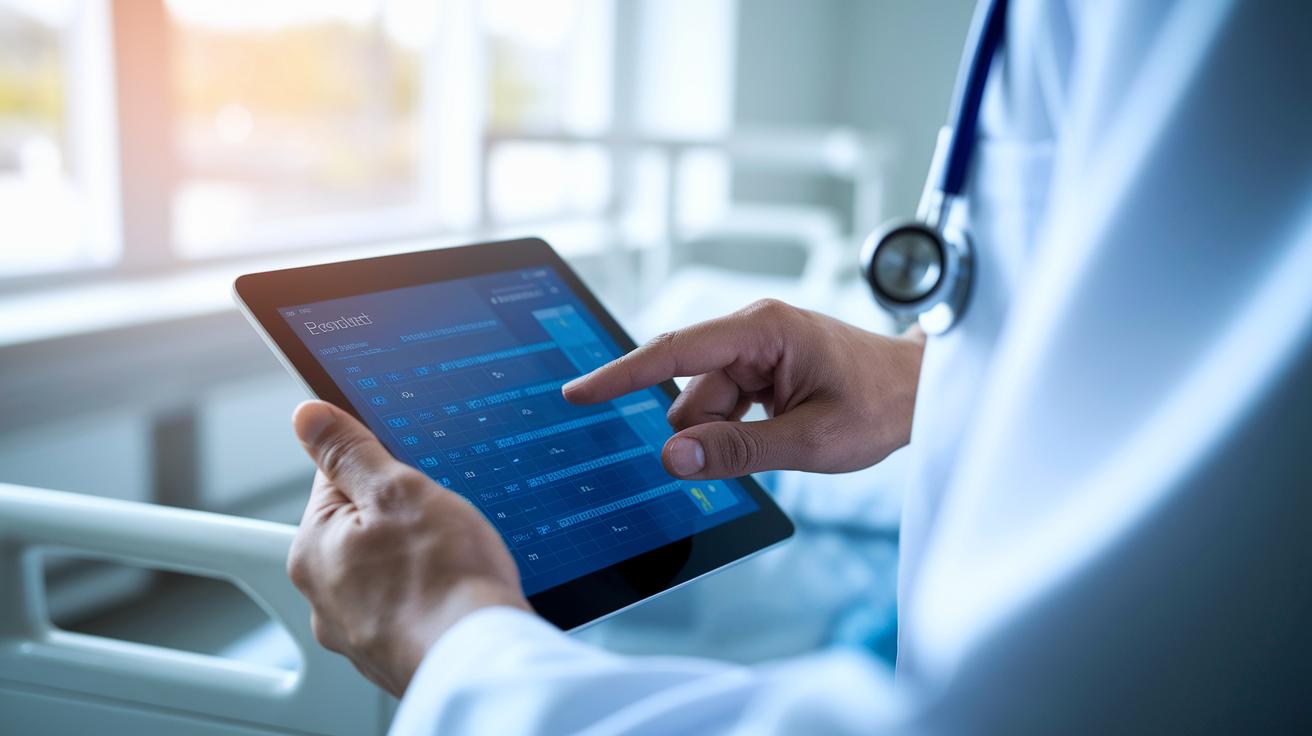
The digital health world is growing fast. Experts say it could be worth $379 billion by 2024. Meanwhile, electronic health records (EHR), which are secure digital files, might hit $39.38 billion by 2032. Imagine a hospital where data moves as easily and safely as water through a stream.
New tools like cloud-based documentation, simple API interfaces, and smart ways to lock information are changing how care works. Picture a doctor tapping a screen and quickly opening a secure digital file with real-time alerts. It’s a clear example of how technology helps doctors get the info they need while keeping patient details safe.
Looking ahead, we’ll see systems that grow with our needs, real-time links between different platforms, and AI (artificial intelligence, or smart computer tools) that guide care decisions right when they’re needed. This mix of smart innovations and strict security is set to transform healthcare for the better. Explore more with Digital Health Tech.
Final Words
In the action, we examined how integrating EHRs with medical informatics strengthens secure health communications and transforms patient management. Real-time alerts and data harmonization techniques improve clinical workflows and support informed care decisions.
This seamless integration of systems creates dependable data trails and boosts evidence-based support at every step. The progress we see sets a solid foundation for enhanced healthcare outcomes and a future of more secure, responsive care.
FAQ
Frequently Asked Questions
What is an electronic health record example?
An electronic health record example is a digital version of a patient’s chart that stores personal and medical details securely, making it available anytime for healthcare teams.
What are the benefits of electronic health records?
Electronic health records improve patient care by offering fast access to medical information, reducing errors, and promoting informed treatment decisions in a secure environment.
What is the difference between an EHR and an EMR?
The difference between an EHR and an EMR is that EHRs provide a comprehensive view shared across providers, while EMRs focus on managing patient data within a single practice.
What does an EHR dataset include?
An EHR dataset includes structured patient information like diagnostics, treatment history, and test results, which clinicians use for better data management and decision support.
How is EMR used in healthcare?
EMRs are used in healthcare to digitally store patient records within one practice, making it easier for clinicians to reference past treatments and manage in-office care.
What types of electronic health record systems exist?
Electronic health record systems range from standalone software platforms to integrated networks that manage patient data, support compliance, and streamline clinical workflows.
Which companies provide EHR solutions?
EHR companies supply digital record platforms and software that help healthcare organizations securely manage patient information and support efficient care coordination.
Who manages an EHR system?
EHR management is typically handled by healthcare providers in collaboration with IT teams and external vendors, ensuring the system remains secure and fully functional.
What is EHR integration in healthcare?
EHR integration in healthcare means linking digital patient records with other systems like informatics tools, which enhances data management and decision support during care.
How does health information exchange interoperability impact EHR systems?
Health information exchange interoperability impacts EHR systems by allowing seamless sharing of patient data, which improves care coordination and provides real-time clinical alerts.
What is the integration of informatics in healthcare?
The integration of informatics in healthcare involves combining patient records with analytical tools to support clinician decision-making and improve overall patient outcomes.
What is EHR informatics?
EHR informatics combines digital patient data with technology to streamline workflows, provide actionable insights, and support evidence-based clinical care.

