
Have you ever thought about how a smart computer might help find clues hidden in your health records? Machine learning takes all that messy data and turns it into clear signals that doctors can use right away. Imagine a tool that quietly checks your records and pictures, looking for details that might be missed by tired eyes. In this article, we explain how these smart systems are changing the way we handle health information and are helping make care faster and more personal. This new approach could even change how you think about everyday health care.
Machine Learning Applications in Medical Informatics: Core Applications Overview
Machine learning is changing how we handle health data by turning large amounts of complex information into clear insights. It helps doctors and nurses make faster, smarter diagnoses and design care plans that truly match each patient’s needs. For example, think about how surprising details can spark new discoveries. Before she was famous, Marie Curie once carried radioactive test tubes in her pockets without knowing the risks, small facts like these can open doors to big breakthroughs.
This technology also works hard to spot patterns and unusual details in clinical data that a person might miss. Behind the scenes, algorithms analyze information around the clock, making evidence-based care a real possibility. Advanced deep learning tools scan images like X-rays, MRI scans, and tissue slides, often reaching the same accuracy as experienced specialists.
At the same time, machine learning brings together lots of patient data to help improve care across the board. It plays a big role in decision making by using predictive models and outcome analyses, which guide treatment options and boost overall efficiency in healthcare.
Key applications include automatically reviewing electronic health records, smart diagnostic tools, and personalized treatment plans. These uses not only lighten the manual workload but also raise the quality of care provided. For more insight into digital health advances, check out Digital Health Tech.
Machine Learning-Powered Diagnostic Support Systems in Medical Informatics
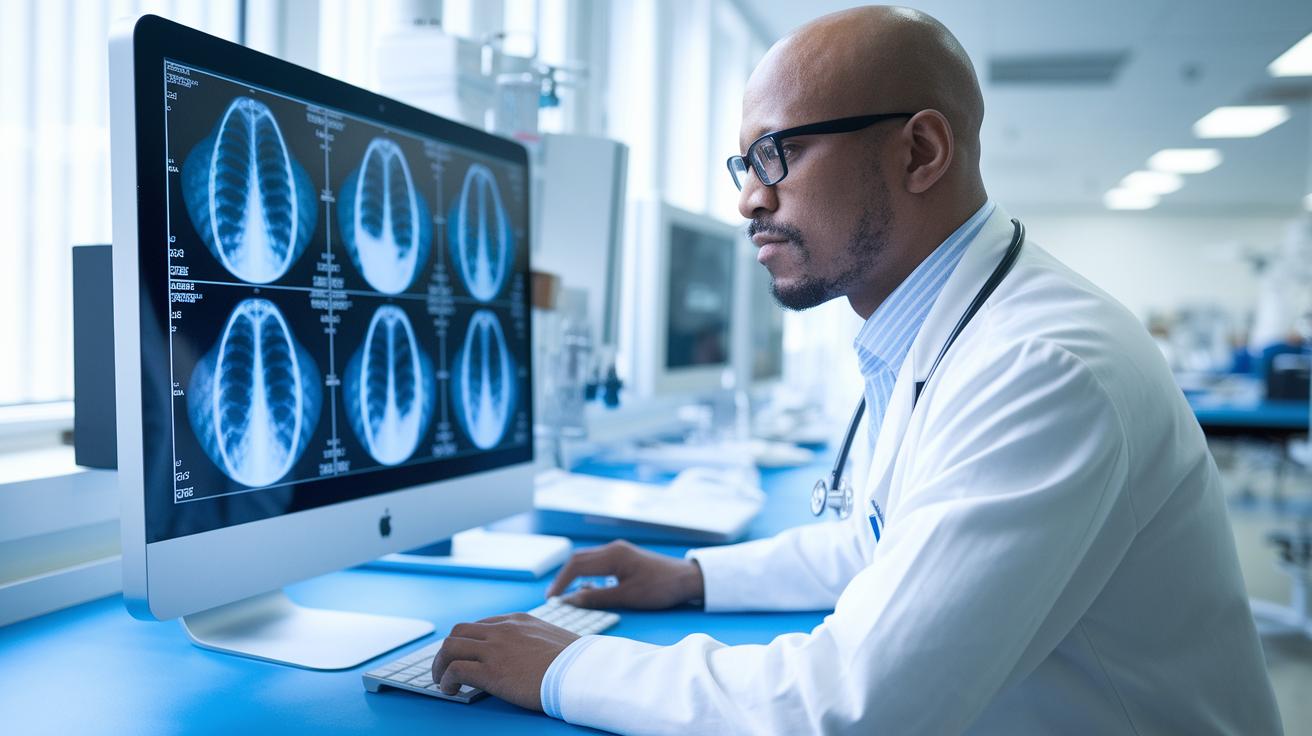
Deep neural networks are changing how doctors look at medical images. These smart computer programs, known as machine learning (ML) algorithms, scan X-rays, MRI scans, and pathology slides to spot details that might be missed by the human eye. They work like a helpful assistant by quickly sorting through lots of data so that doctors get clear advice right away. For instance, imagine a system that notices a small mark on a chest X-ray and nudges the doctor to check for early lung disease.
These automated systems compare new images with thousands of earlier cases. In simple terms, they learn from past diagnoses using layers of neural networks, a bit like how experts build their skills over time. This clever method not only helps make decisions faster but also lowers the chance of mistakes that might happen when done by hand.
By carefully going through clinical data in real-time, these systems can often identify diseases with skills that match or even surpass experienced doctors. This means doctors can focus more on caring for patients while the system handles the heavy lifting. It’s a bit like hearing that satisfying click when you securely log in to your account, reassuring you that everything is safe and in good order.
Machine Learning for Predictive Modeling and Patient Risk Stratification in Medical Informatics
Today, machine learning brings together vast amounts of data from the Internet of Medical Things. It collects information from everyday devices like wearable monitors and bedside sensors, imagine piecing together a puzzle to reveal the full picture of a patient’s health. These systems use pattern recognition to catch early signals in patient data, like a minor change in heart rate that might suggest a developing issue.
These smart models work using learning techniques from public health studies mixed with clinical predictive tools. In simpler terms, they help group patients by risk so that care teams can focus on those who might need extra help. Some models are quite simple, while others are more detailed, outlining clear paths for how a patient’s condition might evolve. This foresight is key for preventive care and effective treatment planning.
For doctors and healthcare teams, having a clear, data-driven view of patient history means making better, timelier decisions. With these insights, personalized care plans can be created and interventions can be made before minor issues turn into major ones. This progress in machine learning not only makes healthcare safer but also more responsive to the unique needs of every patient.
Machine Learning and Data Mining in Electronic Health Record Analytics

Combining data from different sources gives us a fuller picture of a patient's health records. Modern systems merge details like lab tests, doctor notes, and imaging scans using smart linking methods. Picture this: a lab test shows high cholesterol, a doctor’s note mentions slight chest discomfort, and an imaging scan hints at a small narrowing in the arteries. Together, these pieces can reveal early warning signs that one test might miss.
Some methods use natural language processing to pick out key details from doctor notes while checking images for tiny changes. For example, if blood tests show rising inflammation and notes mention feeling tired, this might be a sign to perform extra tests for possible autoimmune issues.
This approach helps us mine data from electronic health records by building a clear and detailed picture from many different sources. When lab data, notes, and scans come together in real time, they uncover connections that guide early health decisions while working with broader machine learning tools in healthcare.
Machine Learning-Driven Personalized Treatment and Genomic Analysis in Medical Informatics
Machine learning is like a helpful guide that makes sense of massive amounts of genetic information so doctors can plan clear treatment paths. It looks at detailed genetic sequences and other health data, revealing hidden clues within a person’s unique biological makeup. This smart analysis leads to treatment choices that truly match a patient’s individual genetic setup.
Imagine a system that reads an entire genome and picks out special markers linked to a disease. Think of it as a tool that finds a tiny change in a gene and signals a need for a custom treatment plan. This way, treatments target not just the visible symptoms but also the root causes hidden deep in your genetic code.
Data from genetic tests and clinical records come together to create a unique health profile for each person. Using these profiles, machine learning tools can predict health risks and suggest the best treatments. These tools compare a patient’s genes against large databases, flagging potential problems even before symptoms appear.
Over time, machine learning gets even better. It learns from each treatment success and setback, helping healthcare experts make smarter decisions that truly benefit the patient. With this technology, personalizing care is becoming a natural part of everyday medical practice.
Machine Learning Techniques in Medical Imaging and Biomedical Signal Processing
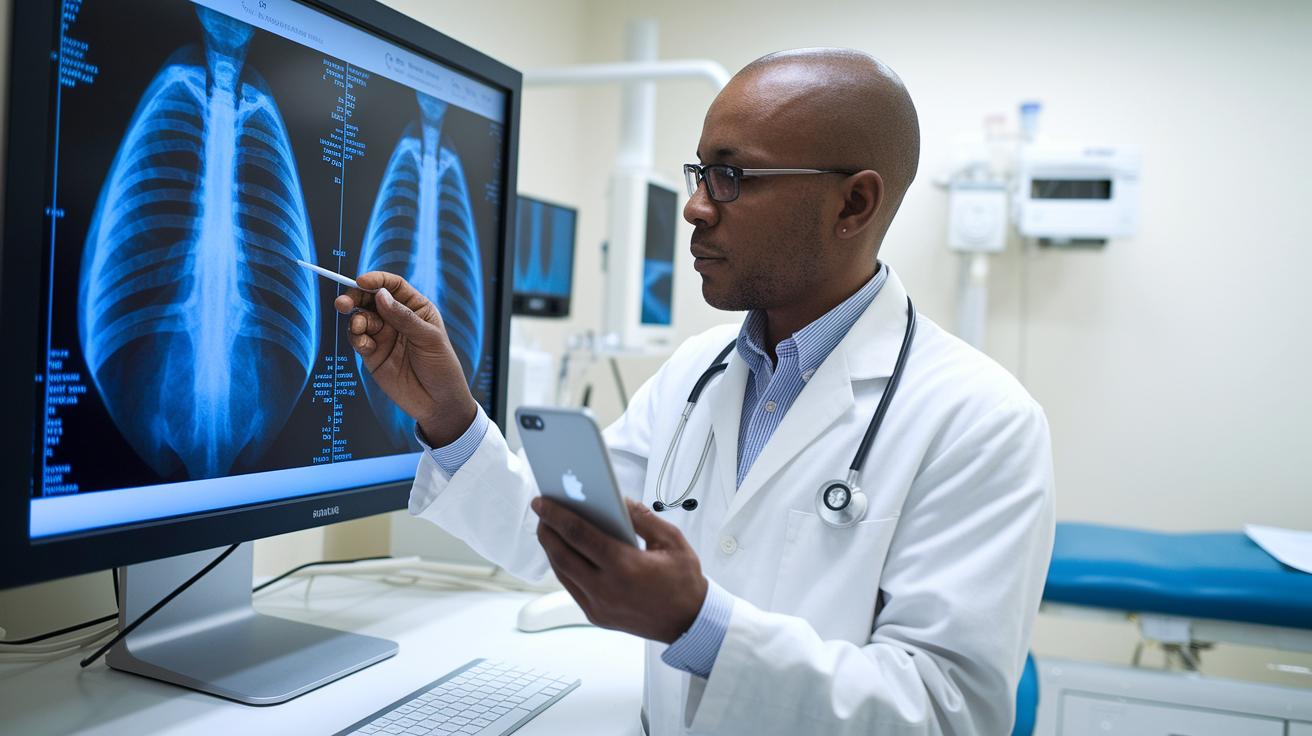
Deep neural networks help us study medical images like X-rays, MRIs, and CT scans more carefully. They break these images into clear parts so we can tell healthy tissue apart from areas that might need extra care. Think of it like a smart system that reviews a lung scan and carefully marks off regions that look concerning, much like a trusted technician highlighting key details on a blueprint.
Likewise, similar models work with signals from the body, such as heart rhythms recorded on an ECG. Picture an algorithm that goes through ECG patterns and notices even the smallest changes that could hint at early heart issues, just like an experienced observer spotting a subtle shift in a familiar scene.
By joining these techniques, our diagnostic tools offer both image checks and ongoing monitoring of body signals. This blend of methods clearly shows how machine learning can make medical care more supportive and reliable.
Challenges and Ethical Considerations of Machine Learning in Medical Informatics
Machine learning holds a lot of promise for healthcare, but it also brings some challenges that we need to handle with care. One big worry is data privacy. Many people ask, “How safe is my health data?” It feels a bit like leaving a secret diary out in the open. We have to be sure that advanced algorithms protect sensitive personal details as they work in the background.
Another concern is making sure we understand how these algorithms make decisions. Imagine a scan device suggesting more tests without explaining why. When the reasoning isn’t clear, both patients and doctors may hesitate to trust the advice.
We also need clear proof that these systems work as well as an experienced professional would. Think of it like double-checking your homework before turning it in. Rigorous testing helps prevent mistakes and builds trust.
To address these issues, some key strategies include:
| Strategy | Description |
|---|---|
| Regular Auditing | Ongoing checks to ensure systems perform safely and securely. |
| Clear Validation | Step-by-step testing so machine decisions match expert results. |
| Integrated Systems | Connecting various health systems to boost safety and meet rules. |
Another piece of the puzzle is adapting to strict guidelines. Just as you might review a favorite recipe before serving it, healthcare systems must continuously check that every step is safe and effective.
In truth, addressing these challenges with clear procedures and honest communication helps ensure we all feel secure about our health data. Isn’t it comforting to know that every detail is carefully considered?
Future Directions for Machine Learning Applications in Medical Informatics
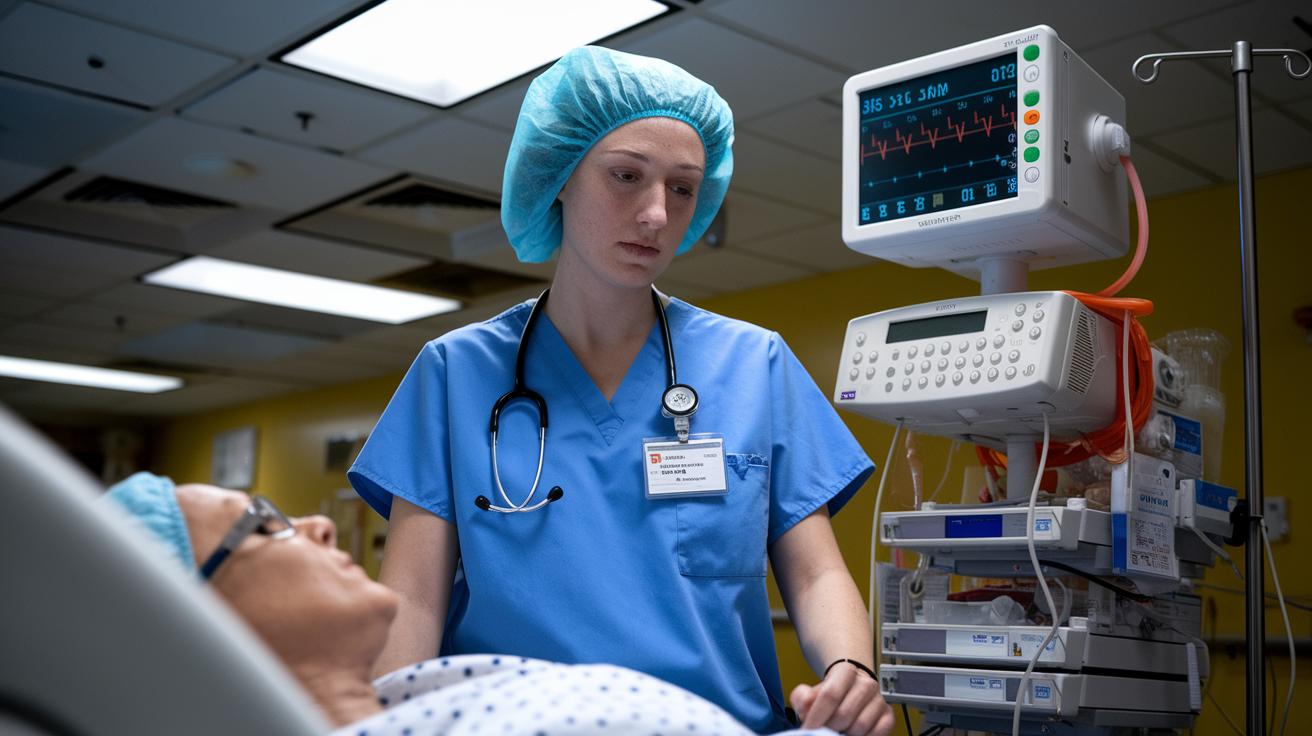
Machine learning is helping healthcare teams improve patient care by processing real-time data quickly and smoothly. Think of a monitor that spots even a tiny change in a patient’s heart rhythm and alerts the care team just like an early warning system, keeping vital health data safe. New analytics platforms are organizing large amounts of clinical data, helping hospitals foresee treatment outcomes with impressive accuracy.
Critical-care units are now using adaptive monitoring that gives doctors live updates so they can step in before small problems turn serious. AI in hospital workflows is making everyday tasks simpler and boosting efficiency, which lets medical staff focus more on patient care. There are also new ML tools that predict complications using live information, much like a weather forecast that warns a community of an incoming storm.
Teaming up with industry leaders such as Health Tech Companies is expected to boost these improvements and create better analytics, paving the way for faster and smarter care for everyone.
Final Words
In the action, this article explored machine learning applications in medical informatics that boost diagnostics, risk stratification, EHR analytics, personalized treatments, imaging analysis, and ethical frameworks in healthcare. We saw how smart systems help with automated support, patient care predictions, and tailored treatment planning. Every section showed real examples of how data-guided tools improve clinical workflows and safeguard patient information. The promise of machine learning applications in medical informatics gives us hope for a future where data and care work together for brighter health outcomes.
FAQ
What are the key applications of machine learning in medical informatics?
The key applications include advanced diagnostics, predictive modeling for patient outcomes, electronic health record analysis, personalized treatment strategies, and automated biomedical image interpretation, each driving faster and more accurate healthcare decision making.
How do machine learning research papers and PDFs contribute to healthcare?
They present evidence and data-driven insights that show how machine learning improves diagnostic accuracy, risk prediction, and patient data management, thus supporting better treatment decisions and enhanced patient care.
What projects use machine learning in healthcare?
Machine learning healthcare projects span automated diagnostic support systems, predictive modeling for patient risk, genomic analysis for personalized therapies, and biomedical signal processing for real-time monitoring, all aimed at improving care outcomes.
What are the disadvantages of machine learning in healthcare?
The disadvantages include concerns over data privacy, limited algorithm transparency, and the challenge of aligning machine decisions with human clinical judgment, which require rigorous validation and oversight.
What are the medical applications of machine learning in bioinformatics and medical physics?
In bioinformatics, machine learning is used to analyze genomic data for tailored treatments, while in medical physics it aids in detecting patterns in medical images and analyzing biomedical signals for improved diagnostic support.
Which potential applications exist for machine learning in healthcare?
Potential applications cover intelligent diagnostic tools, predictive patient outcome models, electronic health record mining, personalized treatment algorithms, and real-time monitoring systems, each contributing to more efficient, data-driven care.
How are machine learning presentations and PDFs beneficial?
These materials simplify complex concepts by visually outlining data-driven diagnostic methods and treatment innovations, making it easier for healthcare professionals to understand and adopt machine learning technologies in their practice.

