
Have you ever thought that a few quiet moments could make a big difference in your day? Mindfulness helps clear away mental clutter, much like the gentle ripples on a calm pond. Imagine sitting still and feeling each breath bring a sense of calm and safety. This simple practice not only eases stress but also creates a safe space inside you. When you take even a few moments to focus, you can lift your mood and help your mind feel healthier.
Core Principles of Mindfulness for Mental Wellness
Mindfulness means staying in the moment and noticing what’s happening right now. It’s like taking a little pause to feel your pulse, notice how you’re breathing, and see what’s around you. Have you ever sat quietly and felt every breath, like watching soft ripples on a pond? This simple act can clear away mental jumble and bring a calm sense of peace.
Meditation is a way to help your mind focus on one thing at a time. You might choose a word, a sound, or just your own breath as your guide. Imagine letting your thoughts float by, much like watching clouds drift in a bright sky. This practice turns mindfulness into a steady habit, making it easier to keep calm during stressful moments.
Together, mindfulness and meditation build a strong path to better mental wellness. They can help lower stress, build a closer connection with yourself, and ease feelings of worry or sadness. Many studies have shown that these practices improve mood and balance, making daily challenges feel easier to handle.
Effective Mindfulness Meditation Techniques for Mental Wellness
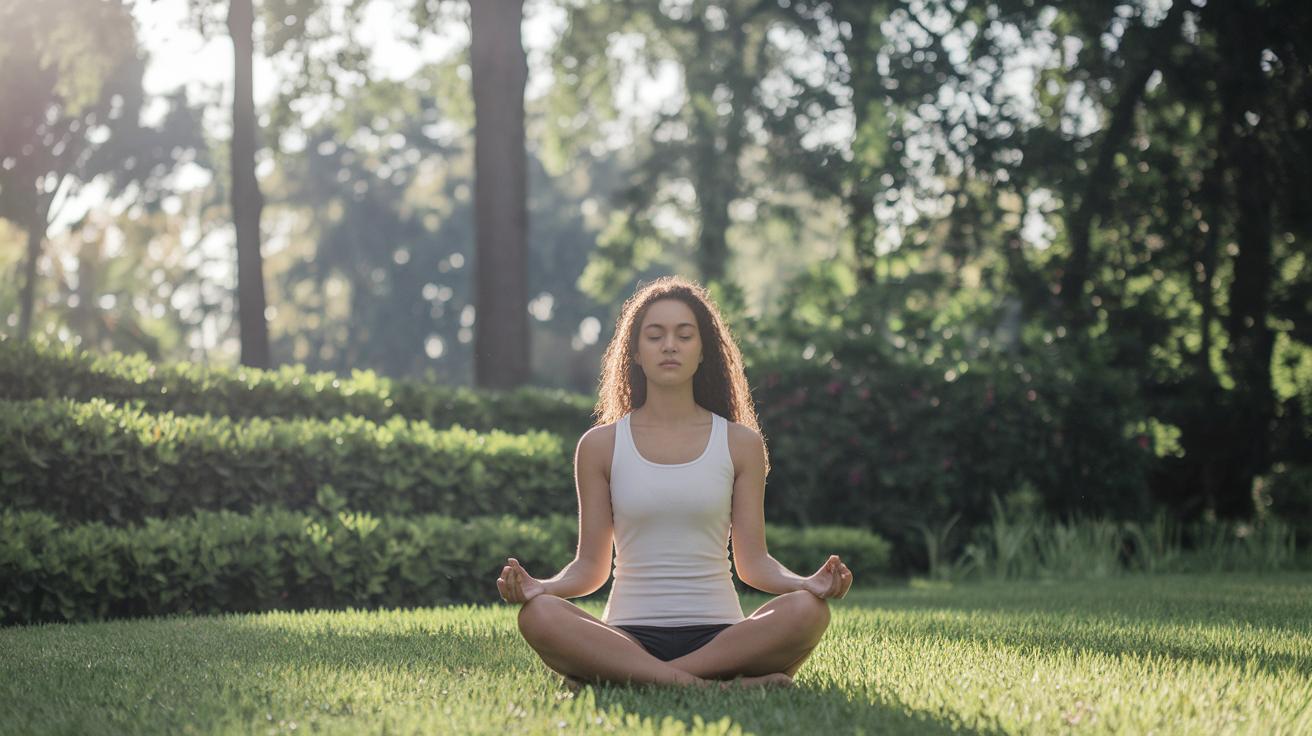
First, find a quiet spot where you feel safe and relaxed. It could be a corner of your home or a calm space outdoors. In this comforting area, you can take your time to explore meditation and really focus on the now. These simple practices work for anyone, no matter your age, background, or beliefs.
Think about trying a few different techniques:
- Breath Awareness: Notice the soft rhythm of your breathing, feeling each gentle inhale and exhale.
- Body Scan: Slowly move your focus from your head to your toes, relaxing each part as you go.
- Loving-Kindness Meditation: Quietly send kind, warm wishes to yourself and those around you.
- Mindful Walking: Walk slowly and with care while noticing the feeling of the ground beneath your feet.
- Mantra Meditation: Repeat a soothing word or phrase in your mind to keep your thoughts centered.
- Visualization: Imagine a peaceful scene that makes your mind feel calm and safe.
- Mindful Movement: Do gentle stretches or try yoga to help connect your body with your thoughts.
These techniques offer easy ways to ease stress and worry. Try them out and see which one feels right for you. Over time, these small steps can bring more calm and clarity to your day, supporting your overall well-being.
Research Evidence for Mindfulness’s Impact on Mental Wellness
The Pennsylvania Psychiatric Institute has long championed mindfulness for its strong benefits in mental well-being. During Mental Health Awareness Month, they showcased simple practices like meditative awareness training that help lower stress and let us feel more connected to ourselves. It’s a bit like stepping into a breath of fresh air on a hectic day.
Many trusted studies show that mindfulness can cut down anxiety and depression by 20 to 30 percent on common tests. Researchers point out that when we use stress management techniques and clear our thoughts, we genuinely feel better. This proves that mindfulness isn’t just trendy, it has real, solid results.
Wider research also tells us that mindfulness works for many people, whether you’re getting clinical care or practicing on your own. These easy-to-do mental exercises blend smoothly into daily life, offering a reliable way to improve how we feel. It’s a mix of science and simple habits that lays a strong foundation for boosting mental clarity and well-being.
Daily Mindfulness Practices to Support Mental Wellness Routines
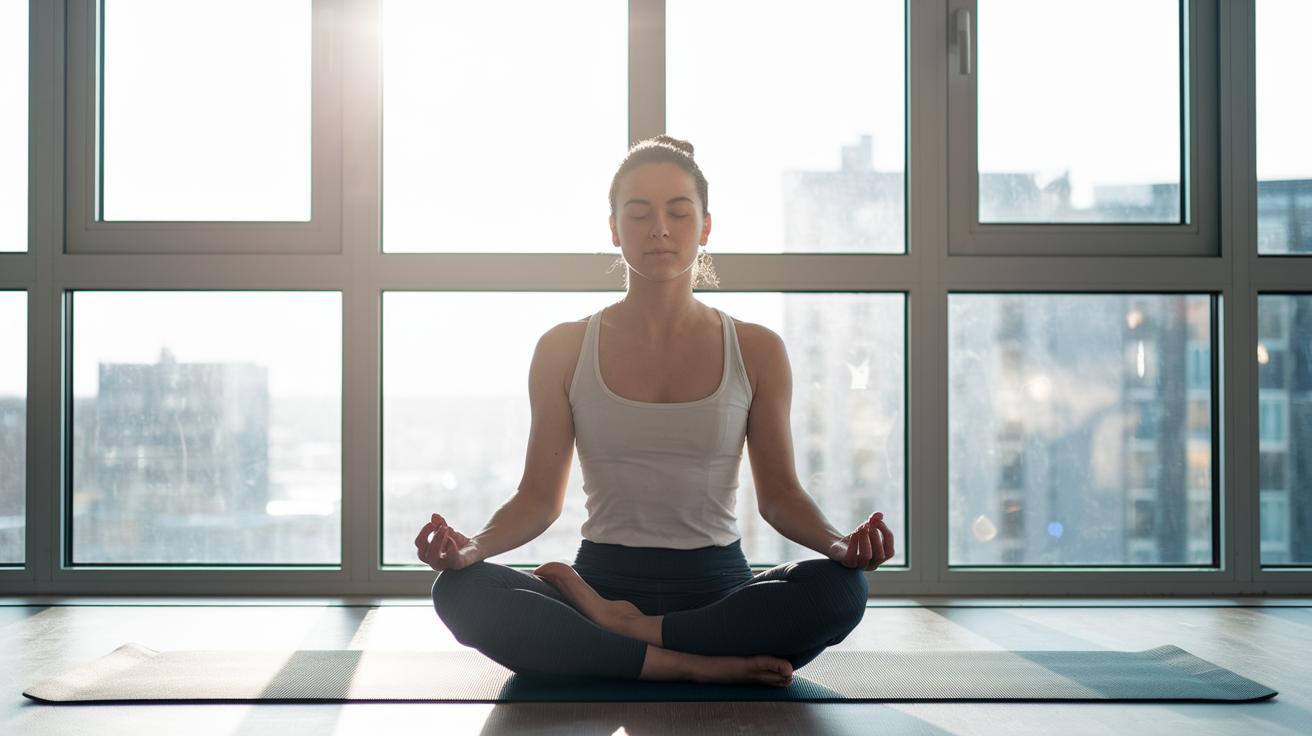
Setting up a daily mindfulness routine can be a simple way to build healthy habits and find a bit of calm in a busy day. Taking a few moments to focus on your breathing and thoughts helps lower stress and keeps you balanced. Even just a few minutes here and there can lift your mood and clear your mind.
| Time of Day | Activity | Suggested Duration |
|---|---|---|
| Morning | Centering Meditation | 5 minutes |
| Mid-day | Mindful Check-In | 3 minutes |
| Afternoon | Breathing Break | 2-4 minutes |
| Evening | Quiet Reflection | 5 minutes |
| Pre-Sleep | Gentle Awareness | 2-5 minutes |
Feel free to mix these moments up to see what works best for you. These short, regular mindfulness breaks can help smooth your mood and ease stress over time, adding little pauses of calm that brighten your day and boost your overall well-being.
Guided Mindfulness Sessions and Tools for Enhanced Mental Wellness
Feeling a bit overwhelmed? A little structure in your mindfulness journey can lighten your mood and calm your spirit. Our guided sessions are like a friendly roadmap, offering simple steps anyone can follow. These tools help make meditation both easy and effective, so you can feel steady even on your busiest days.
Campus Classes
At the Alumni Memorial Union, PPI hosts in-person mindfulness sessions. These campus classes mix the energy of a group with caring guidance from experienced instructors. Picture yourself in a quiet, welcoming room where you can explore inner calm and boost self-awareness.
Mobile Apps
Sometimes, you just need a quick, guided session right from your phone. Mobile apps offer meditation practices that you can tailor to your schedule, whether you need help with sleep, stress, or anxiety. For example, you might try a short breathing exercise using a mindful meditation app or check out other options with mental wellness apps. It’s an easy way to slip mindfulness into your everyday routine.
Community Workshops
Looking for a group experience? Online and local community workshops bring people together in interactive sessions that work for all skill levels. These supportive events let you share ideas, try new techniques, and build confidence in your meditation practice, all while connecting with others who care about their well-being.
Overcoming Challenges in Mindfulness for Sustained Mental Wellness

Many of us find it tricky to stick with mindfulness. Our minds tend to wander, we often feel pressed for time, or we simply don’t feel at ease sitting still. It can seem like our thoughts are always racing, and those quiet moments might even feel a bit uncomfortable instead of calming. This can leave you wondering if the effort is really worth it.
One gentle way to ease into mindfulness is to try small, kind practices with yourself. For instance, you might use a short, self-compassionate phrase or take just one to three minutes for a mini-meditation. These little moments help you recapture your inner calm without needing a big time commitment. Over time, these simple steps can build your inner strength and remind you how a brief pause can clear away cluttered thoughts and improve your mood.
Another helpful tip is to keep track of your progress. Whether you jot down your feelings in a journal or use an app to note how you’re doing each day, watching your progress can build a solid habit. Setting small, realistic goals and celebrating even tiny wins can boost your motivation. Every mindful moment is a step toward a more balanced and stress-free life.
Final Words
In the action, our blog explored how mindfulness for mental wellness supports a balanced lifestyle. We covered core definitions, practical meditation techniques, scientific research, daily practices, guided tools, and ways to overcome challenges.
This discussion helps pave the way for better mental clarity and emotional calm. Embracing these mindful practices can lead to a more centered and resilient outlook, making each day a step toward improved health and well-being.
FAQ
Q: What is mindfulness for mental wellness in PDF form?
A: The mindfulness for mental wellness PDFs provide clear, printable guides that explain mindfulness practices, exercises, and benefits. They offer simple instructions to help improve focus, reduce stress, and support emotional balance.
Q: What are some examples of mindfulness exercises and activities for mental health?
A: The examples of mindfulness exercises include guided breathing, body scans, and brief meditative breaks. These activities help calm the mind, promote self-awareness, and reduce anxiety during everyday routines.
Q: What benefits does mindfulness offer, such as the 10 benefits of mindfulness?
A: The 10 benefits of mindfulness range from lowering stress and improving concentration to enhancing emotional balance, reducing anxiety, boosting self-connection, supporting mental clarity, and promoting overall well-being.
Q: What is mindfulness meditation and how does it work?
A: The mindfulness meditation practice involves focusing on the present, observing thoughts without judgment, and building awareness. This technique often uses breathing and simple visualizations to foster calm and clarity.
Q: What are the 5 R’s of mindfulness?
A: The 5 R’s of mindfulness include recognizing emotions, releasing tension, reframing thoughts, relaxing the body, and responding with care. These steps help manage stress and guide you toward thoughtful action.
Q: What are the 3 C’s of mindfulness?
A: The 3 C’s of mindfulness are calm, clarity, and compassion. This approach encourages a relaxed state, clear thinking, and a gentle attitude toward oneself and others.
Q: How can one improve mental wellness through mindfulness?
A: The approach to improving mental wellness with mindfulness includes daily meditative practices, focused breathing techniques, and attentive self-reflection. These habits reduce stress and build a sustainable path to better emotional health.
Q: What are mindfulness interventions for mental health?
A: The mindfulness interventions for mental health consist of structured practices like guided meditation, mindful breathing, body scans, and walking meditations. These methods help lower anxiety and promote emotional balance in everyday life.

