
Have you ever stopped to think about whether our health is connected to nature? One Health shows us that the well-being of people, animals, and the environment all work together, almost like a band playing in tune. Nearly 60% of illnesses come from animals, so it’s clear that our safety depends on the world around us.
This idea brings us closer by suggesting practical ways to protect our communities and avoid health problems. When experts from different fields join forces, they help us find smart and shared solutions. Isn’t it comforting to know that by working together, we can move toward a healthier and more connected future?
Defining One Health: Core Principles and Scope
One Health brings together human, animal, and environmental health in one big team. It reminds us that our health depends not just on doctors and medicine but also on the well-being of animals and our natural world. Imagine it like a band where every instrument matters to create a beautiful tune. This teamwork helps us spot problems early, stop them before they grow, and work together to fix them.
We know that about 60% of illnesses in people come from animals, and nearly 75% of new diseases also start with animals. That’s why One Health is all about sharing solutions and cooperating closely. Public health workers, animal doctors, farmers, and environmental experts all join forces to keep our communities safe and healthy. Clear and friendly talks among these groups build strong links that benefit us all.
Over time, One Health has grown from a simple thought into a worldwide movement for better care. Early research and small team-ups helped shape policies that protect both people and our planet. As more facts showed how our surroundings and animal interactions affect us, researchers and decision-makers embraced this idea step by step. Today, initiatives like tracking diseases, handling emergencies together, and creating research programs show how One Health is making a real difference. By keeping an eye on things, preventing problems, and finding smart fixes, we feel more secure. And with training programs and collaborative tools growing every day, we’re building a future where we can face health challenges side by side.
Designing a One Health Framework: Collaborative Strategies

Across the world, One Health policies bring together institutions from different areas. In February 2022, at a meeting called UNEA-5.2, leaders agreed that looking after animal welfare and protecting nature can help prevent pandemics. This decision opened the door for big groups like WHO, WOAH, UNEP, and FAO to work together. They are now creating simple, clear guidelines that cross different fields. These agreements build a strong base for managing risks and taking action as a team. At the same time, national projects like Switzerland’s FSVO One Health Interdisciplinary Platform, started in 2017, are uniting public health, veterinary, and environmental experts. These groups share information easily and make decisions together, which makes them ready to handle global health issues.
Each of these partnerships helps create a system where everyone shares leadership and plans together to tackle everyday problems and sudden crises.
Global and National Collaboration Pillars
Effective teamwork is built on models where everyone shares decisions, aligns their policies, and pools resources. International bodies work closely with local agencies to invest in education, prepare for outbreaks, and maintain careful watch over health issues. These coordinated actions help everyone communicate clearly, use resources wisely, and respond as one when health threats start to grow. Together, these efforts form a tough framework that protects community health and builds long-lasting partnerships around the world.
One Health Strategies for Zoonotic Disease Prevention
Catching diseases early, especially in places where animals and people interact, is crucial to stopping infections before they spread. When experts keep a close eye on these contact points, they can spot signs of illness and act quickly. Using reliable tests, like checking for rabies antibodies, gives health workers a sense of calm, knowing they can block dangerous germs before they cause bigger problems. This careful monitoring helps lower the chances of local issues turning into larger outbreaks.
Let's look at some examples:
| Disease | Animal Connection |
|---|---|
| Ebola | About 75% of outbreaks have links to animals. |
| HIV | Nearly 75% of cases trace their origins to animals. |
| Influenza | About 70% start with animal-to-human transmission. |
| COVID-19 | Roughly 75% show a zoonotic beginning. |
Better testing and monitoring act like extra layers of protection by spotting infections right from the start. With improved tools and shared insights, scientists can track diseases more accurately. In fact, the 2021 draft of the Pandemic Treaty calls for ramping up these monitoring methods so that emerging germs don’t catch us off guard. By strengthening our ability to see when germs jump from animals to people, we help communities remain safe through coordinated and quick action.
One Health in Global Health Initiatives and Pandemic Preparedness
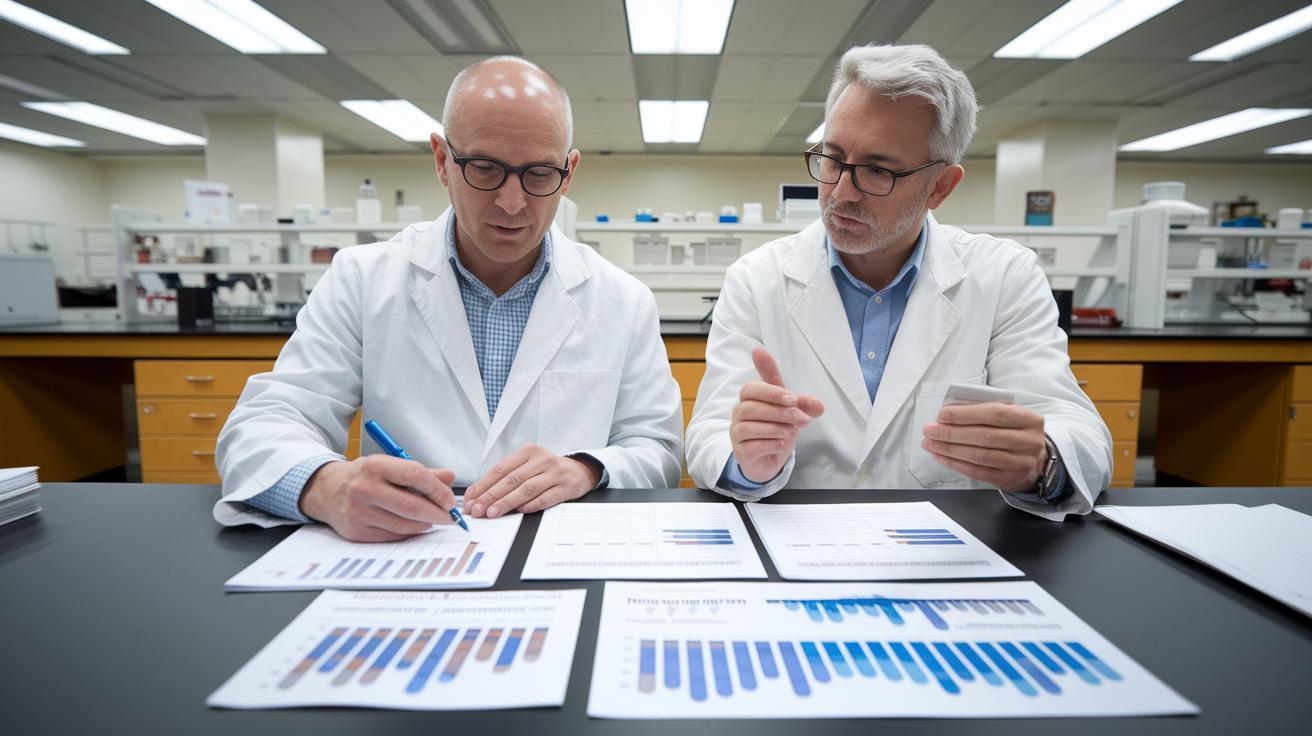
Global health efforts bring people together by reminding us how closely our lives are linked with animals and nature. Events like World Health Day on April 7 and One Health Day on November 3 help spread the word and spark easy, honest conversations. In Geneva, experts meet regularly to plan for sudden health challenges. And with the ongoing Pandemic Treaty talks from 2021 to 2024, everyone is pooling their smarts and shared goals to get ready quickly. Next, at the 78th World Health Assembly in May 2025, more plans will be made so we can spot and tackle any new risks even faster.
These united actions turn ideas into real help on the ground. Leaders from public health, animal care, and environmental management come together to create solid plans. They use early warning systems and train for quick responses, showing us that when we work together, we ease the pressure during outbreaks. With planned events and teamwork across different fields, One Health fills us with renewed hope and energy to keep communities safe and strong.
Case Studies in One Health: Integrated Public and Animal Health Solutions
At the University of Geneva and the Swiss Tropical and Public Health Institute, experts from animal care, research, and the environment come together in exciting new projects. They work on challenges like controlling bird flu, keeping honey bee colonies healthy, and managing labs that store animal samples. Their teamwork shows a strong shared goal of blending public and animal health into clear, workable solutions.
In these projects, teams pool their resources and skills to keep an eye on outbreaks such as Avian Mycoplasmosis and Newcastle Disease. By working in shared laboratories, they not only speed up testing but also lower the cost of handling diseases. This smart cooperation helps shape better prevention plans and improves community wellness.
In practice, these coordinated projects link on-the-ground surveillance with lab analysis. For example, joint studies help track diseases in birds while also protecting important natural services like pollination and clean water. Using shared labs means tests are done faster and outbreaks are tackled sooner. The result? Lower treatment expenses and a smaller chance of widespread infections. This collaborative way of working shows how communities benefit when experts from different fields unite to protect both human and animal health while caring for the environment that supports our everyday lives.
Collaborative Disease Management under One Health: Antimicrobial Resistance Strategy
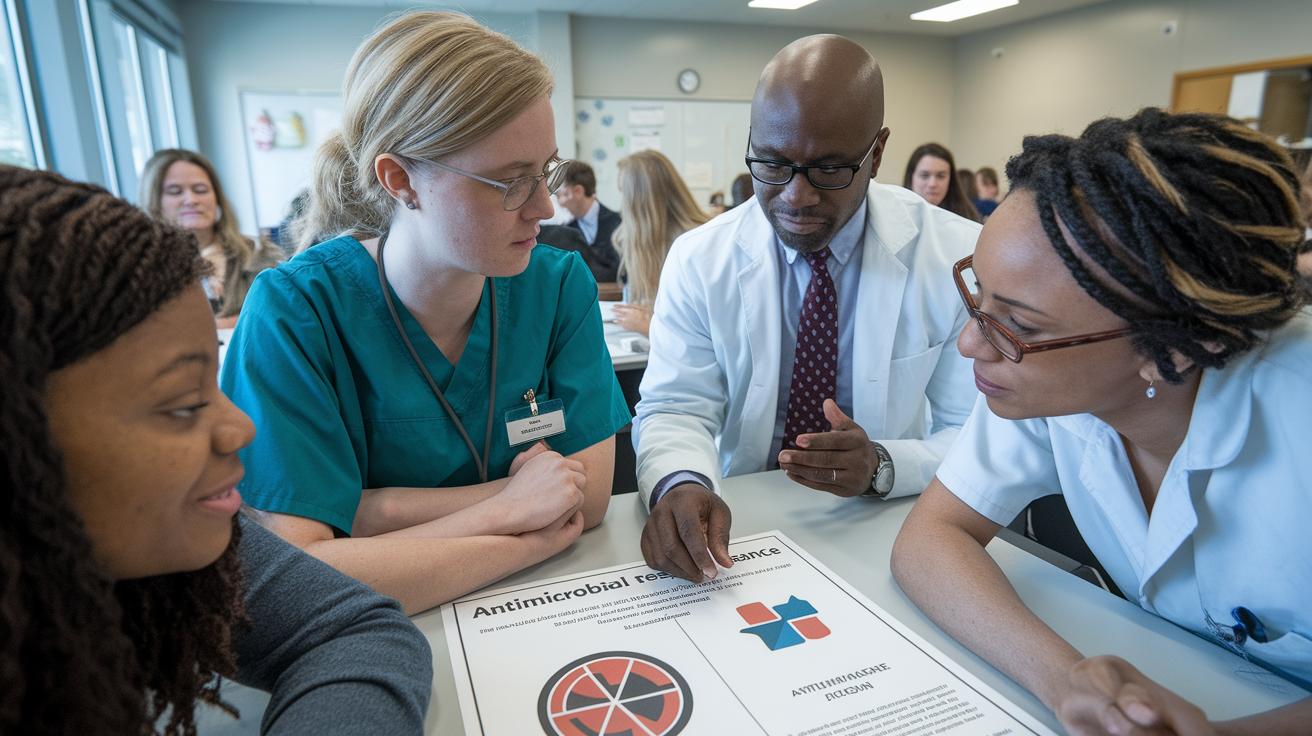
Antimicrobial resistance is a serious health challenge today. It causes roughly 700,000 deaths every year and could even become the top cause of death by 2050. Overusing and misusing antibiotics in medicine, livestock, and farming weakens our defenses against germs. With bugs quickly outsmarting our treatments, it's clear that we must take action now. World Antimicrobial Awareness Week, held from November 18 to 24, reminds everyone, from doctors to farmers, to work together and use antibiotics carefully.
These events help build a strong community spirit in fighting resistance. They bring healthcare providers, vets, and farming experts into friendly discussions about slowing down the spread of dangerous germs. Everyone is encouraged to adopt smarter practices when using antibiotics, so treatment is balanced with careful supervision. This shared focus on public education spreads a simple but important message across all sectors.
Policy makers and industry leaders are coming together to set clear guidelines for using antibiotics wisely. They are designing plans that cover both human and animal health practices. This teamwork not only shares resources and funds but also creates practical steps for everyone to follow. By working together, we can all take steady, measured actions to fight antimicrobial resistance.
Building Capacity and Innovation for the One Health Approach
One Health Masters programs, CPD courses, and graduate workshops from Geneva and beyond provide clear steps to gain new interdisciplinary skills. These training events mix ideas from medicine, animal care, and protecting our environment. Imagine walking into a classroom where every lesson works together like a well-rehearsed band, with each part helping to build stronger, unified health care.
Short training sessions also offer hands-on experiences and boost clear communication. In these lively workshops and seminars, professionals practice real-world scenarios side by side. They learn to speak in one clear voice when facing health challenges. It’s a friendly boost that builds confidence and lays a strong foundation for future teamwork.
Modern tools and smart leadership are key to fast health responses. Knowledge-sharing platforms now use advanced detection tools, like data-based analysis that finds disease threats early. Leadership training connects different agencies by encouraging shared communication and joint decisions. Just picture a lab report that comes in with the reliable feel of a secure login, clear and quick. By mixing today's technology with teamwork, even complex challenges become manageable for everyone.
Final Words
In the action, the discussion broke down One Health by exploring its core principles, tracing its growth from concept to a global movement. It detailed how collaborations among public, animal, and environmental health teams form an efficient model that drives better care and prevention.
The article also shared case studies and innovative training programs that refine patient management and secure data exchanges. Such efforts power forward a one health approach that brings clear, step-by-step benefits to both health services and everyday patient communication.
FAQ
What is the One Health approach?
The One Health approach is a model that treats human, animal, and ecosystem health as interconnected. It emphasizes joint prevention, early detection, and coordinated responses to health threats.
What are the three components of One Health?
The One Health framework includes human health, animal health, and ecosystem health. These components work together to reduce risks and manage diseases that cross species.
What are the 4 C’s of One Health?
The 4 C’s of One Health focus on core ideas such as collaboration, communication, capacity, and coordination across various sectors to address shared health challenges.
Can you provide an example of the One Health model?
An example of the One Health model is when medical and veterinary professionals join forces to monitor zoonotic diseases like rabies, pooling their expertise to detect and prevent outbreaks.
How does the One Health approach address zoonotic diseases?
The One Health approach addresses zoonotic diseases by uniting experts from human and animal health sectors. This close collaboration improves early detection at the animal-human interface, reducing spillover risks.
How does the One Health approach tackle antimicrobial resistance?
The One Health approach tackles antimicrobial resistance by connecting policies and practices across human and veterinary medicine. It promotes prudent antibiotic use and coordinated programs to fight resistance.
Why is the One Health approach important?
The One Health approach is important because it links diverse health sectors, leading to more comprehensive prevention and management of diseases. This collaborative effort strengthens overall health systems.
Where can I find One Health resources like PDF and PPT files?
The One Health approach resources, including PDF and PPT files, are available through academic sites, health organization websites, and online educational databases offering detailed material on integrated health solutions.
What does the One Health logo represent?
The One Health logo represents a commitment to uniting human, animal, and environmental health. It serves as a visual reminder of the shared responsibility in protecting all aspects of health.
What is the One Health Wikipedia article about?
The One Health Wikipedia article details the interdisciplinary method that connects human, animal, and ecosystem health. It covers the approach’s core principles, history, and its impact on global health policies.

