
Have you ever wondered if ovarian cancer treatment really brings hope? Many people feel lost when faced with a mix of surgeries, chemotherapy, targeted therapies, and trials. We carefully explain each choice in simple, everyday language so you can see how these treatments join forces to fight cancer.
In this article, we look at both tried-and-true treatments and newer methods that help doctors create the best care plan. Have you ever thought how a clear plan can feel like a warm hand on your shoulder during a tough time?
Keep reading to learn how these options can give you or someone you care about the confidence and support to face cancer with the best treatments available.
Comprehensive Overview of Ovarian Cancer Treatment Options
High-grade serous ovarian cancer is usually treated with both surgery and platinum-based chemotherapy. The right plan depends on the cancer type, its stage, and how aggressive it is. What works for one person might not work for another, but surgery and chemo often help remove tumors and target cancer cells in a well-tested way.
New treatments are also on the horizon. Today, doctors use targeted agents like monoclonal antibodies and PARP inhibitors to fight cancer cells more precisely. Researchers are even testing vaccines to help stop the cancer from coming back and new screening tools to catch ovarian cancer earlier. Plus, clinical trials give patients a chance to try innovative treatments with the help of a skilled, caring team.
| Treatment Option | Description |
|---|---|
| Surgery | Removes tumors from the body |
| Chemotherapy | Uses drugs to kill cancer cells |
| Targeted therapies | Focuses on attacking cancer cells with precision |
| Radiation therapy | Uses high-energy rays to target cancer cells |
| Clinical trials | Offers access to new and innovative treatments |
| Supportive and palliative care | Helps manage symptoms and improve quality of life |
Doctors also keep your whole health in mind when planning treatment. A gynecologic oncologist and a team of experts look at the specific features of your cancer along with your overall health and lifestyle. This careful planning helps balance the benefits and risks while making sure your treatment fits your pace of recovery and follows the latest medical guidelines. It’s all about asking questions, weighing options, and sometimes getting a second opinion to make the best decision for you.
Surgical Intervention Protocols in Ovarian Cancer Care
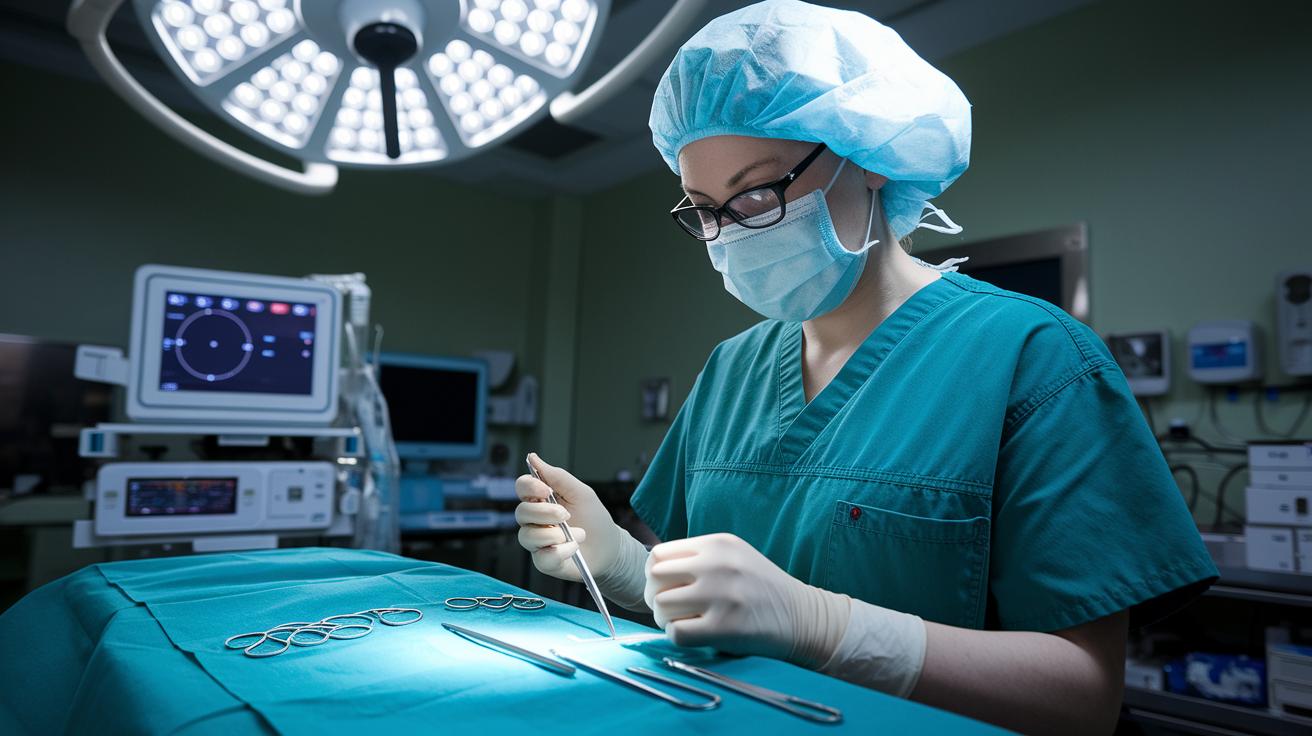
When treating ovarian cancer, doctors aim to remove as much of the tumor as possible while getting the body ready for treatments that come next. They decide on a treatment plan by looking at the size and spread of the tumor and how well the patient is doing overall.
Primary Debulking Surgery
In primary debulking surgery, a specialist in gynecologic cancer works hard to remove as much of the tumor as possible. This careful surgery involves exploring the area and removing any visible cancer. For example, a surgeon might take out a tumor along with nearby tissues that seem affected, all during one operation. The goal is to lower the amount of cancer in the body so that later treatments can work even better.
Neoadjuvant Surgery Guidelines
Sometimes, when the cancer is more advanced, patients receive chemotherapy before surgery, this is called neoadjuvant therapy. This treatment helps shrink the tumor, making the surgery less invasive and increasing the chances of success. Doctors plan this chemotherapy carefully using scans and lab tests to pick the best time for surgery.
Minimally Invasive and Robotic Procedures
Many patients benefit from minimally invasive techniques like laparoscopic or robot-assisted surgery. These methods often mean a shorter recovery time, less blood loss, and a treatment process that feels a bit gentler on the body.
Fertility-Sparing and Second-Look Laparoscopy
For patients diagnosed at an early stage who wish to keep their ability to have children, a fertility-sparing surgery might be an option. Later on, a second-look laparoscopy can be used to check for any remaining cancer cells. This step helps doctors see how well the initial treatment worked and decide if further care is needed.
After any surgery, recovery is supported with careful monitoring, effective pain management, and close follow-up care to help the body heal and to work well with any additional treatments.
Chemotherapy Procedures and Regimens for Ovarian Cancer
Intravenous platinum-based regimens like carboplatin and paclitaxel are the main first treatment we use. With this method, the medicine goes right into the bloodstream so it can reach cancer cells quickly. In a few advanced cases, doctors opt to give the drug directly into the belly, where it soaks the tumor area, kind of like a therapeutic bath for hidden cancer cells. Of course, side effects such as nausea, nerve pain, and reduced blood cell counts are common, so supportive medicines and close monitoring are essential.
Sometimes, starting with chemotherapy is a better plan than rushing into surgery. This pre-surgery treatment, called neoadjuvant chemotherapy, helps shrink tumors so they can be removed more easily later. Then there’s adjuvant chemotherapy, which is given after surgery to clear out any lingering cancer cells. In one scenario, a patient might first get infusions to reduce the tumor and later receive more treatment after surgery to lower the chance of the cancer coming back. The timing depends on what the tumor is like and how the patient is doing overall.
Maintenance therapy is shaped by factors like BRCA or HRD status. For instance, after the standard rounds of chemotherapy, a PARP inhibitor might be added to keep cancer cells from fixing themselves, which can help delay a recurrence. Regular check-ups are key to catching any new issues early so that patients remain on a steady path toward recovery.
Targeted Therapy Applications and Novel Ovarian Cancer Drugs

Targeted therapy is making big strides in fighting ovarian cancer. These treatments use detailed profiles of cancer cells to match patients with the right drugs, which means a more precise attack on the illness and fewer side effects. This new approach is gently changing the way doctors plan long-term care and maintenance treatments for ovarian cancer.
Monoclonal Antibodies
Bevacizumab is a type of monoclonal antibody that stops tumors from growing new blood vessels. In simple terms, it cuts off the supply that helps the tumor thrive. When used with chemotherapy, it helps slow down the spread of advanced or returning ovarian cancer. Patients might notice better clinical results and a longer lifespan with this treatment.
PARP Inhibitors
Drugs like olaparib, known as PARP inhibitors, are used right from the start for patients with BRCA/HRD-positive ovarian cancer and also as a follow-up treatment. By blocking the repair of damaged DNA, these drugs push cancer cells to self-destruct. This method adds a strong layer of defense against the cancer coming back.
Immunotherapy Regimens
Doctors are now testing immunotherapy, especially checkpoint inhibitors, to see if they can encourage the body’s natural defenses to fight cancer. While these drugs aren’t yet common practice, early research is showing promise, particularly when combined with the detailed gene studies that define each patient’s cancer.
| Therapy | Mechanism | Key Indication |
|---|---|---|
| Bevacizumab | Prevents blood vessel growth | Advanced/recurrent |
| Olaparib (PARP inhibitor) | Stops DNA repair | BRCA-mutated |
| Checkpoint inhibitors | Boosts immune response | Clinical trials |
Precision medicine is reshaping treatment plans by combining molecular profiling with biomarker-guided approaches. This means doctors can tailor therapies to fit a patient’s unique cancer makeup, improving overall treatment success while avoiding unnecessary drugs.
Clinical Trial Participation and Emerging Treatment Modalities in Ovarian Cancer
For patients who qualify, clinical trials open the door to treatments that aren’t widely available yet. These studies might test drugs like bevacizumab for minimal residual disease (MRD), a term we use when a small number of cancer cells linger after treatment, or they may combine standard therapies with newer, experimental drugs. Each trial is carefully designed based on your type and stage of ovarian cancer, with safety checks built in every step of the way.
In ongoing MRD studies, doctors collect samples before, during, and after treatment. This careful process helps them learn why some cancer cells manage to resist chemotherapy. By closely watching the behavior of tumors, researchers can spot signals that say, “This treatment isn’t working as well as it could,” and then adjust the plan accordingly.
Researchers are also testing vaccines that might teach the immune system to better guard against a return of cancer. In addition, early work with screening tests is exploring the use of methylated DNA markers in vaginal fluid to catch cancer sooner. By joining forces on these projects, experts are paving a path toward more precise medicines and tests that could soon transform ovarian cancer care. The hope is to offer more treatment choices and bring about noticeably better outcomes for patients.
Multidisciplinary Care Planning and Supportive Management in Ovarian Cancer

A dedicated team of experts works with you to plan your care, making sure every decision reflects your needs. Often, a Clinical Nurse Specialist becomes your main point of contact, guiding you through discussions where a second opinion is always welcomed. Together, they blend their clinical know-how with your personal wishes to set clear treatment goals.
Your overall care includes strong support for everyday life. This means you get help with nutrition, financial tips, alternative therapies, and even conversations about intimacy. Early palliative care comes into play, easing symptoms and helping you keep a good quality of life during treatment.
There’s always someone ready to help when you need it. A support line is available Monday through Friday, from 9 am to 5 pm, so you can chat with specialist nurses whenever questions arise. Regular follow-up appointments make sure that any new concerns are dealt with quickly, keeping your well-being at the center of your care.
Final Words
In the action, this post took us through common approaches like surgery and chemotherapy and explored more precise options such as targeted therapies and clinical trials. We saw how care planning with a multi-skilled team helps blend standard methods with fresh ideas.
The discussion wrapped in how ovarian cancer treatment options support efficient management and informed choices. Patient care improves when treatments are timed well and decisions are made with solid support. Stay hopeful, every step forward strengthens the promise of better care.
FAQ
Ovarian cancer treatment without surgery
The ovarian cancer treatment without surgery may involve chemotherapy, targeted therapies, or clinical trials, depending on the cancer type, stage, and overall health discussions with your doctor.
Best ovarian cancer treatment in the world and best treatment for ovarian cancer
The best ovarian cancer treatment varies per individual. It often combines surgery, chemotherapy, and targeted drugs, with choices tailored to stage, tumor type, and patient factors under expert care.
Ovarian cancer treatment success rate
The ovarian cancer treatment success rate depends on the stage, treatment plan, and overall patient health. Early detection usually leads to higher success, while advanced cases require more intensive therapies.
How to check for ovarian cancer at home
The method to check for ovarian cancer at home is limited as no self-test is reliable. Regular exams and discussions with a healthcare provider remain the best approach for monitoring symptoms.
What is the most effective treatment for ovarian cancer?
The most effective treatment for ovarian cancer typically involves a combination of surgery and platinum-based chemotherapy, with potential additions from targeted therapies based on the tumor’s specific characteristics.
Ovarian cancer symptoms and first symptoms of ovarian cancer
The ovarian cancer symptoms often include bloating, pelvic pain, and changes in appetite or weight. Noticeable, persistent symptoms should prompt a timely consultation with a healthcare provider.
Side effects of radiation therapy for ovarian cancer
The side effects of radiation therapy for ovarian cancer may include skin irritation, fatigue, and mild digestive issues. Your care team will work to manage these effects during treatment.
What is the prognosis for ovarian cancer?
The prognosis for ovarian cancer depends on the stage at diagnosis and response to treatment. Earlier stages generally yield a better outlook, while advanced stages might require more rigorous treatment.
What stage of ovarian cancer requires surgery?
The stage requiring surgery for ovarian cancer depends on several factors. Both early and advanced stages may need surgical removal of tumors, with treatment plans tailored to preserve function when possible.
Can you live a long life after ovarian cancer?
The possibility to live a long life after ovarian cancer depends on early detection and effective treatment. Ongoing advances in therapy continue to improve long-term outcomes and quality of life.

