
Can patient engagement truly transform your healthcare experience? Medical informatics puts you right at the center of your care. With simple digital tools like online portals and interactive records, you can quickly check your lab results and send a message to your doctor.
This smooth access makes you feel linked to your treatment plan and helps you feel more secure about your next steps. When you see your health details, you can easily make decisions that fit your needs. All in all, this modern approach makes your care smarter and more personal, building trust and boosting your overall satisfaction.
Core Impact of Medical Informatics on Patient Engagement
Health informatics brings together smart technology, medical expertise, and good management to improve care quality. Using digital tools like online care portals and interactive health records, you can quickly view your lab work, check upcoming appointments, and even message your doctor, almost as easily as sending a text.
When patients use these tools, they feel more connected and are more likely to follow their treatment plans. In fact, about 70% of patients using care portals report feeling closer to their care teams. This secure link lets you ask questions and take part in your treatment decisions, while clear digital records help you understand your health information better.
Health facilities that use these tools see big improvements. They report a 15% drop in inpatient deaths and a 19% decrease in 30-day readmissions. Plus, online portals simplify follow-ups and treatment changes, building trust between you and your provider. Secure, easy access to your records helps make sure you feel informed and valued throughout your healthcare journey.
Key Informatics Tools Fueling Patient Engagement

Electronic Health Records (EHRs) make keeping track of data simple and accurate. They work like a neat, easy-to-find library, which helps reduce medication mistakes by 27% and cuts down on extra tests by 30%. This means healthcare teams save money and focus more on caring for patients.
Electronic Health Records
These records keep information consistent across different care teams. This consistency makes it easier for doctors and nurses to share notes safely and correctly. As a result, healthcare providers spend less time on paperwork and more time with patients.
Patient Portals and Secure Messaging
Patient portals are a safe way to send messages, schedule appointments, and check test results quickly. About 75% of patients say they value this secure link to their care team. Imagine sending a message that feels as secure as putting your thoughts in a locked diary. This kind of connection really helps strengthen the bond between patients and their care providers.
Telehealth Platforms
Telehealth platforms have grown a lot recently. Their use jumped from 11% to 46% during the recent health crisis, making it much easier for people in remote areas to see a doctor. Virtual visits let patients get expert advice without the need to travel, which saves time and energy.
Mobile Care Applications
Mobile apps give patients the power to check their health records, monitor their vitals, and receive reminders for medications, all from their phone. This hands-on approach helps people feel more in control of their health.
| Tool | Primary Function | Engagement Impact |
|---|---|---|
| Electronic Health Records | Organize and standardize data | Reduces errors and cuts costs |
| Patient Portals | Secure messaging and appointment scheduling | Strengthens patient relationships |
| Telehealth Platforms | Offers virtual consultations | Makes healthcare more accessible |
| Mobile Care Applications | Health monitoring on the go | Improves self-care and management |
Data Analytics and Decision Support for Personalized Engagement
Analytics tools help us spot trends in patient risks and note where care might be falling short. With these systems, healthcare teams can quickly see areas that need attention and act fast. Picture it like an early warning light on your dashboard that catches problems before they get serious. This proactive approach makes care decisions that much smarter.
Clinical Decision Support Systems
Clinical Decision Support systems, or CDS, slip right into everyday routines. They offer friendly reminders and guidance using the latest care standards. By checking patient details, these systems suggest the next steps for both doctors and patients. Think of it as a warm nudge from a trusted friend saying, "Hey, it's time to look into this." These gentle alerts keep treatment plans on track, making everyone feel more secure.
Predictive Care Analytics
Predictive care analytics takes things one step further. It uses data models to estimate risks like hospital readmissions. This strategy lets care teams reach out with personalized health tips and follow-up care to keep everyone on their best track.
- Automated risk-alert notifications
- Personalized follow-up messaging
- Dynamic care-gap identification
- Population-health trend dashboards
- Real-time outcome tracking
By putting these five strategies to work, healthcare providers can cut readmission rates by about 19% and keep improving patient outcomes. Data-driven decisions help patients manage their health with care that’s both informed and proactive.
Remote Monitoring Systems and Self-Management Digital Tools
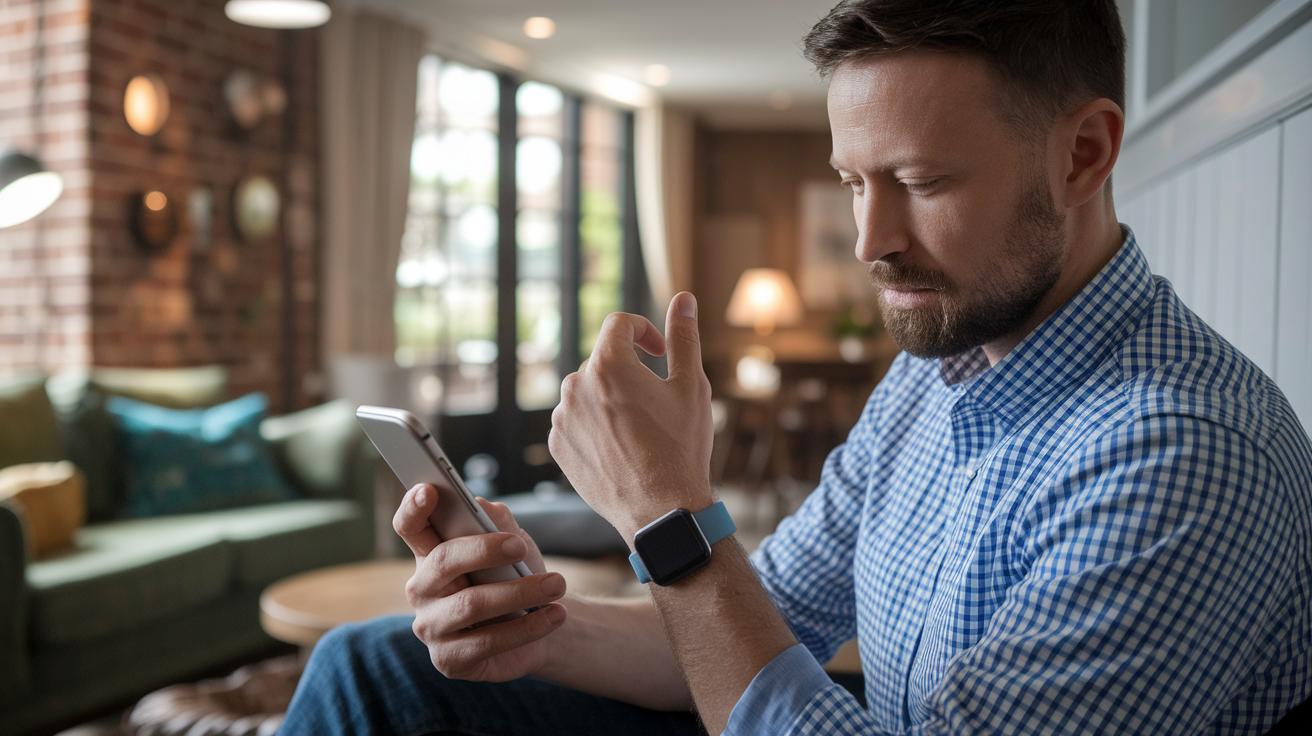
Remote monitoring systems help collect your vital signs and daily activities right from home. They let your healthcare team spot any changes early, so they can step in quickly if needed. Paired with self-management digital tools, these systems offer useful educational modules and handy medication reminders. And with wearable technology, learn more at wearable tech for health, patients can keep an eye on their health with ease. This smart mix of live tracking and helpful digital tools means you can take charge of your health, even outside the doctor's office.
A virtual cardiology program that used these remote systems saw a big drop in issues. In just 90 days, cardiac readmissions fell by 53% and all other readmissions dropped by 44%. Meanwhile, wellness devices keep track of vital signs all the time, and the real-time system alerts you if something is off. On top of that, self-management tools give you reminders and tips, so you’re always in the know about your care. With improved wearable tech, you stay connected to your health wherever you are.
Ensuring Trust: Secure Data Practices and Privacy Protocols
Your health information is kept safe behind strong digital locks, much like a trusted family safe. We use powerful encryption technology, think of it as a security system that wraps your records in a protective shield. It’s almost like your data is a treasured secret guarded by the latest digital keys.
Our privacy rules help you feel at ease when using digital health tools. We use smart encryption methods to shield your details, reducing the chance of any unwanted breaches. This secure setup means you can focus on your care without worry.
We keep your data safe with steps like these:
- Regular security checks and updates for our encryption systems
- Ongoing training for our staff on how to protect your privacy
- Staying current with HIPAA rules (healthcare privacy rules)
With these careful measures, your health information stays private and secure. You can trust that your care team and digital tools follow strict privacy rules, letting you enjoy the comfort of secure and respectful healthcare.
Interoperability Frameworks and Integrated Care Platforms

Standards like HL7 (a language that lets health systems talk to each other) and FHIR (a set of rules for exchanging data) help different systems work together with ease. They allow electronic health records, patient portals, and data tools to swap information smoothly so that appointments, billing, and records all align without extra steps.
Picture this: your lab results and appointment details update across departments in real time, just like a well-rehearsed concert. This smooth flow cuts down on waiting times and takes the stress out of juggling separate systems.
Working together is the heart of these integrated care systems. When clinicians, IT managers, and administrators share the same data, everyone sees accurate patient information. This teamwork helps avoid repeated tasks and reduces errors that might affect care. With data flowing easily from one platform to another, providers can focus more on quality care and truly engaging with patients.
Measuring Engagement: Performance Metrics and Outcome Tracking
Organizations track simple numbers to see how well digital tools connect patients with their care teams. They check things like how often patients log in, how quickly messages are answered, and how many telehealth visits happen. Imagine a patient logging in and immediately seeing test updates, it feels like a safe and quick hello from your care team.
But it isn’t just about digital clicks. Healthcare providers also use surveys, keep an eye on readmission data, and record if patients follow treatment plans. When billing is clear and outreach is automated, studies show patients pay on time more often. This shows that fast, clear feedback helps both health and financial results.
Feedback is very important. When patients say they appreciate quick message replies or understandable billing statements, care teams can tweak services to make them even better. It’s all part of making digital tools work wonderfully for everyone.
Here are some key indicators to consider:
- Portal login rates
- Message response times
- Telehealth utilization
- Readmission statistics
- Adherence logs
Just like checking your speedometer, keeping up with these numbers helps care teams adjust in real time. Every piece of feedback and measurement makes the journey to better, more connected healthcare a little smoother.
Future Trends in Patient Engagement via Medical Informatics

AI-powered automation is changing how care teams connect with patients in a warm and efficient way. These tools cut down on repetitive tasks and help the team focus on you, checking for gaps in your care before they grow. Imagine getting a gentle reminder like, "Time for your next checkup," nudging you to stay on top of preventive care.
Smart patient-education modules and chatbots are also stepping in to boost health understanding. They explain things in everyday language, much like a kind nurse walking you through your lab results. This clear, friendly guidance helps patients feel more in control and confident about managing their health.
Cloud-based platforms are making sure that quality healthcare information reaches even the most remote communities. They create a smooth link between healthcare providers and professionals, almost like a digital handshake. With the Bureau of Labor Statistics predicting a nearly 30% increase in health services manager roles by 2033, these digital changes are set to make healthcare more responsive, informed, and personal.
Final Words
In the action, medical informatics drives better care by blending secure electronic records, online portals, telehealth support, and smart data tools. This approach boosts patient engagement via medical informatics, offering clear pathways for real-time updates and improved care coordination. Each tool, from secure messaging to remote monitoring, helps simplify workflows, promote informed decisions, and build trust. The innovations discussed remind us that technology, when applied thoughtfully, truly elevates the patient care experience. Stay positive and keep moving forward together.
FAQ
What are the 5 stages of patient engagement?
The 5 stages of patient engagement include raising awareness, activating participation, promoting sustained involvement, encouraging adherence to care plans, and fostering lasting relationships between patients and their care teams.
What is the role of information technology in patient engagement?
Information technology supports patient engagement by using secure digital tools that simplify communication, help track care, and offer timely updates, all of which make patients feel connected and informed.
How does healthcare informatics help improve patient care?
Healthcare informatics improves patient care by blending IT and medical expertise. It reduces errors, supports decision making, and uses data to create tailored care that makes patients feel safe and understood.
How does EHR improve patient engagement?
Electronic Health Records boost patient engagement by offering secure, updated health data, cutting medication errors, and giving patients easy access to their information through portals that enhance communication with providers.

