
Have you ever noticed how a friendly smile or simple directions can brighten your healthcare visit? When every part of your visit feels carefully planned, you might feel better long after you leave. A warm greeting at the front desk, easy appointment scheduling, and clear guidance during your care are more than just polite, they lay the foundation for better health. In this blog post, we explain how small details in patient care can lead to lasting improvements in your well-being.
Patient Experience Powers Positive Outcomes
Every visit to a healthcare center is filled with moments that matter. You might get a warm greeting at the front desk, hear clear explanations from your doctor, or experience quick and smooth appointment scheduling. It’s not just about meeting basic expectations, it’s about every single interaction making you feel cared for. Imagine receiving easy-to-follow steps for your care after a visit; even small details like that can change your whole experience.
Patient satisfaction is when your expectations are met, but patient experience is the full journey. When every step feels positive, care becomes consistent. That means fewer hospital readmissions and fewer mix-ups in paperwork. In fact, healthcare places that keep a close eye on care details often face fewer problems and earn more trust from patients.
Real-time checks like friendly nurse rounds, simple digital check-ins, and clear signs around the facility show how good the service really is. A secure, efficient, and warm experience from start to finish not only builds trust but also makes you more likely to follow your care plan.
Every detail matters. A well-connected, thoughtful experience throughout your care builds trust and makes you feel truly valued.
Key Metrics and Benchmarks for Patient Experience

Data from 6.5 million patient visits in 2024 gives us clear insights into how patients feel about their care. Ambulatory surgery and medical practices led the way with scores of 85.3 and 84.1, showing a steady rise in satisfaction. On the other hand, hospitals and emergency departments scored 69.2 and 66.6, meaning there’s still work to be done before they reach pre-pandemic levels. These numbers help hospitals see their progress and understand where they might need to improve their tools and processes.
We also see differences across racial, ethnic, and age groups, with younger patients often giving lower ratings. Plus, state results vary a lot, a gap of 13.8 points exists between the top state and the lowest-scoring one. For instance, Nevada scored 78.5 compared to Arkansas’s 74.0. These results encourage healthcare providers to take focused steps to close these gaps and boost the overall patient experience.
Continuous improvements, driven by real-time feedback and digital surveys, really make a difference. Little tweaks in care practices can raise scores, much like fine-tuning a well-oiled machine.
| Care Setting | 2023 Score | Year-over-Year Change |
|---|---|---|
| Ambulatory Surgery | 85.3 | +2.1 |
| Medical Practices | 84.1 | +1.8 |
| Hospitals | 69.2 | +1.5 |
| Emergency Departments | 66.6 | +1.2 |
Digital Engagement in Patient Experience and Feedback Integration
Digital channels are changing how patients connect with their care. Many patients, around 60%, now choose digital surveys because they can share their thoughts quickly and easily. It almost feels like chatting with a friend who listens when they say, "Your feedback matters; we're here to listen!"
Online scheduling and appointment reminders are great examples of this change. They make booking simple and help ease any stress before a visit. Care teams can use these tools to get live updates from patients and make quick changes when needed. For instance, patients might see a friendly message like, "Your follow-up survey is ready – thank you for sharing your experience!" This regular check-in helps catch any small problems before they grow.
Using digital messaging is another win. It keeps patients informed and reassured, kind of like receiving a warm, supportive note. Tools for remote health monitoring also add value by offering ongoing insights. This way, patients feel secure knowing that any changes in their care are noticed right away. With every digital touchpoint working together, the entire patient experience becomes more connected and thoughtful, focusing on care that is both secure and warm.
Proven Strategies to Enhance Patient Experience
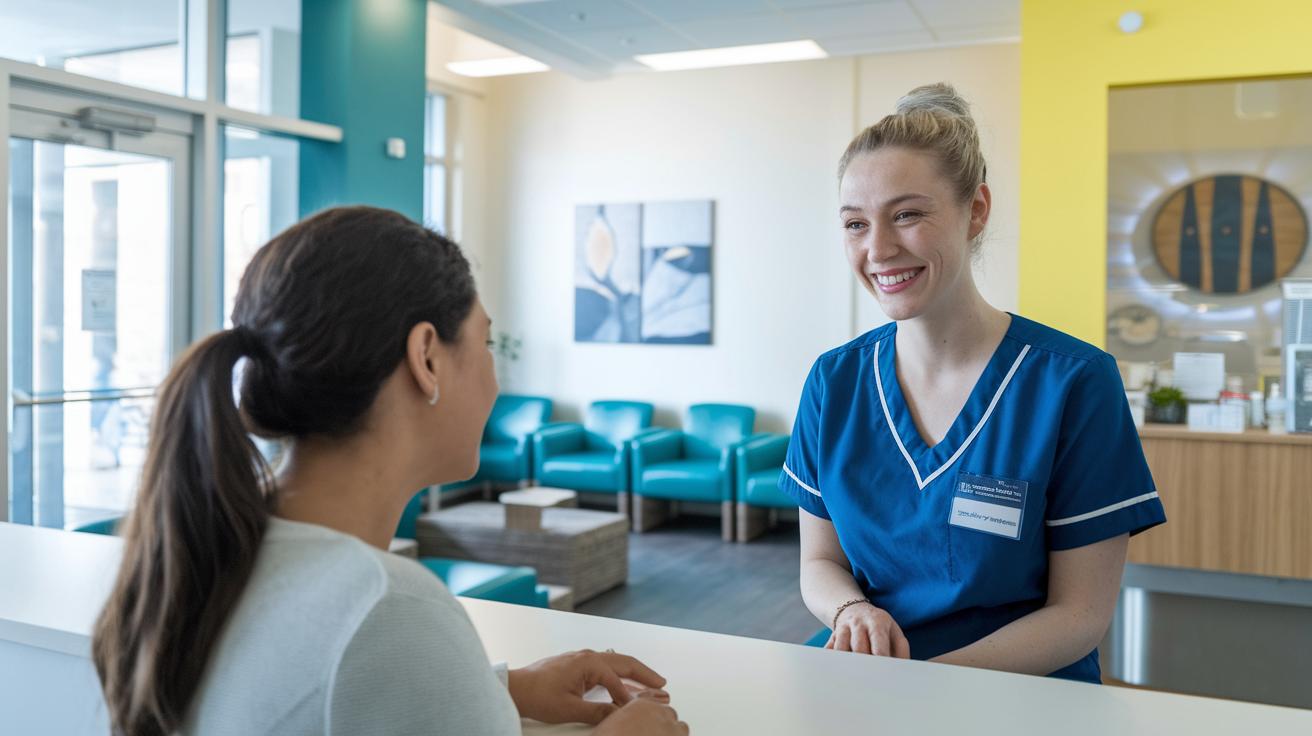
Healthcare teams can really boost the quality of service by using a simple checklist of ideas. These steps cover every part of a patient's journey, from the first online search to a friendly follow-up after a visit. By keeping things clear and straightforward, care feels both welcoming and efficient.
Here are ten easy steps to improve patient experience:
-
Manage your online presence with clear facility details
Example: "Share all your services and operating hours on your website so patients feel informed right away." -
Offer online scheduling to match busy lives
Example: "Let patients book appointments at times that work best for them, making it simple and convenient." -
Send appointment confirmations and reminders
Example: "A quick reminder before the appointment helps keep things on track and cuts down on missed visits." -
Provide digital paperwork for a smoother check-in
Example: "Allow patients to fill out forms online, which can reduce waiting time and speed up check-in." -
Make sure your front desk staff is friendly
Example: "A warm, welcoming smile can really brighten a patient's day since many value this personal touch." -
Keep waiting areas comfortable
Example: "Offer cozy seating and clear signs to help reduce any stress while waiting." -
Reduce wait times with efficient check-in and enough staffing
Example: "Using electronic check-in and smart staff scheduling leads to faster service and a more relaxed visit." -
Train clinicians to listen actively
Example: "Regular training helps ensure every patient feels heard, appreciated, and well cared for." -
Use automated post-visit satisfaction surveys
Example: "Quick surveys after a visit gather valuable feedback that can guide future improvements." -
Respond kindly to patient feedback
Example: "A thoughtful reply to feedback shows patients that their opinions truly matter."
By working on these simple steps together, you can build trust and offer high-quality, satisfying care that makes patients feel genuinely valued.
Case Studies: Real-World Improvements in Patient Experience
PAM Health shows us how a boost in team spirit can lead to better care for patients. With friendly onboarding and hands-on training, the care becomes more personal. Imagine a nurse saying, "After our new training, I felt truly ready to listen and help." It’s amazing how one small change can make a big difference.
CSIG made a smart switch by moving from in-person to online training. This change boosted the team's skills and helped provide smoother care during visits. One team member might say, "Switching to online training meant we were ready to handle patient visits smoothly." It’s clear that a modern training setup can truly empower a staff.
New data-driven obstetrics solutions have helped reduce care gaps so that patients receive regular prenatal support. Alongside this, special patient software has improved how the team reaches out to people, making patients more satisfied with their care. These cases show that when you invest in training and use thoughtful technology, both employee performance and patient care can reach new heights.
- PAM Health: Better onboarding and training
- CSIG: Smart switch to online training
- Obstetrics: Consistent prenatal support
- Patient software: Improved outreach and satisfaction
Ensuring Equity and Personalization in Patient Experience

Some providers now use digital tools that let patients share their language, cultural values, and care expectations right from the start. One clinic’s tool even asks if you prefer Spanish or English, making the whole registration process feel respectful and personal.
Other teams use quick, real-time surveys that adjust their questions based on who you are. For example, after a visit, you might get a text asking, "How well did the digital check-in match your expectations?" This kind of immediate feedback helps staff tweak care plans on the spot.
Recent case studies show that care improves when digital steps are built into coordinated assessments. One hospital, for instance, set up a digital dashboard to monitor how satisfied different cultural and age groups were. They then used these insights to adjust their staffing and communication methods, making care feel even more personalized.
| Strategy | Action |
|---|---|
| Digital Intake Tools | Record language and cultural needs during scheduling |
| Adaptive Surveys | Take feedback in real time to help adjust care plans |
| Coordinated Dashboards | Keep track of satisfaction to guide staffing and communication |
Building a Culture of Continuous Improvement in Patient Experience
Healthcare organizations know that keeping on learning leads to better patient experiences. They encourage teams to grow through regular training and supportive practices. For instance, one hospital found that when they held frequent training sessions, fewer nurses left.
Using simple tools like compliance software helps track who has been trained and how well they are doing. Easy assessments also make sure new hires get matched with the roles where they can shine. Nice onboarding programs not only welcome staff but also boost both their performance and patient care.
Many places now use digital surveys and quick check-ins to get real-time feedback on what might need a little adjustment. These insights, combined with proven strategies, show how a steady focus on improvement can positively affect how staff interact and how patients feel cared for.
By blending hands-on training, digital feedback, and user-friendly tracking tools, healthcare leaders build a culture of ongoing progress in patient service.
Final Words
In the action of improving patient experience, the article outlined clear metrics, digital tools, and practical steps for better care. It reviewed real-world examples, shared strategies to boost staff engagement, and examined ways to personalize service for diverse needs. The insights on using digital feedback and maintaining continuous improvement highlight how small changes can make a big difference. Embracing these straightforward approaches can brighten healthcare outcomes and nurture a secure, friendly environment for everyone.
FAQ
What is the definition of patient experience?
The definition of patient experience covers every interaction during a patient’s visit, from treatment and testing to paperwork and follow-up. This measure captures both service quality and overall satisfaction.
What are the 4 P’s of patient experience?
The four key elements of patient experience are People, Process, Personalization, and Performance. Each element helps track and improve interactions and care standards in healthcare settings.
Why is patient experience important?
Patient experience is important because it links everyday care interactions with better health outcomes, safe practices, and stronger trust between patients and their care teams.
What does a patient experience survey look like?
A patient experience survey collects feedback on clinical care and administrative steps, asking about wait times, digital tools, staff friendliness, and overall satisfaction to drive improvements.
What are patient experience jobs and what do they entail?
Patient experience jobs focus on improving patient interactions through staff training, digital engagement, and feedback reviews. They work to create a welcoming atmosphere and ensure quality care.
What are some examples of patient experience in hospitals or at UCLA?
Examples include using digital survey platforms, staff training programs, and enhanced check-in processes, which help hospitals and institutions like UCLA build trust and boost care satisfaction.

