
Have you ever thought that a few simple changes might make hospitals much safer? Health teams today use easy-to-follow plans that catch problems before they start.
They spot issues early and share important details with one another, keeping patients safe and sound. When everyone works together, using trusted steps, patients recover faster and spend less time in the hospital.
This team-based approach proves that making care better is not just an idea, it’s happening every day.
Key Strategies for Patient Safety and Outcomes Improvement
Today, hospitals use smart plans to keep patients safe by stopping problems before they start. They focus on preventing issues, spotting them early, and handling them quickly. Secure chats between patients and doctors, along with real-time data checks, help reduce risks like infections and falls. Teams follow clear, coordinated steps to make sure care is both safe and effective. This thoughtful planning forms the heart of modern healthcare and builds trust with every patient.
Recent studies covering over 25,000 units in thousands of hospitals show fewer infections, falls, and skin injuries. Surveys from 13 million patients in most U.S. hospitals back this up by showing that people feel safer and more cared for. These numbers prove that using data wisely and working together lead to fewer problems and better care.
When there are fewer complications, it helps everyone. Shorter hospital stays and quicker recoveries mean costs drop and resources can be used for new technology or extra training. These savings often go back into research and improved care processes, making hospitals even stronger. Every dollar saved boosts the overall ability to provide excellent, safe care.
Establishing a Clinical Risk Management Framework

• Finding and sorting risks
• Reporting incidents and keeping records
• Investigating causes and making fixes
• Regular check-ups and reviews
Building a risk management program starts with setting up clear steps to protect our patients. Every tool, from incident tracking systems to compliance checks, helps catch and record issues like infections, patient falls, and pressure injuries. These careful measures guide teams in focusing their efforts on the areas that need the most attention.
When teams across different departments share their insights, a strong safety net forms. Frontline staff, department heads, and quality assurance teams work together, spotting trends and acting fast to handle risks. This kind of teamwork means that lessons learned in one area benefit the entire hospital. With all hands on deck and consistent performance reviews, health systems can keep care safe and well-coordinated, bringing comfort to both patients and staff.
Cultivating a Culture of Safety in Healthcare Settings
Frontline staff are the heart of safe healthcare. They bring real-life experience and a shared promise to reduce risks. Regular training sessions help every nurse, technician, and support worker follow the latest safety rules. Even small touches, like a quick tip during morning meetings, remind everyone that they are part of a team.
Continuous learning makes this care approach even stronger. Friendly workshops and practice sessions keep the staff alert and ready to handle surprises. These steps boost clear communication and ensure that patients always come first.
Good leaders tie all these efforts together. When leaders join safety rounds and back necessary resources, they build trust and show that safety matters. Their active support inspires teams to stick to safe practices and share thoughtful ideas. This caring approach makes a real difference in patient care and strengthens everyone during tough times.
Implementing Evidence-Based Clinical Protocols
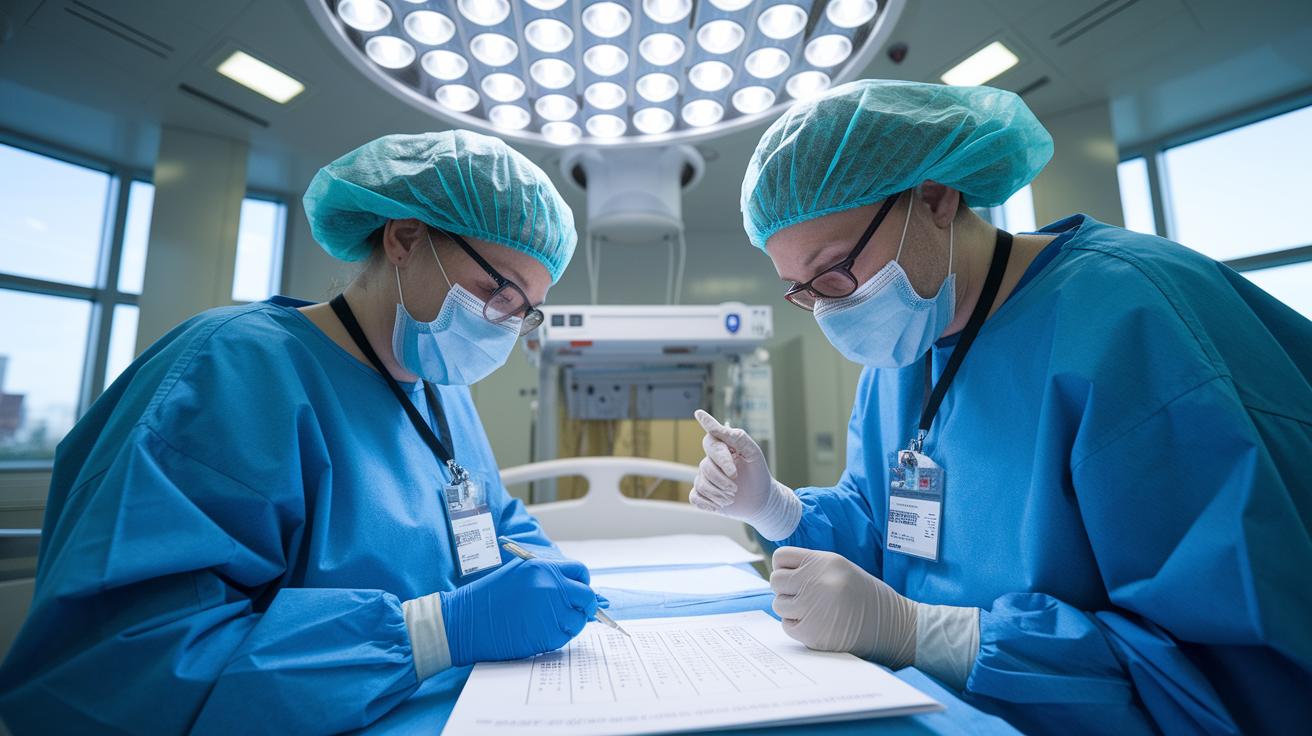
Rolling out clinical protocols is like drawing a clear roadmap for safe care. Hospitals use methods such as the WHO surgical safety checklist, strict hand hygiene rules, and special care routines for catheters and central lines. These practices have helped lower infections like CAUTI and CLABSI, and they also cut down on pressure injuries and falls.
Clinics introduce these protocols through simple training sessions, hands-on workshops, and regular reviews. They use tools like compliance audits and real-time feedback dashboards to keep everyone on track. For example, when a surgical team follows the checklist, they make sure every safety step is clear, from the first cut to the final stitch.
| Protocol | Target Metric | Outcome |
|---|---|---|
| Surgical Safety Checklist | Zero preventable errors | Fewer surgical complications |
| Hand Hygiene Standards | Hand cleanliness compliance | Reduced infection rates |
| Catheter Care Bundles | CAUTI benchmarks | Lowered infection incidents |
| Central Line Care Bundles | CLABSI metrics | Significant infection decline |
These clear steps help hospitals deliver care that is safe and of high quality while always finding ways to get better.
Leveraging Technology Solutions for Continuous Safety Monitoring
Hospitals and clinics use many tech tools to keep patients safe and help doctors make quick decisions. Simple electronic alerts pop up when there’s a sudden change, like if a nurse sees a message saying, "Patient's temperature is rising." This lets the team check on the patient right away. Alongside these alerts, tools for structured rounding let care teams review a patient’s condition throughout every shift.
At the same time, incident management systems and audit software make it easy to gather and review safety details. Systems like IoT remote monitoring (https://healthyfax.com?p=2258) can catch small changes in vital signs early, so issues are fixed before they get worse. Similarly, remote monitoring for blood pressure (https://healthyfax.com?p=2243) helps prevent readmissions by keeping track of patients at home. All these tech tools work together, offering a steady, data-driven way to care for patients by making sure every alert and update helps the team respond immediately and make smart decisions.
Benchmarking Safety Performance Metrics

Hospitals depend on easy-to-read dashboards that show how well safety measures are doing. National scorecards list important details like CAUTI, CLABSI, falls that cause harm, and pressure injury rates. These tools let hospital teams quickly see trends by comparing today’s numbers with those from before the pandemic. For example, a dashboard might clearly show that infection rates have dropped a lot compared to last year. This clear view helps teams spot where improvements are working and where extra attention is needed.
Every month, performance scorecards are shared with staff, managers, and administrators so everyone can review key safety indicators. Regular updates mean that each department can keep an eye on healthcare quality and how outcomes are reported. With regular meetings and open reporting, every team member understands their role in boosting patient safety. This ongoing focus not only celebrates the wins but also builds a strong trust between caregivers and patients.
Incident Analysis Reports and Real-World Examples
At one teaching hospital, a rise in central line infections really worried everyone about patient safety. The team got together to use a bundle approach that mixed careful cleaning, precise catheter care, and extra coaching for staff. This focused method lowered the infection rate by 30 percent. In their monthly safety meetings, nurses, doctors, and administrators gathered to review incident reports, figuring out what worked well and what needed a little adjustment. A small change in a routine cut infections by nearly one-third, proving that every little detail in patient care matters.
At a community hospital, leaders tackled patient falls by trying new hourly rounds and setting up real-time alert systems. When falls were causing harm, the care team jumped in quickly with smart strategies to meet patients’ needs right away. This led to a 25 percent drop in fall-related injuries. In regular safety meetings, staff across all levels shared ideas, making sure lessons from each incident helped improve care step by step. Each alert and every team talk turned a possible setback into a chance for better care.
Final Words
In the action, we covered integrated strategies that boost clinical protocols and foster cross-department teamwork. Real-world data and case studies spotlight improvements in key safety metrics and a safer healthcare environment.
Statistical highlights and evidence-based practices led to measurable reductions in adverse events, reinforcing our trust in secure health data.
With innovative tech, clinical risk management, and a positive culture, patient safety and outcomes improvement remain our guiding light to a brighter healthcare future.
FAQ
What are some examples of quality improvement and patient safety in healthcare?
The quality and safety process in healthcare involves using checklists, real-time monitoring, and risk management practices. Many hospitals share best practices in presentations and training tools to guide improvements.
How can patient safety be improved in healthcare?
Patient safety improves when hospitals put evidence-based guidelines into action and use incident reporting, timely detection tools, and strong teamwork to quickly fix problems before they cause harm.
What are the key principles and steps of patient safety?
Key steps include identifying risks, documenting incidents, analyzing root causes, and fostering teamwork and patient engagement. These principles help hospitals spot issues early and reduce mistakes.
How can hospitals make patients safe?
Hospitals make patients safe by applying risk management frameworks, using incident reports to catch issues early, offering staff training, and running regular audits to catch and fix problems.
How can patient outcomes be improved?
Patient outcomes improve when care teams follow proven practices, track performance with modern technology, and work together to reduce complications, which leads to shorter stays and quicker recoveries.

