
Have you ever thought about how early check-ups can shape your child's future? Regular pediatric visits catch health signs before they turn into bigger issues. Each check-up gives you little clues to help keep your child strong and well. When you see the doctor, follow vaccination plans, and check their growth, you can stop problems early while giving your family a sense of calm. Just like taking small steps to reach a big goal, these visits light the way to a happy, healthy life for your little one.
pediatric preventive care: Happy Kids, Healthy Life
Pediatric preventive care is all about keeping our kids healthy from the very beginning. It means regular visits to the pediatrician, keeping track of a child's growth, following vaccination plans, and sharing easy tips for a healthy life. Each appointment helps observe changes, like noticing when a little one starts to crawl, walk, or even speak a few words. For instance, a doctor might say, "I hear some new words today; let's keep an ear out for even more as they grow."
At Dr. Margaret Okonkwo’s Miami practice, the team gets a jump start on health with early screenings like blood tests, cholesterol checks (dyslipidemia means there’s an imbalance in the fats in the blood), mood evaluations, and hemoglobin tests. This careful process helps catch any issues before they become serious, building a strong and healthy future for each child. They tailor care to each age and risk, ensuring that every child gets the personalized attention they deserve.
Regular check-ups not only catch early signs of illness but also offer a wonderful chance to learn about staying healthy. These visits become moments for families to pick up simple advice on balanced diets, fun ways to exercise, and getting good sleep. With friendly and clear guidance along with timely tests, pediatric preventive care lights the way for a journey filled with joy and health, giving both parents and kids confidence and clear goals for growing well.
Pediatric Immunization Schedules and Timetables

Vaccines not only help protect little ones but also keep everyone around them safer. Following a vaccine schedule is like building a solid wall against illnesses that can spread fast. Some pediatricians say that staying up to date with vaccines is a lot like building a fortress, each shot adds a stronger layer of defense.
Usually, the vaccination plan starts right at birth with a Hepatitis B shot. Then, around 2 months old, babies get their first doses of DTaP along with a few other important vaccines. At about 4 and 6 months, more doses are given to keep that protection strong. When a child nears their first birthday, vaccines like MMR (measles, mumps, rubella) and varicella (chickenpox) come into play. And as kids grow into teenagers, the HPV vaccine is added to help guard against certain diseases.
It’s also a good idea for everyone to get a yearly flu shot. Skipping even one vaccine can leave a small gap in protection, which might make a child more at risk for preventable illnesses. That’s why parents are encouraged to work closely with their child’s doctor if any vaccines need catching up. Every dose contributes to a complete immunization plan that helps protect the whole family.
| Age | Vaccines |
|---|---|
| Birth | Hepatitis B |
| 2, 4, 6 months | DTaP, plus others as per state guidelines |
| 12-15 months | MMR, Varicella |
| Adolescence | HPV, plus annual flu vaccine |
Reviewing a toddler’s vaccination plan is a key step in keeping them healthy. Every vaccine works together like puzzle pieces to create the best possible shield against disease.
Monitoring Developmental Milestones in Pediatric Preventive Care
Keeping an eye on how a child grows helps parents and caregivers understand early development. Even the smallest signs tell us a lot about a child’s progress. Imagine a doctor saying, “Your baby smiled today, that little burst of joy is a key milestone at 2 months.” It feels like a warm moment that reassures you everything is on track.
Here are some key milestones you can notice:
| Age Range | Milestone |
|---|---|
| 2 months | Smiling |
| 4 to 6 months | Beginning to roll over |
| 7 to 10 months | Starting to crawl |
| 10 to 14 months | Saying first words |
| 18 to 24 months | Putting together two-word phrases |
Regular checkups often include simple screening tools at 9, 18, and 30 months. These tools help doctors see if there are any little delays in language, motor skills, or social interactions. If you notice your child isn’t rolling over by 6 months or not babbling by 10 months, early help can really make a difference.
Sometimes a healthcare provider might explain, “When we see fewer babbles or less movement, it makes us want to take a closer look and suggest some extra support.” This kind of caring follow-up helps ensure that every child stays on the best path toward a happy and healthy life.
Nutritional Protocols and Dietary Guidelines in Pediatric Preventive Care

Breast milk for the first six months gives your baby a solid, secure start. Imagine each feeding as a warm, comforting note that gently nurtures your little one.
When it’s time to move on to solids, many parents begin with iron-fortified cereals paired with pureed fruits and veggies. One parent even recalled the first spoonful of pureed apple as a tiny taste of a healthy future.
At about 12 months, experts often recommend switching to whole milk for the extra calories and healthy fats needed for growth. Then, when your child turns 2, moving to low-fat milk can help keep their nutrition balanced as they continue to grow.
It’s best to steer clear of added sugars and salty snacks during childhood. A balanced meal should mix lean proteins for strong muscles, whole grains for steady energy, and plenty of fruits and vegetables to boost the immune system. Dairy can also help build strong bones and overall well-being.
These guidelines not only meet your child’s current needs but also help develop healthy eating habits that last a lifetime. Every meal is a chance to build a delicious, nutritious future.
Physical Exams and Early Screening in Pediatric Preventive Care
Right from birth, babies start their journey of care with a series of gentle checkups. Newborns usually see a doctor within 48 to 72 hours after leaving the hospital, easing the transition to home life. After that, appointments are scheduled at 1, 2, 4, 6, 9, and 12 months. Each visit offers the pediatrician a chance to listen to that little heartbeat, check the baby’s lung sounds, and see how those natural reflexes are kicking in as the baby adjusts to the world.
During these visits, doctors do simple yet important tests, like checking the heart and lungs, as well as a few basic vision and hearing tests. Imagine a caring doctor telling you, “Your baby’s first coos aren’t just adorable, they’re little clues of healthy development!” These early screenings help catch any small issues before they can become bigger concerns. For example, if there’s a family history of high cholesterol, the doctor might suggest an early check of blood fat levels, a test sometimes called a dyslipidemia assessment, which simply looks for any imbalance in fats.
Following a clear, scheduled routine not only reassures parents but also guides the next steps in care. Every appointment is a proactive step toward a lifetime of healthy development, creating a secure and supportive framework that celebrates each new milestone along the way.
Oral Health Strategies in Pediatric Preventive Care
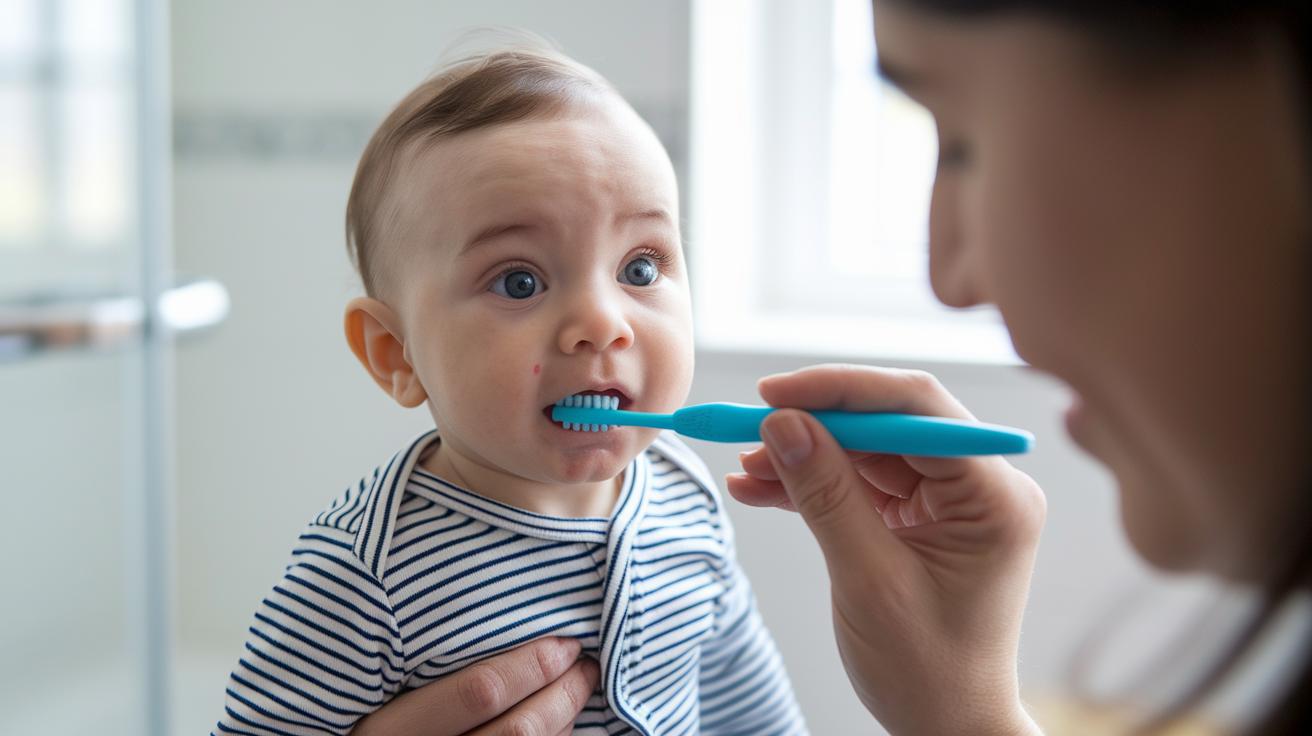
Early trips to the dentist are key to a lifetime of healthy smiles. Doctors say it’s best to book your child’s first dental visit by age 1 or within six months of their first tooth showing up. This visit lets the dentist spot early signs of cavities and helps guide parents in building strong oral habits.
Every time your child visits the doctor and their teeth start coming in, they often get a thin coat of fluoride varnish to make their enamel stronger. And if your local water doesn’t have enough fluoride, simple supplements can offer extra protection against cavities.
Parents should keep an eye on brushing twice a day, using just a rice-grain-sized smear of fluoride toothpaste. One caring parent said, "Watching my child brush so carefully makes me feel like we’re starting a fun routine that builds a bright smile." These early steps not only prevent dental issues but also set up habits that keep kids smiling brightly for years to come.
Mental and Behavioral Health Screening in Pediatric Preventive Care
When children turn six, doctors begin checking for signs of sadness or worry. They use simple questionnaires that feel almost like a quick weather check, just a friendly way to see if someone might need extra care.
For younger kids, around 15 and 30 months old, there are checks to see how they interact with others and handle feelings. One parent mentioned how watching her toddler share a toy made her feel confident that her child was learning to connect with people.
If a child between the ages of four and five seems unusually restless or struggles to keep focus, doctors may suggest extra evaluations for ADHD. This helps ensure that kids get the help they need early on to build strong, positive relationships.
By including these tailored checks during routine visits, caregivers can spot and address small challenges before they become bigger. This approach gives every child a secure foundation as they grow and learn.
Safety and Environmental Strategies in Pediatric Preventive Care
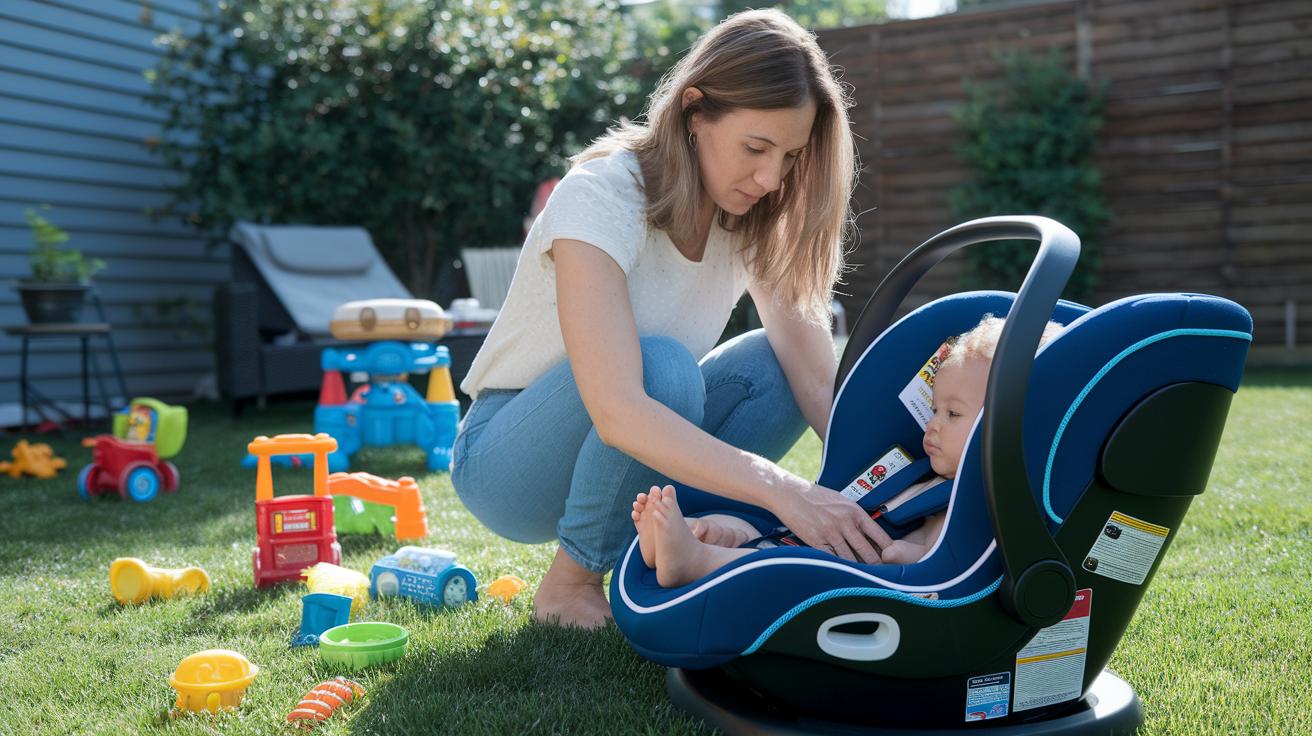
Our little ones mean the world to us, so keeping them safe is always a top concern. One easy way to help is by making sure car seats are up to date. Experts recommend that babies ride rear-facing until they turn 2 and then switch to a forward-facing seat with a secure harness. This small change goes a long way in protecting your child on every ride.
At home, simple changes can really make a difference. You can add cabinet locks, stair gates, or outlet covers as part of a careful check to keep your child secure. Imagine your little toddler exploring happily while you know every area is protected. These small adjustments lower risks and turn each room into a safe space.
When your child is outside or playing, extra safety steps become important. Always have them wear a helmet and other protective gear when riding a bike or scooter. Think of it like a smoke detector that gives you a reassuring alert to danger. Using a quick safety check for outdoor activities not only helps prevent accidents but also adds to a well-rounded plan to keep injuries at bay. Each thoughtful update builds a safer world for our kids.
Appointment Planning and Preventive Checklists in Pediatric Preventive Care
Families feel reassured when every step of preventive care is mapped out. A downloadable calendar for well-child visits, from birth to 21 years, clearly shows when appointments are due. It’s like having a digital guide that keeps both kids and parents organized.
Starting with a simple pre-visit checklist can really make a difference. For example, you might check that your child's immunizations are up-to-date, bring their growth chart, complete the developmental questionnaire, and mention any new family health updates. Each small task helps ensure a smooth visit.
Many parents also rely on digital reminders from patient portals or secure messaging systems. These friendly alerts gently remind you about upcoming appointments, so busy families never miss an important date.
A clear, organized preventive care plan often includes a detailed checklist for physical exams. This way, no important step is overlooked, whether it’s a routine checkup or a follow-up after a major milestone. With everything set up in a simple, efficient manner, managing appointments becomes an easy part of keeping little ones healthy and happy.
Caregiver Education and Lifestyle Counseling in Pediatric Preventive Care

Doctors who care about kids partner with families to set a solid foundation for a healthy life. They share friendly advice on balanced meals filled with lean proteins, whole grains, fruits, and veggies. Sometimes, they even suggest turning dinner into a fun cooking activity with the whole family. One caring doctor said, "Think of each meal as a chance to create a mini celebration of health."
They also discuss ways to limit screen time and stress how important sleep is, usually 9 to 12 hours based on your child's age, to keep little ones refreshed and ready to explore. Parents get guidance on positive discipline that builds self-confidence and sets clear, secure boundaries, along with simple tips for keeping teeth clean. For example, a doctor might say, "Did you know brushing together can be a fun, bonding moment for you and your child?"
The conversation rounds out with support for breastfeeding and advice on everyday safety habits. Families receive personalized tips that fit their lifestyles, whether it’s using car seats correctly, childproofing the home, or planning a device-free hour together. With this practical advice, parents can build a daily routine that not only boosts a child’s overall well-being but also helps them form healthy habits for life.
Final Words
In action, we explored the key parts of pediatric preventive care, from well-child visits and immunization schedules to developmental milestones and dietary tips. We also reviewed physical exams, mental health screenings, safety checks, and caregiver education, all steps that help protect a child’s well-being.
These measures guide proactive, secure, and informed care. By keeping pediatric preventive care at the center, every step moves us closer to better health outcomes and brighter futures.
FAQ
What is preventive pediatric health care?
Preventive pediatric health care means using routine well-child visits, developmental checks, immunizations, and healthy lifestyle guidance to help kids grow safely and catch any early signs of problems.
What do pediatric preventive care guidelines include?
Pediatric preventive care guidelines list schedules for well-child visits, checkups for growth and development, immunization timelines, and safety, nutrition, and mental health screenings to support overall child health.
What types of services fall under preventive pediatrics?
Preventive pediatric services include routine checkups, developmental assessments, vaccinations, dental care, mental health screenings, and safety evaluations designed to spot issues early and maintain long-term wellness.
Are pediatrician visits considered part of preventive care?
Pediatrician visits are an important preventive care element because they track milestones, update immunizations, and perform early screenings that help keep children healthy as they grow.
When should children have well-child visits?
Well-child visits start with newborn checks and continue at regular intervals (for example, 1, 2, 4, 6, 9, 12 months and beyond) to monitor development and address any concerns promptly.
Where can I find the latest pediatric preventive care recommendations or guidelines?
The latest recommendations can be found in resources from the American Academy of Pediatrics, including downloadable PDFs and handbooks, which update families on current best practices.
Are there downloadable resources available to help with pediatric preventive care?
Yes, many providers offer PDFs like a preventive care handbook or appointment checklists that guide families in tracking well-child visits, immunizations, and developmental milestones.

