
Ever wonder if treating pneumonia the right way can speed up your recovery? When your lungs are working hard to fight inflammation and a nagging cough, the right care can really make a difference.
There are treatments available for both bacterial and viral pneumonia. Each option has its own benefits, and many patients start to feel better fast with the right antibiotics or extra supportive care.
In this post, we'll share how making smart treatment choices may clear the infection sooner. That way, you can get back to feeling like yourself in no time.
Primary Modalities in PNA Treatment
Pneumonia makes the lungs work harder than usual. It causes the tiny air sacs and little tubes in the lungs to become inflamed and fill with fluid or pus. This can lead to coughing, fever, and trouble breathing. Germs like bacteria, viruses, or other agents can start this process, making even simple tasks feel more difficult until the infection is cleared up.
• Bacterial pneumonia: The first step usually involves taking antibiotics either by mouth or through an IV. Many patients see quick improvement when the right antibiotic is used.
• Viral pneumonia: These cases often get better on their own with supportive care. Patients might use over-the-counter medicine, drink plenty of water, and rest. Sometimes, special antiviral medicines are used for cases related to the flu or COVID.
• Aspiration pneumonia: This type happens when materials get into the lungs by accident. Doctors usually treat it with antibiotics that work against germs that do not need oxygen.
• Hospital cases: When pneumonia is picked up in a hospital, it often needs stronger care. This can include IV antibiotics that cover a broad range of germs and close, careful monitoring, especially when tough germs like MRSA are involved.
Deciding whether to treat pneumonia at home or in the hospital depends on how severe the symptoms are. Many patients with mild infections do well with rest, fluids, and supportive medications at home. But more serious cases, especially when resistant germs are involved or if a patient is already weak, often need the extra care and monitoring available in a hospital setting.
Refining Antibiotic Regimens for Effective PNA Treatment
When treating pneumonia, the setting can change which antibiotics work best. In outpatient care for common chest infections, oral macrolides or doxycycline are often chosen because they work gently yet effectively. For patients with extra risk factors or existing health issues, doctors might pick respiratory fluoroquinolones or mix a beta-lactam with a macrolide. This way, the treatment matches the patient’s needs while keeping side effects low.
Bacterial pneumonia usually needs treatment for 5 to 7 days. In tougher cases, treatment might stretch to 14 days. In hospitals, the usual first step is giving IV broad-spectrum beta-lactams with either a macrolide or respiratory quinolone. This approach fights off many bacteria until lab results point to the right one. And when risks for MRSA or Pseudomonas appear, options like vancomycin, linezolid, or an antipseudomonal beta-lactam are considered to strengthen the regimen.
Good antibiotic practices mean adjusting therapy based on lab data and how well a patient is doing. Doctors often switch from IV to oral antibiotics when the patient’s condition improves. This change not only follows dosing and duration guidelines but also helps guard against antibiotic resistance. By keeping an eye on how the patient is responding, healthcare teams fine-tune the treatment to support a fast and safe recovery.
Supportive Care and Symptom Relief in PNA Treatment
When pneumonia strikes, easing its symptoms can really help you feel better while your body battles the infection. This kind of friendly care combines natural, non-drug methods with over-the-counter remedies to keep your breathing smooth and your overall comfort in check. For example, doctors might use oxygen therapy to make sure your blood has enough oxygen, much like giving your body a little extra boost so every tissue can recover better. At-home tips and simple medical advice work together to ease chest discomfort and cough while helping your body’s own defenses grow stronger.
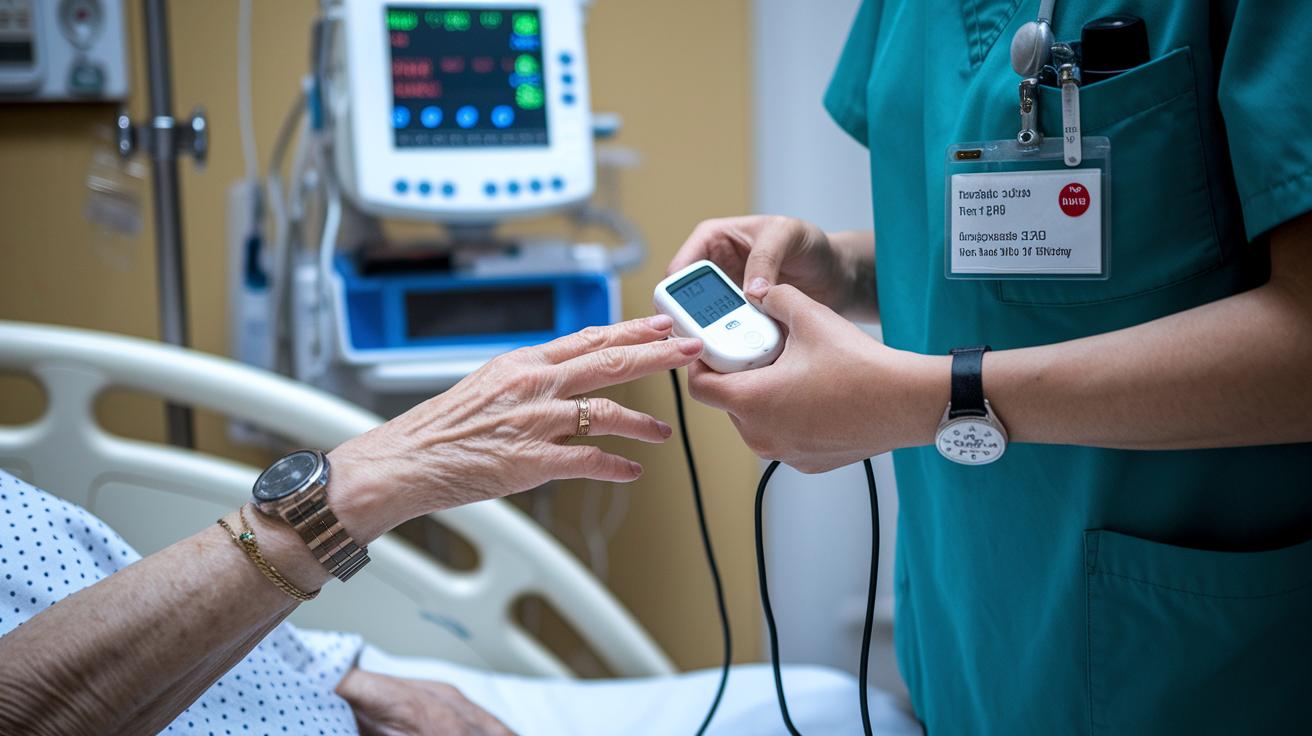
• Monitoring oxygen levels carefully with devices that measure your pulse
• Drinking plenty of fluids and using IV fluids in case of dehydration
• Using fever reducers that match your body weight
• Breathing in humidified air or steam to soothe your airways
• Trying mucolytic agents or saline nebulization to clear your chest
• Balancing bed-rest with light movement to keep your muscles from weakening
It’s important for both patients and caregivers to keep a close eye on the symptoms. Check your oxygen levels with a simple pulse oximeter, watch for any rising fever, or notice if a cough just won’t get better. And if you see that breathing is becoming more difficult or comfort is slipping away, don’t hesitate to call a doctor right away. A little extra watchfulness can help decide if your care needs a change to get you back to feeling your best as quickly as possible.
Managing PNA in Special Populations: Pediatrics and Elderly

Infants and toddlers need gentle, careful treatment when they have pneumonia. Their care starts with giving them antibiotics based on their weight so the dose fits their small body just right. Doctors also watch their fluid intake and check oxygen levels with a tool called pulse oximetry. They avoid using sedation when possible to lower the chance of breathing problems, and they regularly check to make sure everything is going well.
Older adults face different challenges as their bodies change with age. Their antibiotic doses might need to be adjusted because their kidneys or liver may not work as efficiently as before. Doctors also keep a close eye on signs of confusion or delirium. Since older patients have a higher chance of serious issues like respiratory failure or sepsis, they are monitored more closely and sometimes even switched to IV treatment when needed.
Patients at high risk, like those with weakened immune systems or chronic lung problems, often start with a broader range of antibiotics. They might need to begin with IV therapy so the infection is controlled quickly and their progress can be carefully watched.
Preventing pneumonia from spreading is a key part of treatment for all these groups. Vaccinations against pneumococcal infections and the flu, along with simple habits like regular hand washing and wearing masks during outbreaks, all help keep pneumonia from catching hold.
Monitoring and Follow-Up After PNA Treatment
Patients often start to feel better within 48–72 hours of taking antibiotics. The fever drops, and the cough begins to ease up. It’s comforting to see these early improvements because it shows both you and your healthcare provider that the treatment is working.
Keep an eye on your symptoms, though. If you notice a rising fever, a worsening cough, or any new breathing issues, it may mean the infection is still active. In those moments, your doctor might decide it’s time to take another look at your treatment plan.
Typically, an outpatient check-up is scheduled one to two weeks after treatment begins. At this visit, your doctor will talk with you about how you’re feeling and use a pulse oximeter to check your oxygen level, kind of like making sure your body is getting the right amount of air. If you’re still having problems, they may order further tests like a chest X-ray or sputum culture to figure out what’s going on.
A major goal in your recovery is avoiding a return to the hospital. This means it’s important to take your medications on time, keep an eye on any chronic issues such as diabetes or heart conditions, and see if you need extra oxygen at home. By watching these details closely, you and your healthcare team can feel confident that you’re on the right path and quickly address any signs that the infection might be coming back.
pna treatment Sparks Fast Pneumonia Recovery

When you mix alternative treatments with your regular care, you get an extra boost. They help clear your lungs, support your immune system, and speed up recovery without leaning only on medications.
Chest Physiotherapy
This method uses gentle tapping, soft vibrations, and smart positioning to shift secretions. For example, lightly tapping the chest can loosen mucus, making it easier to cough out. These simple actions work together to open up your airways and improve your breathing.
Nutritional Support
Eating a high-protein diet and adding vitamin D can boost your natural defenses. Meeting your daily calorie and nutrient needs helps your immune system work better. Sometimes, doctors may suggest switching to tube feeding instead of traditional eating to keep your recovery steady.
Pulmonary Rehabilitation
This plan includes special breathing exercises, light movement, and guided activities designed to strengthen your lungs. It helps you build strength and manage breathlessness while learning techniques that make self-care easier to handle.
Together, these methods form a balanced treatment plan that eases symptoms and helps you bounce back faster.
Final Words
In the action of exploring various approaches, we covered options from targeted antibiotic choices to supportive care and alternative therapies for pna treatment. We talked about matching treatment to different pneumonia causes and caring for special groups like children and older adults.
Each step highlighted the value of a clear, secure plan in patient care. This guide leaves us feeling prepared and hopeful, knowing that thoughtful, simple steps pave the way for better healthcare outcomes.
FAQ
What are the signs that pneumonia is improving?
The signs that pneumonia is improving include a lower fever, a less severe cough, and easier breathing. You might also notice reduced chest discomfort and more energy as you recover.
Is pneumonia contagious?
Pneumonia can be linked to infections that spread from person to person. While pneumonia itself is not always contagious, the germs causing it can be, so good hygiene and proper precautions are key.
What is the best treatment for pneumonia, and how are bacterial cases managed?
The best treatment for pneumonia depends on its cause. Bacterial pneumonia is usually managed with oral or IV antibiotics as a first-line approach, while viral types often receive supportive care. Always follow your doctor’s advice.
What does pneumonia relapse after antibiotics look like?
A pneumonia relapse after antibiotics may show up as a returning fever, worsening cough, or new breathing problems. These changes mean you should see your doctor for a further checkup.
What are common pneumonia symptoms?
Common pneumonia symptoms include a persistent cough, high temperature, chest pain, and difficulty breathing. Fatigue and chills can also occur, signaling that medical care is needed.
What should be avoided when you have pneumonia?
When you have pneumonia, avoid strenuous activity, smoking, and skipping rest. Steering clear of lung-stressing activities helps your body heal and reduces the risk of complications.
What are some helpful pneumonia recovery tips?
Pneumonia recovery tips include resting well, drinking plenty of fluids, taking your medications as directed, and slowly increasing your activity. These practices help support your return to full strength.
What are the different types of pneumonia?
The different types of pneumonia include bacterial, viral, and aspiration pneumonia, among others. Each type requires a specific treatment approach based on its cause and severity.

