
Have you ever noticed how little choices every day can boost your health? A simple checklist for preventive care can work like a friendly reminder to keep you on track. It turns all those exams, vaccines, and tests into clear tasks that are easy to follow.
This helpful plan makes chatting with your doctor about your checkups much simpler. Even if you’re feeling great or think you might need a bit of extra care, these simple steps can help spot problems early.
In the end, taking care of yourself today builds a healthier and more confident tomorrow.
Key Components of a Preventive Care Checklist
A preventive care checklist is a handy guide that helps you stay on top of important exams, shots, and health checkups. It even starts with an eye-opening fact: before she became famous for her science, Marie Curie once carried test tubes with radioactive material in her pockets, not knowing the risks. This guide reminds you to set up yearly health checkups and follow trusted CDC guidelines so nothing important gets missed.
Regular screenings might include simple tests like a blood check for cholesterol and sugar, cancer tests, and vaccinations. Each test is a chance to talk with your doctor about keeping your body strong and healthy. Whether you feel fine or not, these conversations make sure your health stays on track.
The checklist covers basic tests, reviews of your vaccines, and personal evaluations that consider your age, gender, and past health issues. It offers a clear plan so that both families and individuals can catch any warning signs early. With timely reminders and easy-to-follow steps, you always know when it’s time for your checkup.
This simple plan makes preventive care easy to manage, breaking it down into small, clear tasks that contribute to a healthier future. It helps you avoid surprises by encouraging open discussions and practical scheduling, and it reassures you that your health is cared for.
Using this checklist, you make smart, healthy decisions every day. It’s like having a reliable friend who gently reminds you to take care of yourself and stay one step ahead in keeping your well-being secure.
Age & Gender Preventive Care Checklist Protocols

Women benefit from regular well-woman exams like mammograms, cervical cancer screenings, and routine gynecological checkups. These visits are important because they help catch any issues early and guide you in making new health choices. For example, a woman might get a mammogram and then feel relieved knowing she has a clear plan to monitor any changes.
Men need a focused health evaluation to build a customized health plan. A simple visit could include a blood pressure test, a cholesterol check, and a chat about lifestyle habits. Even if you're feeling fine, these checkups can bring peace of mind by highlighting small improvements for a healthier daily life.
Adolescents also deserve careful guidance as they grow into adulthood. Preventive visits for teens mix vaccinations with mental health checkups and other basic screenings. One teen might find that a friendly conversation about seasonal vaccines and mood changes makes taking charge of their health feel natural.
Pediatric care is equally vital. Pediatricians keep a close watch on a child's growth and development, checking things like height, weight, and nutrition. These routine visits lay a strong foundation for a lifetime of good health.
For more details on adult care, please visit the preventive care guidelines. Parents can also learn more about child-specific care by checking out the pediatric preventive care resources. This checklist helps everyone know which tests, screenings, and checkups are key to keeping the whole family on track for a healthier future.
Immunization Review in Your Preventive Care Checklist
It’s important to check your vaccines so you know when each one is needed. For example, getting your flu shot every year is a simple step that helps protect you and your community. Kids and even grownups benefit from this yearly boost. Each age group has clear catch-up schedules, like having a Tdap booster during the teen years, followed by a full HPV series at ages 11 or 12 to help fight certain cancers.
For adults, the schedule shifts a bit. It all starts with the yearly flu shot. Then, if you’re 50 or older, a shingles vaccine is a smart idea to help prevent painful outbreaks later on. If you’re 65 or above, a pneumococcal vaccine is also advised to lower the risk of serious infections. These steps win you peace of mind and keep your health plan simple.
Recent updates have changed some age limits, especially for the HPV and shingles vaccines. So, it’s a good idea to check the latest CDC guidelines and confirm your insurance coverage before booking an appointment. This way, your immunizations stay on track, making your preventive checklist a trusted part of keeping you well.
Routine Screenings and Tests in Your Preventive Care Checklist
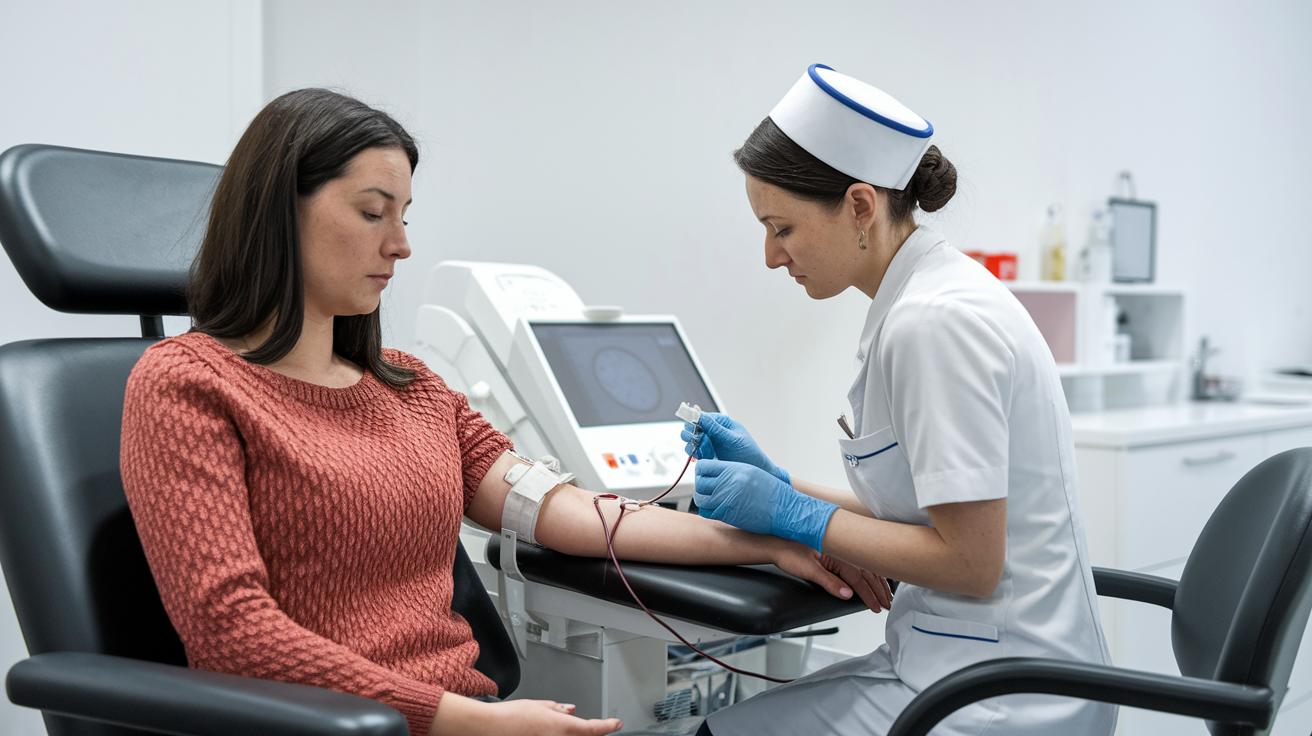
Regular tests keep you informed about your health. A routine blood test checks things like your cholesterol, blood sugar, and kidney health. It’s like a quick peek inside your body that tells you if any changes have happened. For example, a simple blood work can hint if you might need to eat better or move a little more.
Age-based screening tips also cover key cancer checks. Mammograms usually start between ages 40 and 50 and should be done every one to two years. A handy tip: mark your calendar to remind you when the time comes for your next mammogram. It can also help to do self-breast exams between these professional check-ups. And starting at age 45, a colonoscopy is recommended every ten years, this fits with insurance rules set by the ACA.
Getting your skin checked each year is another simple step to look out for changes. A quick look in the mirror to check for any new or odd marks can be just as important as seeing a doctor. These small steps build a safety net that helps keep you on track.
| Age Group | Screening/Test | Frequency |
|---|---|---|
| 40-50 | Mammogram | Every 1-2 years |
| 45+ | Colonoscopy | Every 10 years |
| All Ages | Blood Panel | Regular intervals |
| Any Age | Skin Check | Annually |
Routine screenings are simple, smart steps that help catch potential issues early and keep your overall health in check.
Chronic Condition Follow-Up on Your Preventive Care Checklist
Taking care of a chronic condition can be simple when you stick to a few steady steps. For example, if you have diabetes, it’s a good idea to get an HbA1c test every six months. This test shows your average blood sugar level so you can catch any worries early. Also, having your eyes and feet checked once a year helps spot signs of trouble before they grow serious.
Your heart needs care, too. Checking your blood pressure every three months is wise. If you’re at higher risk, your doctor might also suggest an annual ECG and regular tests for cholesterol. Think of these blood pressure checks as a tune-up, like checking your car’s oil to keep the engine running smoothly.
Don’t forget about your mental health. Your doctor might look for signs of depression, anxiety, or stress during your routine visits. It’s like taking a short break in a busy day to catch your breath and see how you’re really doing.
By keeping up with these check-ups, you build a safe, proactive plan that helps keep your health on track. It’s a simple way to manage your condition and enjoy a healthier life.
Preventive care checklist: Simple Steps for Wellness

One of the best ways to take care of your health is by making your home safe. Start by walking through each room and checking for things that could cause a fall, like loose rugs, clutter, or slippery floors. For example, make sure the paths in your kitchen and bathroom are clear so you can move around safely.
Taking a few minutes each day to review how you're eating can really boost your well-being. Think of it as a simple check on your weight: keep track of your meals, note any changes in your weight, and jot down how you feel energy-wise. A quick note in your breakfast diary can help catch any concerns early.
You can also use digital tools to help keep track of your health. Setting reminders on your phone ensures you don’t miss a doctor’s appointment. Plus, using a smartwatch or fitness tracker gives you instant feedback on your activity and heart rate. Sometimes, these tools even remind you to move if you’ve been sitting too long or to check on your sleep quality.
If you need ideas to get moving every day, you might want to explore tips on how to add activity to your daily routine. With a mix of practical safety checks and handy digital tools, your checklist can truly guide you towards a healthier everyday life.
Customizing and Using Your Preventive Care Checklist Efficiently
Begin by making your checklist fit your insurance plan and specific health needs. A simple five-step process will guide you through all the services available to you.
- First, look over your complete checklist. Collect details about your exams, vaccines, and screenings that your plan covers.
- Next, set up appointments for your preventive care. This way, your calendar becomes a clear view of your upcoming health checks.
- Then, confirm your coverage with your insurance company. Compare your benefits with guidelines like the ACA service summary and USPSTF recommendations. Ensure that each service you need is covered at no extra cost.
- Also, get ready for each visit by writing down your questions and noting any changes in your health. This helps you have a clear talk with your provider.
- Finally, follow up after each visit by noting any new information or test results. Keep your checklist updated as you move along.
Following these steps, you'll create a system that keeps you organized and informed. Quick links for local doctors or urgent care can make things even easier. Your custom checklist helps you use free services and stay on top of insurance details, which means you don’t miss out on essential preventive care.
With your checklist in hand, you're taking charge of your health. This smart, organized method lets you check benefits and prepare for each visit, so you get better care over time.
Final Words
In the action, this article walked through a solid preventive care checklist. We reviewed key exams, immunizations, and tests that support early detection and build a healthier future. Each section outlined age-specific tips, from routine screenings and chronic condition follow-ups to lifestyle strategies that keep you safe at home. The guide shows how simple steps can make a strong difference in health outcomes and patient care. Stay proactive, embrace these steps, and take comfort knowing that every checklist item adds up to a brighter, healthier tomorrow.
FAQ
What are some examples of preventive care?
The term “preventive care examples” highlights actions like routine check-ups, vaccinations, and screenings—such as mammograms and cholesterol tests—that help detect health issues early and support overall well-being.
What is the preventive care checklist form PDF?
The “preventive care checklist form PDF” is a downloadable guide outlining key exams, screenings, vaccinations, and follow-up steps designed to help you track and maintain your health.
What do preventive care guidelines for adults include?
The phrase “preventive care guidelines for adults” refers to recommendations for regular physical exams, immunizations, and screenings that are tailored to detect risks early and promote long-term health in adults.
What is covered under preventive care as defined by insurers like Blue Cross Blue Shield?
When we talk about “what is covered under preventive care,” it means routine physicals, screenings, immunizations, lab tests, and counseling services designed to catch early signs of health issues, typically included by insurers like Blue Cross Blue Shield.
What does the UHC preventive care checklist and guidelines cover for 2024?
The “UHC preventive care checklist and guidelines 2024” outline age-based screenings, lab tests, and immunizations, ensuring you receive timely health assessments and recommendations based on current standards.
What labs are covered under preventive care?
The question “what labs are covered under preventive care” means that standard tests—such as cholesterol, blood sugar, and kidney function tests—are often included in routine screenings to monitor your health.
What is included in routine preventive care?
The expression “what is included in routine preventive care” covers a combination of physical exams, screenings, immunizations, and lab tests that work together to detect potential health issues at an early stage.
What are five ways to practice preventive healthcare?
The idea behind “five things you can do to practice preventive healthcare” includes scheduling regular check-ups, getting recommended vaccines, maintaining a balanced diet, engaging in physical activity, and managing stress effectively.
What are the four major categories of preventive care?
The term “four major categories of preventive care” can describe primary prevention (avoiding disease), secondary prevention (early detection), tertiary prevention (managing ongoing conditions), and quaternary prevention (reducing over-treatment).
What are the three levels of preventive care?
The discussion of “the three levels of preventive care” refers to primary prevention to stop illness before it starts, secondary prevention to catch health issues early, and tertiary prevention to help manage and reduce complications.

