
Have you ever wondered if your child's treatment for Kawasaki disease could be improved? New guidelines offer fresh ideas to care for kids who might face heart problems.
Doctors can now spot important warning signs much sooner. They look for things like a fever that lasts too long or rashes that aren’t normal. This update makes it easier for doctors and families to understand and decide on the best care.
In this post, we share how these clear and caring steps can bring hope and better results for children fighting this challenging condition.
Kawasaki Disease Treatment Guidelines Overview
The American College of Rheumatology and the Vasculitis Foundation have teamed up to update their Kawasaki disease guidelines. Before this update, many doctors used old methods that might not have been the best for children with potential heart issues. This new guide shows a heartfelt commitment to improving care for kids dealing with this tough condition.
Now, the guidelines offer clear steps to help doctors diagnose and treat high-risk patients. They advise watching for signs such as a long-lasting fever, rashes, and changes in the mouth. These simple clues can make a big difference. Doctors are encouraged to carefully monitor children in the hospital and keep up with follow-ups to protect their hearts. This advice covers both the intense early stage and the recovery period in a calm, organized way.
This guide is also part of a broader set of tools that includes advice for other conditions like axial spondyloarthritis and juvenile idiopathic arthritis. It provides trustworthy, evidence-based recommendations that make everyday care easier. By relying on this comprehensive guide, healthcare providers can make well-informed decisions and help improve outcomes for children with Kawasaki disease.
IV Immunoglobulin Therapy Protocol in Kawasaki Disease
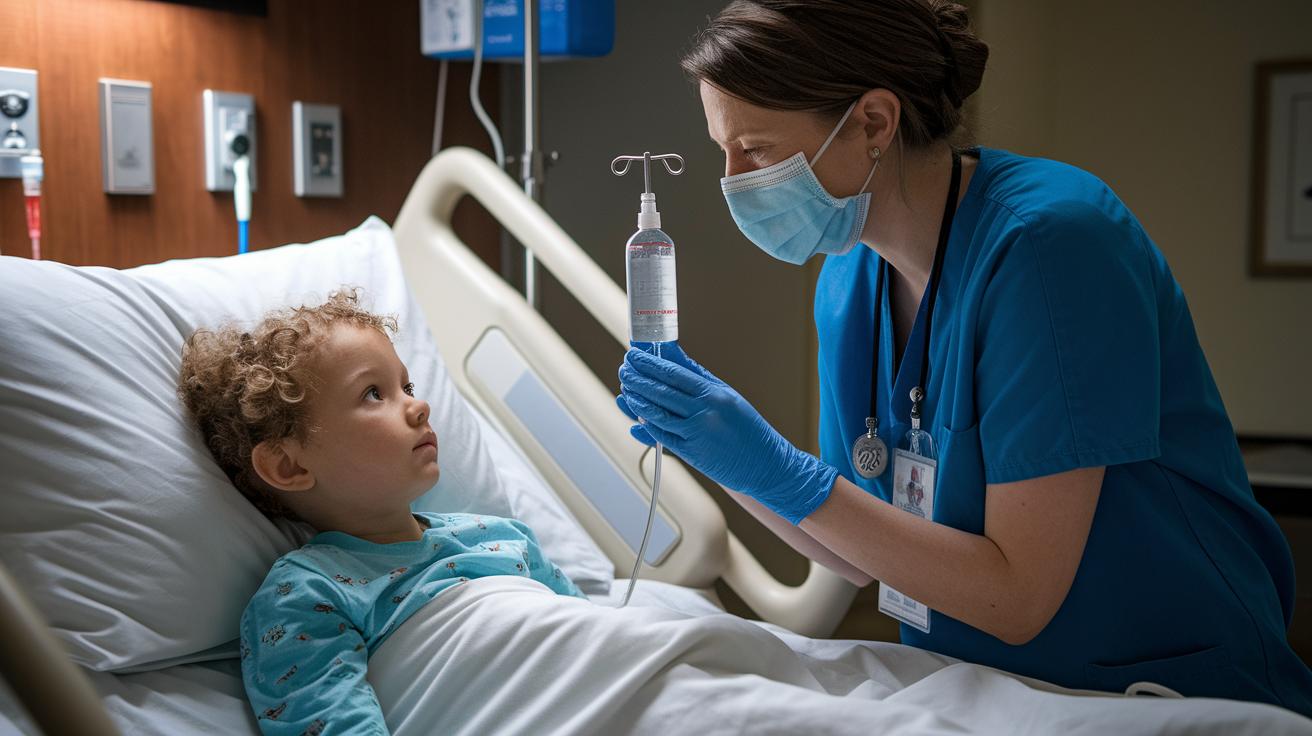
The standard IVIG dose is 2 g/kg given in one infusion, and it works best when given in the first 10 days of a fever. We usually deliver the infusion slowly over 10 to 12 hours while the child stays in the hospital for 2 to 5 days. Think of it like wrapping a delicate mechanism with a protective cover – the timing is super important to help prevent heart problems.
Giving IVIG early is key to lowering the chance of coronary aneurysms in kids with Kawasaki disease. We administer the medication slowly and carefully, all while keeping a close watch on the child. We use careful dose calculations and custom infusion plans to meet each patient’s unique needs. A steady, slow infusion is like mixing ingredients in just the right way to create a safe and effective treatment recipe.
Aspirin Dosing Recommendations in Kawasaki Disease Treatment: Trusted Care
When a child is in the early stage of Kawasaki disease, doctors use a high dose of aspirin, about 80–100 mg per kilogram each day, to quickly ease inflammation. This helps lower fever and reduce swelling. After the fever clears, the medicine is switched to a lower dose of 3–5 mg per kilogram each day for 6–8 weeks. This gentler dose helps prevent blood clots, keeping the heart safe.
During treatment, careful monitoring is key. Healthcare providers check closely for any tummy upset or other side effects, and they take steps to avoid rare problems like Reye syndrome. Doses are always double-checked based on the child’s weight, and adjustments are made if any side effects appear. Using simple tools like dosing charts and regular checks makes sure the treatment stays as safe and effective as possible.
Diagnostic and Monitoring Criteria in Kawasaki Disease Treatment
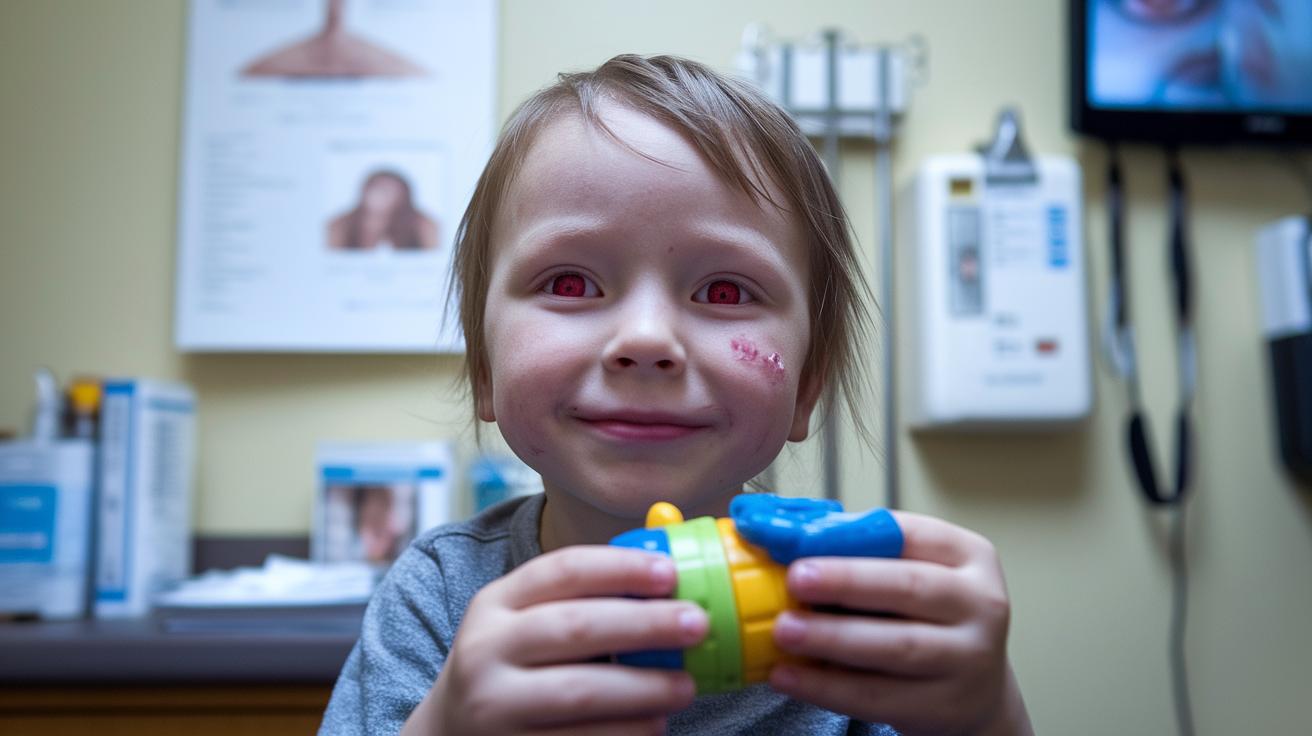
When doctors start to worry about Kawasaki disease, they first pay close attention to a child's symptoms. A child with a fever lasting at least five days, usually above 101.3°F, might show subtle hints of the illness. These signs are like puzzle pieces that, when put together with lab tests and scans, help confirm the condition.
- Both eyes may look red without sticky discharge
- Changes in the mouth's lining or lips
- A rash that can appear in different ways
- Swollen or reddened hands and feet
- Enlarged lymph nodes in the neck
Doctors also rely on lab tests to support what they see. They check for higher levels of CRP, a protein that goes up when inflammation is present, and ESR, which tells us about the amount of inflammation in the body. Often, during the second week, the number of platelets in the blood starts to rise too. These tests serve as clear signals that the diagnosis may be correct.
Imaging tests add an extra layer of reassurance. Soon after diagnosing the disease, a baseline echocardiogram, a scan that shows a moving image of the heart, is done, along with an ECG (a test that records the heart's electrical activity). These tests are typically repeated after about two weeks and again between six to eight weeks. This careful follow-up helps catch any heart changes early.
By combining careful observations, lab results, and imaging studies, doctors can closely track the disease’s progress and adjust treatments as needed. This approach not only helps spot the disease early but also makes sure a child's heart is kept safe during recovery.
Post-Treatment Cardiac Follow-Up in Kawasaki Disease
When a child leaves the hospital after having Kawasaki disease, doctors set up follow-up visits at about 2 weeks and then again at 6 to 8 weeks. At these appointments, they check the child’s heart by doing tests like an echocardiogram (a kind of heart ultrasound) and an ECG (a test that looks at the heart’s electrical signals). These visits are a lot like regular check-ups, making sure everything is working well and catching any problems early on.
If the 6–8-week exam shows that the coronary arteries look normal, the long-term risk to the heart is very low. In these cases, follow-up visits might happen once a year or even less often, based on the child’s needs. Families also have access to care through the Heart Institute network, which has over 30 outpatient centers in Ohio, Kentucky, and Indiana. This network makes it easy to keep an eye on the heart and always have support close by.
Economic and Implementation Considerations for Kawasaki Disease Guidelines
IVIG is an expensive treatment that costs a lot in different parts of the world. Even though it is very important for treating Kawasaki disease, its high cost can make it hard for some families to get the care they need. The guidelines suggest making sure insurance plans are well thought out so that kids can get this treatment quickly. By looking closely at treatment costs for children, health professionals can help families manage expenses and find the right insurance coverage. In doing so, we ease the financial burden while ensuring that this crucial therapy is available when needed.
To help make sure everyone upholds these recommendations, the guidelines are shared through many channels. Experts are interviewed, and a range of educational tools and support materials is used to spread the word. There is even a "Guideline Feedback" section where clinicians can share their thoughts and suggestions, helping improve the guidelines over time. As these recommendations are refined with real-life experiences, they stay current and useful. This continuous review process connects policy ideas with real patient care, wrapping economic concerns into a trustworthy and flexible treatment plan.
Treatment Adjustments for Incomplete Kawasaki Disease Presentations
Doctors follow a step-by-step guide when a child doesn’t show all four of Kawasaki disease's main signs. They mix lab tests and heart ultrasound (echocardiography) to catch the missing clues. Imagine a puzzle missing one piece, a child might have a long-lasting fever, a rash, and red eyes, but not all the usual signs. This careful method helps find cases that might otherwise be missed and makes sure every child gets the attention they need.
Even when the signs aren’t all there, the treatment stays the same. Doctors give the regular IVIG dose of 2 g/kg and use the aspirin plan, just as they would for a typical case. Dosing based on the child’s weight and starting treatment early are important steps. This way, every child receives the safe, trusted care they deserve.
Final Words
In the action, the blog explored updated Kawasaki disease treatment guidelines across multiple areas such as IV immunoglobulin therapy, aspirin dosing, diagnosis, monitoring, and post-treatment follow-up. It also addressed cost considerations and treatment adjustments for incomplete presentations.
This discussion on treatment for kawasaki disease guidelines offers a clear, evidence-based path for safe and effective patient care.
The blog leaves us with a positive perspective on secure communication and streamlined clinical workflows.
FAQ
Q: What are the latest Kawasaki disease treatment guidelines from 2023/2024 for pediatric patients?
A: The updated guidelines from 2023 and 2024 focus on pediatric care by outlining clinical diagnosis, IVIG therapy, aspirin regimens, and follow-up protocols based on evidence-based practices and expert recommendations.
Q: What are the costs and insurance considerations associated with Kawasaki disease treatment?
A: Kawasaki disease treatment cost varies, especially regarding high-cost IVIG therapy. Insurance planning is advised to help cover expenses and provide prompt access to necessary care.
Q: How is Kawasaki disease diagnosed using tests and clinical criteria?
A: Kawasaki disease diagnosis is based on clinical criteria, including prolonged fever and specific symptoms, along with lab markers and imaging studies like echocardiograms and ECGs for heart evaluation.
Q: What roles do IVIG and aspirin play in the treatment of Kawasaki disease?
A: The first line treatment for Kawasaki disease is IVIG, given as a 2 g/kg dose, often paired with high-dose aspirin during the acute phase to reduce inflammation and lower the risk of heart complications.
Q: How are atypical or incomplete Kawasaki disease cases managed?
A: Atypical cases, where fewer principal symptoms appear, are managed using diagnostic algorithms that rely on lab tests and imaging while still applying standard IVIG and aspirin treatment protocols based on weight.
Q: What does the follow-up protocol for Kawasaki disease include?
A: Follow-up care involves cardiac reviews, with echocardiograms and ECGs scheduled at 2 weeks and 6–8 weeks after treatment, and future evaluations as needed based on cardiac findings.
Q: What is the rule of 5 for Kawasaki disease?
A: The rule of 5 means that a fever lasting at least 5 days should be accompanied by 5 key clinical signs, including changes in the eyes, mouth, skin, extremities, and swollen lymph nodes.

