
Ever wondered if your bladder cancer treatment is made just for you? Many people think that cancer care comes one-size-fits-all, but the truth is different. Your treatment plan depends on your health, how advanced the tumor is, and your personal needs. Today, doctors customize treatments like surgery, chemotherapy (powerful cancer-fighting medicine), radiation, and even therapies that help boost your body’s natural defenses. This article shares hopeful insights about how these options work together as a team to fight cancer while caring for you. Every treatment plan is as unique as you are.
Comprehensive Overview of Treatment Options for Bladder Cancer
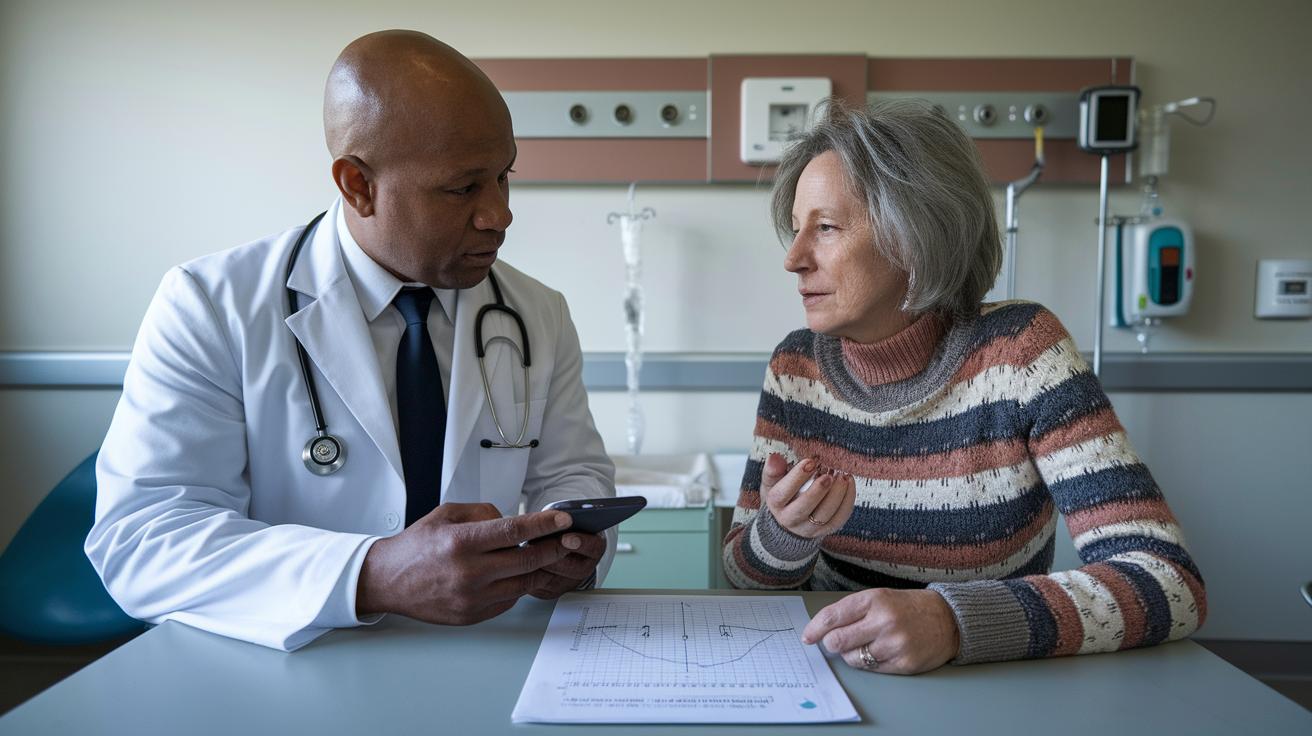
When it comes to treating bladder cancer, doctors design plans that focus on you. They look at your tumor’s type, its stage, your health, and what matters most to you. You might talk about treatments like surgery, chemotherapy, radiation, immunotherapy, or even joining a clinical trial. For instance, if you have a small tumor (stage 0–1), you may have a simpler procedure like a transurethral resection followed by one dose of chemotherapy placed right into the bladder. Imagine a quick treatment that eases your worries while helping to lower the chance of the cancer coming back.
In cases where the tumor is more advanced (stage 2 and above), doctors may suggest a stronger approach. A team of experts, urologists, cancer doctors, and radiation specialists, will work together to create a plan just for you. Some patients might choose to have a radical cystectomy, which includes rebuilding the way urine leaves the body, while others might start with chemotherapy before surgery to shrink the tumor or try additional therapy afterward to catch any leftover cells. Radiation therapy can also join the fight, working with surgery or chemotherapy to make the treatment more effective. And immunotherapy is another option that helps your body’s natural defenses attack the cancer. If you’re curious about the newest ideas, clinical trials offer ways to try advanced treatments.
Every treatment plan is as unique as the person receiving it. Doctors blend medical information with your own preferences to choose the best mix of treatments. Their goal is to help you live well while effectively targeting the cancer.
Surgical Procedures in Bladder Cancer Treatment
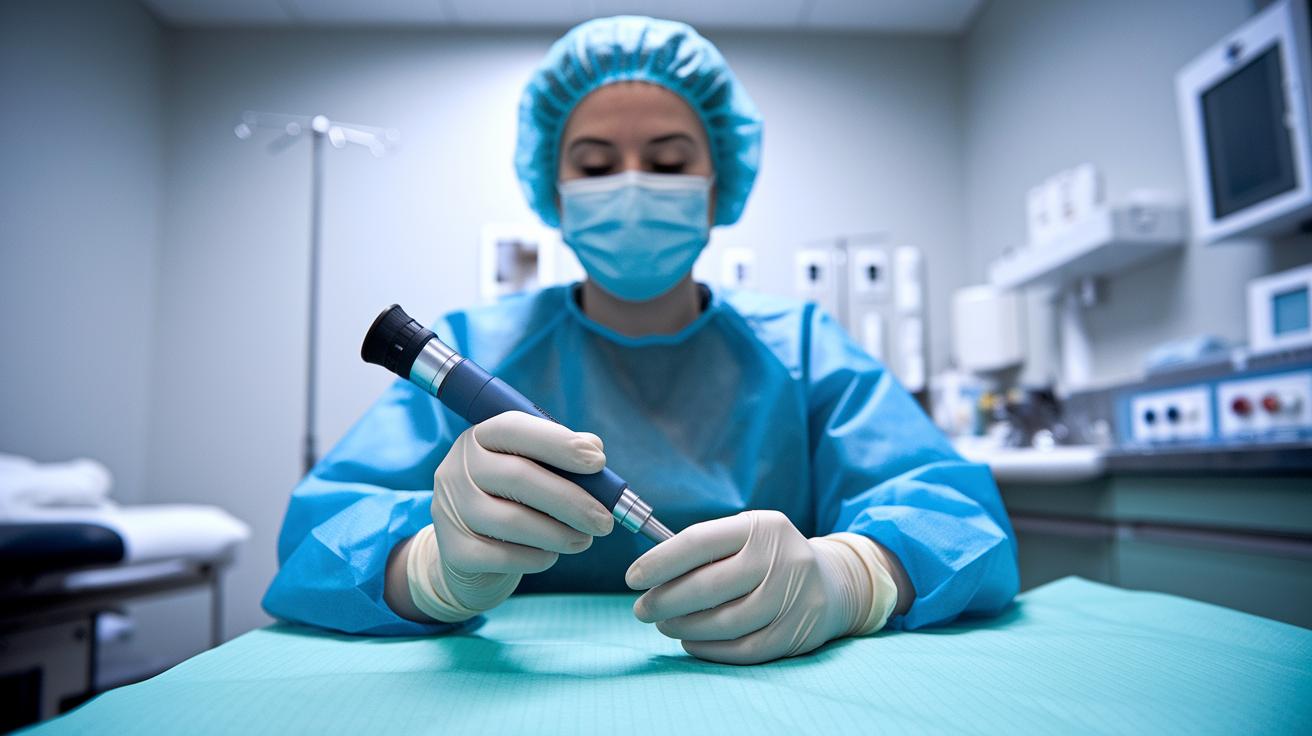
When your bladder tumor stays on the surface, your doctor might suggest a procedure called transurethral resection of bladder tumor (TURBT). With this method, a thin tool called a cystoscope, fitted with an electric loop, gently removes the tumor while you’re under general or spinal anesthesia. Most patients with non–muscle-invasive cancer, about 75% of new cases, finish this treatment and even go home the same day.
If the cancer grows into the muscle layer, a more involved surgery is needed. Your surgeon may perform a partial or full bladder removal, known as partial or radical cystectomy, and then rebuild a new route for urine to exit your body. Newer options, like single-port robotic cystectomy, use advanced technology to reduce pain and help you recover faster. This method is usually offered at specialized centers for patients with muscle-invasive disease.
| Procedure | Description | When It’s Usually Used |
|---|---|---|
| TURBT | Endoscopic removal of the tumor | For tumors that haven’t invaded the muscle |
| Partial cystectomy | Removal of part of the bladder | For a single invasive tumor |
| Radical cystectomy | Complete removal of the bladder | For muscle-invasive cancer |
| Urinary diversion | Creates a new way for urine to leave the body | After bladder removal |
| Single-port robotic cystectomy | Minimally invasive removal of the bladder | For muscle-invasive cancer at specialist centers |
The best surgical option for you depends on how deep the tumor is, your overall health, and what you feel comfortable with. Your care team will work closely with you to decide if open surgery or a less invasive procedure is a better fit. Thanks to advances in surgery, recovery times can be shorter and discomfort reduced, making these treatments both effective and patient-friendly.
Chemotherapy Protocols for Bladder Cancer

Chemotherapy plays a big role in fighting bladder cancer. Doctors often use a treatment called neoadjuvant chemotherapy to shrink tumors before surgery. Sometimes, they follow up with adjuvant chemotherapy after surgery to help clear out any tiny cancer cells that might be left behind.
The standard treatment usually includes cisplatin-based combinations. This method has been used for many years because it helps improve a patient’s chance for success. For patients with advanced or spreading cancer, a new treatment option was approved by the FDA in 2023. This option uses enfortumab vedotin with pembrolizumab to attack the cancer when it has moved beyond the bladder.
Another approach is intravesical chemotherapy. This treatment is given directly into the bladder right after a procedure called TURBT (transurethral resection of bladder tumor). It helps lower the risk of the cancer coming back, while keeping side effects to a minimum.
- Neoadjuvant chemotherapy before surgery
- Adjuvant chemotherapy after surgery
- A combination with radiation for bladder preservation
- Options for intravesical versus systemic delivery
Doctors carefully plan dosing strategies to make sure the treatment works well while keeping side effects low. They consider a patient’s overall health, the stage of the tumor, and the specific goals of treatment. This personalized approach not only targets the cancer but also supports a good quality of life during treatment.
Radiation and Bladder Preservation Strategies

Radiation therapy is a smart choice for treating bladder cancer. It often follows a TURBT procedure (which is a way to trim away tumor tissues from the bladder). Sometimes, doctors use radiation therapy right after TURBT or even along with a small dose of chemotherapy. This well-planned treatment can work as well as major surgery, helping patients avoid a full bladder removal.
When the cancer is more advanced, radiation therapy can gently ease pain and other symptoms. This helps patients feel more comfortable even as the disease grows. One treatment plan, called Combined-Modality Therapy (CMT), mixes TURBT, radiation, and chemotherapy to keep the bladder intact. Studies show that CMT can offer results similar to those of radical bladder removal.
Choosing whether to keep the bladder or remove it depends on the stage of the tumor and the overall health of the patient. This option helps lower side effects and speeds up recovery. With these promising insights, radiation and bladder preservation strategies give patients a balanced treatment plan that looks after both health and comfort. This combined approach brings hope and choice to those who want a plan that matches their personal health goals and daily life.
Immunotherapy Approaches in Bladder Cancer
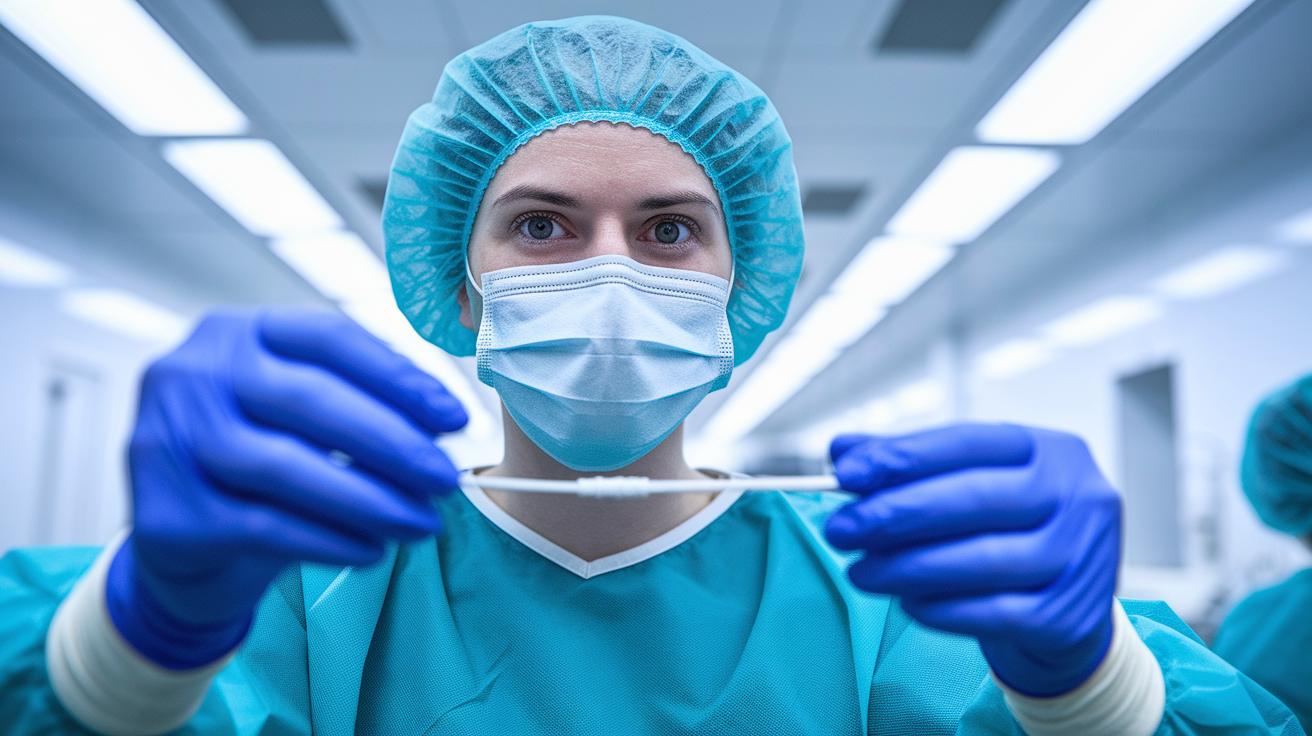
BCG immunotherapy uses a weakened form of Mycobacterium bovis that is delivered straight into your bladder with a thin tube called a catheter. Patients usually receive this treatment once a week for six weeks, and then they get extra treatments for at least a year. It works by waking up your body’s immune system right where the cancer is. Imagine a gentle infusion that trains your immune system to focus on the tumor. Some people might feel a bit under the weather, like having mild flu symptoms, or notice some discomfort in the bladder during the process.
Immune checkpoint inhibitors offer another hopeful option for more advanced urothelial cancer. These medications help give T cells, an important part of your immune system, a boost so they can spot and attack cancer cells more easily. While only about 20% of patients with metastatic disease have seen major improvements so far, these drugs play a key role when there aren’t many other choices left. This approach is a new way for doctors to target aggressive tumors.
There are also new immunotherapy drugs being studied that focus on proteins like PD-1 and PD-L1. These emerging treatments could be especially helpful for patients with non–muscle-invasive bladder cancer that hasn’t responded well to standard methods. Early research shows promise in expanding treatment choices, helping doctors tailor therapies to suit what each patient needs.
Emerging Targeted Therapies and Clinical Trials

Targeted therapies are emerging as a fresh solution for advanced bladder cancer. They work by focusing on specific changes in genes or proteins on cell surfaces. Imagine a sharpshooter aiming for the exact spot that is causing trouble in a cell. In 2023, the FDA cleared a combination treatment with enfortumab vedotin and pembrolizumab (EV/pembro), opening up new first-line options for metastatic urothelial carcinoma and offering hope to patients who couldn’t use cisplatin-based treatments.
Clinical trials are key to this progress. Researchers are testing new immunotherapies for cancers that resist treatment and are looking at simple, urine-based tests that could lessen the need for frequent cystoscopies. These studies not only examine emerging targeted drugs but also let patients be among the first to benefit from the latest breakthroughs in bladder cancer care.
If you’re thinking about clinical studies, talk with your healthcare team about possible enrollment options. Working together helps match the right treatment to your unique needs. These advancements are vital as they aim to make treatments both more effective and less invasive, all while keeping patient safety and comfort at the forefront.
Stage-Specific and Patient-Centered Treatment Planning

This section covers important details that we haven't mentioned before.
Special Considerations for Patients Aged 75 and Older
More than 40% of new cases are in patients aged 75 and older. Doctors carefully assess each person’s overall health to decide which treatment is best, rather than just focusing on age. For example, imagine a 78-year-old who is in excellent shape. Their treatment plan reflects their strength, not just their birthday number.
Integration of Palliative Care and Surveillance Strategies
Palliative care starts right at diagnosis, helping manage symptoms and support daily life. This plan includes the right treatments and regular check-ups to keep things in balance. In the beginning, surveillance cystoscopies are done every 3 to 12 months, and later they shift to annual reviews when there are no signs of the disease. Think of each follow-up as a friendly check-in that offers care and peace of mind.
Final Words
In the action, we reviewed various treatment options for bladder cancer that stress personalized care. We discussed surgery, chemotherapy, radiation, immunotherapy, and emerging targeted therapies to address tumor stage and patient needs. We explored practical steps for each treatment plan and how each choice shapes better patient outcomes.
This post brings clarity to treatment options for bladder cancer while highlighting the importance of patient-centered strategies. It's a bright reminder that effective, secure care leads to healthier futures.

