
Have you ever wondered if liver cancer patients can still have hope, even with how quickly the disease can grow? Today, we’re looking at two promising treatment options that could bring a brighter outlook to those facing this tough diagnosis. Picture a clear path emerging from a maze of choices, each method carefully designed to target cancer while helping improve quality of life. In a time when early detection can easily be missed, these treatments offer a sense of reassurance and a promise for a safer future in liver cancer care.
Comprehensive Overview of Treatment Options for Liver Cancer

Liver cancer is one of the fastest-growing and most dangerous cancers in the United States. It usually shows up without early signs, so many people only discover it when the disease has already advanced. Viruses like hepatitis B and hepatitis C can cause liver scarring, which makes cancer more likely to develop.
There are a few main ways to treat liver cancer:
- Surgery can sometimes cure early-stage cancer. This might involve removing the tumor or even getting a liver transplant if you meet specific criteria.
- Locoregional treatments focus on the tumor in the liver. Techniques such as ablation, transarterial chemoembolization (TACE), and radiotherapy work by using heat, blocking blood flow, or targeting the cancer with precise radiation.
- Systemic therapy is used when the cancer has spread. This includes chemotherapy (drugs that attack fast-growing cells), targeted treatments to block tumor signals, and immunotherapy, which helps your body fight the disease.
- Palliative care aims to relieve symptoms and improve quality of life for those with advanced cancer.
| Treatment Modality | Approach |
|---|---|
| Surgical | Resection or transplant |
| Locoregional | Ablation, TACE, radiotherapy |
| Systemic | Chemotherapy, targeted agents, immunotherapy |
Each treatment is chosen based on the cancer stage and the patient's overall health. In truth, these options are carefully tailored to help make the journey toward recovery as safe and reassuring as possible.
Determining Liver Cancer Treatment Pathways Through Diagnosis and Staging
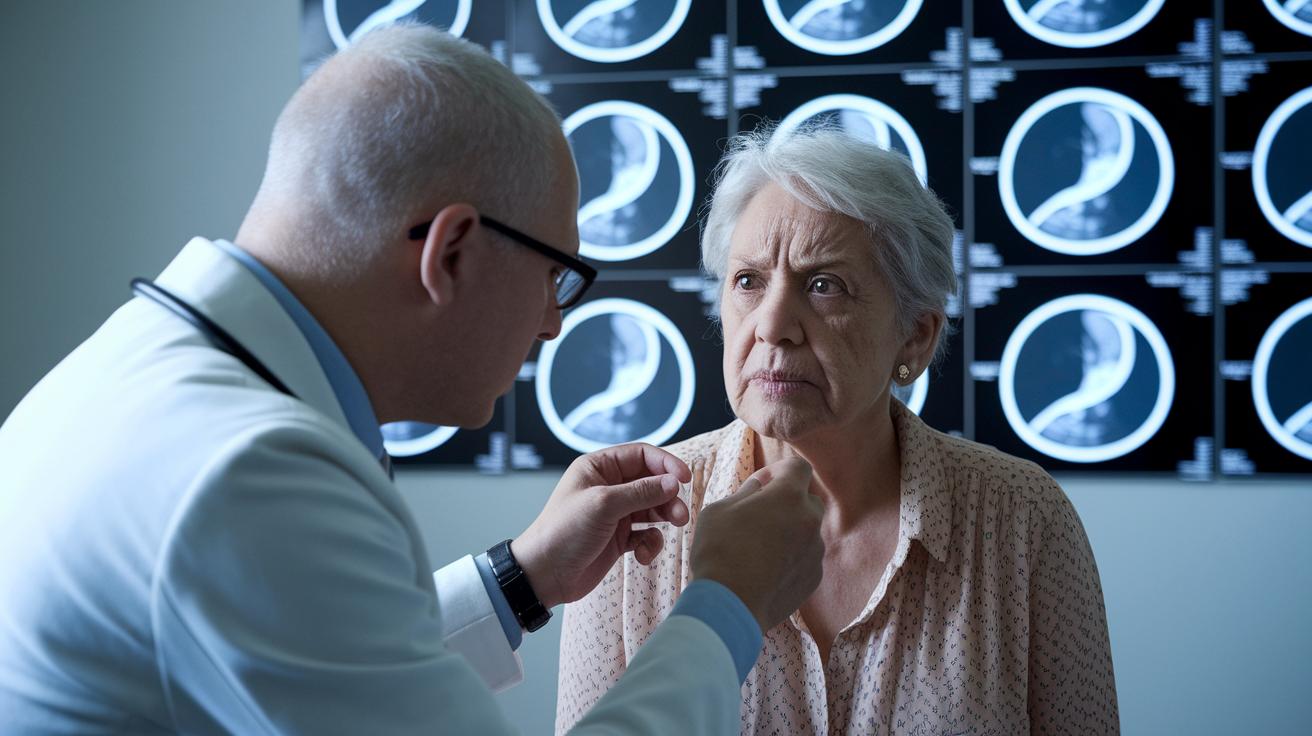
When your doctor starts checking for liver cancer, they begin with a complete physical exam and ask about your symptoms. They also order blood tests to see how well your liver is working. Think of it like a friendly check-up that gives a quick glimpse inside your body, much like a snapshot that might alert us early if something doesn't seem right.
Next, imaging tests come into play. Doctors use CT scans, MRIs, and bone scans to find the tumor, measure its size, and determine if it has spread. These tests work like a high-quality camera capturing clear images of your liver, helping the team plan the best approach to care.
After that, a percutaneous liver biopsy is done. This means a thin needle is carefully used to take a tiny piece of liver tissue. The sample helps doctors confirm the type and grade of the tumor. All the details they gather are then reviewed using the Barcelona Clinic Liver Cancer (BCLC) system. This trusted tool looks at the tumor size, how well your liver functions, and your overall health to tailor the best treatment path just for you.
Surgical Resection and Transplantation in Liver Cancer Care

Surgical resection is a curative choice for early-stage liver cancer when there is enough healthy liver left. It works by directly removing the tumor, much like a gardener carefully snips off a damaged branch so the plant can grow strong and healthy.
Liver transplants offer another way to improve long-term survival. To be eligible, patients must meet strict rules, such as the Milan criteria, which ensure the tumor is controlled and the liver still works well. Both living and deceased donors can provide a match, much like two puzzle pieces fitting together perfectly.
Before a transplant, doctors may use bridging treatments to slow the tumor’s growth during the waiting period. Techniques like ablation and transarterial chemoembolization (TACE, a method that cuts off the tumor’s blood supply) work like a temporary guardian, keeping the cancer under control until the transplant can be done.
Choosing the right treatment is very important. Doctors look at a patient’s overall health, liver function, and the tumor’s details when deciding on the best approach. Sometimes, a patient with a small tumor is a good candidate for resection, while another with more widespread disease might benefit more from a transplant along with extra treatments.
Every treatment plan is made just for the patient, offering care that is both clear and reassuring, tailored perfectly to meet their needs.
Locoregional Interventions for Liver Cancer: Ablation, Embolization, and Radiotherapy
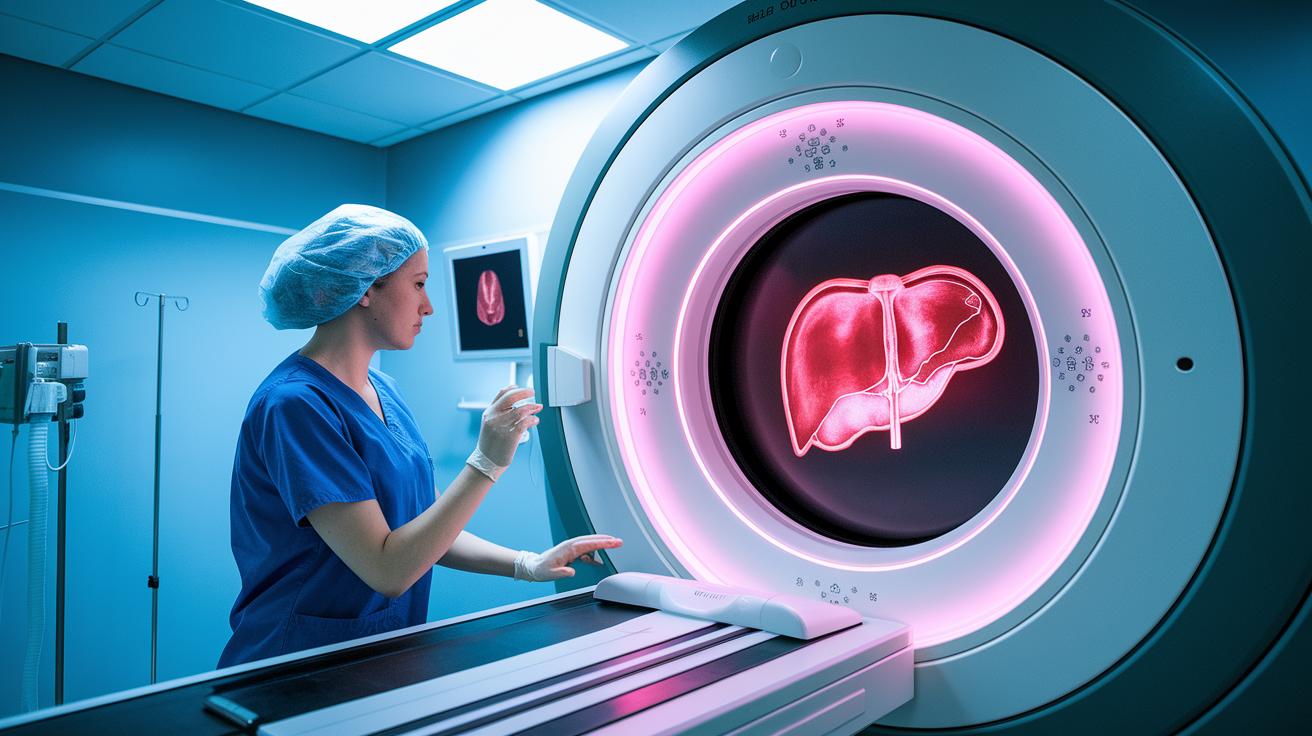
When liver cancer needs treatment, doctors often use special methods that target the tumor while protecting the rest of the liver. Two common techniques are radiofrequency ablation and microwave ablation. These methods use heat to destroy small tumors, usually less than 3 centimeters. Imagine a tiny burst of well-controlled heat that carefully melts away a tumor, much like an artist removes a small blemish from a painting.
Another helpful treatment is transarterial chemoembolization (TACE). In this procedure, chemotherapy is delivered straight into the artery that feeds the tumor, and then materials are used to block off the blood flow. Think of it as building a dam to stop a stream from reaching a vulnerable area, cutting off the tumor’s supply of life-giving nutrients.
There’s also external beam radiotherapy, which uses high-energy beams like X-rays or protons. The beams focus carefully on the tumor, reducing harm to the healthy parts of the liver. A refined version called stereotactic body radiotherapy gives high doses of radiation in just a few sessions, almost like a spotlight shining directly on a stage actor while leaving the rest of the stage in shadow.
These minimally invasive techniques are perfect for patients who might not be good candidates for surgery due to their overall health or the tumor’s location. They offer quicker recovery times and precise treatment. Doctors often include these methods in a bigger treatment plan to help slow down or stop the tumor’s growth.
Systemic Therapies in Liver Cancer: Chemotherapy, Targeted Agents, and Immunotherapy
Chemotherapy for liver cancer uses medicine that attacks cells which multiply quickly. It can be given through an IV or taken as a pill. Think of it like a careful cleaning tool that removes unwanted cells. Many patients see their tumor shrink after just a few rounds. Still, doctors keep a close eye on liver function and adjust the dose since the treatment might affect healthy cells.
Targeted treatments focus on the specific signals that help cancer grow. Medicines like sorafenib and lenvatinib block these signals, much like turning off a switch that powers a fire. This method usually targets cancer cells more precisely by looking at markers in the tumor and how well the liver is working.
Immunotherapy, including checkpoint inhibitors, helps wake up your own immune system to fight cancer. It works like a gentle wake-up call, encouraging your body to recognize and attack hidden cancer cells. The choice of immunotherapy depends on the tumor environment and any earlier treatments that might have prepared your immune response.
Each option, whether it’s chemotherapy, targeted drugs, or immunotherapy, is chosen based on the tumor's traits, your liver's health, and your treatment history. This personalized approach makes sure you get care that is both supportive and focused on keeping your health secure.
Cutting-edge and Experimental Liver Cancer Treatments

Clinical trials help us explore new ways to treat liver cancer. Researchers are busy testing fresh drugs, vaccines, and cell therapies that may improve survival. Picture a study where a new vaccine boosts the body’s natural defenses, like a spark of hope when a patient notices a quick improvement. This shows the real benefits these trials can offer.
Doctors are also making great strides with advanced liver treatments. For example, a recent update on the hepatic artery infusion pump for colorectal metastases was shared on November 1, 2024. This method sends medicine straight into the liver, targeting tumors where they are hard to treat. It’s a lot like replacing a worn-out part in a machine to help it run smoothly again.
Genomic profiling is playing a big role in tailoring treatments. By studying the genetic makeup of liver tumors, experts can choose new liver cancer drugs that hit cancer cells precisely. Think of it as fitting a suit made just for you, every measurement is just right.
Leading GI surgery centers from 2024 to 2025 are mixing these new liver treatments with traditional methods. They work like a close-knit team, with everyone contributing to a detailed plan. This way, each patient gets care that feels both innovative and perfectly suited to their needs.
Palliative and Supportive Care in Advanced Liver Cancer

In advanced liver cancer, palliative care is all about easing pain, reducing fatigue, and offering kind emotional support. It helps patients feel more at peace as they work through both physical challenges and complex emotions. Imagine a caring nurse saying, "Think of a moment when a gentle touch soothes your pain and gives you a break in a tough day." This kind of care not only makes everyday life a little brighter but can also help improve overall quality of life.
Supportive care goes hand in hand with palliative care. It includes guidance on nutrition, careful control of symptoms, and personalized counseling meant to boost spirits. Picture a chef artfully blending just the right flavors to create the perfect dish, that’s how tailored nutritional advice can feel. Doctors, nurses, nutrition experts, and counselors work together to craft a care plan that supports both your body and your emotions.
Support groups and online communities also play a big role by offering a friendly space to share experiences. It’s a bit like neighbors coming together to support one another during hard times. This balanced approach helps make life a little more manageable, wrapping both your mind and body in a sense of care and comfort.
Final Words
In the action, our discussion touched on every step, from the comprehensive overview of liver cancer therapies to cutting-edge treatments and supportive care. We looked at how diagnosis and staging guide choices, how surgery and locoregional methods offer hope, and how systemic therapies work alongside emerging options.
Each part reinforces how treatment options for liver cancer can improve care. It’s uplifting to see so many paths leading to better outcomes and more secure, informed health practices.
FAQ
What is the latest and best treatment for liver cancer?
The latest and best treatment for liver cancer depends on the stage and overall health. Options include surgery, locoregional therapies, and new systemic treatments like targeted drugs and immunotherapy.
How successful are liver cancer treatments?
Liver cancer treatment success rates vary with stage and treatment type. Early-stage treatments like surgery or transplant can achieve long survival, while advanced stages tend to have lower success.
What are the symptoms of liver cancer?
Liver cancer symptoms often include unexplained weight loss, loss of appetite, abdominal pain, fatigue, and yellowing of the skin and eyes, making early detection crucial.
What new liver cancer drugs are available?
New liver cancer drugs include advanced targeted agents and immunotherapies that work to slow tumor growth while tailoring treatment to individual tumor characteristics.
How can liver cancer be detected early?
Early detection of liver cancer relies on regular check-ups, liver function tests, and imaging scans, particularly for those at high risk due to chronic liver conditions.
How does age affect liver cancer survival rates?
Liver cancer survival rates can vary with age, as younger patients often respond better to treatment. However, early detection and appropriate therapies can boost outcomes for all ages.
What is the life expectancy of a person with liver cancer?
Life expectancy for liver cancer patients depends largely on the cancer stage and overall health. Early-stage detection typically leads to longer survival, while advanced stages may have shorter outlooks.
What are the odds of beating liver cancer?
The odds of beating liver cancer largely depend on early detection, prompt treatment, and individual health factors. Many patients achieve extended survival when these factors align.
Can liver cancer go into remission?
Liver cancer can go into remission, especially if caught early and treated with effective therapies like surgery, transplant, or a combination of systemic and locoregional options.

