
Did you know that prostate cancer treatments come in many different forms? Doctors keep an eye on the disease, much like you check the weather, to decide what the best plan might be. Sometimes, simply watching the cancer is enough. Other times, surgery or different therapies might be needed.
In this post, we share a variety of treatment options and help explain the choices so you can feel more secure in making the best decision for yourself. We hope these strategies bring a sense of hope and clarity to those dealing with prostate cancer.
Overview of Prostate Cancer Treatment Strategies
When it comes to prostate cancer, the treatment plan usually depends on the stage of the disease. For men with cancer that is still in the prostate, the condition tends to move slowly. Many choose to keep an eye on it with routine tests, like PSA tests (which check a protein level in your blood), digital rectal exams, and sometimes a biopsy. Think of it like checking the weather every day; it gives you a steady, familiar update.
For those with cancer confined to the prostate, doctors mix careful monitoring with treatment when needed. They consider factors like the Gleason score (a measure of how aggressive the cancer is) to decide whether to start treatment immediately or continue watching closely. A patient might say, "I followed my doctor's advice, and we set up a plan that suits what’s happening with my health right now."
If the cancer has grown just beyond the prostate, treatment usually becomes more involved. In these cases, it’s common for doctors and patients to have clear, honest discussions about the risks and benefits before picking a treatment. They look at details such as how the tumor appears and the patient’s overall health, almost like tweaking the settings on your favorite appliance for the best results.
For advanced or metastatic prostate cancer, where the disease spreads to other parts of the body, the focus shifts more toward managing symptoms like bone pain. Treatments might combine several methods, and adjustments are often needed if the cancer stops responding to initial drugs. Throughout this process, doctors and patients have ongoing, honest conversations to make sure every part of the plan fits both the health goals and the side effects, aiming to keep life as comfortable as possible.
Surgical Treatment Options for Prostate Cancer
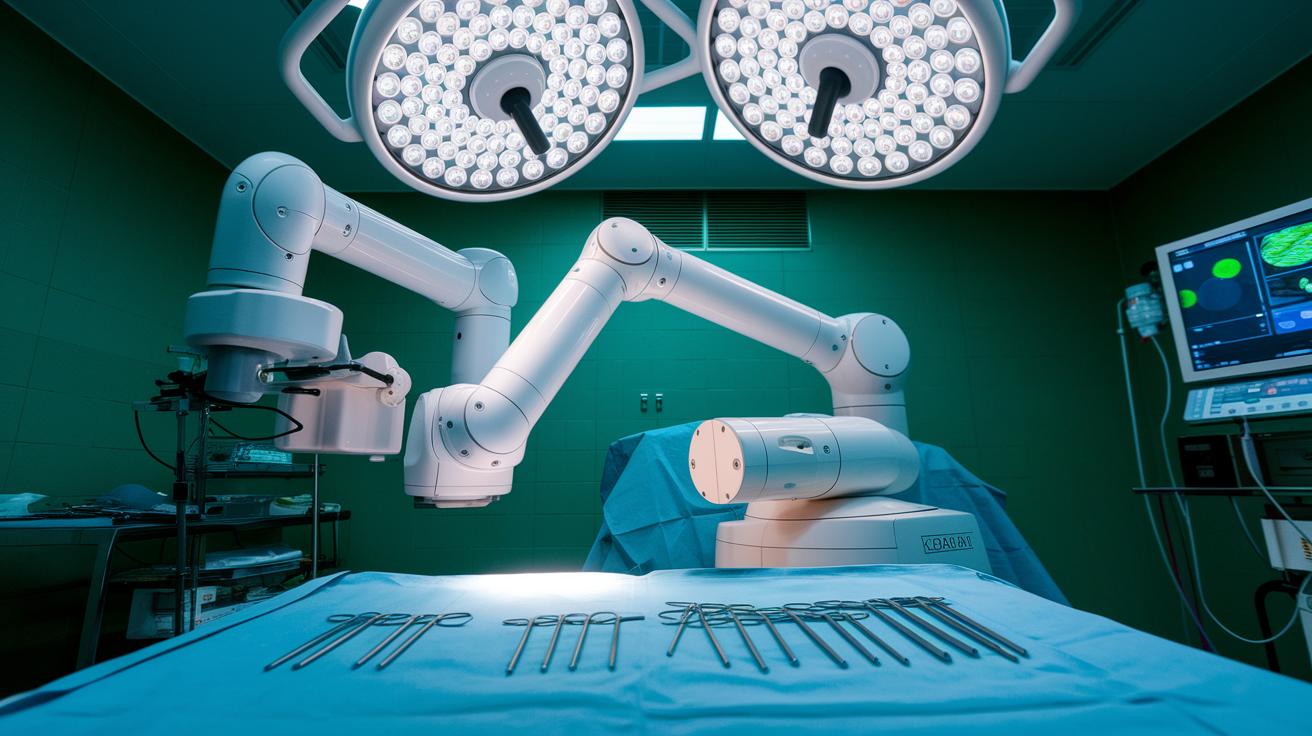
Radical prostatectomy is often the first choice when the cancer stays within the prostate. In this surgery, doctors remove the entire prostate along with a bit of the nearby tissue, and sometimes even the pelvic lymph nodes. It’s a bit like cleaning out your closet to make room for something new.
There are several ways to do the surgery. With open surgery, the doctor makes one larger cut. Laparoscopic surgery uses a few small cuts with a tiny camera to guide the instruments. And then there’s robotic-assisted surgery, which takes the small-cut approach further. Here, a robot helps reduce blood loss and sometimes lets patients leave the hospital sooner. One patient even said it felt like having a skilled mechanic fine-tune every detail.
Another option is nerve-sparing surgery. In this approach, the doctor works carefully to keep the nerves that control things like erections and bladder control intact. Whether this method can be used depends on exactly where the tumor is located. It’s similar to choosing a repair that keeps your car’s comfort features working perfectly.
When cancer comes back after radiation, doctors might suggest a salvage prostatectomy. This surgery carries higher risks, but it can be a good choice if other treatments haven’t worked well. In these cases, patients and surgeons talk carefully about the benefits and risks to make the best decision together.
Radiation Therapy Approaches in Prostate Cancer
External beam radiation therapy (EBRT) uses high-energy X-rays over about five weeks, usually five days in a row. It works like a steady routine where each day, you receive a precise dose that targets and kills cancer cells. Every session feels like a small victory as the treatment chips away at the tumor bit by bit.
Proton beam therapy, on the other hand, uses charged particles that release most of their energy right inside the tumor. This helps protect the healthy tissue nearby. Think of it as using a well-aimed laser pointer that mostly lights up only the target area. It works well for early cases and sometimes even for metastatic ones, though if you have a hip replacement or a pacemaker, other options might be better suited for you.
Brachytherapy seed implants involve putting tiny radioactive seeds straight into the prostate. This method is often chosen for low- to intermediate-risk tumors because it gives a constant, local dose of radiation. Imagine planting little bulbs in a garden, where each one slowly grows to help keep unwanted growth in check.
CyberKnife stereotactic radiation is another modern choice that delivers higher doses in fewer sessions. It works with pinpoint accuracy, much like throwing a sharp dart that hits the bullseye, which means nearby organs like the bladder and rectum get less exposure.
Doctors carefully adjust the radiation dose to get the best tumor control while keeping side effects to a minimum. In the end, the best approach depends on the tumor’s location, your overall health, and what treatments are available locally.
Hormone and Systemic Therapies for Prostate Cancer

Androgen deprivation therapy (ADT) is a main treatment for advanced prostate cancer. It works by lowering testosterone, a hormone that helps cancer cells grow, either through surgery or by taking medications like LHRH agonists and antagonists. Think of it as turning down the volume on the fuel that powers cancer. One patient even said, "It felt like the treatment gently eased me into a better-controlled pace."
Anti-androgens such as enzalutamide act like a jammed lock, stopping testosterone from triggering cancer growth. Over time, however, the cancer might find a way around this, so doctors keep a close watch to see how well the medicine is working.
When cancer spreads beyond the prostate, chemotherapy options like docetaxel and cabazitaxel often come into play. These drugs are usually paired with ADT and work together like a well-coordinated team to shrink tumors and ease symptoms. One patient likened it to, "a double strategy where one treatment supports the other, making the attack on cancer much stronger."
Radiopharmaceuticals like radium-223 target cancer that has moved into the bones by delivering alpha particles directly to the affected spots. This precise method helps relieve pain and lowers the risk of fractures, much like a tool that zeroes in on the problem areas.
Sometimes, doctors combine two or more of these treatments at once. They manage this mix carefully to get the best results while keeping side effects to a minimum, almost like finding the right balance on a tightrope.
Throughout the process, patients and doctors work side by side, weighing the benefits of each option based on overall health, cancer stage, and individual response. A doctor might explain, "We’re starting with ADT and will consider adding chemotherapy if needed," which helps make the treatment plan clear and reassuring.
Minimally Invasive and Ablative Techniques in Prostate Cancer
Cryotherapy uses small probes inserted through the perineum to carefully freeze prostate tissue. It’s often chosen for early-stage cancers. The process works like a controlled freeze, kind of like your freezer keeping food fresh, but there is a slight risk of hurting the urethra or nearby nerves. One patient even shared that it felt like watching a soft winter settle in, with care needed every step of the way.
High-intensity focused ultrasound, or HIFU, uses powerful sound waves to target and destroy cancer cells. It’s much like using a spotlight that shines only on the area that needs treatment, which helps keep the healthy tissue safe. This precise focus can also lower the risks of problems with incontinence or erections.
Laser ablation turns on thermal energy through optical fibers to treat specific areas of the prostate. Imagine a skilled craftsman carving delicate details with a fine tool, that’s how precise this method is. It’s a great option for men who want to treat a particular spot while keeping nearby tissue unharmed.
NanoKnife electroporation works by giving short bursts of electrical pulses to open tiny pores in cancer cell membranes. Think of it like gently opening a small door to let the treatment in, which helps take out the cancer cells while leaving most of the surrounding tissue intact.
Focal ablation concentrates just on the tumor instead of the whole gland. This targeted method can limit side effects compared to treating the entire prostate. Doctors choose this method based on the tumor’s size, where it is, and the overall health of the patient.
Each of these minimally invasive options offers a unique mix of benefits and slight risks. By working together, doctors and patients can choose the best treatment plan that fits both the body’s needs and the peace of mind of the individual.
Emerging and Investigational Therapies for Prostate Cancer

Researchers are exploring fresh ways to treat prostate cancer that could truly change how we fight this disease. One promising method is sipuleucel-T. This FDA-approved immunotherapy teaches your immune system to spot and attack cancer cells, almost like training a security guard in your body. One patient shared, "It felt like my body was finally getting the instruction it needed to combat the cancer."
Another exciting area is the study of PARP inhibitors like olaparib. These medicines stop cancer cells from fixing their own DNA problems, leaving them more open to attack. Alongside these, clinical trials are testing new drugs like kinase inhibitors, checkpoint inhibitors, and even some creative vaccine treatments. Patients in these studies benefit from very careful monitoring and access to innovative care that isn’t widely available yet.
On top of that, tools like genomic profiling and biomarker-guided selection are paving the way for personalized treatments. By matching therapies to a patient’s unique tumor details, doctors can offer options that work better and cause fewer side effects. Signing up for a clinical trial gives patients a chance to try the latest treatments while also helping shape the future of prostate cancer care.
Managing Side Effects and Quality of Life After Prostate Cancer Treatment
Many people undergoing prostate cancer treatment may deal with issues like not fully controlling their urine or experiencing erectile concerns. Simple pelvic floor exercises or using certain medical devices can often help restore better bladder control. One patient shared, "I followed a simple routine, and slowly, my confidence returned in the bathroom."
Hormone treatments might bring along side effects such as sudden hot flashes, feeling really tired, or even bone thinning. Your doctor might recommend small lifestyle changes or medications that help keep your bones strong. Think of it like tuning a musical instrument, making sure every part of your body is in tune. A patient mentioned, "I adjusted my daily routine and even enjoyed brief walks in the park to ease my fatigue."
Getting help after surgery is key. Many recovery plans include special exercise routines and counseling sessions focused on sexual and emotional well-being. These approaches help balance physical healing with emotional care. One patient remarked, "It’s reassuring to know that recovery isn’t just about the physical, but that my emotional and sexual health matter too."
To support your journey, consider a care plan that includes regular check-ins, monitoring, and tools to track your symptoms. For example, you might:
- Check in regularly with your healthcare team
- Practice pelvic floor exercises and strength-building routines
- Schedule sessions with a counselor or join a support group
By carefully managing hormone treatment side effects, following guided recovery steps after surgery, and using ongoing support, you can work toward a brighter future. Think of survivorship care planning as a personal roadmap that helps you balance physical healing with a fulfilling everyday life.
Final Words
In the action, we explored a range of treatment options for prostate cancer. We discussed methods like active surveillance, various surgical techniques, and advanced radiation therapies. We also looked at hormone and systemic treatments, minimally invasive procedures, and investigational therapies. Our overview showed how these treatment options for prostate cancer can be tailored to each stage and how side-effect management helps improve quality of life. Every step brings us closer to better patient care and a brighter future in healthcare.
FAQ
What is the best treatment for prostate cancer in early stages and the most effective option?
The best treatment depends on the stage and patient health. Early-stage options often include active surveillance, surgery, or radiation, with the choice guided by individual cancer details.
What are the 4 stages of prostate cancer?
The four stages include localized, locally advanced, advanced, and metastatic prostate cancer. Each stage marks a progression from confinement within the prostate to spread outside it.
What are common prostate cancer symptoms?
Prostate cancer symptoms can include frequent urination, weak flow, discomfort, and sometimes pain or blood in the urine. Early stages may show few noticeable signs.
What does prostate cancer surgery involve?
Prostate cancer surgery typically involves a radical prostatectomy that removes the prostate and surrounding tissues. It can be done through open, laparoscopic, or robotic-assisted methods to help preserve function.
What is the life expectancy of someone with prostate cancer?
Life expectancy varies by cancer stage, treatment, and overall health. Many with early-stage prostate cancer may live 10 to 20 years or more with appropriate care.
How long does it take for prostate cancer to metastasize?
The time for prostate cancer to spread differs based on tumor aggressiveness. Some cancers progress slowly over many years, while others may spread at a faster rate.
Can PSA levels go down without treatment in prostate cancer?
PSA levels can fluctuate in untreated prostate cancer, but a consistent decline is rare. Regular monitoring is crucial to manage any changes effectively.

