
Have you ever wondered why some smiles stay bright and free from pain? Taking care of your teeth every day is like giving them a regular checkup. A gentle cleaning and a little fluoride work together as a shield against cavities and gum issues. Instead of waiting for problems to arise, regular care helps keep your smile healthy and strong so you can feel confident at any age.
Understanding Preventive Dental Care: Smile with Confidence
Preventive dental care helps remove plaque and harmful bacteria to keep future tooth problems at bay. It usually means regular cleanings along with a fluoride treatment, a simple coat that protects your smile. Think of it like taking your car in for routine maintenance; a little care now can prevent big issues down the line.
It’s not just about fixing problems after they start; it's about stopping them before they have a chance to show up. By keeping up with these regular check-ups, you can avoid many emergencies and enjoy a confident, healthy smile every day. This care is very important for children too. Early visits and treatments, like the protective fluoride rinse, make the shift from baby teeth to permanent teeth smoother while keeping those pesky cavities away.
Essential At-Home Oral Hygiene Practices for Prevention
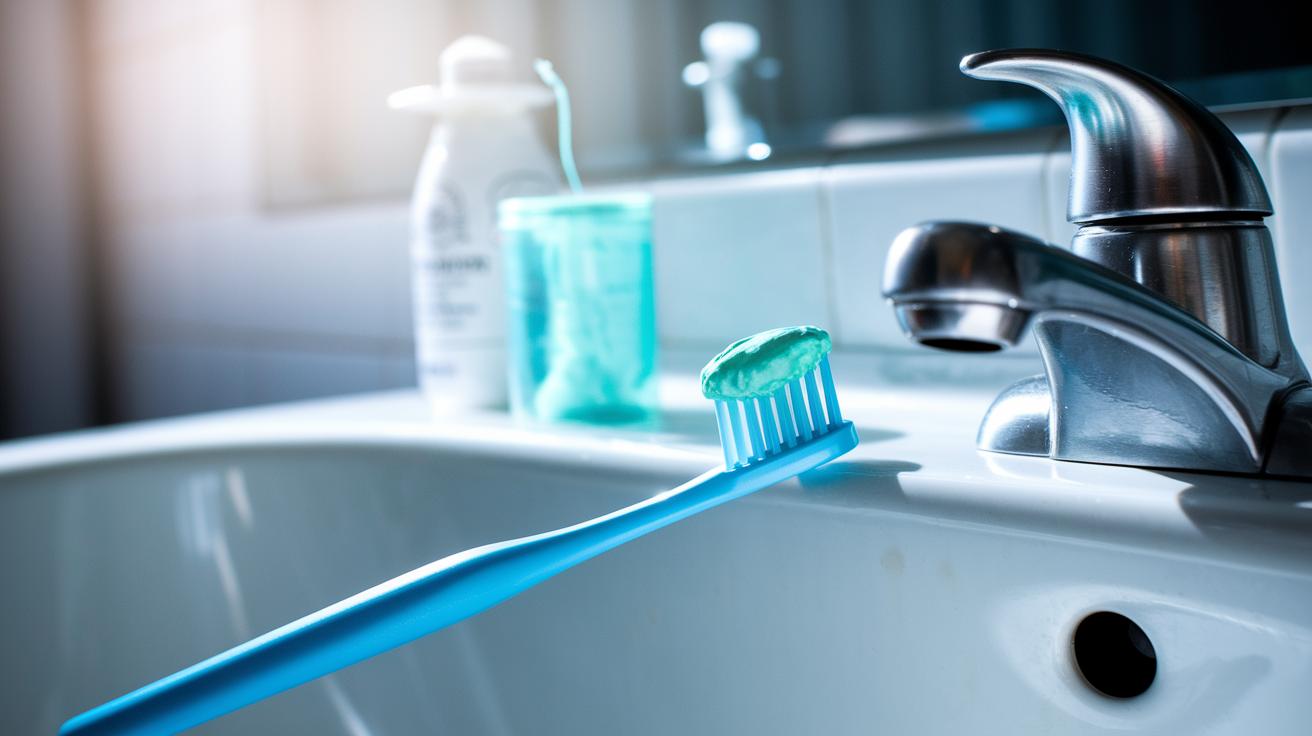
Brushing your teeth twice a day is the heart of keeping your smile bright. It wipes away plaque and germs that can eventually cause cavities and gum problems. Imagine the fresh burst of mint when you brush in the morning and the soothing clean feel at night, it’s like a small daily pledge for a healthier mouth. Did you know brushing twice a day can really cut down your risk of cavities? It’s a little step that makes a big difference.
Flossing every day is just as important as brushing. It slips into those tight spaces between your teeth where food bits and bacteria like to hide, much like cleaning out nooks that could spoil the whole picture. Think of it as giving your teeth a gentle massage. When you floss, you help keep those hard-to-reach spots clean and fresh, which in turn protects your gums and can even help you avoid more visits to the dentist.
Sticking with these simple habits also supports your regular dental check-ups. When you brush and floss daily, you lay a strong foundation between your dentist visits, often scheduled once or twice a year. By taking care of your teeth at home, your dentist sees a smile that’s well looked after, and you’re more likely to catch any problems early. It’s a team effort between you and your dental care, all working together to keep your smile healthy and shiny.
Routine Professional Preventive Dental Procedures
Regular exams and cleanings form the heart of your check-ups. Your dentist takes a close look at your teeth for any early signs of decay or gum issues while gently cleaning off plaque and tartar. This careful attention not only brightens your smile but also stops small problems before they grow into bigger ones.
Fluoride treatments are another key part of keeping your teeth healthy. A dentist applies a mild fluoride solution to your teeth, which helps strengthen the enamel so it stays more resistant to decay. It’s a quick treatment that feels like a gentle rinse but gives a powerful boost to your natural defenses. This extra protection is especially useful if you’ve had dental issues before and want to keep cavities at bay.
Early detection is one of the best benefits of routine dental visits. By checking your teeth regularly, your dentist can catch tiny signs of cavities or gum irritation before they turn into serious concerns. This proactive care means you can take care of minor issues with less discomfort and avoid more invasive treatments later on. In short, regular visits build a strong foundation for a healthy, happy smile.
Key Benefits of Routine Preventive Dental Care

Recent studies show that regular dental care does more than keep your smile sparkling, it also cuts down on emergency visits by about 30%. Experts remind us that these check-ups form the backbone of long-term oral health. One local patient even shared that by sticking with a scheduled routine, they saved nearly 25% on dental repairs! It’s pretty amazing how a simple habit can really make a difference.
- Plaque reduction: Regular cleanings lower buildup, which helps dodge cavities.
- Cost savings: Routine visits mean fewer expensive dental fixes.
- Preservation of natural teeth: Ongoing check-ups protect your own teeth from needing big repairs.
- Early issue detection: Small concerns are found and treated before they grow.
- Enhanced oral health: Keeping a steady cleaning schedule supports a healthy mouth every day.
All these points, along with personal success stories, remind us that keeping your dental appointments isn’t just routine, it’s a smart move for lasting wellness.
Practical Tips to Maintain Preventive Dental Care
Pick ADA-approved brushing and flossing tools that experts recommend. Choose ones that feel comfortable in your hand, imagine holding a toothbrush that gently guides your daily care. High-quality tools can make your routine stronger.
Brush your teeth twice a day and floss once daily. Think of your morning brush as a burst of freshness to start your day, and your evening routine as a gentle wind-down to end it. Also, remember to visit your dentist twice a year to keep plaque away and your gums happy.
If your dentist suggests extra measures, such as a fluoride rinse (a light protective layer for your teeth), be sure to follow their advice. It’s like having a little raincoat for your smile on a cool day.
Final Words
In the action, we explored how preventive dental care removes plaque and harmful bacteria through regular cleanings, proper brushing and flossing, and professional exams. We discussed the small daily habits that add up to strong, healthy teeth while also emphasizing the value of routine checkups and fluoride treatments. Practice what is preventive dental care by following these straightforward steps, and you’ll build a secure path toward improved oral health. Keep smiling and stay proactive in your care!
FAQ
What is preventive dental care insurance?
Preventive dental care insurance provides coverage for routine services like cleanings, exams, and fluoride treatments. It supports early detection of issues, which helps keep future dental costs lower.
Why is preventive dental care important?
Preventive dental care is important because it helps remove plaque and bacteria, catches dental issues early, and keeps your smile healthy. It often saves money and reduces the need for more extensive treatments later on.
What is the cost of preventive dental care?
The cost of preventive dental care varies by provider and plan. Routine checkups and cleanings are generally affordable and often covered by insurance, making them a cost-effective approach to maintaining oral health.
What is basic dental care?
Basic dental care includes routine treatments such as exams, cleanings, and preventive measures. These procedures help maintain healthy teeth and gums by preventing decay and gum disease.
What is the difference between preventive and comprehensive dental insurance?
Preventive dental insurance focuses on routine checkups and cleanings, while comprehensive dental insurance covers a broader range of treatments, including restorative procedures. They are designed to meet different oral health needs.
Are fillings part of preventive care?
Fillings are not part of preventive care. Instead of preventing issues, fillings fix decay or damage to teeth. Preventive care focuses on stopping problems before they need repair.
What is restorative dental care?
Restorative dental care repairs damaged or decayed teeth. Treatments such as fillings, crowns, and implants are used to restore tooth function and maintain a healthy, complete smile.
What does Delta Dental offer in preventive care?
Delta Dental preventive care includes services like routine exams, cleanings, and fluoride treatments. These services are aimed at stopping dental issues early and promoting long-term oral health.
What is a preventive care dental program or treatment?
A preventive care dental program sets up a schedule of routine exams, cleanings, and treatments designed to ward off dental issues before they start. It emphasizes early detection and maintaining solid oral health.
What is covered under preventive care?
Preventive care typically covers routine dental checkups, cleanings, fluoride treatments, and sometimes sealants. These services help reduce plaque buildup and detect early signs of dental problems.

