
Have you ever wondered if a simple smartwatch could really be a lifesaver? Smart devices are changing how we watch our health, turning everyday gadgets into caring helpers. Imagine a watch that not only tracks your heart but also sends a quick alert to your doctor if something seems off. It feels like having a good friend looking out for you. This mix of real-time information and smart checks can give you quicker, more personal care that might change how we handle both emergencies and ongoing health issues.
Integrating Wearable Technology in Medical Informatics: Key Applications & Benefits
Wearable technology in medical informatics is changing how we collect and use health data. Smart devices like fitness bands and smartwatches now track things like heart signals and sleep patterns in real time. Imagine a device that keeps an eye on your heart rate and gives you a quick alert if something seems off, just like a caring friend watching out for you.
These gadgets work as mobile helpers that send your vital signs straight to healthcare providers. This makes checking on patients from afar faster and more precise. Real-time analysis lets doctors spot early warning signs, act quickly during emergencies, and adjust treatments based on the latest information. When wearable data teams up with telehealth services, it creates a steady flow of information that makes diagnosing and managing chronic illnesses much easier.
The benefits are impressive. They include catching issues early, fine-tuning care to fit your needs, and giving doctors better access to your health records. As wearable technology advances, from basic tracking to smart, AI-powered predictions, it keeps improving patient outcomes. With market revenue expected to hit $69.2 billion by 2028, these personal devices help us stay proactive and support care decisions based on real, up-to-the-minute data.
Sensor Platforms in Wearable Technology for Medical Informatics
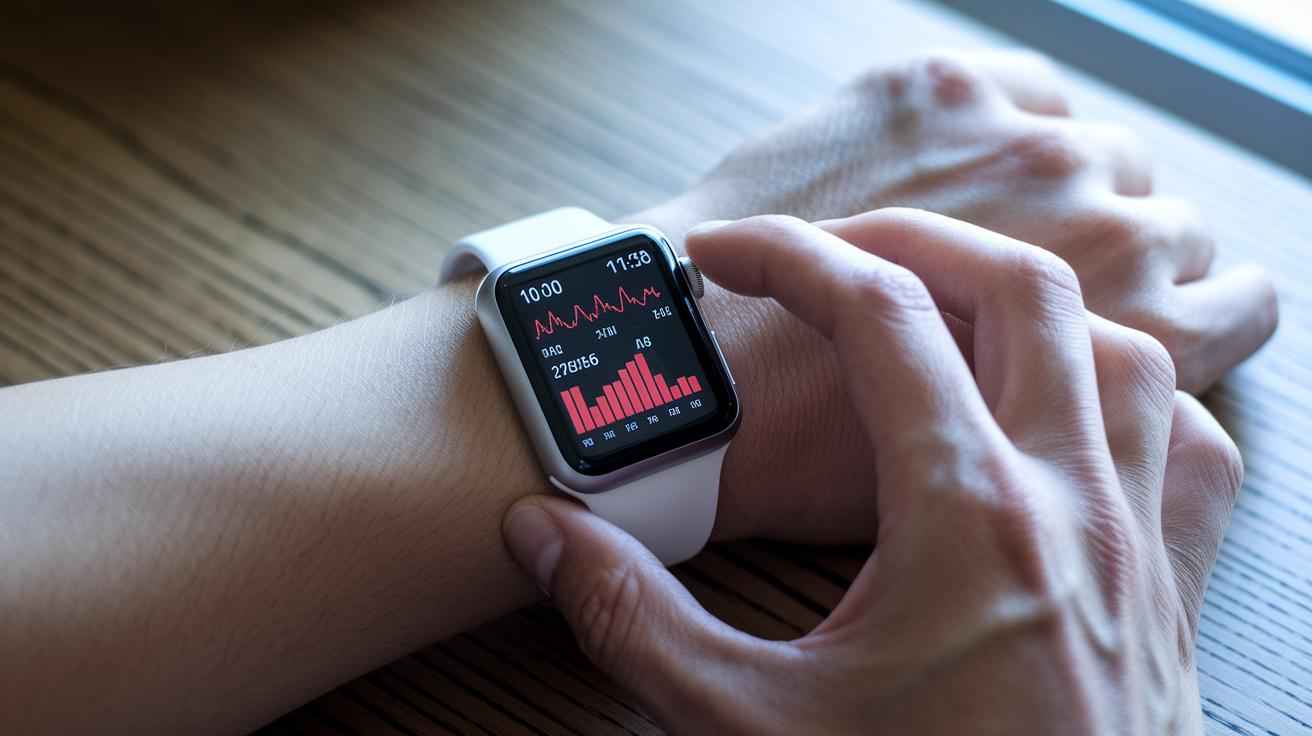
Wearable sensor platforms are at the heart of today’s health tracking. They range from simple fitness bands to smartwatches used in hospitals. These devices gather important body signals with sensors like accelerometers, optical heart-rate monitors, and even GPS. In real-time, they help doctors and patients by providing clear, up-to-date information for care decisions. For instance, health projects are now mixing basic sensors with more advanced ones found in ECG monitors and smart patches, making health tracking smart and simple.
| Device Name | Sensor Type | Clinical Application |
|---|---|---|
| FitTrack Pro | Accelerometer, Gyroscope, Optical Heart-Rate Sensor | General fitness and activity tracking |
| MediWatch | Touchscreen, Medical-Grade ECG Sensor | Heart monitoring and arrhythmia detection |
| HealthPatch | ECG, Temperature, Pulse Oximetry Sensors | Ongoing patient monitoring in hospitals |
| Libre Glucose Monitor | Glucose Sensor | Continuous tracking of blood sugar levels |
| Omron HeartGuide | Cardiac Monitor with Embedded Sensors | Blood pressure and heart function analysis |
When choosing a wearable sensor platform, comfort for long wear is key. A long battery life helps so devices can work all day, and data accuracy means every signal counts. These factors combine to give both patients and clinicians reliable information in a way that feels natural and secure.
Analytics & Real-Time Monitoring in Wearable Tech for Medical Informatics
Today's wearable gadgets use smart onboard algorithms that quickly turn raw data into useful health insights the moment they're captured. They keep an eye on your heart rate, blood pressure, and daily activity all the time. For example, if your device notices an irregular heartbeat, it promptly sends an alert so you or your doctor can take a closer look. Think of it as a friendly assistant that spots unusual patterns, like noticing a small drop in blood sugar before you even feel any symptoms, warning you about a possible low blood sugar event.
These devices process your biological signals in real time. Sensors pick up your data, process it in milliseconds, and flag any irregularities without delay. They even use machine learning for health checks, which means they tailor the feedback they give based on your ongoing data. This means doctors get helpful, decision-ready information that supports faster research and better treatment plans.
This smart, algorithm-driven monitoring system makes sure that every abnormal pattern is noticed, studied, and addressed right away, creating a safer, personalized care experience. It’s one of the many ways technology is helping make precision medicine a big part of how we take care of our health.
EHR and IoMT Integration with Wearable Technology in Medical Informatics
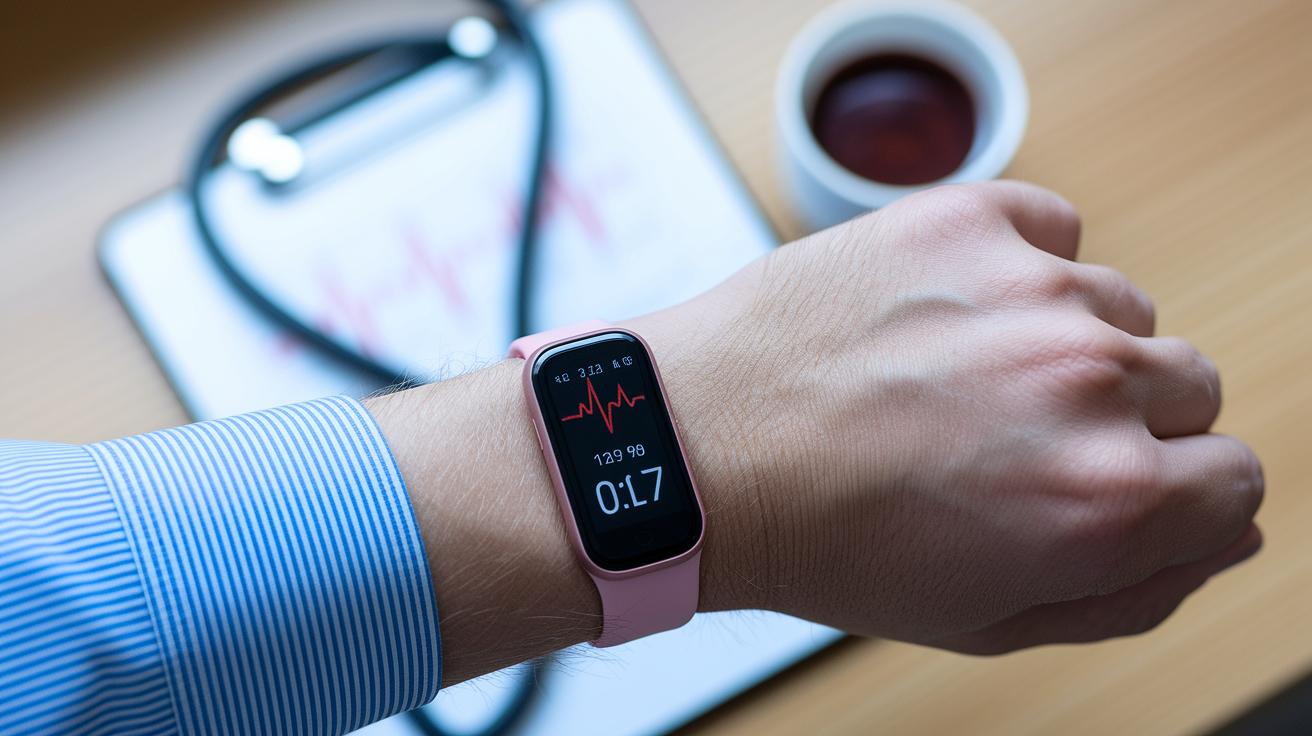
Imagine a wearable device that keeps track of your health in real time, like your heart rate or blood pressure. These devices send data straight to your health records using rules called HL7 FHIR (which help different systems talk to each other) or other special connections. This means your doctor can see a full picture of your health, including lab tests and imaging results, while mobile apps and cloud services gather everything for smooth telehealth visits.
It’s important to make sure all this data looks the same, even if it comes from different devices. A strong middle system turns all the varied signals into a common language, so your important health info is clear and reliable. When these data streams meet in one dashboard, clinicians get a complete view of your health that helps them act quickly and with confidence.
For these care systems to work well together, every piece must follow strict rules for sharing health info. Every part of the digital setup needs to connect without losing or repeating data. For more on how digital health tech brings these pieces together, check out digital health tech. This careful link between devices and records turns raw signals into useful insights that empower care teams to make fast, well-informed decisions, all while keeping your data safe and secure.
Regulatory and Security Standards for Wearable Technology in Medical Informatics
Wearable devices that manage patient health information must follow strict cybersecurity and government rules to keep data safe. Whether a device tracks your heart rate or other vital signs, it needs to meet guidelines set by HIPAA (healthcare privacy rules) and the FDA’s standards for Software as a Medical Device, known as SaMD. They use strong data encryption, like AES-256 and TLS 1.2 or above, both when the information is saved on the device and when it is sent over the internet.
Cloud services that help track patient data must have important certifications such as SOC 2 or ISO 27001. These certifications show that the data is stored in a secure setting. Manufacturers and healthcare providers work together to update software safely, verify user identities, and quickly report any security issues. This teamwork not only protects personal health details but also builds trust between patients and clinicians.
- HIPAA Security and Privacy Rules
- FDA SaMD Classification and Validation
- ISO 27001 / SOC 2 for Cloud Services
- Encryption Standards (AES, TLS)
- Mandatory Breach Reporting Timelines
Meeting these rules is key to keeping patient data private and accurate as it moves from wearable devices to health systems. Every part of this process, from strong encryption to careful breach notifications, ensures that patient information is handled with the highest care and creates a secure digital health environment.
Accuracy, Reliability, and Quality Control in Wearable Technology for Medical Informatics
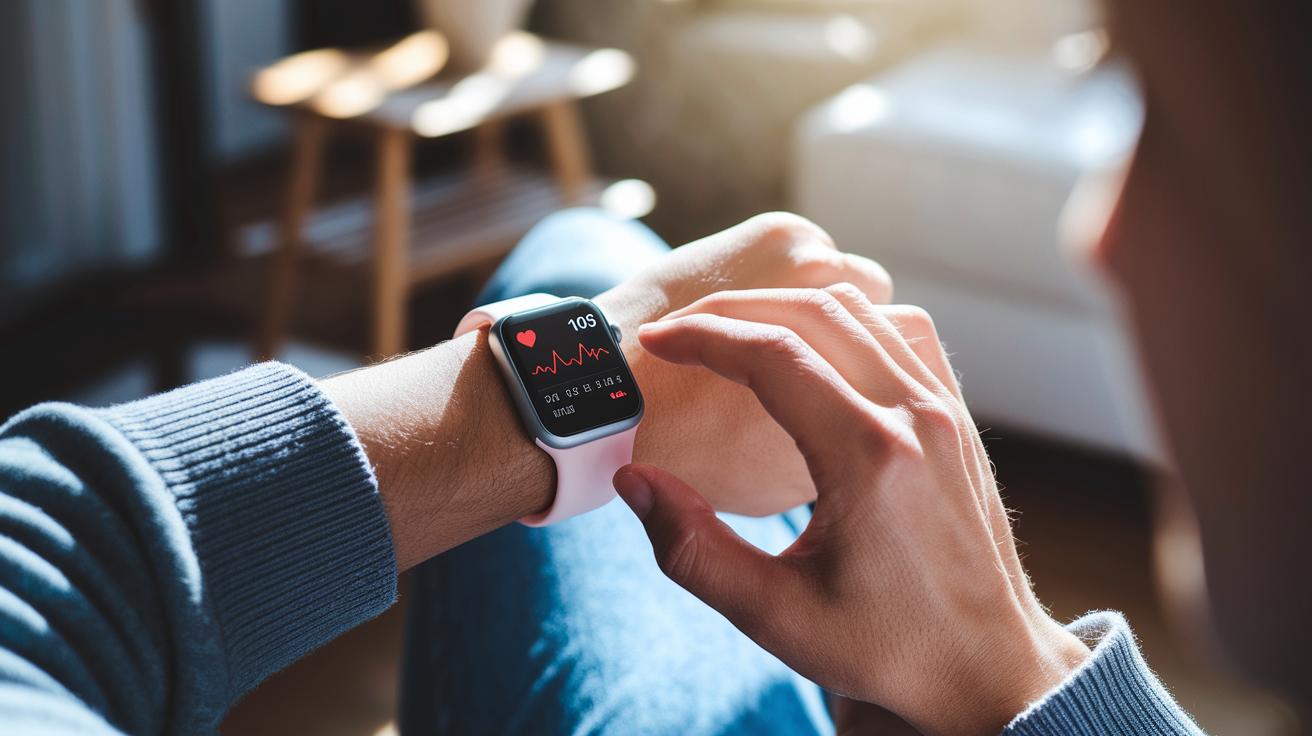
Wearable health devices are meant to work perfectly every time. Yet, challenges like biased computer programs and sensors that drift out of tune can lead to mistakes. For instance, if a device uses data from many people to learn, it might not correctly read someone who is a bit different from the norm.
Comfort and battery life are also important. If a device isn’t comfy or its battery dies too soon, you might not use it as much. Imagine checking your health with a smartwatch that loses power quickly, this could lead to missed information that matters for your care.
To keep things on track, we can do a few key things:
- Periodically check the device against trusted tools like standard ECG machines or lab tests.
- Offer simple training so users know how to use the device correctly and understand any alerts.
- Run certification trials to ensure the device performs well in different settings.
Regular updates, careful calibration, and firmware improvements help keep the data reliable. When devices are well-checked and users feel comfortable with them, both patients and doctors can trust the alerts. This means better, data-based decisions that help keep you healthy.
Future Innovations in Wearable Technology for Medical Informatics
Next-generation wearables are changing the way we look after our health. They now come with smart AI that can spot early signs of flare-ups in chronic conditions, even before you feel any symptoms. Imagine a little device that notices a change in your heart rhythm and gives you a friendly heads-up, almost like a caring companion.
Soon, these devices will get even smarter with fabrics that have built-in sensors. They will keep track of your vital signs all day long and adjust their feedback based on what they learn about you. There are also tiny implantable devices in the works that can monitor brain activity for people with neurological conditions. Just picture a mini implant that sends important signals to your doctor, helping them fine-tune your treatment on the spot.
Researchers are also designing health monitors that connect to the internet and can use GPS signals to send out emergency alerts during a heart attack or a severe allergic reaction. These thoughtful, predictive wearables can support many patients at once, making health care more proactive and organized. Every breakthrough in this field brings us one step closer to a world where care is simple, connected, and tailored just for you.
Final Words
In the action of our discussion, we looked at wearable technology in medical informatics. We broke down how body-worn devices gather real-time data, help monitor patients continuously, and support secure data exchange with clinical systems. The post explained key sensor platforms, real-time analytics, integration with electronic health records, and strict security standards. These tools give clinicians quick access to vital patient information, making daily care simpler. Steady progress in these smart devices brings a bright outlook for better patient care and streamlined clinical workflows.
FAQ
What does wearable technology in medical informatics mean?
The term wearable technology in medical informatics means body-worn devices that collect, transmit, and sometimes analyze health data in real time, supporting doctors and patients with continuous monitoring and improved care.
What are some examples of wearable technology in medical informatics?
Examples include fitness trackers with heart-rate sensors, smartwatches with medical-grade ECG features, adhesive smart patches for continuous monitoring, and devices like continuous glucose monitors that support remote health assessments.
Why is wearable technology important in medical informatics and healthcare?
Wearable technology is important because it allows for around-the-clock monitoring, early detection of health issues, and data-driven treatment adjustments, which help personalize care and improve health outcomes.
What are the top wearable health devices?
Top devices include smartwatches with medical-grade sensors, lightweight fitness trackers, adhesive patches for vital signs, and continuous glucose monitors—all designed to provide timely health insights and remote monitoring.
What does the future hold for wearable technology in healthcare and its market?
The future promises more advanced AI-driven predictive tools, better integration with telehealth services, and a growing market expected to reach billions of dollars as personalized, proactive care becomes increasingly common.
Where can I find scholarly research on wearable healthcare technology?
Scholarly articles and academic journals, such as PubMed and other health research databases, offer detailed studies and validation of wearable health devices, ensuring evidence-based approaches in patient care.

