
Have you ever thought that a small daily record might truly make a difference in a senior’s health? A symptom tracker works like a reliable friend. It helps seniors jot down what they feel and when they feel it, so family members and healthcare providers can notice any changes quickly.
Using this simple tool can bring clarity and boost confidence when managing long-term conditions. It’s like having a little bit of reassurance every day, making it easier to keep track of important health details.
Senior Symptom Tracker Essentials for Effective Health Monitoring
A symptom tracker is a simple tool that helps seniors keep an eye on their health. It lets you easily write down what you feel, check on changes over time, and share details with your family or doctor. Using a special app or digital recorder, you can watch your health closely and feel more confident handling your daily challenges.
Recent studies show that 85% of older adults deal with at least one long-term illness, and 60% manage two or more. That makes it really important to keep good records about your health. A tracker lets you note down important details like what you feel and how often it happens. This clear record can guide your talks with your healthcare provider, giving them a quick look at your health history.
This tool fits right into everyday life. With handy features like reminder alerts, clear screens, and easy sharing options, it helps you keep up with your medications, exercise, and meals. In many ways, a symptom tracker becomes a reliable friend in managing chronic conditions, offering peace of mind and helping you lead a balanced life.
Top Symptom Tracker Apps for Seniors
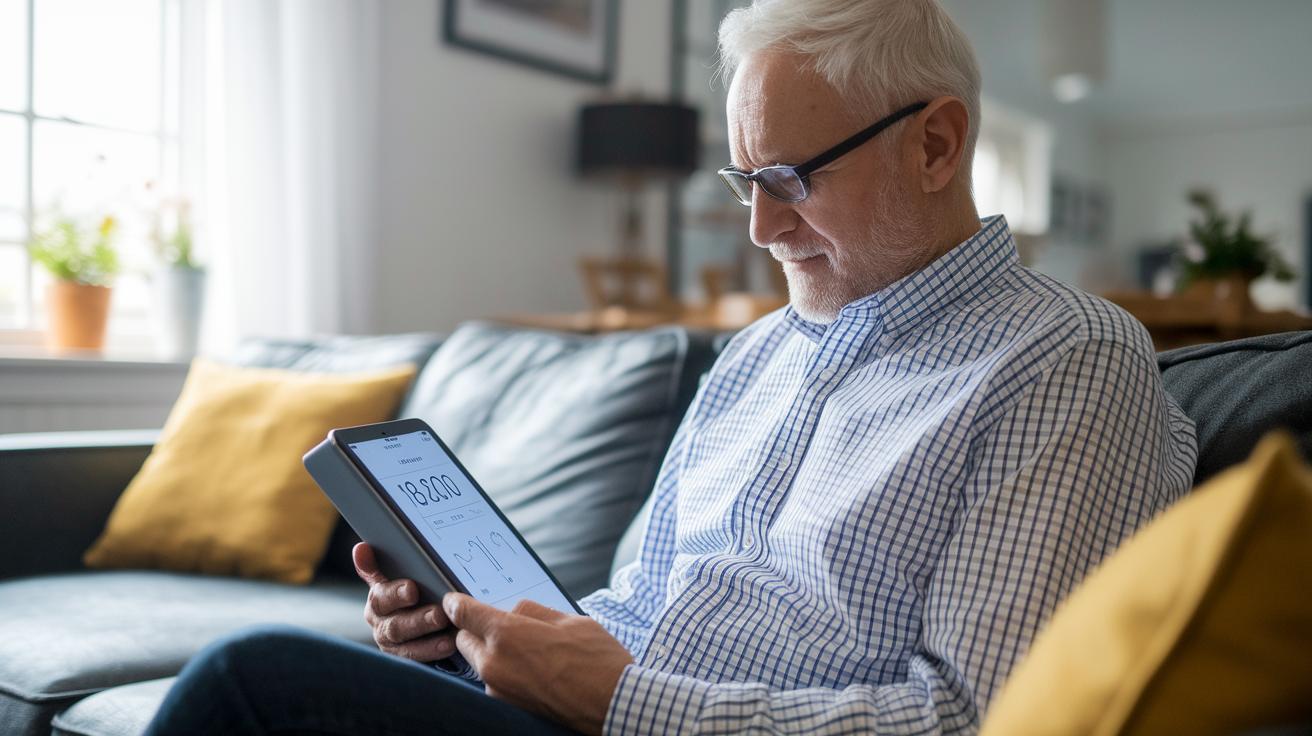
Apps made especially for seniors make it easy to keep track of symptoms and manage health details. They feature larger fonts, simple menus, and clear options that help seniors feel comfortable while recording things like pain levels, mood shifts, or when to take medication. This way, both seniors and their caregivers can be well-informed.
Some apps go the extra mile by mixing ease of use with solid features. For instance, the free MHP Salud Tracker is a tool that helps manage chronic diseases. After a quick online sign-up, you can log specific health issues, add provider details, and even set up weekly or monthly health goals. Meanwhile, the Alzheimer’s & Dementia Symptom Tracker offers a downloadable worksheet so you can note down what type of symptoms you experience and how often they occur. These thoughtful features help seniors keep a steady daily log, giving them more control over their health.
| App Name | Key Features | Pricing |
|---|---|---|
| MHP Salud Tracker | Condition logging, goal setting, provider details | Free |
| Memory Care Log | Symptom worksheet download, memory care focus | Free |
| Senior Health Monitor | Large fonts, easy navigation, daily reminders | Subscription |
| Daily Wellness Journal | Voice-entry, summary reports, data export | Subscription |
| Caregiver Connect | Symptom sharing, secure access, custom fields | Free trial then fee |
All in all, seniors have a range of options to choose from. Those who like built-in goal-setting and free tools might go with MHP Salud Tracker. Others who need a bit more support with memory may prefer Memory Care Log. If you’re after a blend of simplicity and detailed health logs, Senior Health Monitor and Daily Wellness Journal are great picks. And if keeping track securely with family support is your thing, Caregiver Connect is a solid choice.
Essential Features in a Senior-Friendly Health Tracking App
We've combined the details of this section with the main overview, keeping everything clear and avoiding any unnecessary repetition.
Comparing Wearable Devices and Mobile Apps in Senior Symptom Tracking

Both wearable devices and mobile apps give seniors a way to keep an eye on their health symptoms. Wearables use sensors to keep checking things like heart rate and sleep without any extra work, while mobile apps let seniors jot down how they're feeling with simple, easy-to-read screens.
A wearable sends a steady flow of health information by syncing data automatically. It tracks details such as heart rate, daily activity, and sleep quality. This never-ending stream of data helps caregivers notice changes quickly. If you're curious, it's worth taking a closer look at this handy tech.
Mobile apps, on the other hand, let seniors record their symptoms at their own pace. They usually come with larger fonts and clear, straightforward navigation, which makes writing down daily health details much easier. Think of them as a digital diary that shows trends over time.
In the end, if someone prefers keeping health monitoring in the background with little effort, a wearable is a smart choice. But if you enjoy entering your information personally for a more custom record, a mobile app might be just right. Either option helps make keeping track of symptoms a bit simpler and more senior-friendly.
Data Privacy and Security in Elderly Wellness Tracking Tools
Registering as a user is the first step to keeping your health data safe. Tools like the MHP Salud chronic disease tool need a secure login that gathers both your personal details and provider information. This process confirms who you are and makes sure only trusted caregivers can access your data. It follows HIPAA rules (healthcare privacy rules) to protect your health information.
Next, your data is sent using strong encryption, think of it like a locked mailbox that keeps your information secure as it travels from your device to the app. Even if the exact details of the encryption aren’t shared publicly, the system is built to keep every part of your health data safe.
Your information is usually stored in secure cloud storage, which means it sits on servers guarded by multiple layers of security. Even if a paper form, like an Alzheimer’s worksheet, doesn’t have digital protection, advanced apps take extra measures to store your records in a highly secure space.
Finally, your rights are upheld through clear consent flows. When you sign up, you agree to share your information only with trusted parties. Role-based access allows caregivers to view only what they need, ensuring you always remain in control of who sees your health data.
Tips for Effective Daily Health Logging in a Geriatric Symptom Journal

Keeping a daily health journal is a simple way for seniors and caregivers to keep track of key details about health. It can be as simple as writing down when you take your medication, noting your physical activity, or even recording how you feel throughout the day. This routine not only helps manage long-term health issues but also lets everyone see small changes that might matter later.
Here are some easy tips to make journaling work for you:
- Set a daily alarm or reminder so you never miss a day of writing.
- Try recording voice notes if you’d rather speak than write.
- Jot down little notes about your daily activities and emotions.
- Share your notes with your doctor or a trusted family member.
- At the end of each week, look back through your entries to see any patterns.
- Include a checklist for things like taking medication, exercising, eating well, managing stress, and sleeping enough.
By using these straightforward tips, your daily journal becomes a powerful tool for keeping your health on track. When you take a minute each day to record and review your health, you’re making a strong commitment to yourself. It’s a comforting way to stay on top of changes and feel in control, no matter what challenges come your way.
Final Words
In the action, we explored how tools help seniors manage their chronic conditions through clear tracking features and secure data sharing. Key points included understanding symptom trackers, reviewing top apps, and outlining essential features like easy data entry and reminder alerts.
We also looked at how mobile apps and wearables support daily health logging while maintaining strict security. A well-chosen symptom tracker for seniors can bring peace of mind and improved well-being. Every step brings us closer to better, safer healthcare communication.
FAQ
What does a multiple symptom checker do?
A multiple symptom checker gathers different health signs to offer a quick preview of what might be causing your symptoms, helping you decide if you should seek further advice.
How does a free symptom checker tool work?
A free symptom checker tool collects your symptom details without cost. It helps assess your condition and suggests whether a professional consultation might be necessary.
How does the WebMD symptom checker work?
The WebMD symptom checker prompts you to input your symptoms and then suggests potential conditions. It provides guidance on when and if you should consider professional care.
What is a list of symptoms tool and how is it used?
A list of symptoms tool compiles common health signs, letting you review and compare them. This supports better understanding and tracking of your condition.
What is the Ada symptom checker used for?
The Ada symptom checker uses an interactive system of questions to analyze your symptoms. It helps clarify possible causes and advises if professional input is needed.
What makes a symptom tracker the best option?
The best symptom tracker is user-friendly and reliable. It accurately logs your health details and may allow you to share information with caregivers, enhancing your condition management.
What is the best free app to track food and symptoms?
The best free app for tracking food and symptoms records your meals alongside how you feel. It helps you spot patterns between diet and your health, aiding in self-care.
Is there a site where I can list all my symptoms?
Yes, certain sites let you list all your symptoms in one place. They offer organized tracking that can help you monitor your health trends and share detailed records with your provider.

