
Ever thought your period tracker could change your daily routine? At first, it might seem simple, just a way to mark your cycle. But every detail you log builds a clear picture, like a personal calendar for your health. Imagine a tool that gets your unique rhythm, helping you plan work, social events, and even reminding you to schedule doctor visits. In this article, we explain how a smart tracker works to help manage your cycle with ease and confidence.
Effective Cycle Monitoring with a Period Tracker
A period tracker is a simple tool that helps you keep track of your cycle dates so you can feel confident about your reproductive health. Your period is when your body sheds the lining of your uterus, usually lasting between 3 and 7 days. And since each person’s cycle can last anywhere from 21 to 35 days, the tracker learns your own rhythm as you log the dates.
When you record the start and end dates for a few months, the tracker figures out your average cycle length. For example, if you note “03/15: Start; 03/21: End,” it uses that information to guess when your next cycle might happen. Think of it like a built-in calendar that helps you plan your day better.
Using this smart tool, you can plan your work, social events, and even doctor visits with ease. Trust your period tracker to turn everyday notes into friendly, clear forecasts that help you manage your cycle without any stress.
Core Features of a Period Tracker App
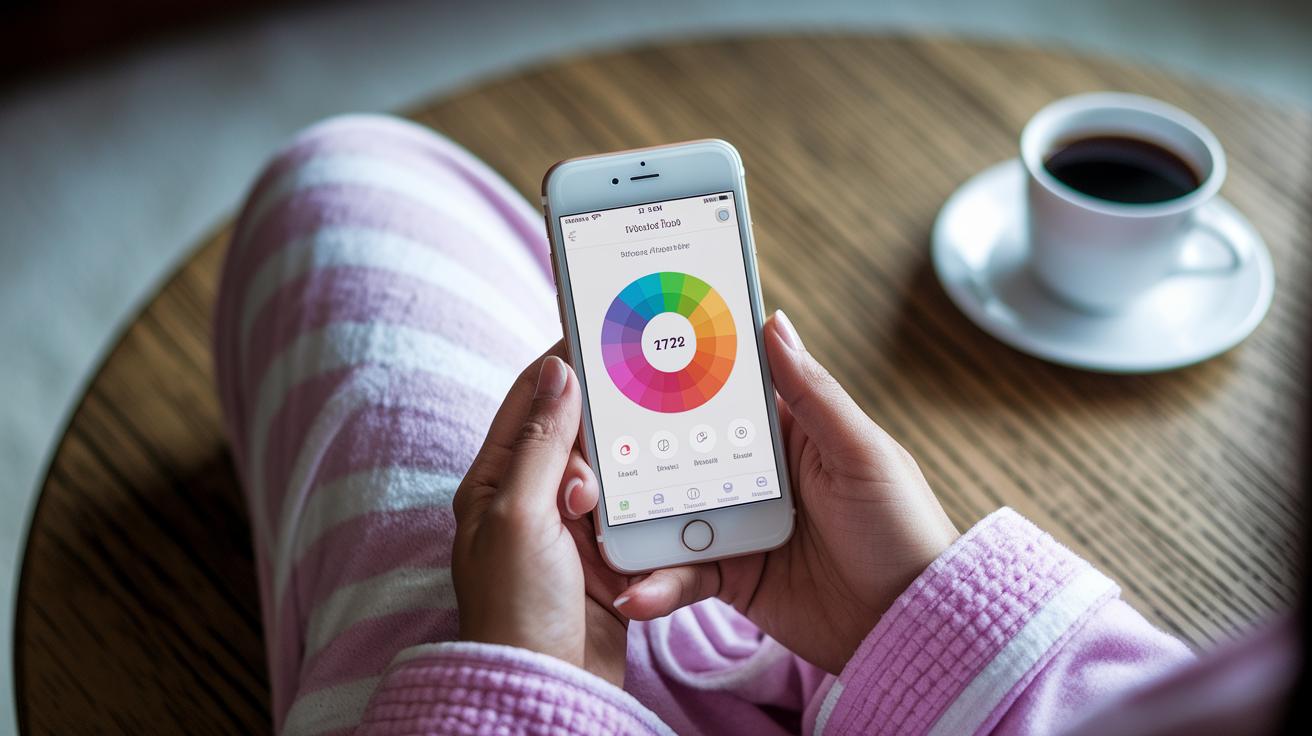
A smart period tracker app does more than just mark dates on a calendar. It helps you note important details like when your last period began, how long your cycle normally is, and how many days your period lasts. You might even enter something like "04/10: Start; 04/15: End" and watch as the app does all the hard work for you. All of these features work together to give you a secure and easy way to manage your cycle.
-
Calendar views: You can see all your dates clearly, with past cycles easily visible and future ones predicted at a glance. This simple view helps you notice patterns so that you never miss an important date.
-
Cycle reminders: Imagine a friendly alert that reminds you when your cycle is coming soon. These timely nudges help you plan your day and feel prepared.
-
Symptom journal: It lets you keep a personal record of how you feel by noting things like cramps, mood changes, or how heavy your flow is. Over time, these details can show you if something is changing with your health.
-
Hormone dashboard: This tool shows you a clear, visual graph of your hormone levels. It makes understanding your body’s changes as easy as reading a picture.
-
Input flexibility: The app isn’t limited to just period data. You can also enter notes about sexual activity or pregnancy tests, giving you a fuller picture of your reproductive health.
-
Exportable reports: You can create reports that you can save or share. These reports are handy when you want to discuss your cycle with a doctor or simply keep a record for yourself.
Each of these features works together to make your period tracker a smart and secure friend in taking care of your cycle.
Data-Driven Predictions in a Period Tracker
When you use a period tracker for three to six months, it takes your logged dates and turns them into helpful forecasts. The app works like a smart calculator that figures out your average cycle length by looking at the start and end dates you record. For instance, if you mark "06/01: Start" and "06/07: End," it will show that your cycle is roughly 28 days on average.
First up is the cycle length calculator. It gathers all your start and end dates from past cycles and smooths out any small differences, kind of like averaging answers from a few math problems to find the usual result.
Then, the ovulation calculator takes these averages and uses an estimated luteal phase, the time after ovulation until your next period, to guess your fertile window. So if the app tells you, "Based on your average 28-day cycle and a typical 14-day luteal phase, your fertile window might be from day 10 to day 16," it’s giving you a clear idea to plan for any health or reproductive choices.
Plus, keeping a record of your daily basal temperature, those early morning readings like "08/02: 97.9°F", adds extra detail. These small shifts in temperature, noticed day after day, help sharpen the prediction of your ovulation.
Reliable forecasts come from:
By combining all these pieces of information, the app turns everyday cycle entries into a clear and friendly picture of your reproductive health.
Tracking Symptoms and Health Metrics in Your Period Tracker

A solid period tracker does more than just mark your dates, it helps you jot down everything about your cycle. For instance, you can use a flow diary to capture details about your period duration and strength. You might note something like, "Day 2: Heavy flow," making it easy to see what your body is going through.
Tracking your cramps and mood can be just as helpful. With a cramp diary, a quick note such as, "Mild cramps in the morning," can reveal patterns that tell you more about your overall cycle health.
Another useful feature is the cervical mucus monitor. When you record details like, "Egg white consistency today," you add another layer to understanding your fertile window, which can guide your planning.
Then there’s the hormone fluctuation recorder. This tool displays hormone trends over multiple cycles, helping you spot any irregular patterns that might need a closer look.
- Flow diary: Captures period strength and length
- Cramp tracking diary: Notes cramp levels and mood changes
- Cervical mucus monitor: Records mucus consistency and shifts
- Hormone fluctuation recorder: Shows hormone trends over time
Period Tracker App Comparison Framework
When you check out period tracker apps, start by looking at how they protect your personal data. Make sure the app uses strong encryption and offers options to keep your information stored only on your device. Some apps might share your reproductive details with others, so read the privacy section carefully. You might even find a note that says, "Data is stored only on your device, with no remote backups."
Next, take a close look at how the app predicts your cycle. Does it use your own records instead of a one-size-fits-all formula? An app that learns from your specific data is more likely to give you accurate cycle predictions and ovulation dates.
Also, compare the features each app offers. See how they display the calendar, let you log symptoms, and send reminders. A well-designed dashboard can feel like a helpful assistant, showing your cycle details in a clear, visual way. Many apps even let you export your data through easy reporting tools.
Then, check out the cycle analytics dashboard. A great dashboard uses simple charts and graphs to show trends and patterns in your cycle at a glance. This makes it much easier to understand your cycle over time.
Lastly, look at the pricing. Find out if the app is free, uses a freemium model, or needs a subscription. Your budget and your needs for cycle management will determine which pricing plan works best for you.
- Strong privacy and data security
- Personalized cycle predictions
- User-friendly features
- Interactive visual analytics
- Flexible pricing plans
Period tracker: Advanced Insights for Cycle Management

Today’s period trackers are much more than simple calendars. They carefully examine months of data to spot small changes and trends you might miss. For example, after tracking your cycle for a while, you might see that your cycle tends to be a bit shorter in winter.
These tools let you share information in different ways. You can type in your details for a clear snapshot, or you can link your tracker with wearables like smartwatches. This means it can pick up extra clues from your sleep patterns or heart rate. So, while a manual note might just say "Cycle on 07/15," a sensor-based method can add details like a shift in your rest habits that could show increased stress.
- Advanced analytics: It reviews long-term data to catch even small irregularities.
- Input comparisons: Offers both manual entries and sensor details for a personalized view.
- Detailed reporting: Produces clear, exportable summaries to help guide healthcare discussions.
Final Words
In the action, we reviewed how a period tracker helps manage menstrual cycles by recording dates, logging symptoms, and providing data-driven predictions. The article explained methods to calculate cycle averages and offered tips for secure, reliable health communication.
Short-term benefits include improved cycle estimation and better reproductive planning. Long-term, a period tracker can support more informed healthcare decisions while streamlining patient management.
Overall, clear cycle insights help you stay ahead in securing personal and patient information.
FAQ
What makes a great period tracker app?
A great period tracker app offers a user-friendly design, secure data storage, and accurate cycle predictions. It logs periods, symptoms, and hormone trends to support better reproductive wellness.
Are free period tracker online options and free downloads available?
Yes, many free period tracker apps offer online versions and free downloads. They help users log menstrual dates and symptoms at no cost while keeping data secure.
Is a printable period tracker available in PDF or chart format?
Printable options like period tracker PDFs and charts let you review your cycle history offline. They offer a clear, visual overview to help you manage your cycles each day.
How does a period tracker support ongoing cycle management?
A period tracker supports continuous cycle monitoring by recording start and end dates, estimating future periods, and tracking symptoms, which helps improve planning and proactive health management.

