
Have you ever thought that a simple tool might change the way you see your cycle? Fertility trackers offer a fresh perspective on understanding your body. They measure your temperature, track changes, and record test results to clearly show your fertile days.
These smart apps let you easily input data or sync with wearable devices, so managing your cycle becomes simple and secure. Keep reading to see how this tool can help guide your choices about reproductive health, turning confusing signs into clear, everyday clues.
Understanding Fertility Trackers: Key Features and Advantages
Fertility trackers are smart digital tools that help you follow your reproductive cycle by keeping an eye on important health signs. They check things like your body’s basic temperature, changes in cervical mucus, and results from LH test strips so you know when your fertile days might be arriving. Whether you type in the data yourself or sync it with a wearable device, these apps use easy-to-follow systems to show you when ovulation is likely.
These tools mix automatic data collection with spots where you can add your own notes. They often use details like your average cycle length and the start date of your last period to give you a good guess about when you’re most fertile, usually about two weeks before your next period. This makes managing your cycle much simpler, whether you’re planning for a baby or just keeping track of your reproductive health.
| Key Feature |
|---|
| Monitors basal body temperature |
| Records changes in cervical mucus |
| Uses LH test strip results |
| Tracks daily symptom variations |
| Works with wearables or manual entries |
| Predicts ovulation and period dates |
The benefits of using a fertility tracker are clear. With its friendly, easy-to-read interface, you get accurate predictions and helpful reminders that reduce uncertainties about your cycle. It becomes a trusted partner in managing your reproductive health, guiding you with clear, timely insights as you make decisions about your next step.
Types of Fertility Tracking Methods and Tools

Fertility tracking comes in many forms, each designed to help you understand your reproductive health. Some methods are as simple as everyday manual checks, while others use smart digital tools to offer detailed insights about your cycle.
Manual tools include things like basal body temperature thermometers and LH ovulation test strips. You take a measurement each day and record it, much like jotting down a note about how your day went. When you use these tools consistently, they can provide accurate information, without breaking the bank.
Digital monitors work a bit differently. These devices, like hormone sensors and wearable trackers, measure things such as skin temperature and pulse in real time. They make tracking easy by automatically recording subtle changes in your body. This means you get a steady stream of helpful data without the need to write anything down.
Smartphone apps are another neat option. They act like a digital coach by processing the data you enter and using smart algorithms (step-by-step math tools) to predict fertile days. You can mix in notes about observations like cervical mucus changes, and the app gives you clear cycle forecasts. This balance of manual input and automated analysis makes it simple to plan your next steps.
Each method has its pros and cons. Manual tools are low in cost but need daily attention. Digital monitors might cost a bit more, but they do the hard work for you. And smartphone apps often offer a mix of affordability and advanced features, helping you feel guided without extra hassle.
Top Fertility Tracking Apps and Devices Reviewed
When we look at fertility trackers, we think about how accurate they are, what features they offer, and how much they cost. We check if each tool can predict ovulation well, how useful extra features like secure messaging or calculators are, and whether free plans or premium options offer real value.
Clue App
Clue App offers a free plan that covers basic cycle tracking. Its premium option, Clue Plus, gives you deeper insights, better predictions, and detailed pattern analysis. The app works closely with research groups and uses data from millions of users to improve its forecasts. Its easy-to-use layout makes it simple to log your symptoms and follow your hormone changes. Some users might find the upgrade a bit pricey, but you can relax knowing that your personal health info stays private.
Flo App
Flo App stands out with daily conception tips, a handy symptom checker, and several calculators to help plan for pregnancy or IVF. It even has an anonymous mode that encrypts your data and lets you share info securely with a partner through a private chat. The design is built with ease of use in mind, so switching from one tool to another feels natural. While its many features are loved by a huge community, those looking for a simpler tracker might feel a bit overwhelmed. Nonetheless, its solid privacy measures and friendly look have earned it strong support.
Wearable Trackers (e.g., Ava)
Wearable devices like Ava use smart sensors to keep track of your body signals all day long. They monitor details like skin temperature and pulse, giving you live feedback on your reproductive health, things you might miss with manual logging. These gadgets may come with a higher price tag, but many find the ease and detailed insights worth the extra cost, especially if you value precise tracking.
| App/Device | Key Features | Pricing |
|---|---|---|
| Clue | Cycle predictions, symptom logging, research-based insights | Free plan; Premium (Clue Plus) |
| Flo | Daily conception tips, symptom checker, encrypted mode | Free plan; In-app purchases |
| Ava | Continuous sensor tracking, real-time feedback | Device purchase required |
Manual Methods vs Digital Fertility Trackers

People who choose manual methods enjoy a calm daily routine that feels personal and reflective. One woman said, "I start my day by writing down my temperature with my basal thermometer. It keeps me connected to my body's rhythm." This hands-on approach helps you notice small changes and feel truly involved.
Digital tools, on the other hand, bring a clear and easy way to track your cycle through automation. One user shared, "My smartphone app turns my entries into neat graphs that I can check quickly, almost like my data is talking to me." These apps build visual calendars, send reminders based on period predictors or cycle length calculators, and improve their guesses over time.
Studies show that writing down your data by hand can give you a sense of control and satisfaction, while automated tools offer convenience and clear visuals. For instance, one study found that one person preferred jotting down observations during quiet mornings, whereas another liked receiving digital updates that kept her informed without extra effort.
| Method | Benefit |
|---|---|
| Manual Tracking | Personal insights from daily temperature and mucus tracking using simple, familiar methods. |
| Digital Tracking | Automatically logged data, easy-to-read visual calendars, and timely alerts from smart tools. |
When choosing a method, think about your daily habits and what feels right for you. If you enjoy detailed, personal observations, manual tracking might be more satisfying. One person noted, "Every morning, I quietly record my readings, and it sets a calm tone for my day." But if you prefer quick, automated updates and clear visuals, digital tracking can make the process much simpler.
Fertility Tracker: Smart Cycle Insights
Fertility trackers help you understand your body by watching important daily signals. They look at changes like your morning body temperature, spikes in a hormone called LH (which tells your body it’s getting ready for ovulation), shifts in the feel of cervical mucus, your logged symptoms, and even how long your cycle lasts.
Here are the key signs they track:
- BBT shift
- LH levels
- Cervical mucus consistency
- Daily symptom logs
- Recorded cycle length
By mixing these details with smart number-based predictions, these tools usually guess ovulation about 14 days before your next period. For example, checking your temperature every day might show a tiny change that signals your body is gearing up for ovulation. The system learns from small changes in your data to fine-tune its predictions without extra effort from you.
Working with top schools like Berkeley and MIT, these trackers use lots of data to make their guesses even better. Plus, the apps promise never to sell your information, so you always know your health details stay safe.
How to Use Fertility Trackers: Step-by-Step Guidelines
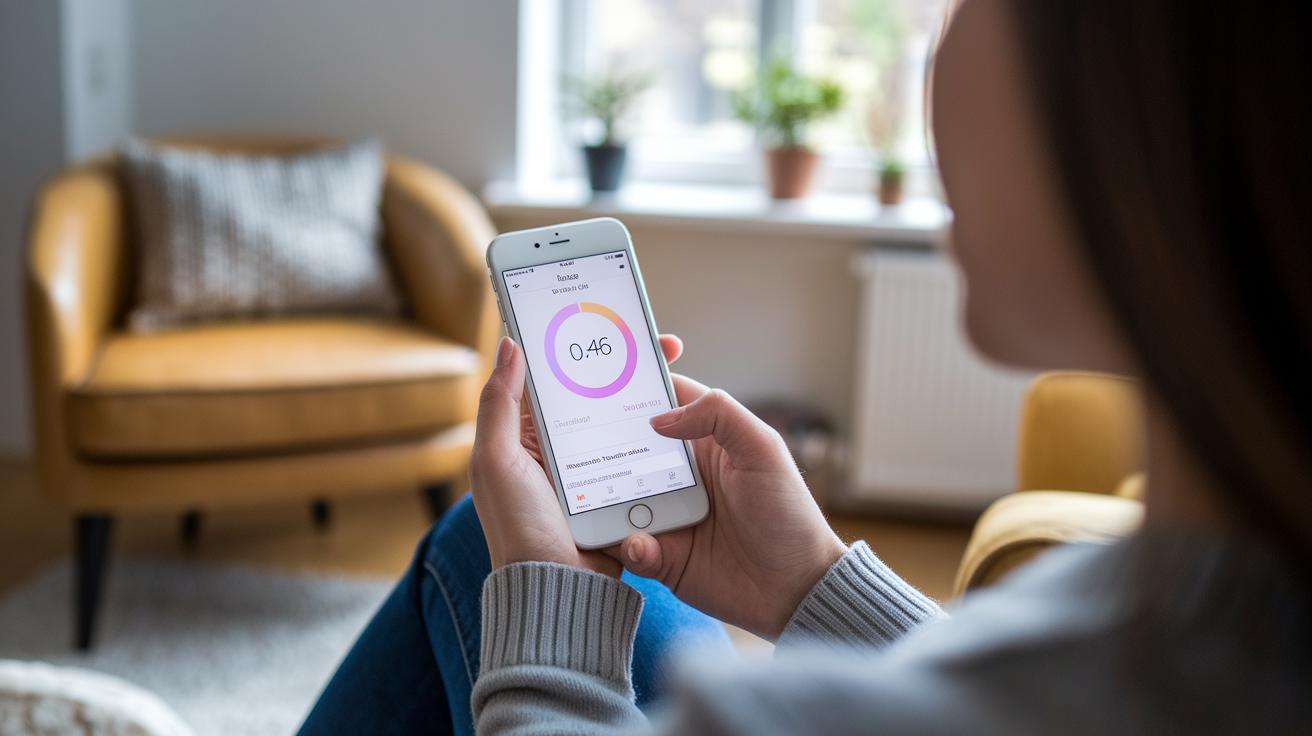
Getting started with a fertility tracker is easy and can really help you understand your cycle. Think of your phone or device as a personal coach that guides you through your reproductive journey.
First, open the app and mark the first day of your period as the start of your cycle. Then, as soon as you wake up each day, take your temperature so you can notice your body’s natural rhythms. It’s also useful to jot down observations about your cervical mucus and record any results you get from LH test strips for even more insight.
To make sure you never miss a step, set daily reminders to help you log all these details consistently. Next, check the app’s prediction of your fertile window, typically around days 10 to 16 in a 28-day cycle, and use that information as a guide if you are planning for conception.
By following these steps, you are not just keeping your records up to date; you’re also building a personal cycle diary that improves over time. Looking back at past cycles in the app can show you patterns that might otherwise go unnoticed. This blend of history and prediction works like a smart assistant, making it easier for you to plan your next steps toward conception.
Real User Experiences with Fertility Trackers
People who have used fertility trackers share real stories that add a warm, personal touch to managing their cycles. They explain how these tools not only give accurate cycle predictions but also offer insights that reveal little changes you might otherwise miss.
- One person said that by keeping a close record of her symptoms, she was able to notice patterns she never saw before.
- Some Flo users shared that private chat and partner sharing features create a friendly space to plan together.
- Many Clue users love the tool for its spot-on predictions and easy-to-understand health tips, which help them spot things like short luteal phases.
- Detailed cycle diaries have shown subtle trends that manual tracking might let slip by, giving a fuller picture of reproductive health.
User feedback really shapes how these trackers evolve. Their honest insights help developers add useful features, making the experience feel more personal and supportive in taking charge of their health.
Choosing the Right Fertility Tracker: Buying Guide
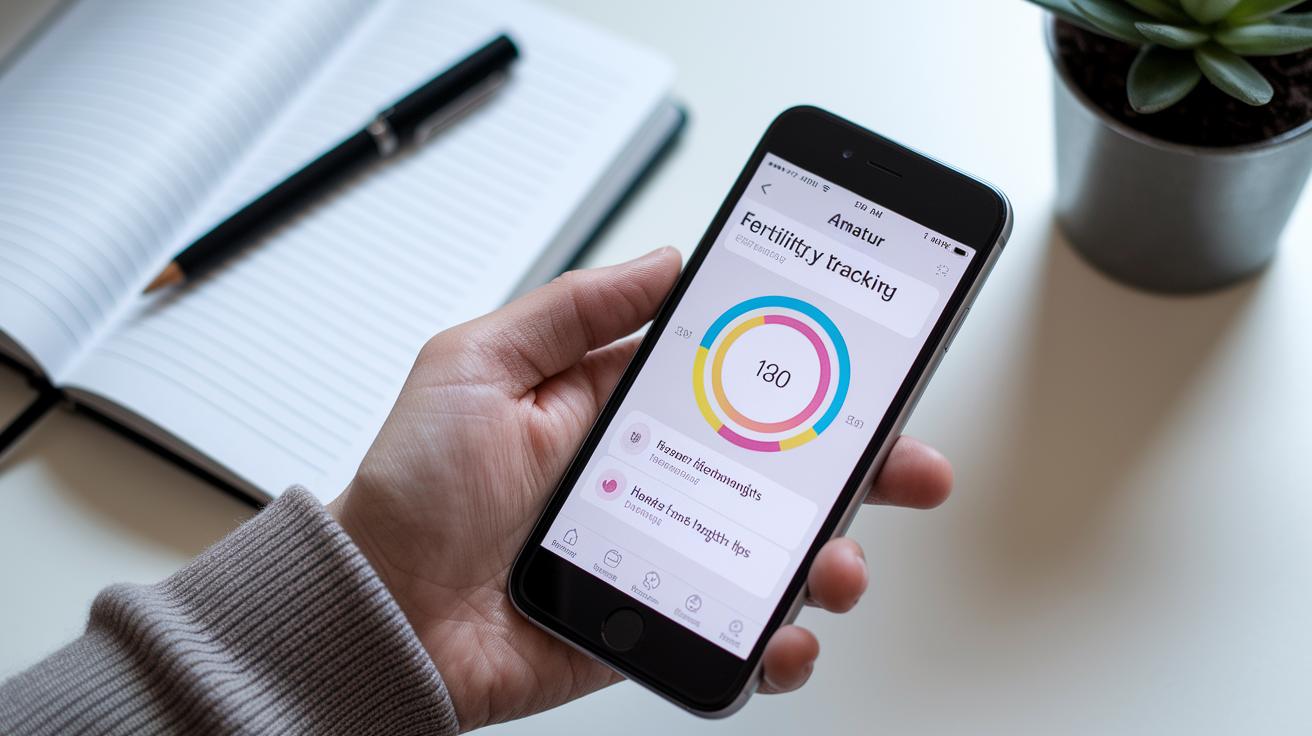
When you start looking for a fertility tracker, think about what matters most for you. Do you want to understand your cycle better or are you planning to conceive? If it’s simply about tracking your days and symptoms, a basic cycle recorder might do the job. But if you need clear guidance on ovulation and the best times for conception, consider a tracker that offers detailed insights.
Then, look at the features while keeping your budget in mind. Some trackers, like Clue Plus, offer extra pattern analysis and detailed predictions through premium plans, while others, like Flo, include helpful health calculators even in their basic versions. Prices range widely from free apps to wearable devices costing between $150 and $250. Weigh the cost against the benefits so you choose something that fits both your needs and your budget.
Privacy and data security are also very important. Some trackers, like Flo with its Anonymous Mode, encrypt your data for extra safety. Others, like Clue, are committed to never selling your personal health information. Choose a tracker with clear privacy policies so you can feel confident that your health details are kept safe.
Finally, consider how well the tracker works with your other health devices or apps. Whether you prefer syncing it to wearable devices or using it alongside your favorite health apps, picking one that fits smoothly into your daily routine will make it easier to use and maintain.
Special Considerations: Tracking Fertility with Irregular Cycles
If your cycle isn't regular, you might notice that simple date predictions just don't cut it. When ovulation happens at different times each month, using an average cycle length can leave you feeling confused and even stressed about figuring out your fertile days.
The good news is that you can track more than one sign to get a clearer picture. For instance, checking your baseline body temperature, watching changes in your cervical mucus, and doing LH tests can all work together. One person even mentioned, "Recording my temperature every morning and observing mucus texture helped me catch subtle signs I might otherwise miss." Pretty neat, right?
For those with PCOS, there are even special tools available. Many tracking apps now offer PCOS-specific coaching and reminders designed to help you understand your unique cycle patterns. It feels empowering to have a plan that truly fits your needs when the usual methods just don’t seem to work.
Also, keeping a long-term log can really help. Over a few months, consistently recording your signals can reveal patterns, making it easier to predict your fertile windows even if your cycle varies a lot.
And if you still find the tracking data hard to interpret despite trying these tips, it might be time to talk with a healthcare provider. They can help figure out any underlying issues and guide you to a tracking method that really works best for you.
Final Words
In the action, fertility tracker tools empower patients and providers to plan smartly and manage health data securely. The article explored how trackers work with temperature readings, symptom logs, and smart integrations, highlighting both manual and digital methods.
Practical steps and real user insights show how these tools improve cycle awareness and support informed decisions. This progress creates a secure path for safer, healthier outcomes while keeping patient care at the forefront.
FAQ
What is the best fertility tracker and fertility tracker app?
The best fertility tracker gathers daily cycle data, temperature, and symptoms to forecast your fertile window. Apps like Clue and Flo offer free plans with premium options to help you plan and stay informed.
Is there a 100 percent accurate ovulation calculator?
A 100 percent accurate ovulation calculator does not exist because natural variations in cycles affect predictions. These tools offer useful estimates to help you identify your fertile window.
How does a fertility calculator work for different ages?
A fertility calculator by age adjusts predictions based on typical cycle changes as you get older. It helps tailor your cycle estimates to better match your individual reproductive timeline.
How do ovulation calculators predict baby gender, like boy or girl?
Ovulation calculators for baby gender use timing theories of conception to guess chances for a boy or girl. They rely on cycle timing but cannot guarantee a specific outcome.
Is there a watch that tracks fertility?
Some watches use sensors to measure body temperature and pulse, offering a wearable way to track cycle changes, predict fertility, and keep your data secure wherever you go.
How can I track when I am most fertile and calculate my fertile date?
To track your fertile days, log your period start, daily temperature, and symptoms. Digital tools analyze your data to calculate the window when you are most likely to conceive.

