
Have you ever noticed how a little change can sometimes ease the discomfort of BV? BV can slip in quietly, showing little sign until it really bothers you. But with the right treatment, you can help your body find its balance and ease those symptoms fast. In this article, we talk about trusted options like antibiotics and gentle home remedies that work together to bring your vaginal health back on track. Our goal is simple: take charge of BV with a plan that treats the issue and supports your overall well-being.
Comprehensive BV Treatment Options: Antibiotics, Home Remedies, and Prevention
BV happens when the balance of bacteria in your vagina changes. The good bacteria, like lactobacillus, drop while the not-so-friendly ones grow. Sometimes you might notice a thin discharge or a fishy smell, but about half the time, there are no signs at all. That’s why a lab test is really important to make sure you get the right care.
Doctors usually treat BV with prescription antibiotics. They often use medicines like metronidazole, secnidazole, or tinidazole to help bring back the healthy balance. For instance, you might take 500 mg of metronidazole twice a day for 7 days. Just remember, mixing these meds with alcohol, or even drinking alcohol up to three days after treatment, can cause nausea or upset your stomach. And don’t worry, BV doesn’t spread through towels or clothing.
Home remedies, like probiotic supplements or other natural treatments, might sound nice, but it’s best to check with your healthcare provider first. Without proper follow-up, BV can come back in up to 50% of cases. So, before trying any new approach, have a chat with a trusted professional to make sure you keep your vaginal health safe and sound.
Recognizing BV Symptoms and Underlying Causes

BV often gives soft, subtle signs. You might notice a thin white or gray discharge, a fishy smell, itching, or a burning feeling when you pee. But sometimes you feel totally fine, even though tiny imbalances are there. This can make it tricky to know when to get help, and if left unchecked, the condition might worsen.
BV happens because of an imbalance in the good and bad bacteria in your vagina. Normally, healthy bacteria (lactobacilli) keep things under control, but when they drop, other bacteria like Gardnerella vaginalis and different anaerobes can grow too much. Changes during your menstrual cycle, taking antibiotics, douching, or even a new sexual partner can disrupt this balance. By noticing these triggers, you can reach out to a healthcare provider who will guide you on how to bring back the balance. Simple lifestyle tweaks and regular check-ups help reduce discomfort and keep your vaginal area happy and healthy.
Confirming BV Diagnosis: Laboratory Tests and Clinical Evaluation
Getting a clear diagnosis for BV (that’s bacterial vaginosis) starts with a few straightforward tests and a personal exam by your doctor. They often use the Amsel criteria, a set of simple, reliable checks, to figure things out. Your doctor will first check your vaginal pH (which tells them if your pH is higher than normal), examine cells under a microscope, and do what’s known as a whiff test (mixing a bit of KOH solution to see if a fishy odor appears). These steps help spot an imbalance in the bacteria that can cause BV.
Sometimes, your doctor might also use a NAAT molecular assay. In simple terms, this test looks for bits of bacterial DNA to be extra sure about the diagnosis. Alongside this, a pelvic exam and a careful look at your symptoms help round out the picture. Together, these steps not only guide the right treatment but also build confidence that your healthcare provider is addressing your symptoms safely.
Below are the key markers they look for:
| Test | Indicator |
|---|---|
| Vaginal pH | Greater than 4.5 |
| Microscopic Exam | At least 20% clue cells |
| Whiff Test | Positive fishy odor with KOH |
It might feel a bit overwhelming, but remember, these tests work together like pieces of a puzzle to help you get back to feeling your best. Isn’t it comforting to know your doctor is using every clue to make sure you’re cared for in the safest way possible?
Conventional Antibiotic Therapies for BV Treatment

When dealing with BV, doctors often prescribe antibiotics to help bring back a healthy balance of bacteria. Each medicine has its own dose and special directions to help ease your symptoms and lower the chance of BV coming back. It’s important to follow your doctor’s advice closely and stay away from alcohol during treatment and for three days after, since mixing the two can cause a reaction similar to what happens with disulfiram (a drug that stops you from drinking alcohol).
Oral Metronidazole
This method means taking 500 mg twice a day for 7 days. It works throughout your body to lower harmful bacteria, though you might notice a bit of tummy discomfort, like nausea or a queasy stomach.
Metronidazole Gel
This option comes as a 0.75% gel that you apply inside your vagina once a day for 5 days. It works directly where you need it most, even though some might feel a little irritation where it’s applied.
Clindamycin Vaginal Cream
With this treatment, you use a 2% cream inside your vagina at bedtime for 7 days. It directly deals with the infected area, but keep an eye out for signs of a yeast infection, which can sometimes happen with this cream.
Secnidazole Single-Dose
This treatment is a one-time dose of 2 g taken as a powder by mouth. It’s a convenient option that helps manage BV symptoms without the fuss of multiple doses.
| Agent | Dosage | Duration | Key Side Effects |
|---|---|---|---|
| Oral Metronidazole | 500 mg twice daily | 7 days | Tummy upset |
| Metronidazole Gel | 0.75% gel | 5 days | Local irritation |
| Clindamycin Cream | 2% cream | 7 days | Risk of yeast infection |
| Secnidazole Powder | 2 g | Single dose | Mild tummy discomfort |
After finishing your antibiotic treatment, it’s a good idea to have follow-up check-ups with your doctor. Doing so, along with avoiding alcohol as advised, helps keep BV from making a return.
Natural and Home-Based BV Treatment Methods
Natural approaches can gently help support vaginal balance. Many people find comfort in treatments that work with the body’s natural bacteria. Always check with your healthcare provider before trying any home-based method.
Probiotic Support Therapy
Probiotic support can be a helpful part of your BV care plan. Some providers suggest using vaginal suppositories made with Lactobacillus crispatus, a friendly bacteria that helps restore balance. Others recommend taking oral supplements with Lactobacillus rhamnosus for 7 to 14 days. These options work to keep the good bacteria in your vaginal area.
Boric Acid Suppositories
Boric acid is sometimes used off-label to ease BV symptoms. The usual routine involves inserting a 600 mg boric acid suppository for 7 to 14 days to help bring back a healthy balance of bacteria. It’s important to use this treatment only under the guidance of your healthcare provider to ensure it stays safe for you.
Lifestyle and Hygiene Modifications
Making a few easy changes to your daily routine can also boost recovery.
- Avoid douching and scented soaps that might disturb your natural balance.
- Choose soft, breathable cotton underwear instead of tight, synthetic ones.
- Cut down on sugar to help slow the growth of any harmful bacteria.
Working with your provider on these natural methods can help you create a plan that fits your needs while safely managing your vaginal health.
Preventing BV Recurrence: Post-Treatment Care Strategies
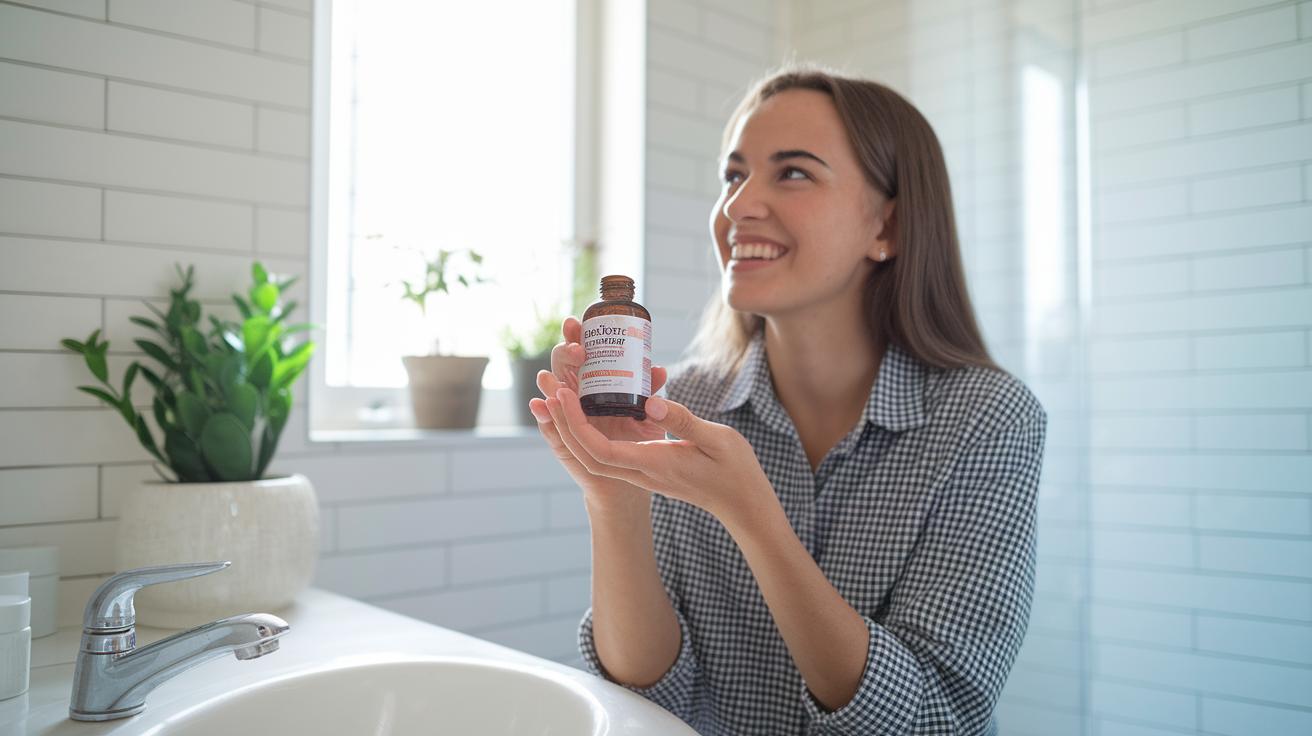
Once you've wrapped up your BV treatment, it helps to follow a simple plan that supports your vaginal health. Stick to a clear routine, and you can lower the chance of BV coming back.
Lifestyle and Hygiene Practices
Try using a mild, pH-balanced wash and skip bubble baths and scented products. A few easy changes, like choosing cotton underwear and using gentle cleansers, can really help keep your natural balance intact.
Probiotic Maintenance
Keep taking probiotics for about 4 weeks after your antibiotics. You can use oral supplements or try vaginal suppositories. These friendly bacteria work hard to restore balance and reduce the chances of a relapse.
Follow-Up and Maintenance Therapy
Make sure to book a follow-up test about 4 weeks later to be sure the infection is gone. If BV keeps coming back, your doctor might suggest using a weekly metronidazole gel for a month to help keep it at bay.
- Finish your full course of antibiotics
- Monitor your pH levels regularly
- Stick to cotton underwear
- Avoid douching or using harsh soaps
- Continue with your probiotic supplements
- Wait at least 3 days after treatment before having unprotected sex
BV Treatment Considerations During Pregnancy
Pregnancy can increase the risks linked to BV, such as preterm birth or a baby born at a lower weight. Your doctor will likely suggest safe treatments like metronidazole, available as an oral tablet or gel, and clindamycin cream. Both options are FDA category B, which means they have been tested and are considered safe during pregnancy. You might experience mild side effects like nausea or slight cramps, so your care team will keep a close eye on you.
It’s very important to have a specialist guide your treatment. Your provider may schedule follow-up tests, often in the second trimester, to make sure the infection is clearing up and to adjust treatment if needed. And remember, avoid using any home remedies without first talking to your obstetrician. This careful approach helps protect your health and supports a safer outcome for both you and your baby.
Online BV Treatment and Telemedicine Services

Online BV treatment makes care simple and quick. Virtual appointments let you fill out an easy online form, and usually, you'll have a consultation within one business day. After you share your information, you'll often receive a prescription for metronidazole or clindamycin. These medicines can be delivered to your door or picked up at a local pharmacy, all while keeping your details safe and private.
This service is designed to be budget-friendly. Depending on your insurance, you might pay as little as $0, or there are sliding-scale fees if you're covering the cost on your own. To use the service, patients need to be at least 18 years old. Plus, telehealth visits can also cover other reproductive topics like contraception. For a smooth, fast consultation and prescription process, check out Telemedicine for vaginal infection care.
Final Words
In the action of exploring clear and trusted bv treatment, we covered prescription options, home care ideas, and essential follow-up steps.
We broke down the signs, causes, and simple treatment pathways to make each choice easy to understand.
Every point was made to guide better health outcomes and secure communication for all care processes.
Our goal is to help you feel confident and supported as you make informed, positive choices for your wellness.
FAQ
Over the counter BV treatment
Over the counter BV treatment is not effective for bacterial vaginosis. Prescription antibiotics are needed to safely restore your natural vaginal balance.
How to cure BV in one day and what is the fastest way to clear up BV?
Curing BV in one day is not possible. The fastest way to clear up BV is to complete a doctor-prescribed antibiotic course, which usually lasts several days.
How to prevent bacterial vaginosis?
Preventing bacterial vaginosis involves practicing gentle hygiene, avoiding douching and scented products, wearing breathable cotton, and following your doctor’s guidance to maintain a balanced vaginal flora.
What are BV symptoms?
BV symptoms include a thin white or gray discharge with a fishy odor, irritation, and a burning sensation during urination, although many people may not notice any symptoms.
How does metronidazole work for BV?
Metronidazole works for BV by reducing the harmful bacteria and helping to restore a healthy balance in the vagina, and it can be taken orally or used as a gel.
What causes BV in females?
BV in females is caused by an imbalance in the natural vaginal bacteria, often influenced by factors such as antibiotics, hormonal changes, douching, or a recent change in sexual partners.
What happens if bacterial vaginosis goes untreated?
If bacterial vaginosis goes untreated, it can lead to discomfort, higher risks of other infections, and potential reproductive health issues, making proper treatment and follow-up important.
What is the best treatment for BV?
The best treatment for BV is a doctor-recommended antibiotic regimen like oral metronidazole or clindamycin cream, tailored to your individual health needs.

