
Have you ever felt a little fever or a strange cough and wondered what it might mean? Sometimes COVID-19 shows up in small ways that are easy to miss.
In this article, we explain the common signs to help you figure out if you should check your risk level. We offer simple tips so you can spot early warnings like trouble breathing or changes in taste and smell.
By learning these details, you are taking a smart step to keep yourself and your loved ones safe.
Symptom Assessment for COVID-19: Determine Your Risk Level
COVID-19 might not show up immediately after exposure. It can take anywhere from 2 to 14 days for signs to appear. Sometimes you might feel just a little off, a slight fever or a mild ache, that could be one of the first hints of COVID-19. Keep an eye out for symptoms like a fever of 100.4°F or more, a lingering dry cough, trouble breathing that gets worse when you move, a sudden loss of taste or smell, feeling very tired, muscle aches, or even headaches.
If you notice any of these signs, it’s wise to check your risk level, especially if you’re in a high-risk group like adults 65 and older or babies younger than 6 months. Many folks only have mild or no symptoms at all, so it’s important to watch how you feel over time. And if your fever sticks around, your cough starts to bother you more, or you find it harder to breathe, it might be time to reach out to a healthcare provider.
Below is a simple table to help you review your symptoms:
| Symptom | Description |
|---|---|
| Fever | Temperature of 100.4°F or higher |
| Dry Cough | A cough that doesn’t bring up mucus |
| Shortness of Breath | Trouble breathing, especially when active |
| Loss of Taste/Smell | Sudden difficulty in sensing flavors or scents |
Think of this checklist as a handy guide to help you assess how you’re feeling. If you spot any of these symptoms, consider getting tested and isolating if needed to help protect yourself and others.
COVID-19 Symptom Assessment Timeline: From Exposure to Symptoms

After you’re exposed to the virus, you might start feeling a little off in about 4 to 5 days. Early on, you could notice a small fever or a mild cough, just a gentle nudge from your body that something isn’t right.
Then, around day 7, you may begin to feel a bit short of breath, especially when you’re up and about. Imagine feeling winded after a short walk, a clear sign that your lungs might be getting involved.
Between 7 and 10 days after your first symptoms, complications like pneumonia can develop. Sometimes, even if a chest X-ray looks normal, more detailed tests like CT scans or ultrasound can spot early changes. Keeping a close watch on your symptoms can help you decide when it’s a good idea to check in with your healthcare provider.
Clinical Review of Infection Signs in COVID-19 Symptom Assessment
When checking for COVID-19, it's important to remember that its symptoms can seem a lot like other illnesses. Instead of the sudden chills and body aches you might see with the flu, COVID-19 often comes on gradually. For instance, you might find that your food doesn’t taste as good as before over several days, a gentle clue that could mean COVID-19 rather than just a regular cold.
It helps to gather a good history from the patient. Ask if they’ve traveled recently or been close to anyone who tested positive. Sometimes, COVID-19 can come with an upset stomach, such as nausea or diarrhea, which you usually won’t see in common colds or allergies. These extra details can really help tell the difference between similar illnesses, even things like bacterial pneumonia that have their own unique signs.
A careful physical exam is key. One useful tool is the pulse oximeter, which checks how well the blood is taking in oxygen. It’s best to take readings both while resting and after a little activity. This is especially important since skin tone can sometimes affect results if not done in both ways.
Keeping an eye on these signs helps decide if care should be delivered virtually or in person. A thoughtful evaluation like this makes sure that early virus signs are caught and that the right next steps are taken to keep your care secure and reliable.
Digital Screening Questionnaire for Symptom Assessment of COVID-19
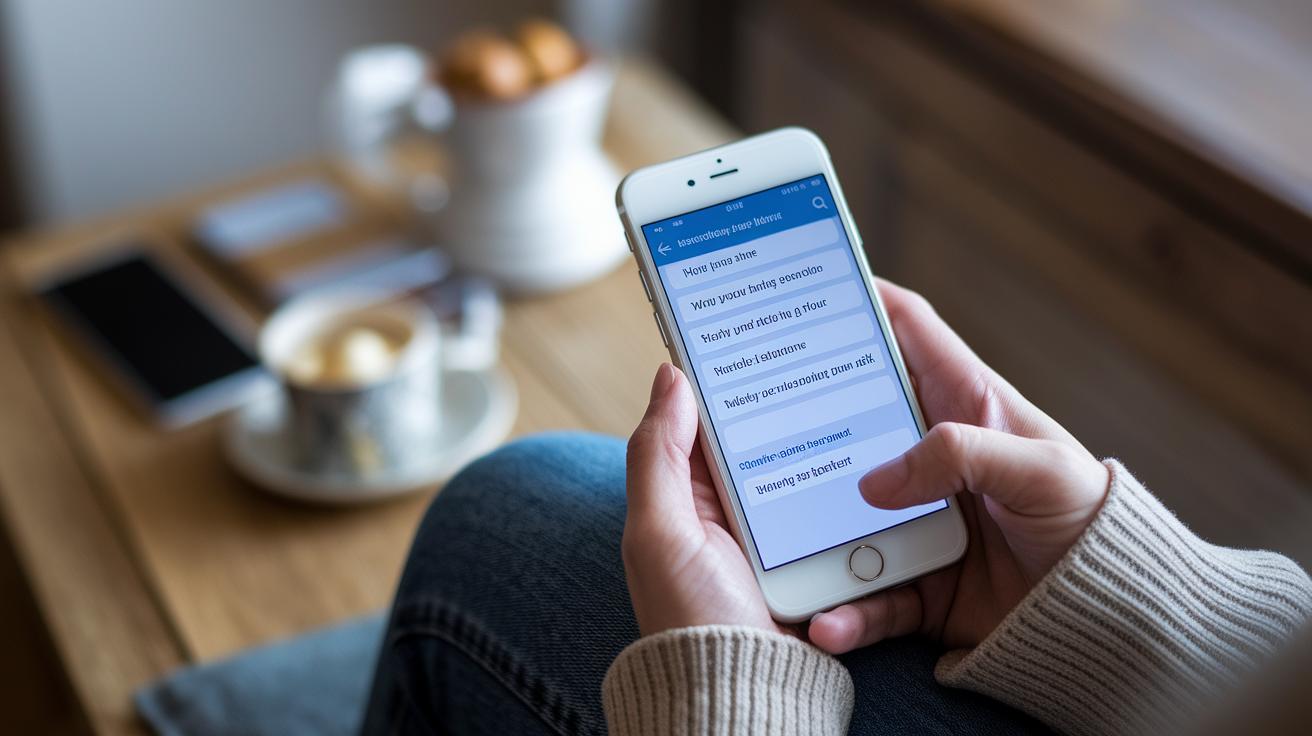
Digital screening questionnaires are online tools that let you check for common COVID-19 symptoms right from home. They follow guidelines from the CDC (Centers for Disease Control and Prevention, which sets health standards) to ask about signs like fever, cough, and any recent exposure to illness, as well as underlying health issues.
For example, a questionnaire might ask, "Have you had a fever today?" and then let you enter your temperature. It’s straightforward and clear.
Mobile apps work much the same way. They allow you to log your temperature each day, note any cough or breathing difficulties, and even check your oxygen levels using a home pulse oximeter (a small device that measures blood oxygen). These apps send you friendly reminders to update your information regularly so you can easily track any changes in your health. Imagine a little nudge saying, "It might be time to check your symptoms again," just when you need it.
Some digital tools also give you a heads-up if your answers suggest you might need a test or a chat with your doctor over telehealth. This automated process helps you and your healthcare provider decide on the best next steps swiftly. By answering a few simple questions each day, you can keep an eye on your condition in an easy, reassuring, and secure way.
Risk Stratification and Severity Scale for Symptom Assessment for COVID-19
When you experience COVID-19 symptoms, sorting them into categories helps guide the type of care you might need. We break it down into three simple groups:
- Mild: You have a few signs without any breathing trouble or abnormal scan results.
- Moderate: Your lungs show some changes and your blood oxygen level is 94% or higher.
- Severe: Your oxygen level drops below 94%, you're breathing more than 30 times a minute, or more than half of your lungs look affected on scans.
Imagine having a slight cough and a low fever while your pulse oximeter reads normal, that usually means a mild condition. But if you notice your oxygen level falling to about 92% and your breathing speeding up, that points to a more serious situation.
If you develop symptoms within 10 days of exposure, it's a good idea to get a PCR test, which checks for active infection. Rapid antigen tests give quick results, but they might miss some cases compared to PCR tests. Also, if you have conditions like diabetes, high blood pressure, heart issues, or extra weight, you're at a higher risk for your symptoms becoming more severe.
This easy-to-follow scale is here to help you decide whether to stay home, consult a doctor through a virtual visit, or go to a healthcare facility for a closer look based on how you feel and what your readings show.
Next Steps After Symptom Assessment for COVID-19: Testing, Isolation, and Care

If you notice any symptoms of COVID-19 or have been exposed to someone at high risk, it’s important to act right away. Stay home for at least five days from when you first felt sick, and only venture out when you’ve been fever free for 24 hours without using fever-reducing medicine. This simple step helps keep your loved ones safe.
Imagine feeling a slight cough or a mild fever. In that case, it’s best to get a COVID-19 test quickly. A PCR test is still the most reliable way to detect the virus, though a rapid antigen test can work well if you can’t get a PCR test immediately.
If your symptoms are mild or moderate, consider using telehealth services. This means you can talk to your healthcare provider from the safety of your home. A virtual check-in lets you share your current condition and get advice on whether you might need to see a doctor in person.
Should you experience any emergency signs like trouble breathing, chest pain, confusion, difficulty staying awake, or blue lips or face, please seek emergency care without delay. Tools like online symptom checkers or even a quick call to your doctor can help determine if testing is needed before symptoms get worse.
Remember, getting tested quickly and practicing strict isolation not only supports your recovery, but it also helps protect the people around you.
Final Words
In the action, this article presented a clear guide on symptom assessment for COVID-19. It covered spotting key signs, tracking the timeline of symptoms, and using digital tools to check your status. The discussion included how to assess risk and know when to reach out for care. Each section is designed to help you feel secure and informed. Stay positive, keep these steps in mind, and take charge of your health every day.
FAQ
What is a COVID assessment test?
A COVID assessment test evaluates your symptoms and risk factors through a series of questions. It helps determine if you may have COVID-19 and advises if you need testing or medical care.
When will I test negative after having COVID and when should I test again after a positive result?
The time to test negative varies. Many see improvement within 5–10 days, but testing again is best guided by your symptoms and your healthcare provider’s advice.
When should I test for COVID after experiencing symptoms?
Testing soon after symptoms begin is key. Early testing helps protect others and provides a timely diagnosis, allowing you to follow the proper care and isolation instructions.
What are the main symptoms of COVID-19?
The main COVID-19 symptoms include fever (≥100.4°F), dry cough, shortness of breath, loss of taste or smell, and fatigue. Other signs may also include muscle aches and headache.
What is the symptom-based rule for diagnosing COVID-19?
The symptom-based rule uses common signs like fever, cough, and loss of taste or smell to decide if you should get tested. It assists in guiding isolation but is not a substitute for a lab test.
How long are you contagious after testing positive for COVID-19?
After testing positive, many individuals remain contagious for about 10 days from symptom onset. Your doctor may advise a longer period if symptoms persist or for those at higher risk.
What is the COVID-19 exposure assessment tool?
The COVID-19 exposure assessment tool is a digital questionnaire that checks for recent risky contact and symptoms. It guides whether you need testing or to take further precautions.
What should I do if I test positive for COVID at home?
If you test positive at home, isolate for at least 5 days, watch for worsening symptoms, and contact healthcare if you experience severe shortness of breath, chest pain, or confusion.
Why might my COVID test be negative after 5 days even if I still have symptoms?
A negative test after 5 days could mean your viral load has decreased or your symptoms are due to another cause. Continue monitoring your health and consult a doctor if concerns remain.

