
Do you ever worry that your symptoms are taking over your life? It might help to jot down how you feel each day. Our simple steps make it easy to track your symptoms with everyday tips that bring clarity to what’s happening inside your body.
When you write down things like pain, dizziness, or feeling extra tired, you can see patterns over time. This practice helps you feel more in control and lets you share what you notice with your doctor. In this way, you can work together to make choices that keep your care on the right track.
Essential Steps for Chronic Symptom Assessment
Living with chronic conditions like migraines or multiple sclerosis can feel really unsettling. When pain comes unexpectedly and symptoms change from day to day, keeping a simple record can help ease your worries and keep you connected with your health.
It helps to note down key details like how severe the pain is, if you feel extra tired, experience dizziness, or notice changes in your vision, speech, or how you move. A simple checklist that includes common conditions, such as diabetes, fibromyalgia, or even cancer, gives you a steady way to track what you’re feeling. This routine becomes a solid guide to understanding your health over time.
A symptom diary is another great tool. You can write down when a symptom starts, rate its intensity on a scale from 1 to 10, and even jot down any potential triggers like a particular food or changes in your sleep routine. Slowly, these notes help you see patterns, which can be really insightful.
Digital monitoring can add another layer of support. For example, you might combine your diary with a telehealth tracker to log updates in real time and then share this information with your provider. Blending a handwritten log with digital tools creates a well-rounded approach to managing your ongoing symptoms.
| Step | Action |
|---|---|
| 1 | Fill in a checklist during your visits |
| 2 | Note the exact time when symptoms start |
| 3 | Score your symptoms on an easy-to-use scale |
| 4 | Record any potential triggers and your daily habits |
| 5 | Share these notes with your healthcare provider |
Next, review the information you’ve gathered with your doctor. This way, you can spot any patterns and fine-tune your treatment plan. Taking these steps not only helps you feel more in control but also builds a clearer picture of your overall well-being.
Persistent Health Evaluation Guide Components

Clear and organized evaluations help patients share their symptoms without having to repeat every detail. This guide combines simple checklists with reviews of health history to keep track of changes like fibromyalgia or chronic fatigue. It also explains easy steps for making your own checklist and even suggests a few mindfulness tips.
Creating a Symptom Checklist
Start by crafting a checklist where patients can note all their symptoms. Ask straightforward questions like, "Do you ever feel unexplained aches or overwhelming tiredness during the day?" This way, you first cover common signs and then move on to the less obvious ones.
A good checklist also records daily habits, triggers, and even mental observations. For example, it helps to notice if long spells of tiredness follow stressful events. Adding small mindfulness exercises, like taking a minute to observe how a challenging day might change your feelings, makes your checklist even more helpful.
Applying Severity Scales
Next, use simple numerical scales, say, a 0 to 10 pain scale or a basic fatigue index, to watch for changes over time. Noting that your pain might go from a 4 to a 7 can help both you and your healthcare team understand when symptoms worsen.
Mix these ratings with mindfulness tips by asking, "How intense is your discomfort, and what thoughts come to mind when you feel this way?" This method deepens your understanding of what you’re experiencing without being repetitive.
Daily Wellness Monitoring Strategies for Chronic Conditions
Tracking your daily symptoms might seem like a hassle, but it gives you and your healthcare team a clear picture of how you're doing over time. Using apps like Flaredown, Symple, or Bearable can help you notice patterns that go way beyond a single day’s notes.
- Write down key symptoms and note when they start and stop.
- Rate experiences like pain or tiredness on a simple 0-to-10 scale.
- Record everyday habits such as sleep, meals, and exercise.
- Add notes later on if you miss a day, so your trend data stays strong.
- Highlight any unusual changes that could guide your doctor’s review.
Sharing these detailed logs during your visits means your provider gets a clear, personalized look at your health journey. Isn’t it reassuring to see your progress laid out so clearly?
Condition Journal Solutions in Chronic Symptom Assessment

Keeping track of your daily symptoms helps you notice changes and see trends over time. You can write in a paper notebook or use an electronic diary. Note details like when the symptom started, how strong it was, and any factors such as what you ate or the weather that might have affected you. An electronic diary can even remind you to write your entry and lets you share information easily with your doctor. A paper log, on the other hand, gives you a quick, hands-on way to jot things down.
| Date/Time | Symptom | Intensity | Trigger | Notes |
|---|---|---|---|---|
| 06/01 08:00 | Headache | 6 | Weather | Started after rain |
| 06/02 14:30 | Joint Pain | 4 | Activity | After exercise |
| 06/03 10:15 | Fatigue | 7 | Sleep | Interrupted sleep last night |
| 06/04 19:00 | Dizziness | 5 | Meal | After a heavy lunch |
Pick the style that works best for you. A paper journal might let you quickly scribble a detail like, "At 07:30, felt an unexpected muscle ache on a bright morning." Meanwhile, an electronic diary can smoothly add reminders and extra help to make note-taking effortless. Both methods are simple ways to keep track of your health clearly and safely.
Mobile Tracking Systems for Chronic Symptom Evaluation
We’ve moved the details about tracking chronic symptoms with mobile systems into our Digital Monitoring Strategies section. This keeps things clear and avoids covering similar features more than once.
Wearable Monitor Integration in Chronic Symptom Tracking
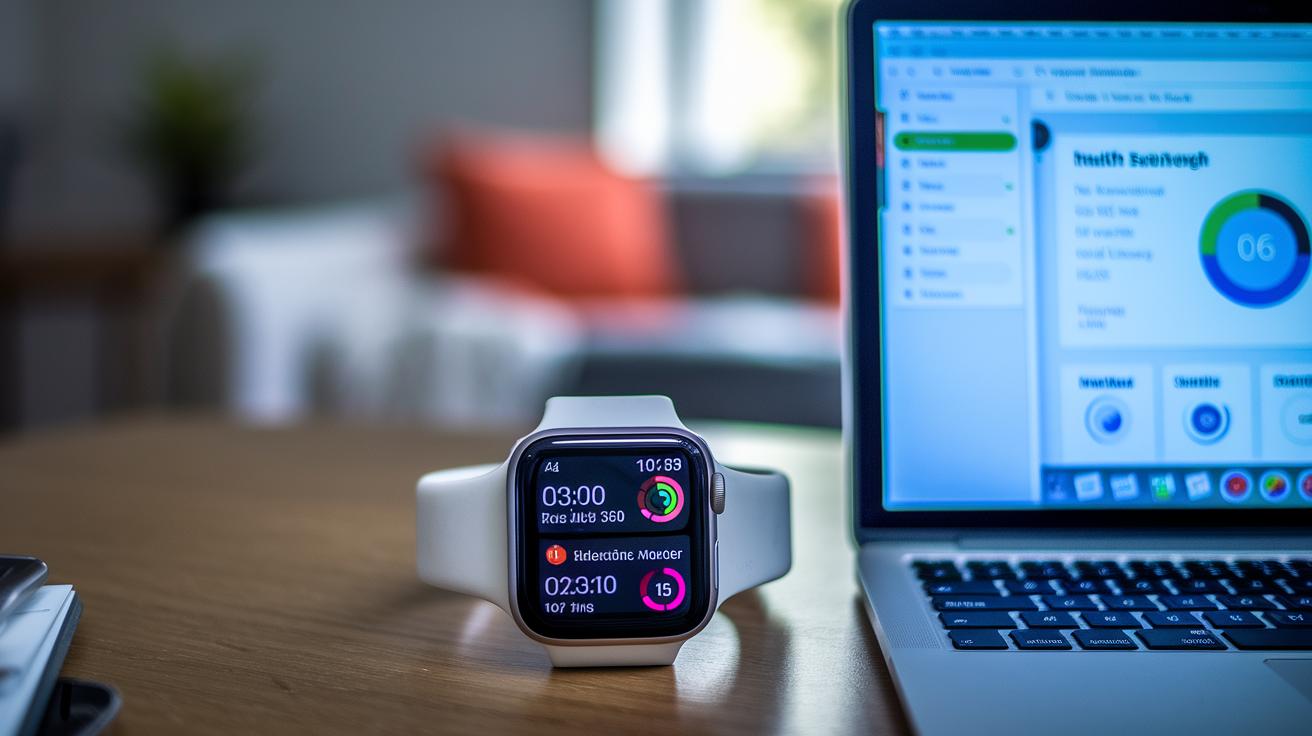
Wearable devices act like a mini checkup you wear all day. They keep tabs on your heart rate, sleep patterns, and how active you are, helping you spot changes that might go with your symptoms. This real-time info gives you and your doctor a clearer picture of your everyday well-being.
Syncing Wearables with Apps
These devices easily connect with health apps that show easy-to-read dashboards. Have you ever noticed a quick alert when your heart rate suddenly goes up? Or seen that a night of poor sleep lines up with more discomfort? This smooth connection makes it simple to keep an eye on your health every day.
Using Data in Virtual Visits
When you have a telehealth visit, sharing your wearable data helps your doctor understand your symptoms much faster. Your provider can look at simple graphs and trends, which can lead to quicker changes in your care plan. This online review means you get the right advice fast, even without coming into the office.
Your privacy is important, too. Most wearable systems use strong security and privacy settings, keeping your information safe as you stay connected with your care team. Isn't it comforting to know your data is well-protected?
Visual Data Charting Techniques for Chronic Symptom Trends
Visual charts turn everyday numbers into snapshots of your health. They take raw data and create a picture that helps you see changes over time and notice patterns that might get lost in a list of numbers.
For example, you might use a simple line graph. It shows how symptom severity changes over time so you can catch gradual shifts in pain levels. A heat map, on the other hand, highlights the moments when pain peaks, like a bright spot on a colorful calendar, that help you know when discomfort is strongest during your day or week.
You could also try a bar chart. This type of chart compares how often symptoms appear when different things trigger them, making it easier to spot which factors might be causing more pain. And then there’s a scatter plot, which can show if there’s a link between two things, like how much you sleep and your weekly pain scores, offering clues about what might be affecting you.
Talking these visuals over with your healthcare provider can turn your daily tracking into clear, actionable insights. Imagine noticing that a rough night’s sleep lines up with a day of higher pain. That realization might encourage you to explore little lifestyle tweaks that could help you feel better. By looking at your charts, you may see patterns that guide you toward better treatment options and a more active role in managing your chronic condition.
Final Words
In the action of this discussion, the post broke down a clear framework for chronic symptom assessments. We looked at a balanced mix of intake checklists, daily monitoring strategies, condition journal methods, and digital tools like mobile apps and wearables.
These approaches come together to bring practical, patient-first ways to track ongoing symptoms. Use chronic symptom assessment tips as a guide to improving care and keeping sensitive information secure. Keep moving forward with confidence and a clear focus on better health outcomes.
FAQ
What are some examples of medically unexplained symptoms?
The medically unexplained symptoms examples often include persistent pain, chronic fatigue, dizziness, or gastrointestinal issues that do not have a clear medical cause even after thorough evaluations.
How is the diagnosis of medically unexplained symptoms conducted?
The medically unexplained symptoms diagnosis involves a process where clinicians rule out known diseases and use various tests and assessments to determine that the symptoms cannot be directly linked to any identifiable medical condition.
What is a chronic pain assessment questionnaire PDF?
The chronic pain assessment questionnaire PDF is a downloadable tool used by healthcare providers to measure pain intensity and its impact through a series of structured questions and rating scales.
What does a medically unexplained symptoms PowerPoint presentation include?
The medically unexplained symptoms PPT typically includes slides that cover case studies, evaluation methods, and approaches for managing symptoms that lack a clear physical explanation.
What is the palliative care assessment checklist used for?
The palliative care assessment checklist is used to review patient needs, symptoms, and care goals, ensuring that everyone’s comfort, dignity, and quality of life are maintained during advanced illness stages.
How does symptom assessment work in palliative care?
The symptom assessment in palliative care involves evaluating physical, emotional, and psychological symptoms to create a patient-centered care plan that aims to keep patients as comfortable as possible.
How are medically unexplained symptoms defined?
The medically unexplained symptoms definition refers to persistent complaints such as pain or fatigue that lack a clear, identifiable medical cause even after careful diagnostic workup.
What role does psychiatry play with medically unexplained symptoms?
The medically unexplained symptoms Psychiatry approach incorporates psychological evaluations and therapies to help manage symptoms that do not have a clear physical origin.
How should one assess someone with chronic pain?
The approach to assess someone with chronic pain includes using standardized pain scales, gathering a detailed history, and observing both physical and emotional responses during assessments.
What is the most appropriate method for pain assessment in patients with chronic pain?
The most appropriate method for pain assessment involves self-report pain scales, such as a 0 to 10 rating system, alongside careful patient history and regular symptom tracking to guide treatment.
What are the seven features of a symptom?
The seven features of a symptom include its intensity, duration, frequency, onset, triggers, impact on daily living, and any accompanying signs or changes noted during observation.
What are common symptoms of a chronic illness?
The symptoms of a chronic illness often involve ongoing pain, fatigue, intermittent physical discomfort, and emotional challenges, with variations depending on the specific condition and individual experiences.

