
Are you looking for a new career that truly makes a difference in how we care for one another? Digital health jobs blend everyday computer skills with real patient care. They let you work with technology while still focusing on people, whether you're handling computer tasks or taking on leadership roles in safe, efficient settings. In this post, we explore five standout careers in digital health that not only boost your professional growth but also let you help shape the future of healthcare.
5 digital health jobs spark career growth
Digital health jobs mix medicine with technology to make patient care better and safer. These roles cover a wide range of work, from tech jobs that need computer skills to manager jobs that require smart business insights. They bring together teams who build secure digital spaces, speed up care, and help patients and providers talk easily. Did you know many digital health projects start with a small team in a modest office and then grow into worldwide operations as their ideas prove successful?
Digital health careers are shaping the future of care by putting new technology into everyday health work. Recruiters like Hartmann Young help connect job seekers with roles at both big companies and nimble startups. Their network opens doors for professionals at every level, matching your tech know-how and personal strengths with the right job.
Below are some popular digital health positions:
| Job Title |
|---|
| Web Application Developer |
| Software Engineer |
| Product Engineer |
| Product Manager |
| 3D Printing Tissue Specialist |
| Virtual Hospital Manager |
This ever-changing field is broad, and companies are always on the lookout for talent. They need people with solid technical skills who also understand the unique needs of healthcare. Firms like Hartmann Young bring together job seekers and digital health innovators, offering opportunities across many regions. It’s a chance to work in environments that are both challenging and truly rewarding.
Core Digital Healthcare Careers and Essential Skills

Clinical Digital Health Roles
In clinical digital health roles, the main goal is to care for patients using digital tools. Professionals such as telehealth nurses, eHealth consultants, or virtual patient care specialists not only have strong clinical backgrounds but also know how to use software that keeps health records safe. They usually hold nursing or allied health certifications and frequently update their skills with the latest secure tech tools. For example, an eHealth consultant might set up a simple virtual checkup system that lets patients easily see their health information.
Technical Digital Health Roles
Technical digital health jobs include roles like web app developers, software engineers, product engineers, and specialists in 3D printing tissues. Web app developers often need a bachelor’s degree in computer science along with hands-on experience building secure and easy-to-use interfaces. Software engineers use basic principles of engineering to craft digital tools that help improve health outcomes. Product engineers, who often have a background in mechanical engineering, design and test medical devices. Meanwhile, 3D printing tissue specialists are busy working on new ways to print biological materials. In a nutshell, a software engineer might create a patient data system that feels as secure as locking up a precious family keepsake.
Business & Strategy Digital Health Roles
Business and strategy roles focus on connecting technical development with real-world healthcare needs. Jobs like product management, business development, digital health project management, and strategy consulting play a key role in bridging gaps between technology and patient care. Professionals in these areas often have degrees in computer science or electrical engineering along with solid management experience. They guide projects from idea to launch, ensuring that new health solutions fit everyday needs. For instance, a product manager might build clear plans that help technical teams turn complex ideas into simple, useful tools for patients.
Remote and Virtual Digital Health Roles
Telehealth jobs are growing fast as digital tools change how doctors care for patients. Today, working from home in healthcare isn’t just a nice option, it’s a real need. This change lets patients get safe care wherever they are, using strong, secure communication and easy-to-use technology. For instance, a telehealth expert might run live video calls on a simple platform so patients get quick help without leaving home.
Jobs like virtual hospital manager, telehealth consultant, and remote healthcare coach are key in this new work world. Virtual hospital managers, like the team at Mercy Virtual, set up on-call nurses and organize video doctor meetings to keep things running smoothly. At the same time, telehealth consultants and healthcare coaches work with health groups and tech teams to provide care that feels just as dependable as a visit in person.
Career Progression: From Entry-Level to Executive in Digital Health

Many people begin their digital health journey in entry-level positions like clinical implementation analysts or telehealth coordinators. In these roles, they work closely with secure digital systems and see firsthand how technology makes patient care better. One professional once said, "My first role taught me how to manage patient data securely, and that foundation made every step forward clearer."
As careers grow, many move into management positions such as digital health managers. In these roles, you lead project teams, smooth out health tech operations, and solve everyday challenges with digital systems. These jobs call for clear communication and a solid understanding of new technologies.
For those aiming for executive roles like chief digital health officer, taking a thoughtful and strategic approach is key. Experts like Hartmann Young share market insights that keep you updated on new rules and tech advancements. It helps to earn extra certifications, join industry events, and seek advice from mentors. I remember someone saying, "A mentor once showed me how a simple certification course could open new doors in leadership." By mixing continuous learning with practical experience and active networking, you set yourself up for a smooth move from technical work to strategic leadership in digital healthcare.
Salary Insights and Digital Health Job Market Trends
Digital health roles are booming as more money flows into innovative tools and expanded telehealth services. Venture capital is now fueling both startups and established firms that are transforming healthcare. Hartmann Young works in APAC, EMEA, and the USA, and they see a growing need for professionals with modern tech skills. For example, Mercy Virtual built a massive 125,000-square-foot telehealth center that truly sets a new standard for remote care.
| Growth Driver | Proof in Action |
|---|---|
| Investment Surge | More funds are now available for digital health startups |
| Telehealth Expansion | Mercy Virtual’s 125,000-sq-ft center leads the way |
| Global Teams | Hartmann Young’s operations in APAC, EMEA, and the USA |
As the digital health job market continues to evolve, professionals have a solid base to build their salary expectations. Understanding these key growth drivers can help you negotiate better pay and benefits with confidence. With more venture capital support and booming telehealth services, experts now have plenty of opportunities to showcase how they can drive secure and efficient digital solutions. Employers are keen to offer competitive pay to candidates who make a real impact, so now is the perfect time to research market data, gather proof of your contributions, and negotiate a contract that reflects your true value.
Professional Development and Networking for Digital Health Careers
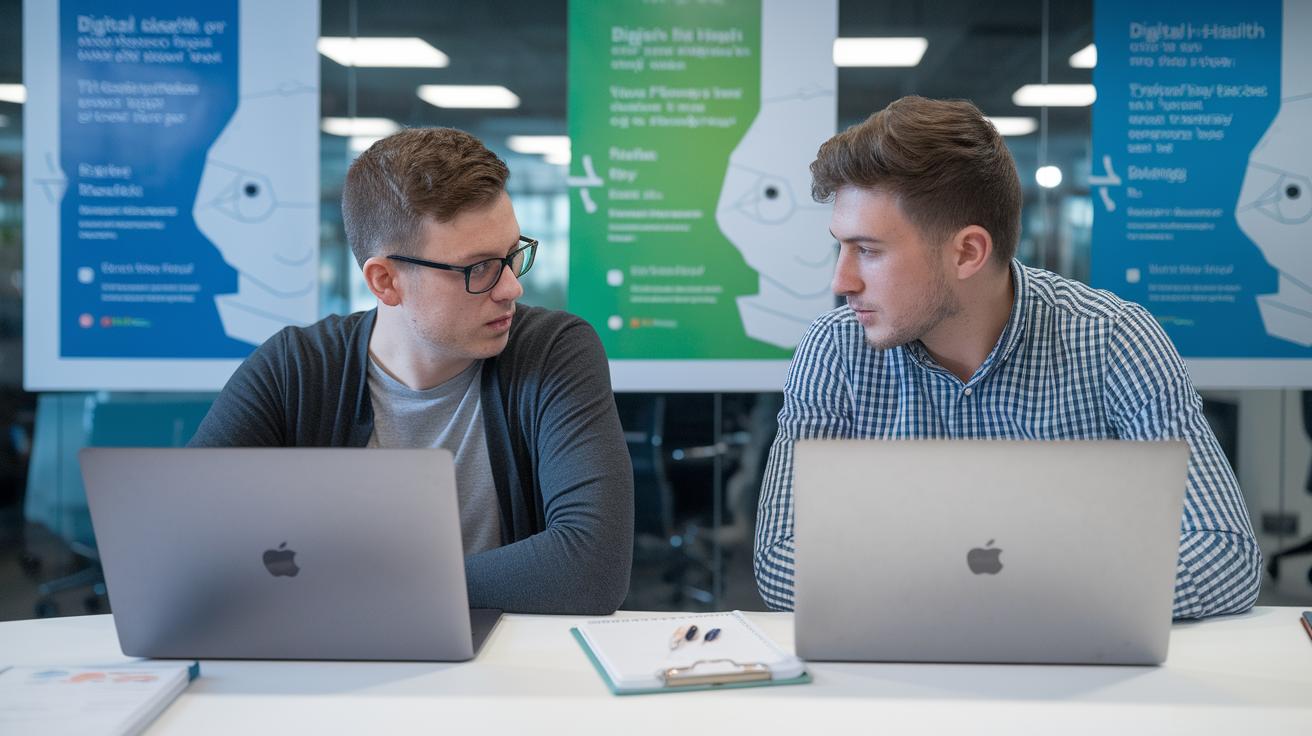
Job boards and online hiring sites can be your gateway to fresh and rewarding roles in digital health. Companies like Hartmann Young and ORCHA offer mentorship programs that connect you with seasoned experts in health IT, giving you that personal boost to navigate your career. Certifications in health informatics, telehealth program management, and digital therapeutics don’t just look good on paper, they help you stay updated with the latest in patient care technology. Plus, joining virtual conferences and job fairs lets you hear firsthand advice and insider insights from industry pros.
Building the right skills and staying active at industry events are key to moving ahead in digital medicine. Whether you’re tackling formal courses or hands-on workshops, these opportunities not only refine your abilities but also help you build a network of supportive peers and mentors. By making the most of these resources, you can grow into a trusted professional in digital health and play a vital role in making healthcare safer and more reliable.
- Accredited health informatics certification programs
- Telehealth operations workshops
- Digital therapeutics training courses
- Annual digital health networking conferences
Emerging Sectors and Future Outlook for Digital Health Jobs
Digital therapeutics, AI health analytics, and mobile health innovations are changing digital health roles in a big way. Companies now use smart algorithms to create care that fits each patient. Imagine a system that tweaks treatments based on real-time data, it really pushes healthcare beyond the old methods. It's an exciting moment, drawing in people who love blending tech with health care.
New advances like 3D bioprinting and precision medicine are also opening up jobs that didn’t exist just a few years back. Think of roles like VR rehabilitation specialists who offer immersive experiences, along with chief digital health officers ready to lead big changes. This trend toward specialized skills is fueling fresh opportunities in research and product creation.
As startups with venture support and established companies grow their innovation teams, the future for digital health jobs looks brighter every day. Professionals are encouraged to learn new technologies, boost their analytical skills, and stay flexible. Consider someone moving from traditional radiology to AI-driven diagnostics, it shows that modern training and the willingness to adapt are keys for a lasting career in this field.
Final Words
In the action of exploring digital health jobs, we examined a range of roles, from software engineers and product managers to remote care experts. The discussion shed light on diverse career paths, required skills, and market trends that shape tomorrow’s healthcare solutions.
We wrapped up with practical tips on growth, clear pathways to advance from entry-level to executive positions, and valuable insights into a secure, forward-thinking work environment. Embrace the future with confidence and optimism, knowing that digital health jobs are paving the way for enhanced patient care.
FAQ
Where can I find digital health jobs in various regions and remotely?
Digital health jobs span many areas—including California, Texas, Europe—and remote work. Companies offer roles like web application developer and telehealth specialist through startups and established healthcare tech providers.
What is the earning potential for digital health jobs?
The earning potential for digital health jobs varies by role and location. Entry-level positions offer competitive starting wages, while experienced professionals may earn higher pay based on additional responsibilities and employer size.
What entry-level options exist in digital health careers?
Entry-level digital health roles include junior technical and clinical support positions. These opportunities let new professionals gain hands-on experience with secure health technology and build a strong foundation for growth.
What do digital health consulting jobs entail?
Digital health consulting jobs involve advising healthcare organizations on implementing secure technology systems, regulatory compliance, and effective care delivery strategies. Consultants help streamline operations through user-friendly digital solutions.
What does a digital health specialist do?
A digital health specialist designs, implements, and manages secure health technology. They work to improve patient care by ensuring systems are efficient, compliant, and tailored to meet evolving healthcare needs.
Which healthcare job is known for its relaxed environment?
Some digital health roles are seen as more relaxed due to flexible work arrangements and a balanced workload. These positions can offer a less stressful alternative to traditional, high-pressure healthcare jobs.
What is the role of digital health in healthcare?
The role of digital health is to improve care delivery using secure technology. It enhances patient engagement, supports remote monitoring, and streamlines data management, contributing to better overall health outcomes.

