
Have you ever wondered if a small bump can change your day? A quick tap on the head might leave you feeling off or a little confused, but you can still find your way to recovery. Today, doctors focus on simple, step-by-step plans that help you get back on track at a gentle pace. They now suggest easy physical and brain exercises that let your mind mend safely. Read on to learn how to spot early signs of a concussion and follow a plan to brighten your recovery path.
Concussion Treatment Overview: Protocols and Best Practices
A concussion happens when you get a bump or jolt to your head. This can make you feel confused, off-balance, or dizzy for a little while. Most often, falls cause these injuries, showing that everyday accidents can sometimes lead to head trauma. Even though a head injury might sound serious, it's very rare for a concussion to be fatal. When you add active rehabilitation to the treatment, most people start feeling better in just 2 to 3 weeks. Think of recovery like following a friendly, step-by-step plan that helps you get back on track.
The main treatment for a concussion uses proven, evidence-based plans. It focuses on active rehabilitation, which means you do gentle physical and mental exercises instead of staying completely still. Like a small spark that lights a cozy campfire, light exercises and gradually resuming daily activities help the brain heal. It’s important to keep a close watch on your symptoms to catch any changes quickly. Patients and care providers work side by side, often checking progress and adjusting the pace based on how fast the recovery is going.
The recommended plan is to slowly return to your normal activities. Usually, you start with rest and then carefully introduce simple tasks that engage both your mind and body. This careful step-by-step method lowers risks and also helps manage problems like post-concussion syndrome, where about one in five people might experience lingering symptoms. By mixing rest with activity, we make sure that the recovery is safe, effective, and in line with the latest health guidelines.
Concussion Symptom Recognition and Self-Care Guidelines

After a bump to the head, you might feel a headache, dizziness, or even irritability and trouble sleeping. These signs can show up right after the injury or sometimes a day or two later. It’s important to listen to your body and let your doctor know how you feel, because scans like CTs or MRIs might not reveal the full story.
In the first 24 hours, rest is really important. If you’re not experiencing serious issues like repeated vomiting or severe confusion, try to get plenty of sleep. Over the next couple of days, stick to gentle activities such as light reading, easy stretching, or drawing. Keeping away from bright lights, loud noises, or busy places can help keep your symptoms from getting worse.
It might also help to use a tool to track your progress. For instance, you can try a DIY symptom tracker to see how you're doing. Sometimes, a quiet moment can be all you need to notice small changes in how your body feels. Remember, take your time and give yourself the space to recover safely.
Acute Concussion Intervention and Initial Management
When a head injury happens, acting quickly can protect someone’s health. The first step is to take the person out of the game or any activity they were doing. This helps you keep a close watch on their vital signs and catch any early warning signs like loss of consciousness, repeated vomiting, or a worsening headache. Resting both the body and the mind gives the brain a break from added stress.
Healthcare providers often follow local concussion protocols to guide the next steps. This may include a simple brain test, such as the ImPACT test, to compare how the brain works before and after the injury. Keeping both physical and mental activity low is key to give the brain time to recover.
For head injuries from sports or everyday activities, these first steps are very important. Here are some clear instructions:
- Move the person out of the activity and check their vital signs.
- Encourage rest and allow safe sleep if no dangerous signs are present.
- Avoid activities that need heavy thinking, like using screens or reading.
- Keep the environment calm by reducing bright lights and loud sounds.
- Have a medical professional review the situation following concussion guidelines.
- Watch for any red-flag symptoms and call emergency services if they appear.
These quick actions set the stage for a careful check-up by a healthcare professional and help ensure that the person is safely cared for from the start.
Active Rehabilitation and Concussion Recovery Process
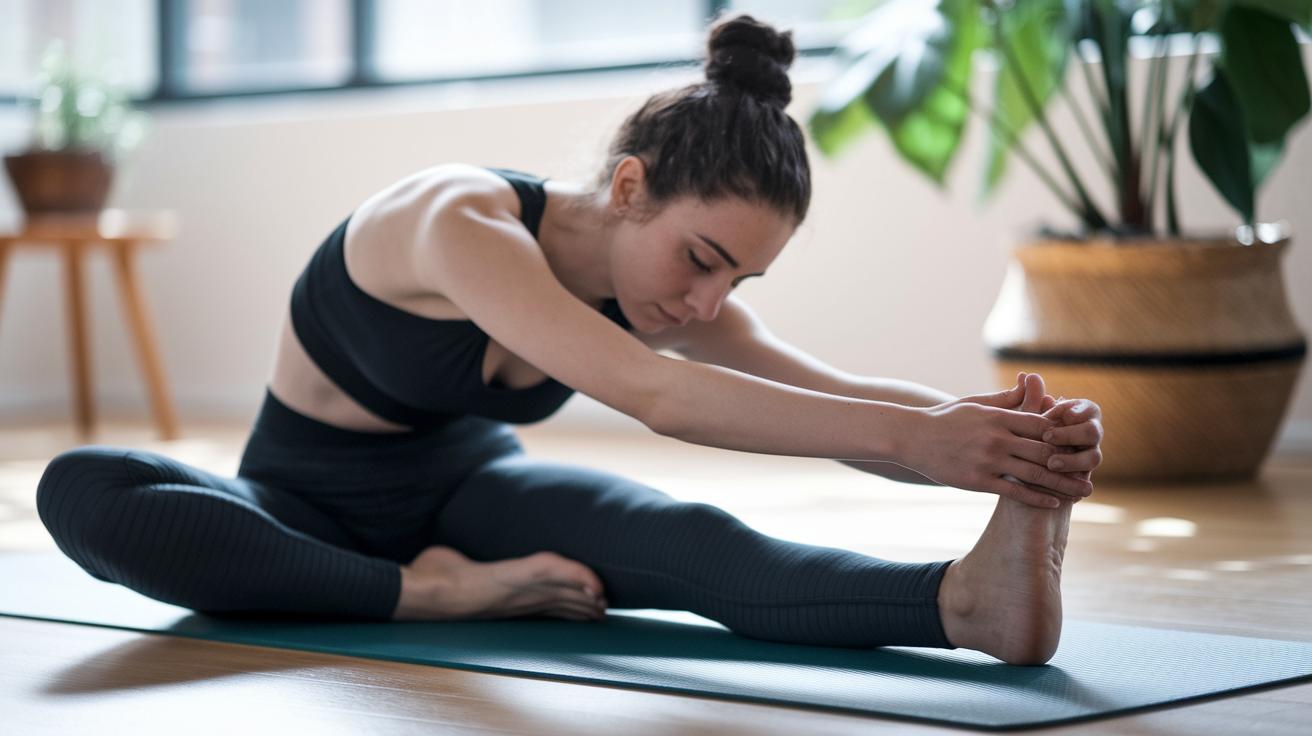
Active rehabilitation turns a slow, waiting recovery into a lively process where specific exercises and a careful plan help you regain confidence and everyday function. Research shows that workers who take an active approach return to work about 14 days earlier than those who rest completely in bed. Plus, exercise boosts important chemicals in your brain that help repair nerve cells and keep your thinking sharp.
Physical Rehabilitation
Start by doing gentle exercises like walking or cycling. Keep your heart rate in a safe zone, usually around 50-60% of your maximum, and begin with 10-15 minute sessions. As you heal, you can slowly add exercises that match your daily activities. For example, try light jogging or simple ball drills. Always listen to what your body is telling you and increase the intensity gradually.
Cognitive Rehabilitation
Ease back into mental activities slowly. Begin with short reading sessions or limited screen time, and make sure to take breaks often. Think of your brain like a muscle that needs a warm-up. Spending a few minutes on simple puzzles or light mental tasks can help improve your focus and memory without feeling too tiring.
Vestibular and Balance Training
Good balance is key to feeling steady during your recovery. Start with easy exercises like standing on one foot or walking heel-to-toe. If you feel a little wobbly, don't worry, it’s part of the process. As you get more comfortable, add exercises that gently shift your weight from one side to the other. This step-by-step progress helps restore your balance so you can get back to your normal daily activities safely.
Management of Post-Concussion Syndrome and Symptom Relief
After you have a concussion, you might notice symptoms sticking around for weeks or even months. In fact, about 1 in 5 people develop what we call post-concussion syndrome. This can show up as constant headaches, changes in mood, trouble sleeping, or even difficulties with memory and focus. Many patients mention that headaches continue well after the injury, with nearly one-third still experiencing them later on.
A big part of feeling better is getting your sleep on track. Sticking to a regular sleep schedule, enjoying a quiet room, and putting your screens away before bed can really help your brain get the rest it needs. Plus, gentle techniques like deep breathing or talking things through (like in cognitive-behavioral therapy) can ease stress and make mood swings easier to handle.
Eating well matters too. A diet full of omega-3 fatty acids and antioxidants could reduce inflammation and support healing. Consider checking out nutritional ideas for stress management if you need extra support. By mixing good rest, stress relief practices, and healthy eating, you can take important steps toward easing symptoms and helping your brain recover.
Specialized Concussion Care for Pediatric and Senior Patients

For our younger patients, we design a treatment plan that feels gentle and carefully watched. Kids and teens do simple physical and brain exercises in calm settings. Their school day is adjusted with breaks or early pick-ups so they can stay on track without overdoing it. A handy symptom tracker helps us see how they're doing and quickly tweak their plan if needed. When it comes to returning to sports, we take things slow and extra carefully to avoid any second hits.
Older patients often face extra challenges, too. Seniors may have a higher risk of falls or other health issues, so their treatment is customized just for them. They receive closer medical checks and plans that fit their needs just right. In all cases, personal care is at the heart of the process. By making sure every patient feels safe and valued, we help them heal more smoothly. Regular check-ins and honest conversations with healthcare providers keep progress on track while guarding against setbacks.
Diagnostic Evaluation and Monitoring in Concussion Treatment
Diagnosing a concussion can be a bit tricky. Even though tests like CT scans and MRIs are done, they mostly help rule out things like bleeding or broken bones. In most concussion cases, these scans look normal. So, doctors often trust their own expertise and listen closely to how you say you feel.
Tests like the ImPACT test check how well your brain is working compared to an earlier test. These baseline and follow-up tests show small changes in memory, focus, and overall thinking. This makes it easier for your doctor to see if your brain is healing.
Sometimes, specialists do neuropsychological tests to see if you have trouble with memory or concentrating. When you share details about your symptoms and they review these tests, it gives them a clear view of your recovery journey.
New technology is helping, too. Tools like wearable devices and mobile apps now track your symptoms and activity all day. They work like remote check-ins, so your doctor can follow your progress safely even when you’re not in the clinic.
| Diagnostic Tool | Purpose | Notes |
|---|---|---|
| CT Scan | Rule out bleeding or fracture | Often normal in concussion cases |
| MRI | Find soft-tissue injuries | Not usually needed for mild cases |
| ImPACT Test | Measure brain performance | Needs baseline data for best results |
| Neuropsychological Assessment | Check memory and focus | Done by a specialist |
| Wearable/Apps | Monitor symptoms and activity | Helps with remote tracking |
Emerging Therapies and Evidence-Based Trends in Concussion Management

New approaches are transforming how we care for concussions. By mixing modern technology with active rehabilitation, these methods give patients a clearer path to recovery. For example, studies on Cognitive FX have shown a 77% drop in symptoms, suggesting that these strategies can really make a difference.
Natural and Alternative Therapies
Natural treatments provide a gentle way to manage concussion symptoms. Acupuncture can ease headache pain and help improve sleep, while cryotherapy uses cold to lower swelling. Light therapy might also calm the brain by easing nerve signals. These options work well with standard care and offer a kind, noninvasive way to support recovery.
Technological Innovations
Today’s technology plays an important part in concussion treatment. Devices like virtual reality balance platforms and wearable neurostimulation gadgets let patients track their progress as they heal. Cognitive FX, for instance, uses specific exercises to actively engage the brain, and strong research results suggest it might be a real game changer. These tools help doctors create treatment plans that are tailored to each person’s needs while clearly showing progress.
Evidence-Based Research and Guidelines
Recent studies encourage moving away from complete rest and toward controlled, gentle activities. Research shows that exercise can boost brain repair chemicals, like BDNF (brain-derived neurotrophic factor, which helps brain healing), while carefully managed sensory exposure can reduce feelings of overwhelm. Updated clinical guidelines now focus on active rehabilitation and regular check-ups, making sure therapy remains both safe and effective.
Final Words
In the action of advancing healthcare outcomes, the post breaks down concussion treatment and recovery into easy steps. It covers immediate interventions, symptom recognition, active rehabilitation, and monitoring.
The article weaves practical concussion treatment tips with a clear guide to managing daily recovery. It leaves us feeling hopeful knowing that with proper care, recovery is achievable and supported by evidence-based practices. This straightforward approach underlines that maintaining secure, informed health decisions builds a brighter path forward.
FAQ
What are the 6 stages of concussion recovery?
The 6 stages of concussion recovery refer to initial rest, light aerobic exercise, sport-specific drills, non-contact training, full-contact practice, and final return-to-play clearance. They guide a safe progression back to activity.
What are common concussion symptoms, including mild symptoms and headache?
Concussion symptoms include headache, dizziness, irritability, and sleep disturbances. Mild symptoms may also involve blurred vision and sensitivity to light or noise, which are key signs to monitor after a head injury.
What is mild concussion treatment?
Mild concussion treatment involves a period of active rest, careful symptom monitoring, and a gradual reintroduction of light physical and cognitive activities, all while avoiding strain until medical evaluation provides guidance.
What is the usual concussion recovery time?
Concussion recovery time typically lasts between 1 to 2 weeks with proper care, though some individuals may experience lingering symptoms or post-concussion syndrome requiring a longer timeframe to heal.
What should be done immediately after a concussion?
Immediately after a concussion, remove the person from intense activity, encourage rest in a calm environment, limit bright lights and loud sounds, and seek medical evaluation if red-flag symptoms appear.
What is involved in a concussion test?
A concussion test includes clinical symptom assessments and neurocognitive evaluations, such as the ImPACT test, to compare current performance with baseline data and help determine the severity of the injury.
How can one heal a concussion faster?
Healing a concussion faster means following a structured active rehabilitation program, gradually increasing both physical and mental activities under guidance, and allowing the brain time to rest and repair naturally.
What are the 3 R’s in treating a concussion?
The 3 R’s to treat a concussion are Rest, Rehabilitation, and Return-to-Play. This approach focuses on providing adequate rest, gradually reintroducing activity, and ensuring safety before fully resuming normal routines.

