
Ever wonder if quality care could be just one click away? Telehealth is making it simple to get help right from home. It offers real-time support and even checks on how you’re doing, almost like having a doctor in your pocket.
Recent studies show that remote visits can work just as well as in-person ones, without the long trips or waiting rooms. Using digital tools not only makes healthcare safer and easier but also helps you stick to your treatment plan.
In a nutshell, telehealth is opening the door to better care and healthier lives for everyone.
Assessing Telehealth Effects on Patient Outcomes
Telehealth can really change how patients feel and recover. A study in Telemedicine and e-Health shows that digital patient engagement makes it easier to get care and often helps doctors offer more focused advice while keeping costs down. For example, one study found that remote follow-up visits give the same quality of care as face-to-face visits but cut down on travel and scheduling hassles.
Telehealth is also reshaping many parts of healthcare, from children’s visits to managing long-term conditions. Doctors now use virtual sensors and real-time monitoring to check on symptoms and adjust treatments quickly. Here’s a friendly tip: think of remote check-ups like tending to a cherished plant at home, you check in regularly to help it thrive. These changes are leading to better stick-to-your-plan habits, fewer missed appointments, and overall healthier outcomes. In truth, this shift is redefining quality care to be both efficient and within reach for everyone.
Digital platforms are making virtual services safer and more reliable by reducing risks linked with crowded places and infections. The rapid rise of telehealth during the COVID-19 pandemic set new benchmarks for remote diagnosis and ongoing care. With dependable data at their fingertips, health providers can better track treatment results and decide on next steps. And by cutting down on in-person visits, telehealth keeps care uninterrupted and supports steady recoveries for many.
In all, telehealth is steering us toward a future with care that is sustainable, cost-efficient, and truly patient-focused.
Telehealth Benefits in Chronic Disease Management

Telehealth makes managing long-term conditions easier with smart remote tools. Patients with diabetes, for instance, can use gadgets that constantly check blood sugar levels and quickly alert caregivers if something seems off. Folks with heart problems can wear devices that watch their heart rhythms in real time, giving early warnings if any irregularities pop up.
Another neat part of telehealth is the focused education sessions it offers. These sessions guide patients on how to handle their conditions every day, sharing simple advice on diet and exercise that fits their unique treatment plan. Studies show that when patients use these tools, they tend to have fewer health issues and stick to their routines better.
Telehealth also helps clear up common hurdles in traditional care. Digital platforms let doctors adjust medications and renew prescriptions swiftly, cutting down long waits. Plus, detailed symptom trackers offer more than just basic stats, they give insights into trends for conditions like diabetes and heart disease that can really inform care.
Overall, these personalized telehealth approaches use tailored treatments and education to make chronic disease management more effective and reassuring.
Comparative Analysis: Telehealth versus In-Person Care Outcomes
Telehealth is showing great promise compared to meeting your doctor in person. Studies tell us that online check-ups can work just as well, or even better, than traditional visits. Plus, they cost less and you don't have to wait as long. Many providers share that patients love the smooth digital follow-ups, which save time and money by cutting down on travel.
Here are some clear benefits of telehealth:
- Cost Efficiency: Online visits often cost less because you skip the travel and extra facility fees.
- Readmission Reduction: Quick, remote follow-ups help catch issues early, so patients are less likely to end up back in the hospital.
- Patient Satisfaction: Many digital appointments score really high in satisfaction, with some providers, like Teladoc, boasting ratings around 90%.
- Infection Risk Mitigation: Virtual care means fewer trips to busy clinics, lowering the chance of picking up infections.
| Metric | Telehealth | In-Person |
|---|---|---|
| Cost per visit | Lower, thanks to fewer overhead and travel expenses | Higher, due to facility and administrative fees |
| Readmission rate | Lower, with quick remote follow-ups catching issues early | Higher, often affected by delays and travel challenges |
| Patient satisfaction | High, with some providers reporting near 90% approval ratings | Varies based on wait times and added administrative steps |
| Follow-up interval | Shorter, which allows for faster care adjustments | Longer, sometimes delaying needed intervention |
| Infection risk | Much lower by avoiding crowded waiting rooms | Higher, due to more exposure in busy clinics or hospitals |
Patient Satisfaction and Engagement in Telehealth Services
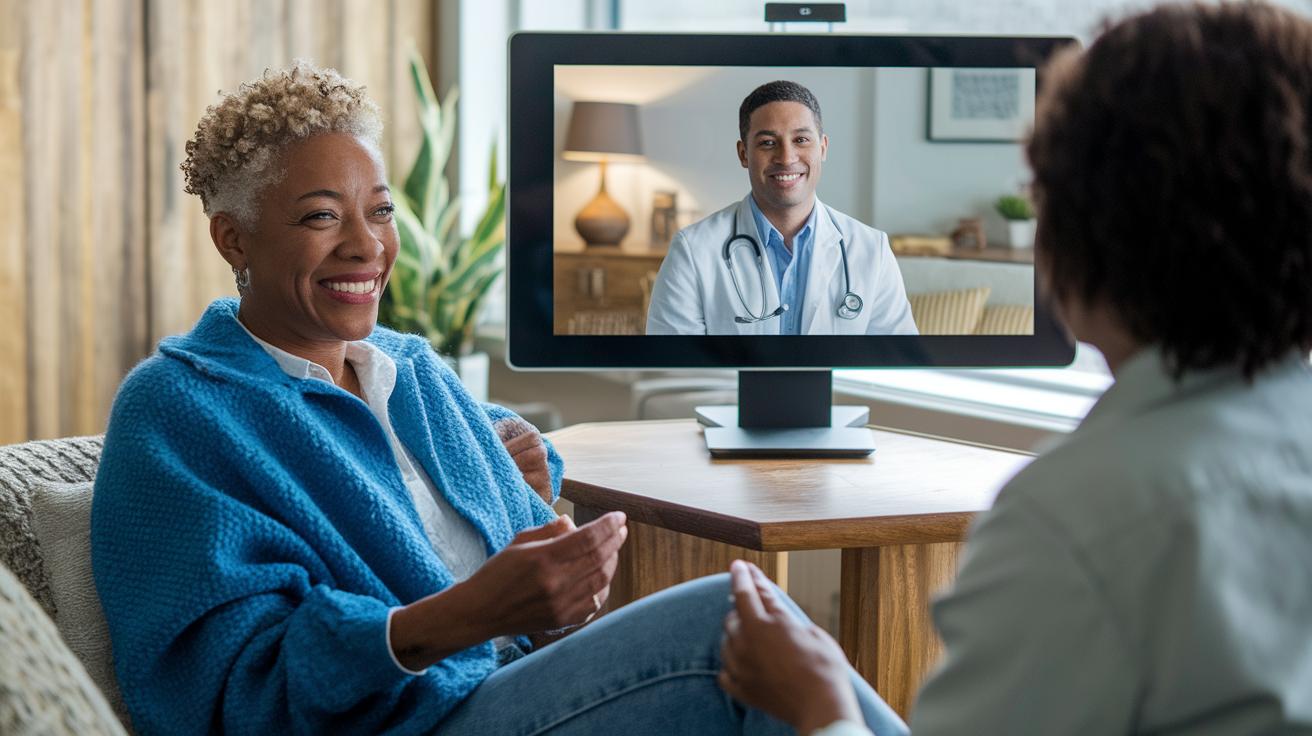
Telehealth visits create a calm space where busy clinics are left behind, letting you and your provider share a real conversation. Video calls help ease worries about mental health by making it feel less intimidating to ask for help, almost like chatting with a trusted friend. One patient shared, "Talking with my doctor online felt less intimidating; it was like having an honest conversation with someone who truly cares." Moments like these help you feel listened to and well cared for.
Virtual appointments clear up common hurdles like long trips and conflicting caregiving tasks. With online visits, sticking to your treatment plan becomes easier, and follow-up care feels more manageable. Digital platforms send friendly reminders and offer quick access to advice, gradually building trust over time. When you know you can reach your provider without the stress of a physical office, sensitive issues become easier to discuss. This steady, personalized care not only boosts satisfaction but can lead to better health overall. Clear and open communication through telehealth builds strong, lasting connections that make healthcare feel secure and welcoming.
Economic Impact and Cost-Effectiveness of Telehealth
Telehealth is a win-win, cutting costs and enhancing care at the same time. Recent research found that virtual visits can save around $388 per patient compared to traditional appointments. This means healthcare providers can lower facility needs, and patients benefit by saving money and time usually spent on travel.
Remote follow-ups let doctors catch issues early, which can cut hospital readmissions by up to 25%. For example, one hospital's telehealth program reduced missed appointments by nearly 15%, leading to smoother patient checks and fewer expensive hospital stays.
Some key points include:
- Virtual visits cost about 30% less than in-person appointments.
- Telehealth programs have achieved up to a 25% reduction in hospital readmissions.
- Some case studies show a 15% drop in appointment no-shows.
- These improvements help both patient care and overall system savings.
Challenges and Future Directions in Telehealth for Patient Outcomes

Telehealth still faces a few hurdles that can affect its overall effectiveness. Many patients find new technology a bit tricky, and not everyone has steady internet access. For example, one patient mentioned, "Using this new app feels like learning a whole new language." This shows how digital access gaps can make it tough for some people to get the care they need.
Another issue is how payments work. Rules about reimbursements and frequent changes in CMS guidelines can make doctors feel uncertain about their income. One provider shared, "I love virtual visits, but the billing process is tricky." This tells us that shifting policies can slow down the spread of digital care methods.
Data privacy is also a major concern. We all want to know that our health information is safe. As technology changes, our methods of protecting data must keep pace. Think of it like securing your most precious belongings, our sensitive details need the same careful attention.
Looking ahead, there are some bright prospects. New ideas include merging digital therapies with everyday care, using advanced wearables that track health in real time, and setting up standard rules for remote patient monitoring. These trends aim to fill the current gaps, simplify reimbursement, and boost data security, creating a stronger, more reliable telehealth experience.
Final Words
in the action today, we explored how telehealth naturally supports better patient care while lowering costs. The article discussed how virtual care boosts monitoring, cuts barriers to access, and creates smoother communication between providers and patients. We examined comparisons with in-person visits, patient satisfaction, and even economic benefits alongside areas where telehealth can still grow. All these factors reinforce the impact of telehealth on patient outcomes. It’s uplifting to see technology helping to build a more secure and caring healthcare environment.
FAQ
What is the impact of telehealth on patient outcomes in primary care?
The impact of telehealth on patient outcomes is shown by quicker diagnosis, improved chronic care management, and easier follow-up appointments that keep patients healthier and reduce complications.
How does telehealth improve patient safety?
The impact of telehealth on patient safety comes from reducing exposure to common infections in crowded settings and allowing secure, remote consultations to spot and address health issues early.
How does technology affect patient outcomes in telehealth?
The influence of technology in telehealth appears as advanced remote monitoring tools that help providers detect changes early, adjust treatments promptly, and support better overall patient results.
How effective is telehealth?
The effectiveness of telehealth is evident through high patient satisfaction, lower treatment costs, and timely care that often equals or exceeds the benefits achieved from traditional in-person visits.
What are the positive and negative effects of telehealth?
The positive effects of telehealth include increased access and convenience while challenges such as limited digital literacy and access issues remain, prompting ongoing efforts to improve overall care delivery.
How does telemedicine impact healthcare accessibility?
The impact of telemedicine on healthcare accessibility includes reducing travel challenges and appointment delays, making it easier for more people to receive care regardless of their location.

