
Have you ever wondered if a new way to treat MS might mean fewer tough days? Many people managing MS now see real hope in mixing prescribed medicine, guided physical therapy, and simple self-care at home.
It’s like refreshing an old system with improved parts that work more smoothly. Some treatments help ease sudden flare-ups so that daily life feels calmer and more balanced.
This article takes a close look at these treatment options. It shows how making smart, informed choices can offer a brighter outlook and renewed hope for a better tomorrow.
Comprehensive Overview of MS Treatment Options
MS treatment options offer hope by blending medicine, physical therapy, and self-care practices. Many patients rely on medications that lessen relapses and their impact. For instance, a group of three well-known medicines helps those with relapsing–remitting MS enjoy longer stretches with little disability. It’s a bit like switching from an old, unreliable system to something secure and efficient, you might be surprised at how much of a difference a small change can make.
Physical therapy is also a key part of care. It helps keep your muscles strong and flexible, which can ease symptoms like stiffness and fatigue. Working with a caring therapist means you get personalized exercises that make everyday tasks feel a bit easier.
Self-management is another important piece of the puzzle. This means taking steps like reducing stress, adjusting your diet, and keeping up with exercise routines to boost your overall well-being. Tracking your symptoms can be really helpful, giving you insights into what works best for you over time.
It’s best to work closely with healthcare professionals, neurologists, MS nurses, and your regular doctor, to choose the treatment that fits your type of MS. Whether it’s relapsing–remitting, secondary progressive, or primary progressive, a supportive team makes sure every part of your treatment is centered on you.
Disease-Modifying Therapies to Slow MS Progression

If you or someone you care about has relapsing MS, you know how important it is to keep unexpected flare-ups at bay. Disease-modifying therapies, or DMDs, help by reducing both the number and intensity of these relapses. They work like a reliable guard, turning constant worry into calm moments. Take interferon beta, for example, it acts like a shield that many say makes all the difference during tough flare-ups. Glatiramer acetate works in a similar way by smoothing out the ups and downs.
New treatments are also stepping in to help. Monoclonal antibodies, like ocrelizumab, are expanding the choices available, especially for people with primary progressive MS. These drugs are tested thoroughly in clinical trials to make sure they’re safe and effective before regulators approve them. This process, similar to guidelines in places like the UK, gives everyone more confidence in their care.
Here are some key points about DMDs:
| What It Does | How It Helps |
|---|---|
| Reduces Flare-Ups | Lowers both the frequency and severity of MS relapses. |
| Strict Testing | Each drug goes through detailed clinical trials and reviews. |
| Boosts Confidence | Helps patients feel more secure while managing their condition. |
Ongoing testing and research mean these therapies are always improving, offering hope for a steadier, safer future. Isn't it reassuring to know there are options working hard to help keep your health on track?
Targeted Symptom Relief Strategies in MS Care
MS symptom relief uses a blend of treatments like medicine, physical therapy, and rehabilitation to help ease pain, muscle tightness, and fatigue. Medicines work to reduce discomfort, while physical therapy improves movement and builds muscle strength. Rehabilitation sessions, guided by caring therapists, can ease stiffness and improve balance, making daily activities a bit simpler.
Non-drug methods also play an important role. Working with a therapist might include tailored exercises and gentle stretching routines that address issues like tight muscles or sudden spasms. For instance, a therapist might suggest a simple routine to ease tension after a long day, much like how a refreshing walk can clear your mind.
Keeping a daily record of how you feel is another simple yet powerful tool. Writing down your symptoms can reveal small changes over time, helping you and your care team fine-tune your treatment plan. It’s a bit like discovering clues in your personal health diary, guiding you toward better management of pain and fatigue.
- Medication helps relieve pain.
- Physiotherapy boosts movement and flexibility.
- Rehabilitation enhances overall quality of life.
Emerging Research and Breakthroughs in MS Interventions

Scientists are now trying fresh ways to treat MS by exploring how to fix myelin, the protective coating around our nerves, and help nerves do their job again. Teams at UCSF and groups funded by NIH are making progress with new methods to repair myelin, offering real hope to reverse some MS symptoms. Lately, researchers have turned their attention from T cells to B cells because B cells seem to damage myelin more. This new focus has opened up treatments that directly target these immune cells to stop further nerve damage.
Early trials are testing drugs aimed at rebuilding myelin so nerves can send signals properly once more. The studies aren’t just checking if these drugs work, they’re also making sure they’re safe and that the immune system remains balanced. One trial even shared early results where patients experienced better nerve function, much like fixing a broken phone line so the call comes through clear.
New drug trials for MS are picking up speed as experts blend technology and medicine in innovative ways. These breakthroughs show how discoveries in the lab can lead to real treatments at the clinic. Think of it this way: some patients might soon see their nerves working better after careful treatment, which brings a lot of hope for the future.
If these early trends continue, we might one day have treatments that not only slow down MS but can also reverse its symptoms. This possibility is lighting a spark of renewed hope for those living with the condition. Groundbreaking studies like these are helping us understand MS better and point toward a future filled with transformative treatments.
Lifestyle Modifications and Holistic Care Models for MS
Lifestyle changes can really brighten MS care. They go beyond just taking medicines and doing physical therapy. You might try things like water exercises, tweaking your diet, or practicing ways to reduce stress. Picture starting your morning with a leisurely walk, it gently wakes your body and sets a cheerful tone for your day.
Holistic wellness programs mix movement, healthy eating, and mental support to help you feel balanced and secure. Many people explore extra therapies like acupuncture or nutritional supplements. For example, imagine someone following a balanced diet while practicing guided meditation, the calming effect, much like a soft drizzle on a quiet morning, can ease stress and lessen symptoms.
- Exercise routines made to match your abilities
- Nutrition plans that boost overall well-being
- Stress relief through simple relaxation and mindfulness
These non-medicine approaches offer extra support alongside your usual treatment, helping you feel better each day and enjoy a higher quality of life.
Infusion and Injection Protocols in MS Management
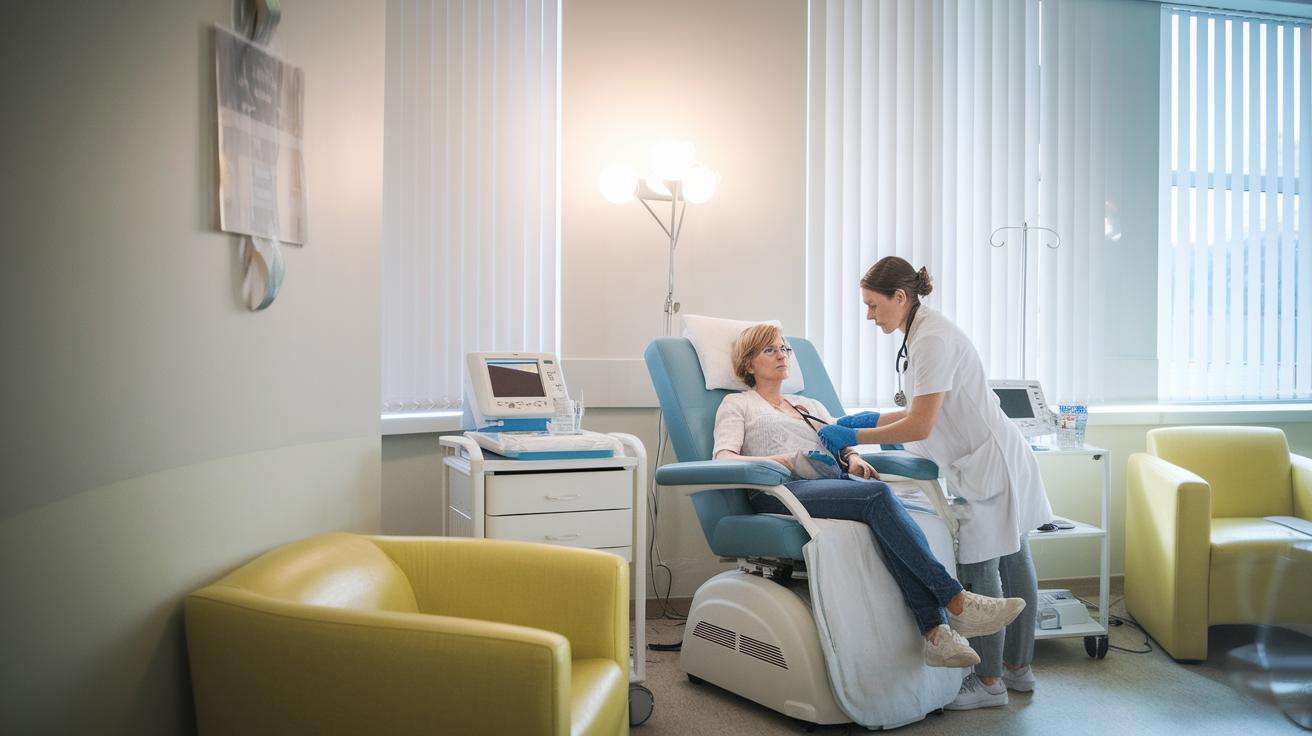
Intravenous treatments like natalizumab and ocrelizumab are given in special infusion centers that follow strict safety steps. Before your treatment, a quick check of your vital signs and overall health is done to make sure you’re ready. Imagine sitting in a calm room where every step is taken to protect you, like a secure safety net for your MS care.
Other treatments use injectable drugs such as subcutaneous interferons and glatiramer acetate. You might learn to give these injections at home or receive them in a clinical setting. With these medicines, keeping to your schedule is very important. Both you and your care team work together to track the injection plan so that the treatment works well and any side effects can be kept to a minimum.
Some key points include:
- Making sure you get your doses at the right time.
- Checking your health before each infusion.
- Scheduling regular follow-up visits to tweak your treatment if needed.
All these careful steps build a supportive system that puts your safety first. It turns complex medical procedures into simple, trust-building routines that give you hope with every visit.
Economic Considerations and Insurance Coverage for MS Therapy
When it comes to treatments for multiple sclerosis, insurance plans can differ a lot. Some insurers only cover certain medications and infusion treatments once you’ve gotten prior approval. This approval works like a key to help lower your out-of-pocket costs. Imagine a patient who found relief in a co-pay assistance program, the extra savings can really brighten a tight budget.
There are also patient support foundations that step in to help with expensive treatments. These groups lend a hand when medical costs feel overwhelming. It’s always a good idea to talk with your healthcare provider and learn the ins and outs of your plan; such a small step can go a long way.
Here are a few easy tips to consider:
| Tip | What to Do |
|---|---|
| 1 | Review your policy details to see what is covered. |
| 2 | Ask about co-pay assistance programs. |
| 3 | Explore patient assistance foundations for extra support. |
Taking these steps together can help lower financial barriers, so you can focus on your health with a renewed sense of hope.
Patient Education and Engagement in MS Care

Learning about MS care can give patients hope along every step of their journey. Simple educational tools like glossaries help break down tough medical words, while webinars and podcasts offer deeper insights from trusted experts and fellow patients. Helplines are just a call away when quick reassurance is needed. Digital apps can even track your symptoms each day, making it easier to notice changes and adjust your routine.
- Glossaries explain difficult medical terms in everyday language.
- Webinars are live chats with experts who care.
- Podcasts share true stories and helpful advice from others living with MS.
- Helplines give you fast, friendly support when it counts.
Remote monitoring is a great way to catch early signs of a relapse, helping your care team tailor your treatment as needed. Think of it as a gentle check-in that keeps you closely connected with the people who support you every day. These helpful tools build a strong link between you and your care team, much like what’s described on the patient engagement via medical informatics platform. Plus, many have experienced the advantages of telehealth, as shared by users of the remote patient monitoring benefits service.
Final Words
In the action, our blog post explored comprehensive treatment for MS through various angles. We covered medication regimens, symptom relief strategies, infusion protocols, and research breakthroughs that offer hope to many. We also highlighted lifestyle changes, economic factors, and tools for better patient engagement, key elements for treatment ms advancements. These discussions offer clear steps forward in managing MS. It’s uplifting to witness how informed choices and secure communication can lead to improved care and brighter futures.
FAQ
What is the best treatment for multiple sclerosis?
The best treatment for MS combines FDA-approved disease-modifying drugs, rehabilitative therapies, and self-management techniques, all guided by healthcare professionals to address individual needs.
How to test for MS at home?
The idea of testing for MS at home is unreliable because accurate MS diagnosis requires specialized neurological exams, MRI scans, and other tests performed by professionals.
What are the multiple sclerosis symptoms?
The MS symptoms include fatigue, vision problems, muscle stiffness, and balance issues, along with other physical and cognitive changes that vary from person to person.
What is the latest treatment for multiple sclerosis?
The latest treatment for MS features advanced drugs like monoclonal antibodies and ongoing remyelination trials targeting nerve repair, which are continually refined through clinical research.
What is the average age of MS diagnosis?
The average age of MS diagnosis is generally between 20 and 40 years, a period when symptoms typically begin to show and prompt medical evaluation.
What is the multiple sclerosis life expectancy?
The MS life expectancy is similar to that of the general population, particularly when individuals follow early treatment plans and maintain a healthy lifestyle.
How is multiple sclerosis diagnosed?
The MS diagnosis is reached through neurological examinations, MRI assessments, and other tests that help doctors confirm the presence of demyelination in the nervous system.
What causes multiple sclerosis?
The MS cause involves the immune system mistakenly attacking the myelin sheath, with contributing factors including genetics and environmental triggers interacting in complex ways.
Can you live a normal life with MS?
Living a normal life with MS is possible if patients follow a healthy treatment and lifestyle plan while receiving proper medical guidance, which helps manage symptoms effectively.
What is the most common treatment for MS?
The most common treatment for MS involves disease-modifying drugs, such as interferon beta and glatiramer acetate, often paired with rehabilitative exercises and symptom management strategies.
What happens if you get diagnosed with MS?
A diagnosis of MS means that you will begin a process of further evaluations, treatment planning, and regular monitoring with healthcare professionals to manage the condition.
How to calm an MS flare up?
Calming an MS flare up involves short-term medications, rest, stress reduction techniques, and following a doctor’s advice to manage symptoms and support recovery.

